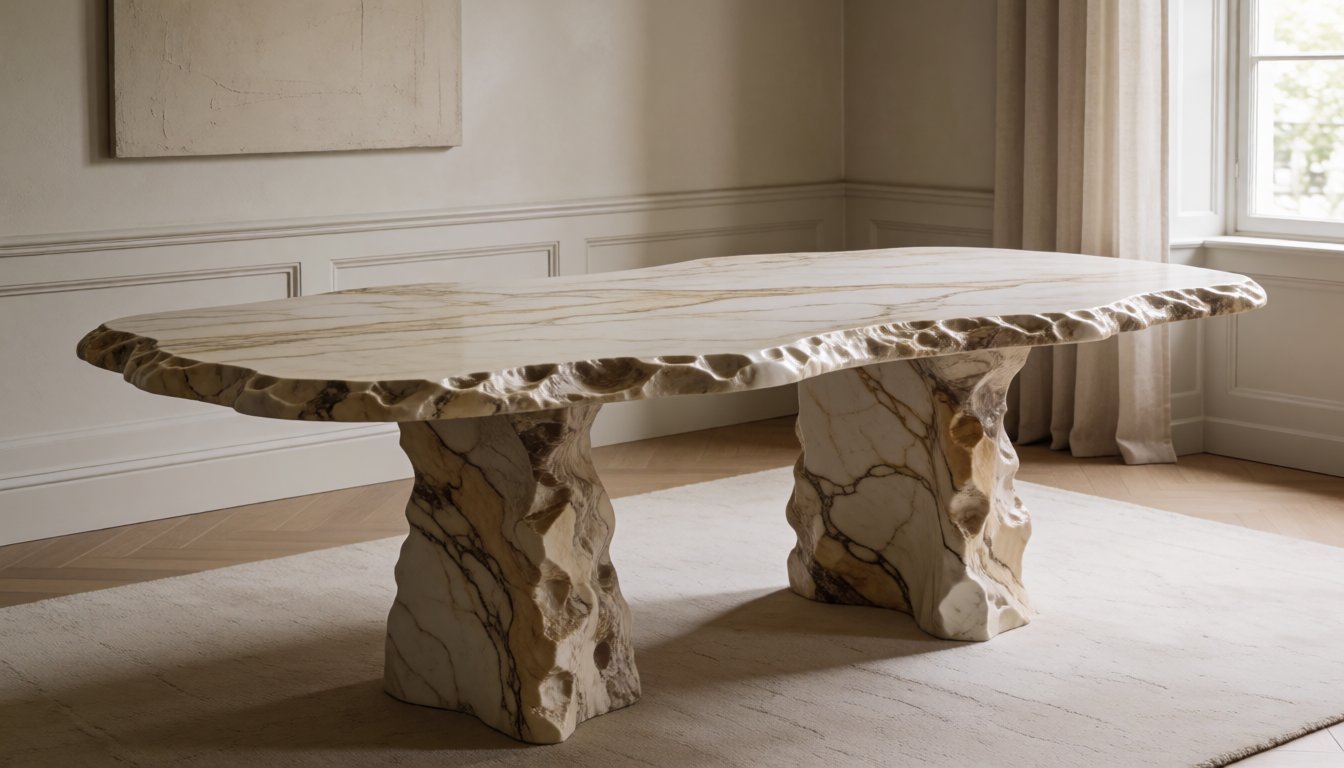
Importing natural stone furniture like dining tables, bathtubs, and fireplaces involves more than just shipping heavy slabs. The core of your business depends on reliable supply chains and material integrity. When you work with an ethical stone quarry, you protect your brand reputation while ensuring consistent quality for US and EU dropshippers. Sustainable stone sourcing is no longer a marketing buzzword; it is a compliance requirement for many retailers in Europe and a growing expectation among conscious consumers in the US. As an importer, your first point of contact should be the source itself. Understanding what to ask the quarry owner or manager will save you from customs delays, quality rejects, and reputational damage later on.
Verifying Environmental Compliance at the Source
The foundation of responsible stone procurement lies in environmental safety. Before signing a contract for thousands of square meters, request the quarry’s environmental impact assessment report. In China, many operations adhere to strict local regulations regarding dust control and water usage. Ask specifically about their waste management protocols. Do they have recycling systems for slurry? How do they handle tailings? A responsible marble operation should demonstrate active measures to minimize ecological footprints.
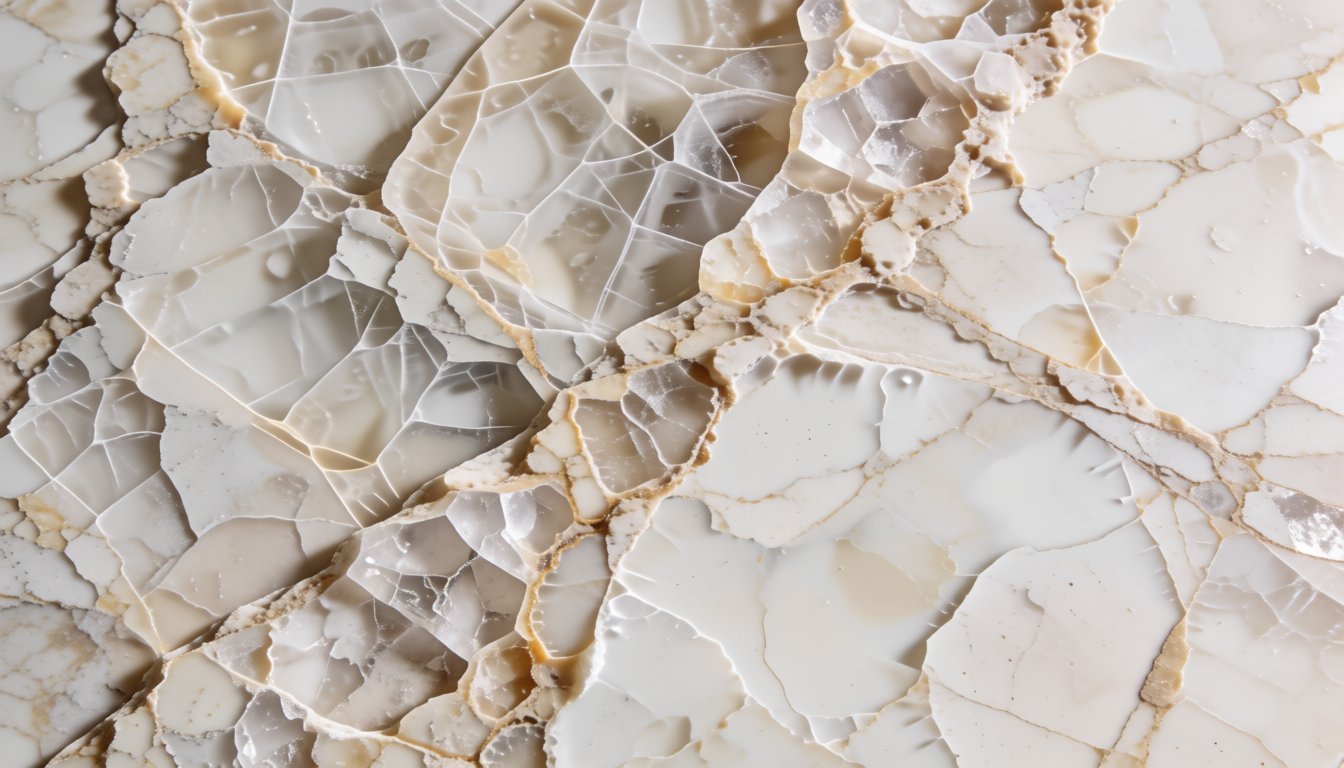
Look for visible infrastructure at the site. Proper drainage systems prevent runoff from entering nearby groundwater. Dust suppression technologies, such as water misting or electrostatic precipitators, should be in operation during drilling and cutting. If a quarry cannot show you their filtration systems or provide data on air quality monitoring near the extraction zone, proceed with caution. These factors directly affect your production costs downstream. Poor environmental controls often lead to hidden fines for the supplier that can delay your container shipment or trigger sudden shutdowns.

Labor Practices and Worker Safety Standards
The human element of sustainable stone sourcing is critical for long-term partnerships. An ethical stone quarry must prioritize worker safety above all else. Natural stone extraction is dangerous work involving heavy machinery, high noise levels, and potential respiratory hazards from silica dust. Ask to see their occupational health records anonymously. Do they provide protective gear like respirators? Are there regular medical check-ups for the drilling crews?
Inquire about working hours and overtime policies. Exploitative labor practices are a red flag that can lead to supply chain disruptions if international NGOs or local authorities intervene. A stable workforce means consistent production output. If workers are constantly leaving due to unsafe conditions, your factory faces hiring delays and quality drops as new employees lack experience with specific machinery. Request proof of social insurance coverage for all quarry staff. This is often a requirement for EU importers who must prove their supply chain does not facilitate forced labor.
Traceability and Origin Documentation
Provenance matters immensely when selling premium stone furniture like fireplaces or vanity units. You cannot claim “sustainable” practices without proof of origin. Ask the quarry for documentation that traces each block from the mine to the processing line. This includes geological survey maps, extraction permits, and transport logs. For white-label brands targeting the US market, customers increasingly want to know where their materials come from.
If you are importing from China, ensure the paperwork clearly states the specific province or mine location. Some regions have stricter environmental laws than others; knowing the exact origin helps you assess risk. Also, verify that the stone batch matches the geological description provided. Inconsistent veining or sudden changes in hardness can indicate a shift in mining depth or a mix of different rock formations. Transparent documentation allows you to explain product variations to your dropshipper clients honestly and professionally.
Processing Methods and Energy Consumption
How the stone is cut and polished determines its final value and carbon footprint. Traditional waterjet cutting uses significant amounts of water, while diamond wire sawing is more efficient but generates more slurry. Ask the quarry about their energy sources. Do they rely entirely on coal grids, or have they invested in solar or wind power? Many modern facilities in China are installing renewable energy setups to meet green export standards.
Discuss the finishing processes for items like bathtubs and sinks. Polishing with high-abrasion techniques can generate heat that damages the stone’s crystalline structure if not managed correctly. Responsible marble processing involves maintaining optimal temperatures during cutting to prevent micro-fractures. Ask about their water recycling rates. A facility reusing 80% or more of its water for slurry cooling demonstrates a commitment to sustainability that you can market directly to eco-conscious buyers.
Quality Control Metrics and Defect Rates
Sustainable sourcing does not mean compromising on quality, but it does require realistic expectations regarding yield rates. Every natural stone block has veins, cracks, and color variations. An honest quarry will provide defect rate statistics before you commit to a large order. Typical yield losses for intricate items like freestanding bathtubs or sculpted fireplaces can range from 15% to 30% depending on the stone type and design complexity.
Ask for visual references of previous “reject” blocks that were too flawed for premium use but could be used for decorative pieces or side tables. This helps you manage inventory planning and pricing strategies. If a supplier hides defect rates, you risk receiving unsalable stock mid-production run. Establish clear acceptance criteria in your contract regarding crack width, vein continuity, and surface finish. For example, specify that hairline cracks under 2mm are acceptable for dining tables but not for vanities where water exposure is constant.
Logistics Packaging and Shipping Efficiency
The journey from the quarry to the container port impacts both cost and environmental impact. Poorly packed stone arrives damaged more often. Ask the quarry about their standard packaging materials. Do they use excessive plastic foam, or have they transitioned to recycled cardboard and biodegradable fillers? Over-packaging increases shipping weight and volume, raising freight costs without adding value.
Efficient stacking patterns in the container maximize cubic meter usage. For heavy items like granite countertops or stone fireplaces, the way blocks are secured matters. Inquire about their use of air-cushion systems or vacuum sealing for smaller vanity tops. These methods reduce breakage rates significantly. Also, ask about their trucking fleet’s fuel efficiency. Electric trucks for the last-mile haul from the mine to the loading dock are becoming more common in major Chinese industrial zones. Supporting suppliers who invest in green logistics aligns your brand with global sustainability trends.
Pricing Structures and Cost Transparency
Finally, understand how sustainability affects your bottom line. Green certifications and ethical labor practices do incur costs, but they often stabilize prices over time by reducing regulatory risks. Ask the quarry for a breakdown of their pricing structure. Is the price per square meter, or is it based on the finished piece? Be wary of “too good to be true” prices that ignore environmental compliance costs; these often result in hidden fees later.
Negotiate volume discounts that reward consistent, long-term orders rather than encouraging erratic purchasing. A stable partnership allows the quarry to plan extraction and processing better, benefiting everyone. Clarify who bears the cost of waste disposal and recycling. In some cases, a responsible marble supplier will include these costs in their unit price, while others may charge extra per ton of slurry. Ensure these terms are explicit in your agreement.
FAQ
What specific certifications should I ask for when verifying an ethical stone quarry?
You do not need every possible certificate immediately, but start by asking for ISO 14001 (environmental management) and ISO 45001 (occupational health and safety). For the European market, check if they have any alignment with EU Deforestation Regulation (EUDR) standards or local green mining initiatives. In China, look for compliance with the Ministry of Ecology and Environment’s latest air and water discharge standards. These documents provide a baseline that proves the operation is not operating illegally or dangerously.
How do I handle defect rates without ruining my business margins?
Accept that 15-20% waste is normal for complex shapes like bathtubs or custom fireplaces due to natural veins and cracks. Factor this into your pricing model immediately. Work with the quarry to sort “seconds” into lower-tier products like decorative side tables or rough-hewn decor pieces. This turns potential loss into additional revenue streams. Always define “acceptable defect” in writing before production starts, specifying exact measurements for hairline cracks or color variance to avoid disputes later.
What is a realistic lead time from quarry extraction to container loading?
For standard blocks ready for processing, expect 7-14 days after the deposit and contract signing. However, if you need a specific rare vein extracted from deep within the mine, add another 2-3 weeks for drilling and block removal. Once in the factory workshop for cutting sinks or tables, another 10-15 days is needed for polishing and finishing. Total lead time from order to shipment typically ranges from 25 to 45 days depending on stone type, complexity of the design, and current port congestion.
Can I request samples before committing to a large volume order?
Absolutely. Reputable quarries and factories like Gladystone will always provide samples for inspection. Pay attention not just to color, but to the texture and weight. A sample can reveal hidden issues like soft spots or excessive porosity that affect water resistance for vanities. Request samples from different depths of the quarry face to see if the stone quality varies. Never accept a sample without seeing it in person or via high-resolution video call with the supplier present.
Quick Comparison
| Feature | Traditional Quarry Model | Sustainable/Responsible Quarry Model |
|---|---|---|
| Environmental Controls | Basic dust suppression; limited water recycling. | Advanced filtration; 80%+ water recycling rates; solar energy usage. |
| Labor Safety Gear | Inconsistent provision; often relies on worker initiative. | Full PPE kits provided (respirators, helmets); mandatory training logs. |
| Defect Transparency | Defects hidden until shipment; high rejection risk. | Pre-production defect stats shared; “seconds” sorted for alternative products. |
| Packaging Materials | Heavy plastic foam and excessive cardboard. | Recycled cardboard; biodegradable fillers; optimized stacking density. |