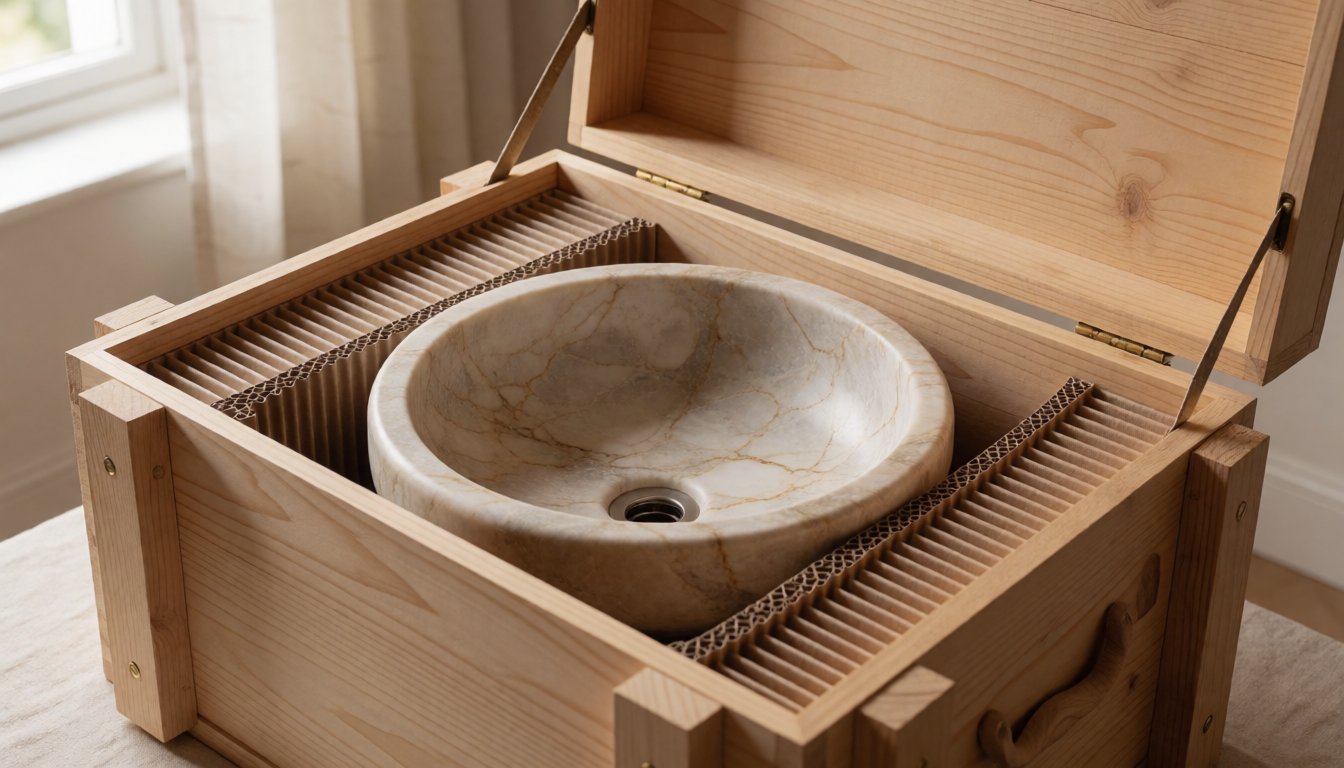
Importing heavy natural stone furniture like marble sinks or granite bathtubs introduces a specific logistical headache that most dropshippers overlook until the first container arrives: stone packaging waste. Unlike standard textile or plastic goods, stone products require rigid structural support during transit to prevent catastrophic cracking. This necessity drives up volume and weight, leaving significant amounts of non-recyclable debris in landfills once goods reach the US or EU docks. For buyers managing sustainable supply chains, understanding the lifecycle of marble crate recycling is no longer just an environmental preference; it is a cost and compliance issue. As a manufacturer, Gladystone designs its export packaging to minimize this footprint while ensuring your stone arrives intact.
The Heavy Reality of Structural Packaging
When you order a large marble vanity or a thick-edge dining table, the product itself weighs hundreds of kilograms. However, the packaging required to move it often adds another 30% to that weight. Standard wooden crates reinforced with steel corners are mandatory for ocean freight. Inside these crates, we typically layer high-density foam blocks and corrugated cardboard separators.
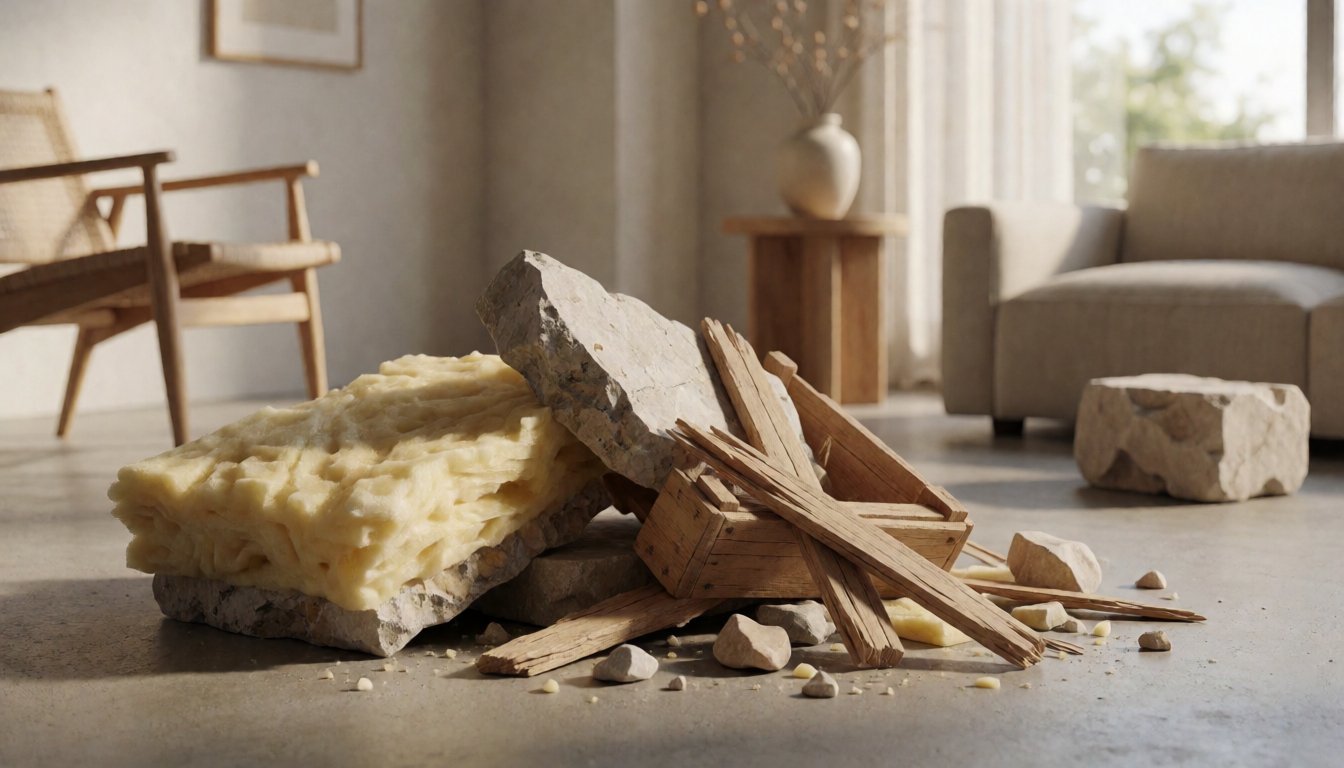
For a single large sink measuring roughly 90cm x 50cm x 25cm, the stone weighs approximately 180kg to 220kg depending on density. The protective packaging around this item usually includes:
* Wood Crate: ~45kg
* Foam Inserts: ~15kg per layer (often two layers)
* Cardboard and Tape: ~5kg
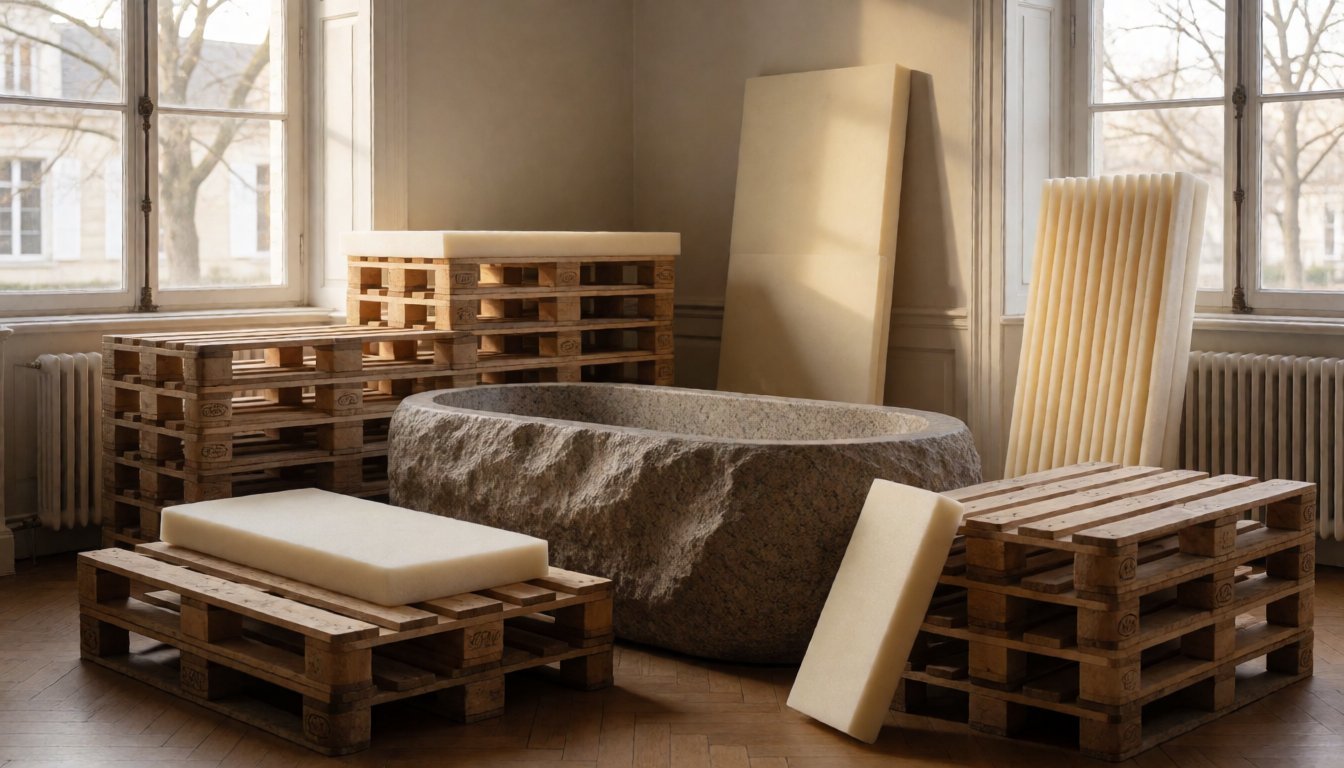
Once the goods are sold, that 65kg of mixed material becomes stone packaging waste. This mix is problematic because wood and foam rarely separate cleanly in municipal recycling streams. Many US and EU municipalities will reject mixed-material crates from curbside pickup, forcing them into industrial dumpsters or landfills.
Managing Mixed-Material Debris at Destination
The composition of the debris determines its disposal cost. Pure wood pallets are valuable for reuse or chipping. However, stone shipping packaging that combines glued foam with wooden frames creates a contamination issue. Foam is lightweight but bulky; it takes up massive cubic space in a truck but yields very little value when shredded.
Dropshippers and interior designers often find themselves paying premium rates to waste haulers who charge by volume rather than weight for this specific type of refuse. If your supplier does not offer a crate design that allows for easy separation, you are locked into high disposal fees. Gladystone addresses this by utilizing modular crate designs where foam inserts can be removed and recycled separately from the wooden frame before the final unboxing process begins. We also utilize water-based adhesives rather than strong solvents in our foam bonding processes to make the wood more amenable to recycling facilities that accept treated timber.
Sustainable Crate Recycling Options for Importers
You might assume that once a crate arrives, it is trash. That is not the case if you plan ahead. Marble crate recycling involves specific local services that can turn this debris into revenue or reduced landfill fees. Some regional waste management companies offer “green bin” pickup for mixed wood and foam if the materials are sorted on-site by your logistics team.
Here is a practical workflow to reduce costs:
1. Inspect Immediately: Upon unloading, separate clean wood from soiled foam immediately. Wet stone dust can ruin dry wood intended for reuse or mulch.
2. Sell Separately: Wooden crates often have resale value if they are in good condition and free of chemical treatments. We label our standard Gladystone export crates as “untreated pine” to maximize their marketability to local pallet recyclers.
3. Foam Compression: High-density polyethylene foam can be compressed into bales. Once baled, the volume shrinks by nearly 80%, reducing dumpster space and hauler fees. We supply a small amount of specialized packing tape that does not require heat for sealing, making it easier to remove without damaging the crate structure.
Designing for Disassembly and Cost Efficiency
Packaging choices directly impact your landed cost. Over-packaging adds weight, which increases ocean freight charges exponentially. For a container load, every extra kilogram matters. If you are importing 50 units of fireplaces or vanities, reducing packaging weight by just 10kg per unit saves thousands of dollars in shipping and lowers the carbon footprint of your shipment.
We optimize our packing for disassembly. Our standard crates feature corner bolts rather than nails or staples where possible. This allows the wooden frame to be taken apart and flattened for recycling without needing power tools. The foam is cut with precision to fit the stone exactly, eliminating the need for loose fill that ends up as dust and waste.
When negotiating with suppliers, ask specifically about their stone packaging waste management protocols. Do they use biodegradable peanuts instead of EPS (Expanded Polystyrene)? Can you get a custom crate size that fits your specific product dimensions without excess void space? These questions show you are serious about quality and sustainability, and it helps filter out suppliers who simply ship whatever is cheapest without thinking about the end-of-life impact.
Conclusion: A Strategic Approach to Imports
Importing natural stone is an investment in durability and luxury, but the logistics must match that standard. Ignoring stone packaging waste leads to hidden costs in disposal fees and potential reputational damage if your brand claims eco-friendliness while sending tons of mixed debris to landfills. By choosing a manufacturer like Gladystone that prioritizes modular, separable packaging, you gain control over the recycling process at your destination.
Remember that the price difference between a standard crate and a recycled-friendly design is often negligible compared to the savings on waste hauling and the premium required for expedited disposal of hazardous-looking mixed waste. Plan your inventory turns carefully; faster turnover means less time for packaging materials to degrade or get lost in storage, further minimizing environmental impact. For any serious buyer looking to scale, integrating these recycling strategies into your operational workflow is a smart financial move as much as it is an ethical one.