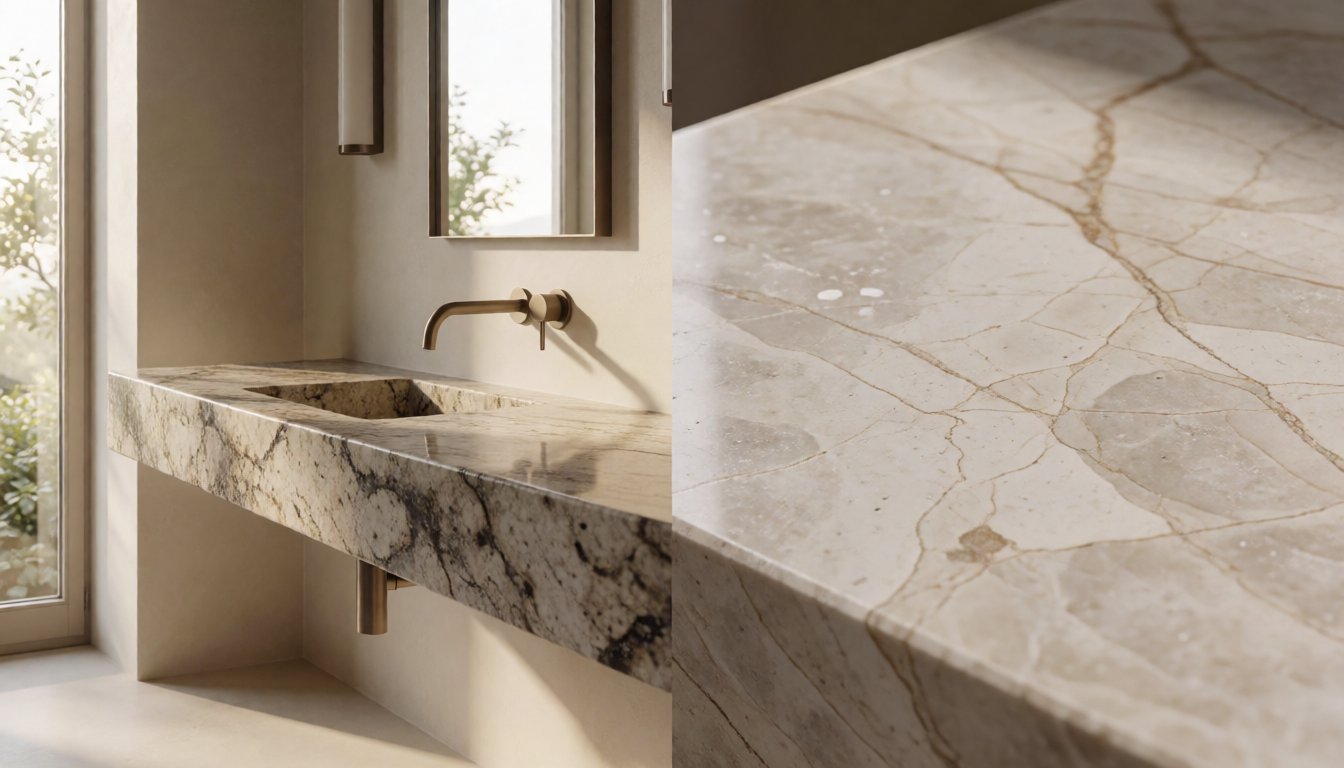
Choosing between natural and engineered stone isn’t just about aesthetics or price margins; it is increasingly a decision regarding supply chain sustainability and brand reputation. For US and EU importers sourcing from China, understanding the stone environmental footprint is critical for white-label brands aiming to meet strict ESG (Environmental, Social, and Governance) standards. This analysis breaks down the lifecycle impacts of both materials to help you select the right product for your Shopify dropshipping clients or interior design partners without compromising on quality.
Mining versus Manufacturing: The Upstream Impact
The environmental cost begins before a single slab leaves the quarry. Sourcing natural vs engineered stone requires looking at energy consumption and waste generation during production.
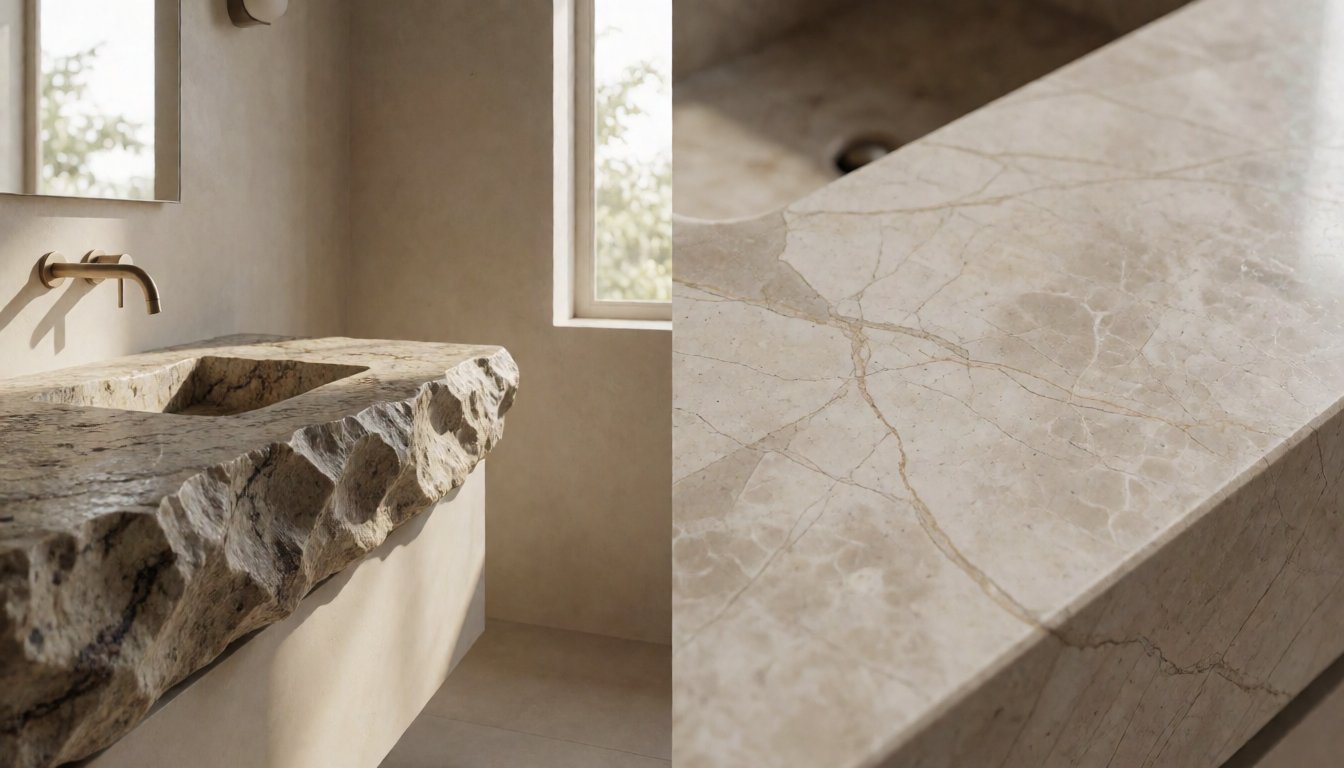
Natural stone, such as granite or marble, demands significant excavation. A standard 3cm thick vanity top measuring 120cm x 60cm weighs roughly 45kg. The mining process involves heavy machinery, water usage for dust suppression, and land rehabilitation costs that often occur long after the supplier closes the books. For B2B buyers, this translates to a higher carbon footprint per unit shipped, though the raw material itself is geologically formed over millions of years.
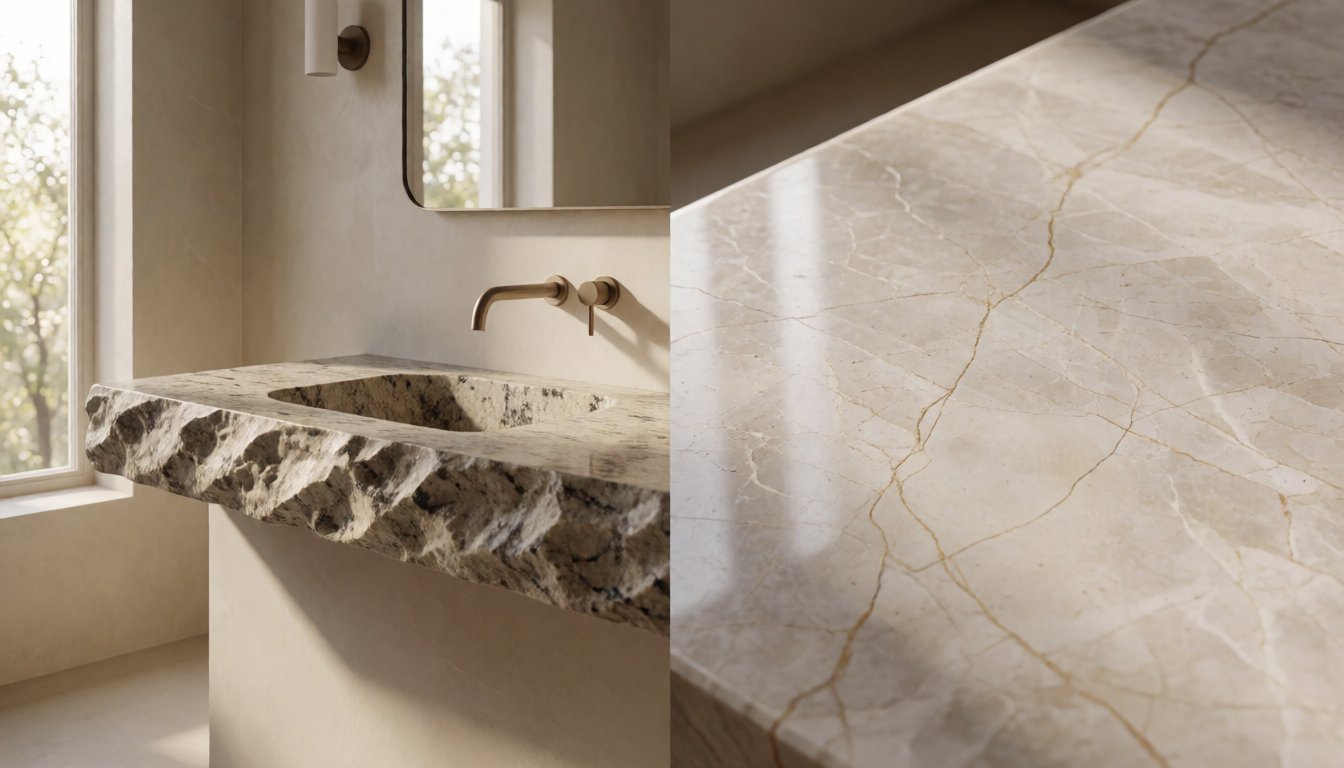
Engineered stone creates a different profile. Products like quartz composite sinks or bathtubs are manufactured in factories. A typical 75cm x 45cm engineered sink weighs approximately 18kg due to resin reinforcement but requires less raw rock volume. However, the manufacturing process relies on cement and polymers. The production of these binders generates carbon emissions, and if recycled glass or post-consumer materials are not used, the input is virgin plastic.
When calculating the stone environmental footprint, you must weigh the energy intensity of mining against the chemical intensity of manufacturing. For your clients in Europe with strict REACH regulations, the type of resin used in engineered stone matters significantly. Cheap polymeric resins have a higher lifecycle impact than bio-based or recycled alternatives often found in premium white-label lines.
Quarrying and Transportation: Shipping from China to Your Warehouse
Logistics are a major variable in your final carbon cost, regardless of material origin. Whether you order granite vanities or quartz tables from a factory like Gladystone, the distance traveled is fixed. Shipping containers from Guangdong or Fujian to Los Angeles or Hamburg dominate the logistics equation.
Consider a standard LCL (Less than Container Load) shipment. Natural stone slabs are often shipped in boxes of 30-40 slabs per container due to their weight and fragility. Engineered stone can sometimes be stacked tighter depending on packaging, but the density remains high. A full container load of bathroom sinks might weigh between 25 to 30 tons.
The carbon footprint here is roughly proportional to the distance. If your supplier cannot guarantee consistent quality or lead times, you risk double-shipping. For example, if a natural stone order gets delayed by a week due to weather at the quarry in China, that extra time adds fuel consumption and storage emissions. Engineered stone orders often have tighter production schedules because they are fabricated on-site, but delays still occur during resin curing or quality checks.
For B2B buyers, ask your supplier about their packaging efficiency. Does Gladystone use biodegradable packing materials, or is it all bubble wrap and plastic peanuts? The choice between a 100% wood pallet and a plastic one adds up over thousands of units sold. When discussing natural vs engineered stone with potential partners, request specific data on their packaging waste reduction strategies.
Material Longevity and Maintenance: The Lifecycle Perspective
Sustainability extends beyond production to the product’s life and disposal. Natural stone like marble requires sealing every 1-2 years to prevent staining, while engineered stone is non-porous but may need gentle cleaning agents to maintain its finish.
A dining table made of natural marble could last 50+ years with proper care. If it ends up in a landfill, the energy invested in quarrying and shipping remains “wasted.” Engineered stone, often containing recycled content like crushed glass or granite dust, offers durability but relies on synthetic resins that do not biodegrade.
For interior designers selling to eco-conscious clients, transparency is key. If a client asks about marble sustainability, they are likely interested in the source quarry’s water usage and whether the stone is sourced from an ethical mine with reclamation plans. You can mitigate some of this by offering reclaimed natural stone slabs or engineered stones made with recycled aggregates.
When evaluating your white-label options, calculate the end-of-life scenario. Can your dropshipping customers recycle the product? In many regions, disposing of engineered stone requires special facilities because it contains plastics. Natural stone is inert and easier to handle in landfills, though recycling it into new slabs is a growing industry practice that some forward-thinking suppliers are starting to adopt.
Supplier Questions for Your B2B Strategy
To make an informed decision, you need concrete answers from your manufacturer. Do not rely on vague marketing claims about “green stone.” Instead, ask specific questions that affect your bottom line and brand integrity.
- What is the resin content? For engineered stone sinks or countertops, ask for the percentage of recycled glass versus virgin polymer. A higher recycled content lowers the environmental footprint.
- How are waste byproducts handled? During cutting, both natural and engineered stone generate dust and chips. Does the factory have a system to recycle these scraps into smaller items like mosaic tiles or filler pieces?
- What is the lead time consistency? Reliable production schedules prevent unnecessary re-shipping costs. Ask for historical data on order fulfillment rates.
- Are there certifications available? Look for ISO 14001 (environmental management) or specific low-VOC emissions certificates, which are mandatory for entering certain EU markets.
By asking these questions, you position yourself as a responsible importer. Whether you choose the timeless look of natural granite or the consistency of engineered quartz, the goal is to provide your US and EU clients with products that align with their values. At Gladystone, we understand that quality and sustainability go hand in hand, offering transparent sourcing options for serious B2B partners ready to build a resilient brand.