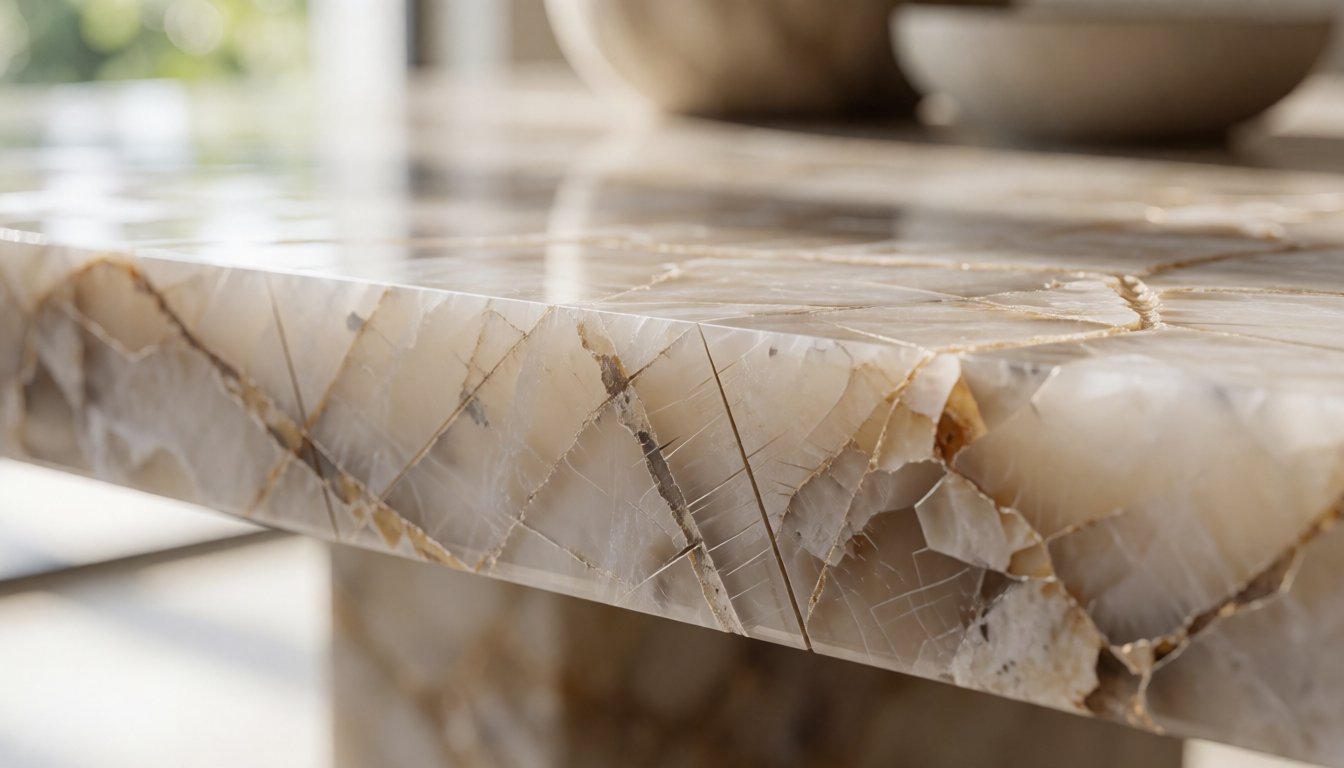
Every slab of natural stone sent from our factory in China to your warehouse in the US or EU leaves behind a significant amount of material. This isn’t just scrap; it is raw potential. At Gladystone, we view stone recycling not as a cost center but as a strategic supply line for high-margin boutique inventory. By capturing marble offcuts, granite remnants, and quartz leftovers immediately after fabrication, we transform what would be landfill waste into finished pieces for dining tables, vanity tops, and decorative accents. For importers looking to differentiate their brand without the massive overhead of quarrying, this model offers a sustainable path to profitability.
The economics are straightforward. A standard slab might cost $120–$160 per square foot at the source, but once cut for a 75-inch sink or a bathtub, the remaining pieces often sit in inventory with zero marginal production cost. We sell these marble offcut decor items at roughly 30% to 40% of the price of full slabs while maintaining premium aesthetics. This allows dropshippers and wholesalers to offer “designer” looks for a fraction of the traditional retail price, increasing your gross margin on every sale.
The Reality of Offcut Dimensions and Weights
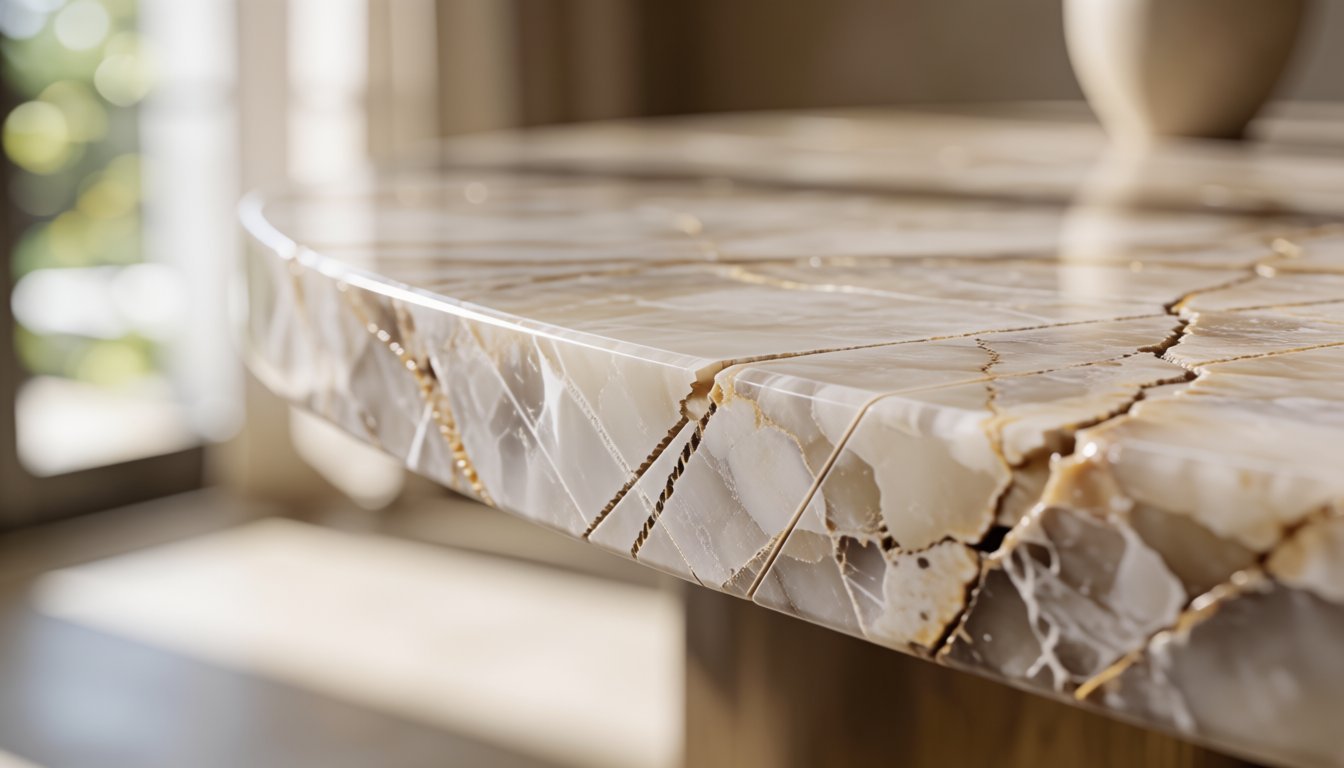
Before you build your catalog, you must understand the physical constraints of these materials. Not every offcut is a perfect rectangle suitable for a tabletop. Most pieces are irregular shapes resulting from waterjet or diamond blade cutting. You will typically receive items ranging from 30cm to 120cm in width and varying lengths depending on the original slab’s dimensions.
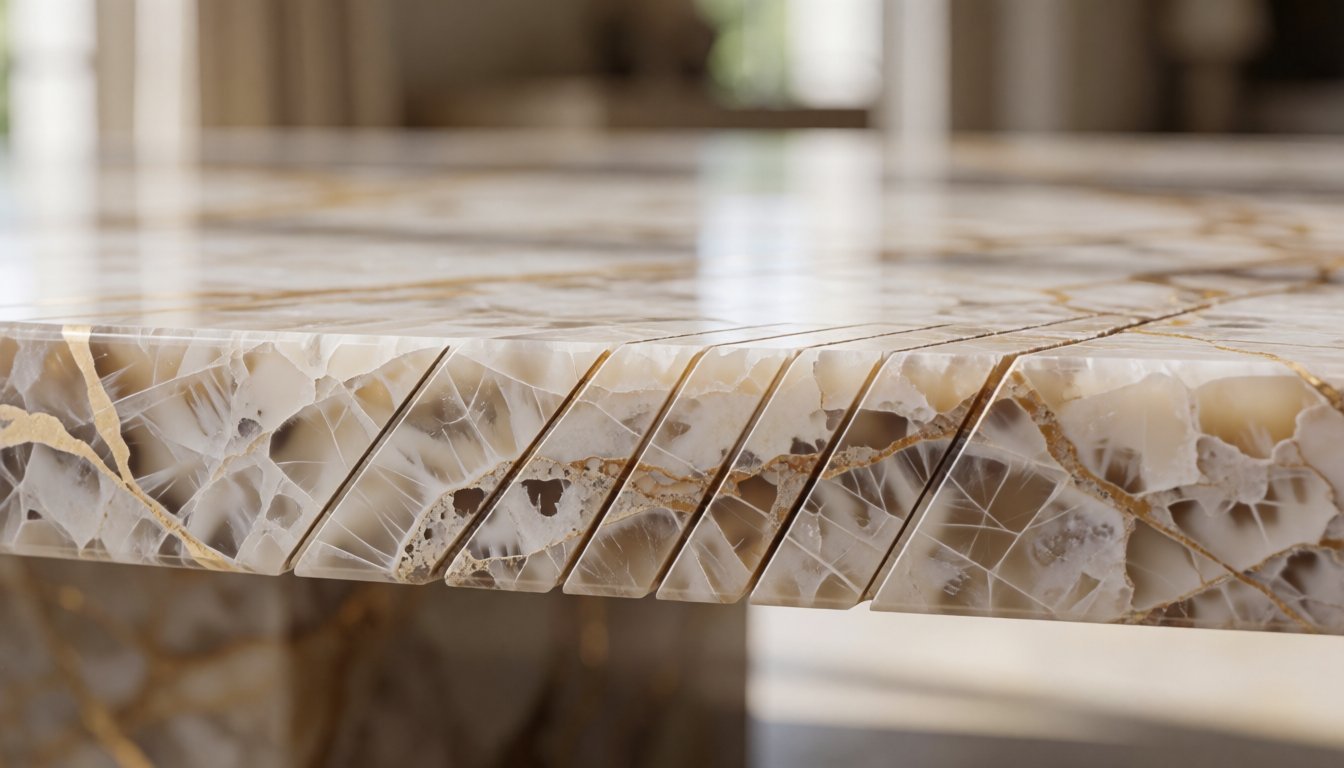
A typical small decorative tray might weigh between 4kg and 8kg, while a larger side table top can reach 25kg to 35kg depending on the stone density (granite is heavier than marble). When planning your logistics, assume a volume density that requires palletizing roughly 15–20 standard offcut pieces per pallet. This maximizes container space compared to shipping only full slabs.
For B2B buyers, the lead time here is often faster. Since these items are produced simultaneously with your main order for sinks or fireplaces, you can request them included in the same shipment. Depending on your order volume and specific stone selection, expect an additional 3–7 days of production time after the main batch is finalized. However, if you maintain a stock of common colors like Calacatta or Carrara, we can ship these ready-to-ship pieces within our standard 15-day export window.
Quality Control for Recycled Stone
A common misconception in the industry is that offcuts are low quality. This is false. The surface texture and veining patterns remain exactly as they were on the slab. The only “defect” introduced during recycling is the cut edge, which we leave polished or honed to match your requested finish.
When inspecting our recycled inventory, focus on three critical areas:
1. Vein Integrity: Ensure no major veins are interrupted by the cutting path, as this affects the visual continuity of a dining table top.
2. Crack Depth: Surface scratches from handling are common and can be polished out. Deep cracks, however, require rejection. We typically allow a tolerance of up to 2mm for surface imperfections on decorative pieces, but structural integrity must remain solid.
3. Edge Finish: If you plan to sell these as “raw” or “natural edge” items, specify your preference early. We can provide a raw cut edge (approx. 1–2cm thickness) or a refined bevel for a premium feel.
Ask us specifically about the slab origin for each batch. Knowing if a piece comes from a specific quarry run helps you manage customer expectations regarding color variation. For instance, a Calacatta Gold offcut might have deeper grey veins than a standard white variant. Transparency here prevents returns and builds trust with your end consumers.
Strategic Applications for Dropshippers and Wholesalers
The versatility of stone waste reuse allows you to create distinct product lines that compete with high-end brands like West Elm or Anthropologie without their markup structures. Consider these specific applications:
- Wall Cladding Panels: Cut into 60cm x 120cm tiles, offcuts serve as perfect feature walls for bathrooms and fireplaces. This reduces the risk of breakage during shipping compared to large slabs.
- Decorative Bowls and Trays: By grinding down a thick slab section or using thinner slices (8mm–12mm), we can create planters, serving trays, and candle holders. These lightweight items are ideal for dropshipping as they reduce freight weight costs significantly.
- Fireplace Inserts: Irregular shapes work exceptionally well for rustic fireplace surrounds. A 40cm x 50cm piece with a natural edge adds character that manufactured stone cannot replicate.
For wholesalers, the MOQs (Minimum Order Quantities) on these items are generally flexible. While full slabs might require a commitment of 2–3 pieces per color, recycled offcuts can often be ordered in quantities as low as 50kg or even piece-by-piece depending on current stock availability. This flexibility is crucial for testing new market trends without locking up capital in unsold inventory.
Building a Sustainable Brand Narrative
Consumers and B2B partners increasingly value sustainability. Using stone recycling provides a genuine story to tell your customers. You aren’t just selling furniture; you are promoting a circular economy where material waste is eliminated.
When marketing these items, highlight the reduction in carbon footprint. Producing one offcut item saves roughly 150kg of CO2 emissions compared to quarrying and processing new stone for the same aesthetic result. This narrative resonates strongly with interior designers who need green certifications for their projects and eco-conscious retail buyers.
At Gladystone, we document the origin of our recycled batches. We can provide photos of the original slab before cutting and the resulting offcuts after processing. This level of transparency allows you to create authentic content for your Shopify store or trade show booth. It proves that the quality is intact and the process is ethical.
By integrating these recycled lines into your catalog, you diversify your product mix with lower-risk inventory. The margins are healthy because your cost basis is significantly reduced compared to virgin material. As you scale, consider negotiating dedicated production slots for specific offcut colors we have in excess demand from other clients. This ensures you get the best selection and pricing before that stock is sold or scrapped elsewhere.