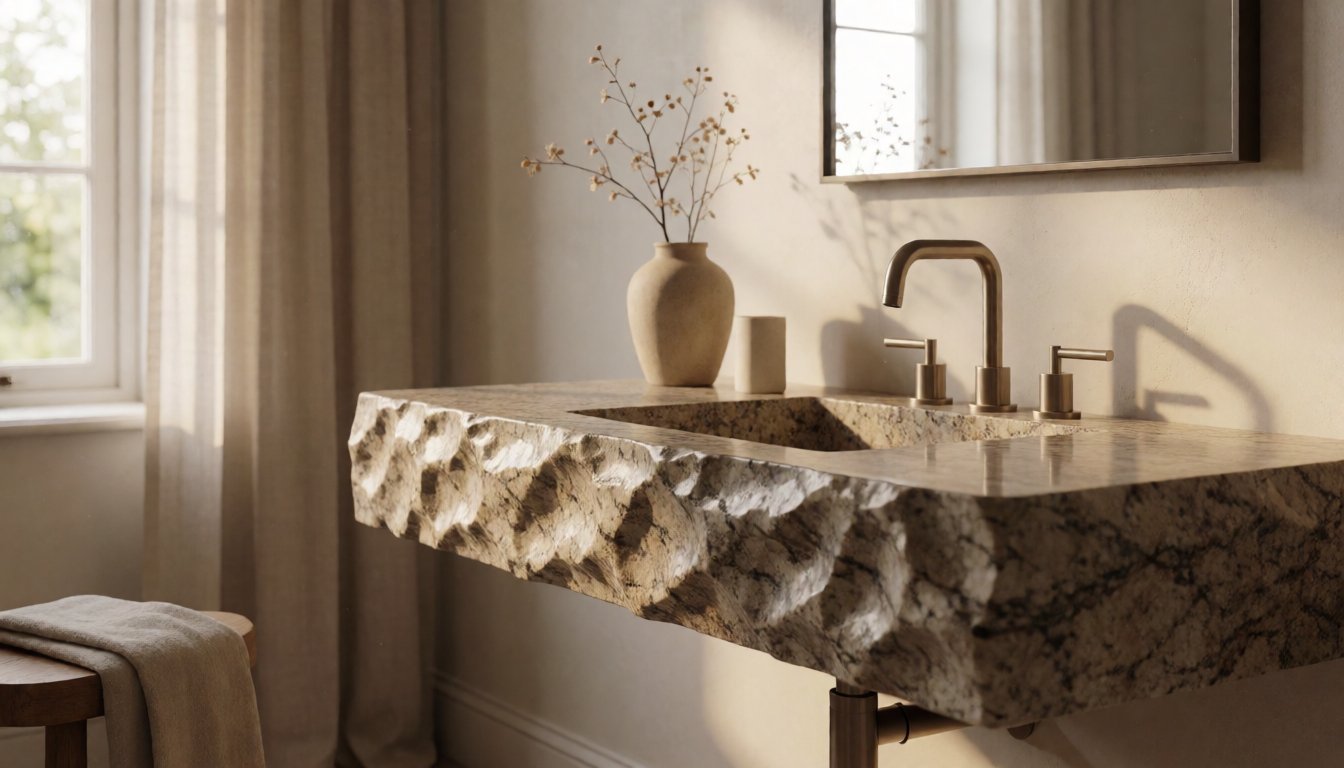
End buyers in the US and EU are increasingly asking about the environmental footprint of their stone furniture. They want to know if the material is ethical, how it was sourced, and what happens at the end of its life. As a B2B importer or dropshipper working with a manufacturer like Gladystone, you cannot simply attach generic labels to your products. You need a specific narrative that connects your natural-stone sinks, bathtubs, and dining tables to genuine eco-friendly practices. This requires moving beyond vague claims and building a marble eco story based on verifiable data about extraction, processing, and logistics. When you explain the origin of your granite vanity or your quartz composite sink clearly, you turn an expensive purchase into an investment in values your customers respect.
The Reality of Stone Extraction and Processing
The first step in your green stone messaging is addressing the mining process honestly. Many consumers assume all stone is quarried with heavy machinery that destroys landscapes. While quarrying does have an impact, modern operations utilize precise blasting techniques and water recycling systems to minimize waste. You should verify if your supplier uses dust suppression methods that prevent local air pollution during cutting.
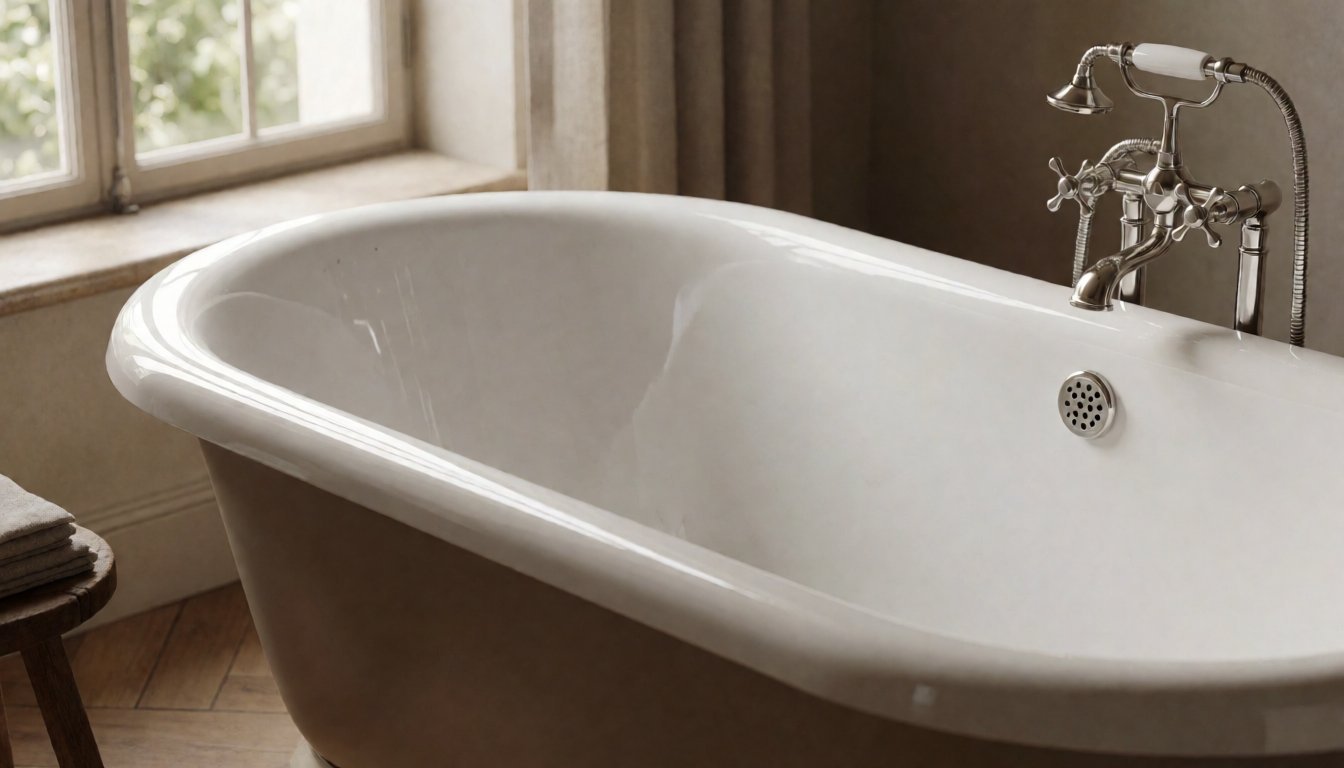
For products like bathtubs made from thick porcelain-enameled cast stone or solid natural stone, the weight is significant. A standard soaking tub weighs between 150 kg and 250 kg depending on the thickness of the rim and the base. This mass means transportation emissions are high per unit. To mitigate this, you must ask your factory about their shipping consolidation strategies. Gladystone typically optimizes container loads to ensure that a single vessel carries enough inventory for multiple US or EU orders, reducing the carbon footprint per finished item. When marketing these heavy items, emphasize that the durability of natural stone means fewer replacements over 20 years compared to acrylic or fiberglass alternatives, which need replacing every 7 to 10 years.
Logistics and The Carbon Cost of Shipping
Shipping stone is a logistical challenge that directly affects your sustainability claims. You cannot ignore the CO2 emitted by shipping a 40-foot container of granite dining tables from China to New York or Hamburg. A typical lead time for stone orders is roughly 25 to 35 days, depending on whether the stone is in stock or needs to be carved from raw blocks upon arrival at the factory.
To improve your stone sustainability marketing, focus on packaging efficiency. Stone slabs and finished pieces must be packed with wooden crates and protective foam to prevent breakage. These materials add weight and volume. Ask your manufacturer if they use recycled packing materials or if they are moving toward reusable crate systems for repeat customers. If Gladystone utilizes biodegradable packing peanuts instead of plastic foam peanuts, highlight this detail specifically. It is a tangible action that counters the perception that shipping stone always equals massive plastic waste.
Certification and Verifiable Claims
Generic statements like “we are green” often trigger skepticism among informed buyers. You need concrete proof behind your claims. Look for certifications on the factory floor or in their documentation regarding water usage in cutting processes and energy efficiency. Does the factory use solar panels to power their CNC machines? Do they have a system for recycling water used in slab polishing?
If your supplier lacks specific third-party certification, you can still build trust by detailing their internal protocols. For example, explain how they manage waste stone dust. In many factories, this dust is collected and repurposed into filler material for composite countertops or sold as industrial sand. This circular economy approach is a powerful part of your story. When discussing white-label brands, ensure the contract specifies that sustainability data must be available to you so you can pass it on to retailers. Without transparency, your marble eco story remains just a story, not a fact.
End-of-Life and Durability as a Selling Point
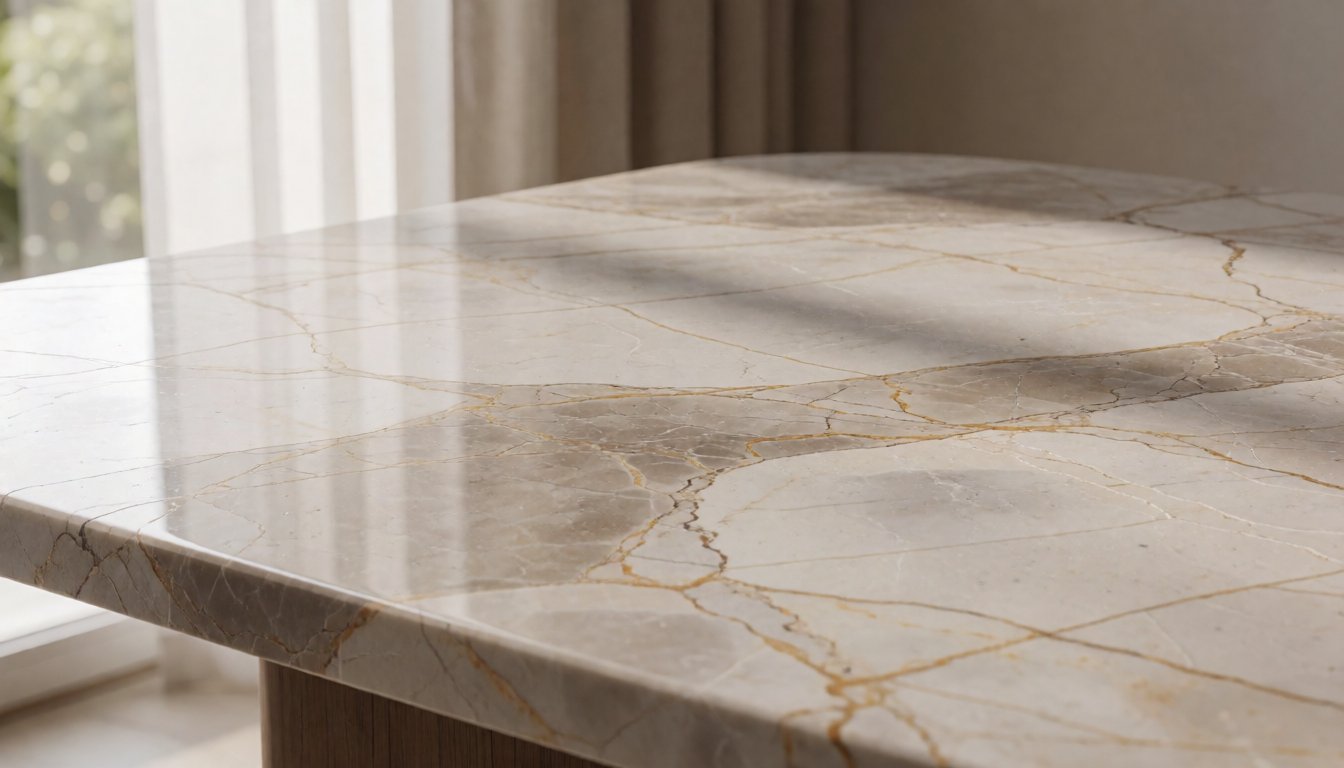
One of the strongest arguments for stone is its longevity. A well-made marble dining table or a granite kitchen sink can last for generations if sealed properly. This durability reduces the frequency of disposal, which is a major component of environmental impact. Contrast this with vinyl flooring or laminate that ends up in landfills after 15 years.
When communicating this to end buyers, frame the cost of stone not as an upfront burden but as a long-term savings on replacements. A heavy cast-stone bathtub might cost more initially, but it will never need refinishing like a painted acrylic tub. This lifecycle perspective is crucial for green stone messaging. It shifts the conversation from “how was this made?” to “how long will this last?”.
Turning Factory Practices into Retail Stories
Your role as an importer is to translate factory capabilities into retail narratives. If Gladystone has implemented energy-efficient kilns for curing their stone coatings or uses electric forklifts in the warehouse, these details matter. However, avoid overloading your marketing copy with technical jargon. Keep it simple: “Our stone is cut using water-recycled techniques,” or “Our packaging reduces plastic waste by 30%.”
Develop a consistent voice for your brand that aligns with these facts. Whether you are selling to interior designers who care about material sourcing or dropshippers focused on customer retention, the core message remains the same: natural stone is durable and long-lasting, but its true sustainability depends on responsible processing and honest communication. By grounding your stone sustainability marketing in real numbers—like the 20-year lifespan of a granite sink or the specific recycling methods used at the factory—you build credibility that generic eco-labels cannot match. This approach turns your supply chain advantages into competitive benefits that resonate with modern consumers.