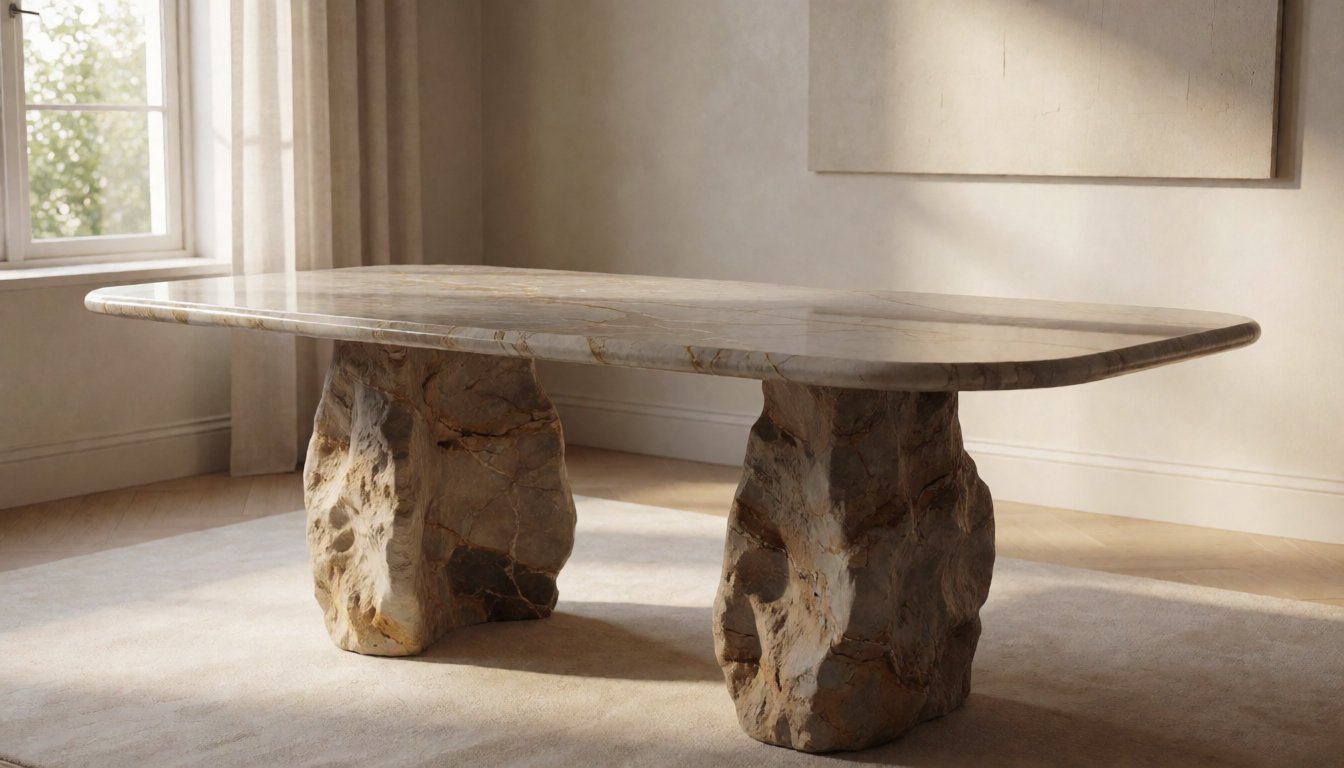
Importing natural stone furniture into Europe or the United States requires more than just shipping heavy slabs; it demands strict adherence to regional chemical regulations. As a buyer sourcing from China, your primary risk lies not in the stone itself, but in the adhesives, sealants, and polishing compounds used during fabrication. If your supplier uses unapproved additives containing restricted substances like phthalates or certain aromatic amines, you face shipment delays, fines, or recalls in both the EU and California. For Gladystone partners, understanding stone REACH compliance and Prop 65 marble limits is essential before placing an order. This guide breaks down exactly what to check with your manufacturer to avoid customs holds and liability issues.
Understanding the Regulatory Landscape
The European Union operates under REACH (Registration, Evaluation, Authorisation and Restriction of Chemicals), which controls substances intentionally added to products. The US does not have a single federal law covering all consumer goods but relies heavily on state-level enforcement, particularly California’s Proposition 65. These regulations target specific chemicals known to cause cancer or reproductive toxicity.
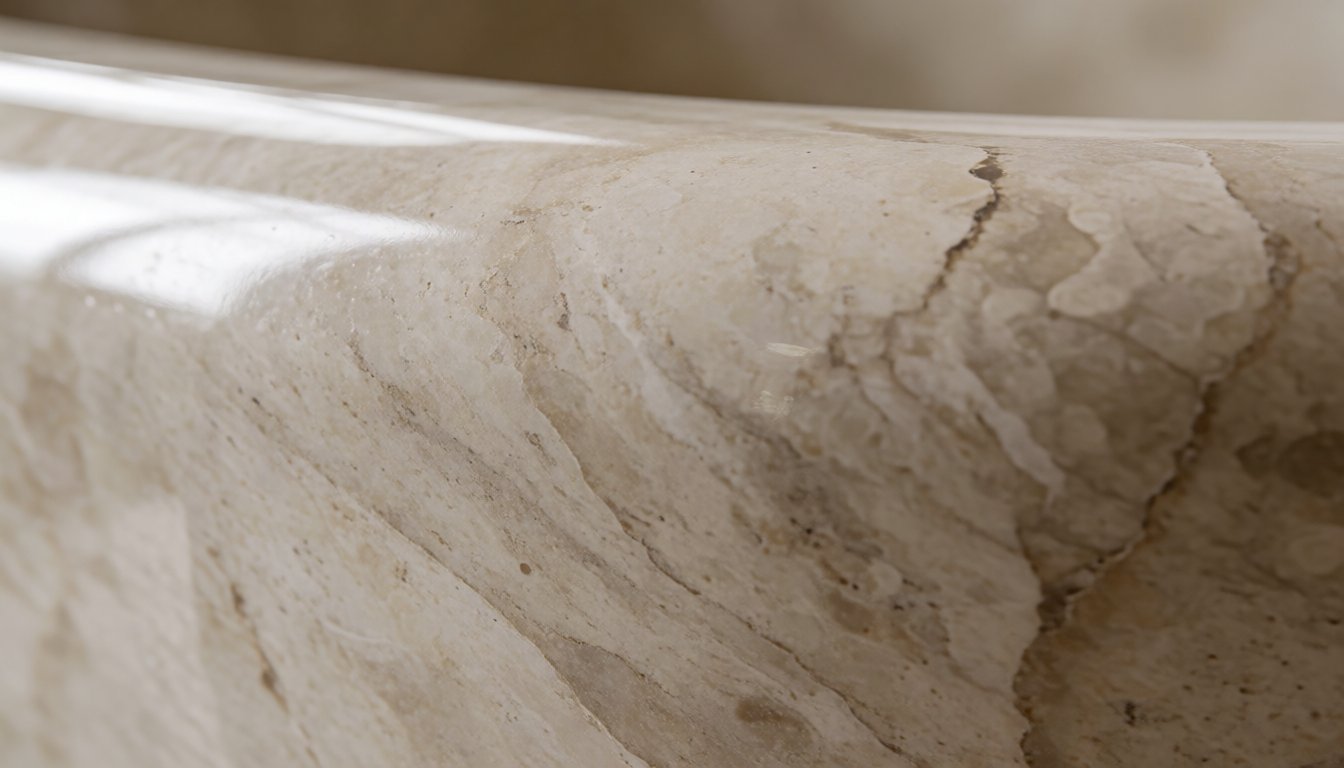
For stone furniture buyers, the risk is often misunderstood. Natural stone like granite or marble contains trace minerals, but the real compliance challenge arises from the resin binders in engineered quartz or the epoxy used in sinks and vanities. In the EU, a substance must be declared if it exceeds 0.1% concentration in finished products. In California, Prop 65 requires warning labels if any listed chemical is present above specific “no significant risk levels.”
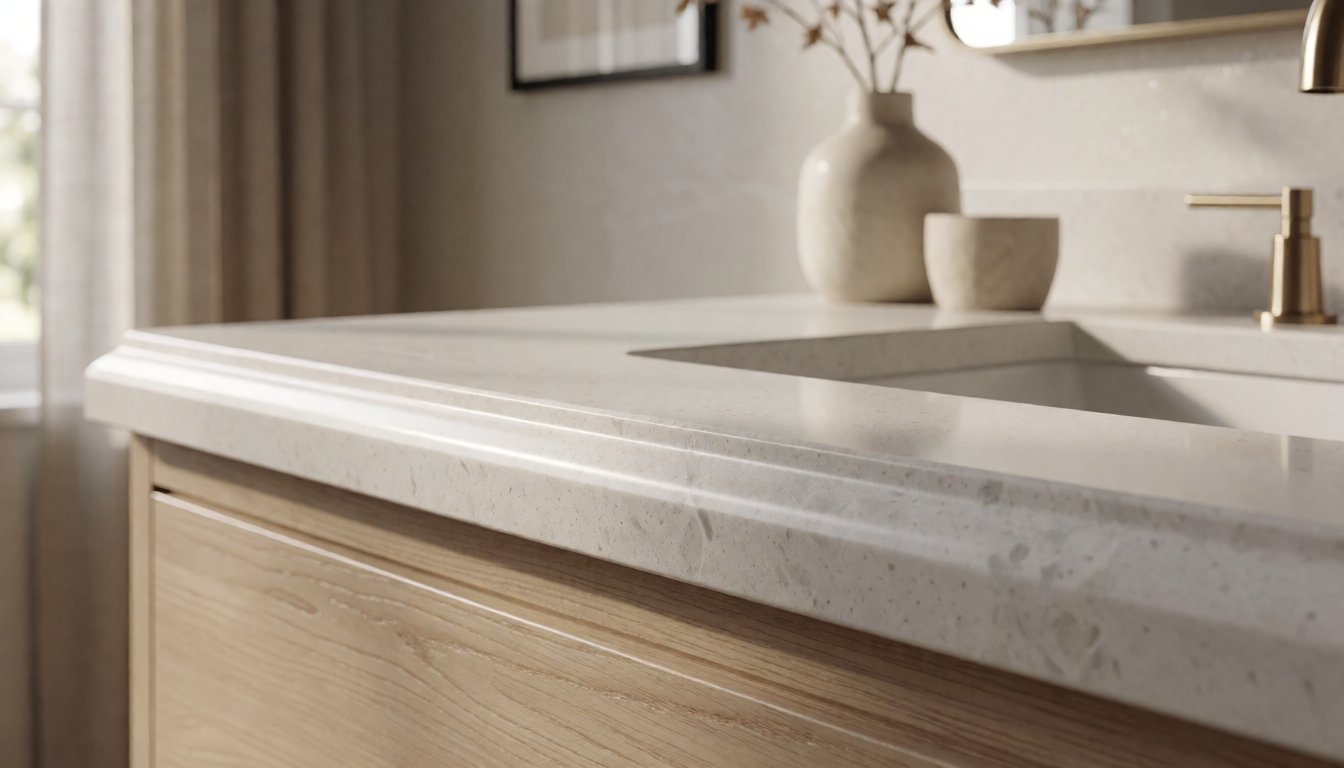
Gladystone manufactures both natural stone and engineered lines. For our engineered quartz vanities, we use resins that are typically certified free of phthalates to meet these thresholds. However, for pure natural stone bathtubs or dining tables, the focus shifts to the polishing compounds and edge-banding adhesives. If your factory uses a third-party adhesive from an unverified supplier, that glue could contain restricted benzene derivatives, triggering a rejection at the EU border.
What to Ask Your Supplier About Adhesives
The most critical step in ensuring stone chemical compliance is interrogating your manufacturer about their adhesive supply chain. Do not accept a generic “yes” regarding safety. You need specific data sheets for every bonding agent used on your order.
When contacting a factory like Gladystone, ask for the Safety Data Sheets (SDS) of all adhesives and sealants applied to sinks, shower stalls, and table tops. Specifically, verify the concentration of restricted substances such as Benzyl Butyl Phthalate or Dibutyl Phthalate. If you are importing large volumes, request that the factory conducts internal testing using ISO 17025 accredited labs before shipping your container.
For engineered stone items like kitchen islands, ask about the resin-to-stone ratio and the curing process. High-quality factories utilize UV-cured resins with low VOC (Volatile Organic Compound) emissions. If a supplier claims their products are safe without providing third-party test reports from recognized bodies like SGS or Intertek, treat that claim with skepticism.
Testing Protocols and Certification Validity
Do not rely solely on self-declared certifications. A certificate claiming “REACH Compliant” is meaningless if the testing lab is not accredited or if the product batch tested differs from the one you are importing.
Request a Certificate of Compliance (CoC) that includes:
* Test Method: Ensure they followed EN 15687 (for stone tiles) or similar standards for finished goods.
* Batch Numbers: The CoC must match the specific batch numbers on your packing list. Stone is natural; two batches from the same quarry can have different mineral compositions affecting chemical leaching.
* Limit Values: Verify that total migration of phthalates is below 0.1% for EU markets and that Prop 65 warnings are not required for US shipments.
For our white-label clients, Gladystone often performs pre-shipment testing on random samples from the production line. We typically send these samples to an independent lab in Guangzhou or Shenzhen for verification before the container is loaded. This extra step costs roughly $300-$500 per test but prevents costly customs detention later. If you are a dropshipper, insist that your factory maintains a “batch traceability” system so you can prove exactly which batch of stone and glue was used in each unit sold to an end consumer.
Cost Implications and Lead Time Adjustments
Compliance adds cost and time, but it is non-negotiable for long-term business viability. Buyers often try to cut corners by sourcing cheaper “raw” stone from unknown factories and having local assembly done. This approach frequently backfires when local assemblers use substandard glues that fail Prop 65 marble or granite safety checks.
Expect a price premium of roughly 3-5% for fully documented compliance. This covers the cost of certified adhesives, third-party testing fees, and the administrative overhead of maintaining an ISO 9001/14001 management system within the factory.
Regarding lead times, compliant shipping takes longer. A standard production run might take 25-30 days. If you require third-party lab testing before shipment, add 7-10 days to the schedule. The lab must analyze the sample, receive results, and approve the batch release. Rushing this process risks sending non-compliant goods, which can result in fines exceeding $10,000 per incident in California or EU member states.
For high-value items like custom fireplaces or heavy bathtubs, these delays are an investment in risk mitigation. A single customs hold due to a phthalate violation can cost thousands in storage fees and legal defense. Always factor the time needed for certification into your inventory planning. If you need goods by a specific date, order at least one month earlier than usual to accommodate potential re-testing or batch rejection scenarios.
Final Checklist for US and EU Imports
Before finalizing your purchase order with any Chinese stone manufacturer, run this quick checklist:
1. Adhesive Verification: Have they provided SDS for all bonding agents used on sinks and table edges?
2. Lab Accreditation: Is the testing lab ISO 17025 accredited? Are the results valid for your specific batch number?
3. Documentation: Do you have a CoC that explicitly lists restricted substance concentrations below regulatory limits?
4. Insurance: Does your cargo insurance cover chemical compliance claims, or do you need separate liability coverage?
By prioritizing these factors, you ensure that your stone furniture reaches the US and EU markets safely and legally. At Gladystone, we build our partnerships on transparency and rigorous quality control so our partners never face unexpected regulatory headaches.