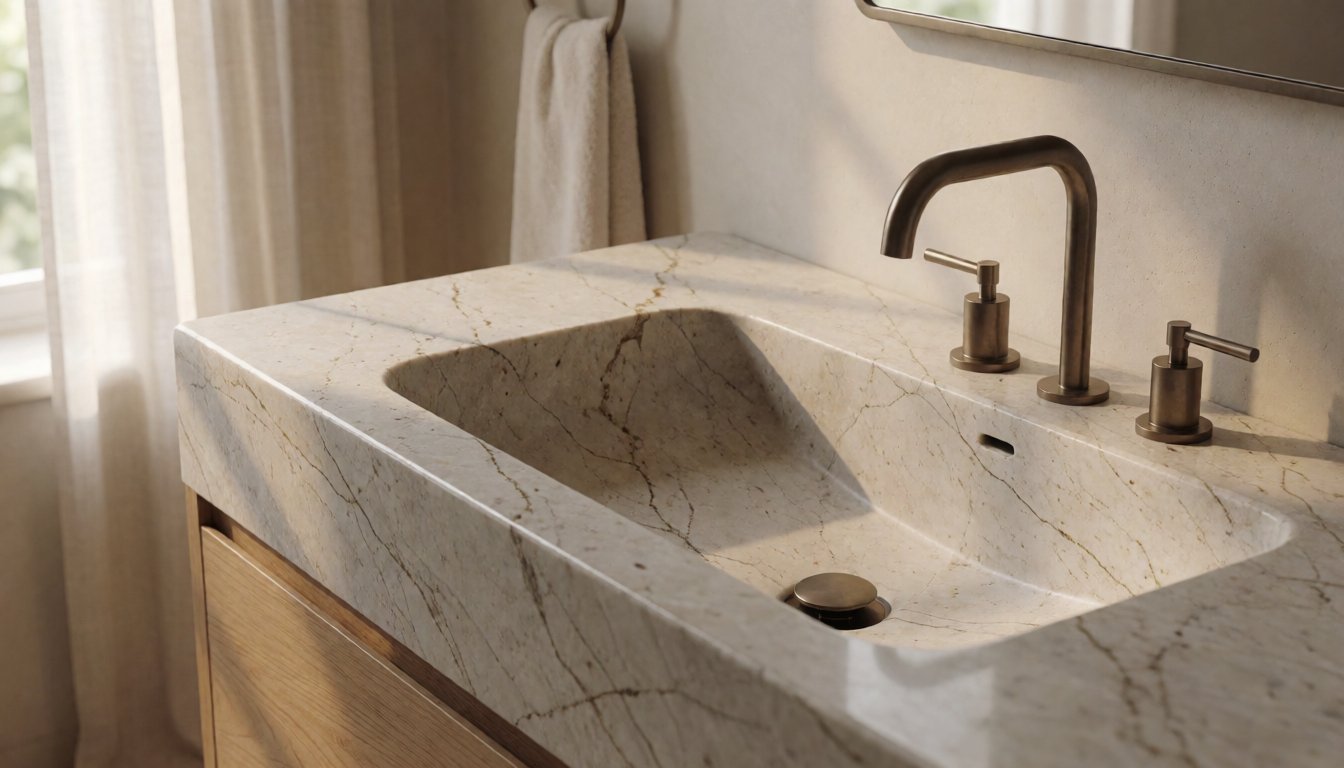
Sourcing natural stone furniture for your Shopify store or retail chain requires more than just finding pretty pictures on Instagram. You are entering a high-value supply chain where the difference between profit and loss often comes down to three specific variables: your negotiated margin, the minimum order quantity (MOQ), and whether you have secured exclusivity. As an importer looking at suppliers like Gladystone, you need to cut through the marketing fluff and understand the mechanics of stone distribution. This guide breaks down exactly what affects your bottom line, how MOQs actually work in reality, and the strategy behind securing exclusive rights to specific designs.
Understanding Your Profit Margin Structure
When you approach a stone wholesaler, the first question is rarely “how much does the sink cost?” It is usually “what is my landed cost versus the retail price?” Natural stone carries a premium that retailers must pass on, but only if the base cost is managed correctly. A typical granite or quartzite vanity might sell for $1,200 to $1,800 in a US showroom, while a comparable piece from a direct factory partner could land at $450 to $650 depending on volume and shipping terms.
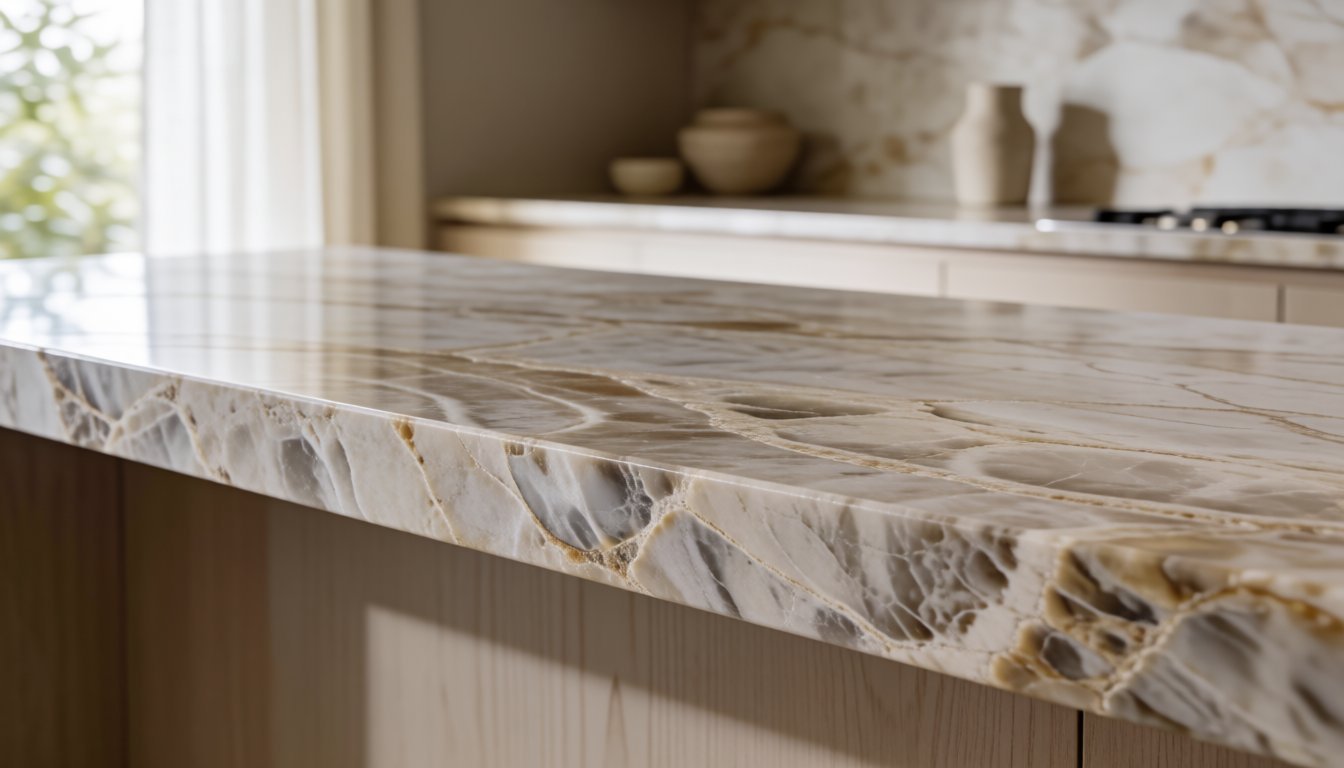
The margin you secure determines if your business is sustainable. If you are a dropshipper, you might need a gross margin of 40% to cover Shopify fees, customer service, and marketing ads. For a traditional importer holding inventory, margins often target 60% or higher. A reliable stone distribution partner will offer tiered pricing structures. For instance, ordering 5 units of a specific bathroom sink might net you a standard wholesale rate, but jumping to an MOQ of 20 units could drop your unit cost by 15%.
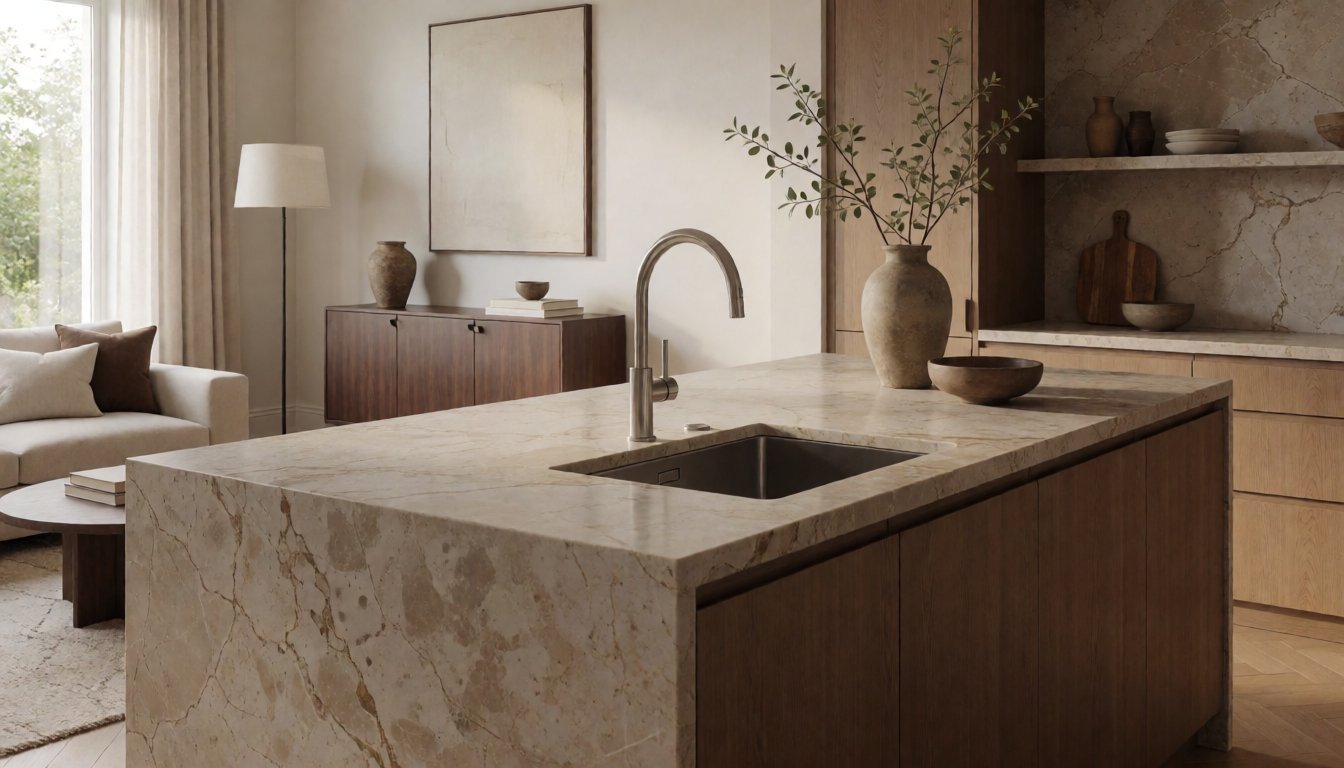
Do not assume all stones carry the same margin potential. Rare veining patterns in marble or engineered stones with unique textures often command higher retail prices, allowing for better margins even if the raw material cost is similar to standard granite. Always ask for a detailed breakdown: base stone cost, fabrication fee, packaging, and shipping. Hidden costs in freight can easily eat 10% of your projected profit if you are not prepared for them.
The Reality of Marble Wholesale MOQs
The phrase “minimum order quantity” often scares new importers into thinking they must buy a container load immediately. However, the reality of working with a stone wholesaler is much more flexible than standard manufacturing orders. While a custom fireplace slab might require a full 20-foot container, smaller items like side tables or bathroom sinks can be ordered in small batches.
At Gladystone, we understand that testing a market is vital before scaling up. A reasonable starting MOQ for a specific model of bathroom sink could be as low as 10 to 15 pieces. This allows you to test three different color variations without locking yourself into buying 50 units of just one finish. If you are importing decorative items like stone candle holders or planters, the MOQ might drop even further to 50-100 units across various styles.
Be prepared for logistics constraints when dealing with lower quantities. Shipping containers come in fixed sizes; if you order only 10 sinks, empty space will remain unused, raising your per-unit shipping cost. Smart buyers often combine orders from multiple suppliers or mix small items with larger fixtures like vanities to maximize container utilization. Ask your supplier about “less than container load” (LCL) options or consolidated shipping services. They should be able to tell you the exact weight and volume of a mixed order so you can calculate freight accurately.
Negotiating Exclusivity and Design Rights
Exclusivity is the ultimate competitive advantage in the stone industry, but it comes with strings attached. Securing exclusive rights to a specific design or colorway means no other retailer in your territory (e.g., North America) can sell that exact product. This protects your brand identity and prevents price wars on your Shopify store.
True exclusivity usually requires meeting higher volume thresholds. You might need to commit to an annual purchase value of $50,000 or a specific MOQ per quarter to qualify. In exchange, the manufacturer agrees not to sell that specific design to your competitors. This is common for unique marble veins or custom-colored quartzite blends. Without exclusivity, you risk finding the same “popular” grey granite vanity on Amazon or another marketplace within weeks of launching it.
When negotiating this, define the scope clearly. Does the exclusivity apply only to the exact size and color, or does it cover the entire product line? A supplier might grant you exclusivity on a specific dining table shape but allow others to sell their standard versions. Ensure your contract specifies the duration—typically 1 to 3 years—and what happens if your sales targets are missed. Some agreements include performance clauses where if you fail to meet a sales target, the exclusive right reverts to being available for all customers.
Quality Control and Lead Time Expectations
Even with perfect margins and low MOQs, poor quality control will destroy your reputation. Natural stone varies naturally; some slabs may have hidden cracks or uneven polishing that only appear after installation. A professional stone wholesaler must provide a rigorous QC process. Ask to see photos of the slab selection before cutting begins. For items like bathtubs, request water leak test reports and finish samples.
Lead times are another critical factor that affects your cash flow and customer satisfaction. Standard lead times for stocked items from a factory like Gladystone can range from 10 to 15 days after payment. Custom fabrication orders, especially for large dining tables or fireplaces requiring specific slab cutting, typically take 30 to 45 days. Shipping an entire container of marble can add another 25 to 35 days depending on the port and customs clearance in the US or EU.
Always factor in a buffer zone. If you need items by a specific date for a home show or holiday season, do not rely on the optimistic estimate given during sales pitches. Communicate your deadlines early so the factory can prioritize production lines. Ask about their capacity to rush orders if you face urgent demand spikes. A transparent supplier will tell you exactly how many days extra are needed for expedited shipping versus standard routes.
Building a Long-Term Partnership
Ultimately, working with a stone wholesaler is about building a relationship that evolves as your brand grows. Start small with a modest MOQ to validate the product quality and customer response in your market. Use the data from your initial sales to negotiate better terms for the next order. As your volume increases, you can discuss lowering the unit price or expanding your exclusive portfolio.
Remember that the best stone distribution partners act as consultants, not just vendors. They should advise you on trending colors, seasonal demands, and potential issues with specific stone types. By focusing on realistic expectations regarding margins, MOQs, and exclusivity, you set a foundation for a profitable and stable import business. Whether you are sourcing vanities for interior designers or dropshipping unique decor items to consumers, the fundamentals of smart sourcing remain the same: know your numbers, verify your quality, and protect your niche.