Choosing between natural stone and engineered materials for your bathware line requires more than just aesthetic preference; it demands a clear understanding of manufacturing processes, structural integrity, and total landed cost. As an importer sourcing for the US or EU market, you are balancing retail price points against durability expectations. The debate often centers on the solid stone bathtub versus the composite stone tub. While both offer a premium look, their internal architectures differ significantly, impacting shipping weight, breakage rates during transit, and long-term maintenance costs for your end customers.
Material Composition and Structural Integrity
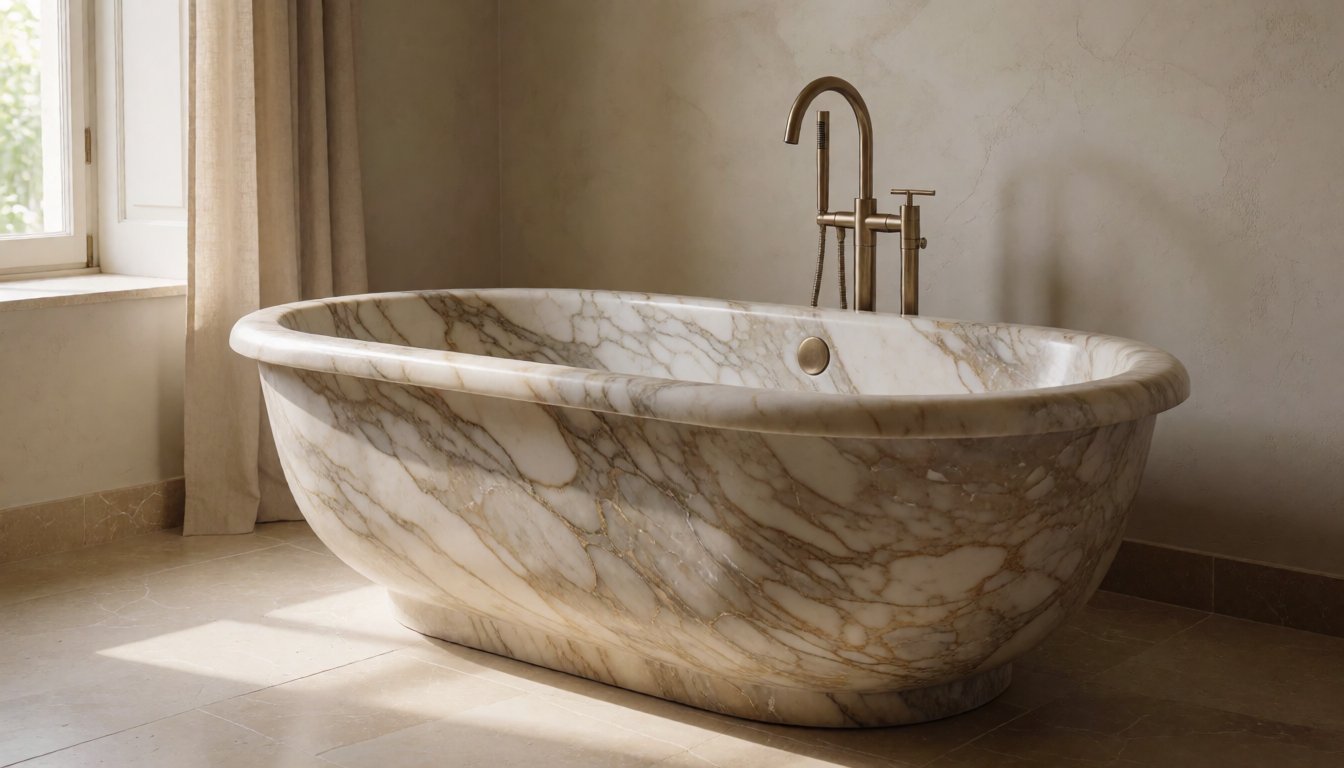
The fundamental difference lies in how the material is formed. A true solid stone bathtub is carved or molded from a single block of natural stone like marble, granite, or quartzite. In our factory, we typically source blocks ranging from 150kg to over 300kg depending on the vein thickness. For a standard rectangular tub measuring roughly 170cm x 80cm x 45cm, a solid marble unit can weigh between 250kg and 350kg. This massive density provides incredible thermal mass but creates a logistical nightmare for dropshippers.
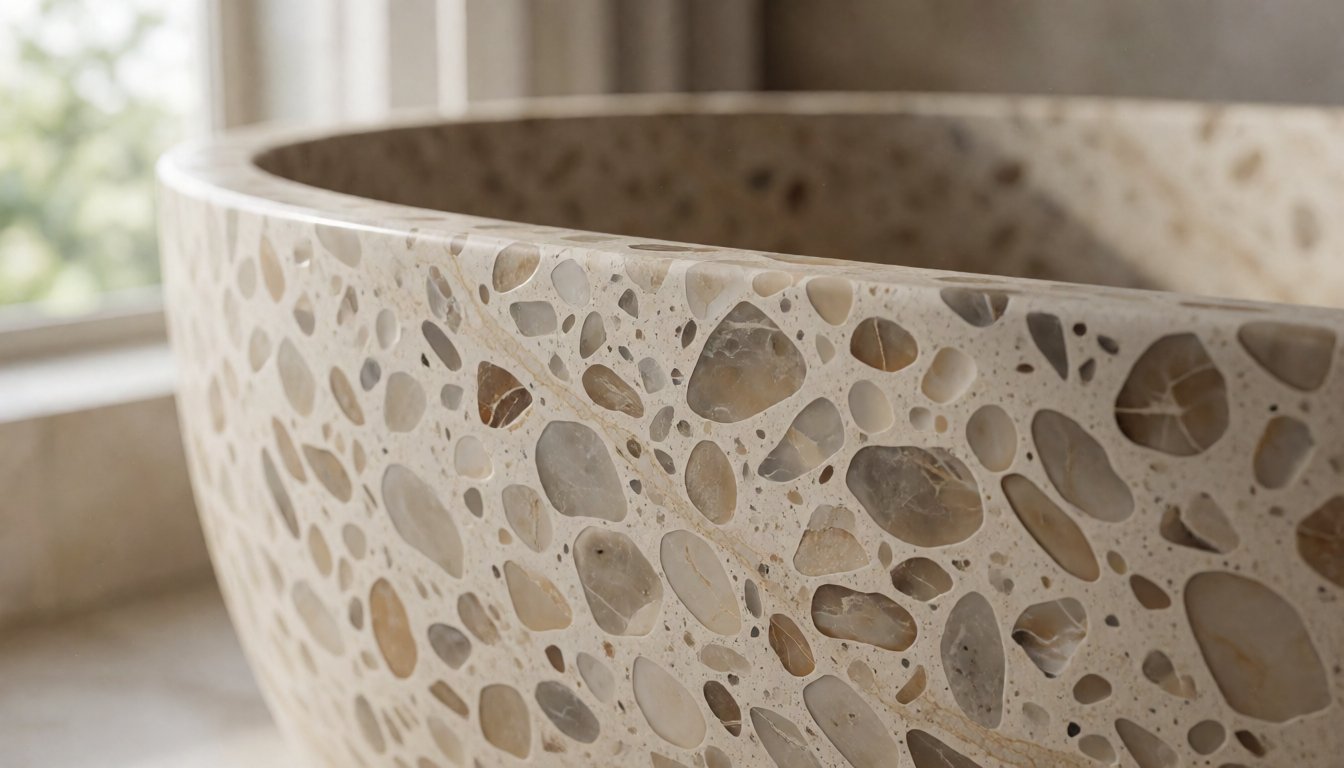
In contrast, a composite stone tub is an engineered product. We manufacture these using crushed natural stone particles (usually 10-30mm) mixed with a high-strength resin binder, often polyester or epoxy. This mixture is poured into molds under vacuum pressure to eliminate air pockets. A comparable composite unit of the same dimensions might weigh only 45kg to 65kg. That weight reduction alone can lower your freight costs by nearly 80% when shipping from China via ocean freight.
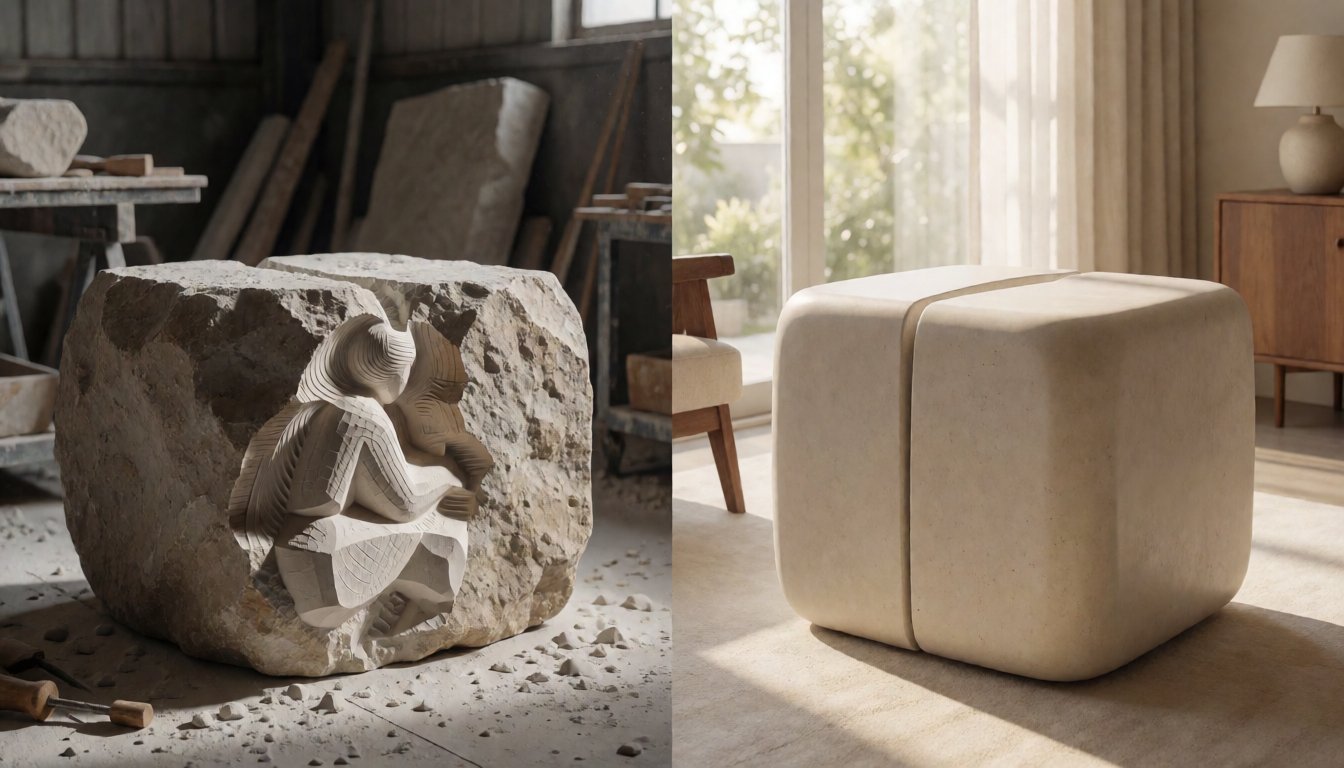
When evaluating marble tub construction, you must distinguish between full-carve methods and cast stone. Full-carve is rare for standard sizes due to block limitations. Instead, we often use a hybrid approach where the basin is poured in molds using natural stone aggregates, then polished to mimic depth and veining found in solid stone. This process allows us to maintain the visual authenticity of natural mineral deposits while controlling structural consistency. The resin matrix in composite materials acts as a flexible skeleton, reducing the risk of catastrophic cracking if the tub lands with a slight impact during unloading, which frequently happens with heavier natural stone shipments.
Thermal Performance and Finish Longevity
End consumers often complain about cold water retention or chipped edges. These issues stem directly from material properties. Natural stone conducts heat quickly but also loses it fast. A solid stone bathtub filled with hot water will feel warm initially, but the surrounding stone cools rapidly if the ambient temperature is low, leading to a faster drop in water temperature. Conversely, composite materials with higher resin content can insulate better, keeping water warmer for longer periods without needing massive stone mass.
Finish durability is another critical metric for your quality control team. Natural stone is porous. Without a high-quality impregnating sealer applied after installation, it can stain from oils, wine, or cosmetics within weeks. Our composite lines come with factory-applied sealers that are baked into the surface during the curing process. While the resin surface of a composite stone tub can scratch under heavy use, it is generally non-porous and easier to clean than unsealed natural stone.
For your white-label clients, explain that scratches on composite materials are often micro-scratches that do not penetrate deep into the aggregate structure. With proper care and occasional polishing with a fine abrasive pad, they return to like-new condition. Natural stone scratches can sometimes be honed out, but it requires professional labor. From a cost perspective, offering a product line that includes both options allows you to target different price brackets: high-end luxury clients seeking the prestige of raw material, and volume buyers looking for durability and lower freight costs.
Manufacturing Lead Times and Minimum Order Quantities
Lead times vary significantly based on production capacity and order complexity. For solid stone bathtubs, we typically operate on a made-to-order basis because each piece is unique, carved from specific blocks with natural variations. Expect lead times of 45 to 60 days for standard sizes once the deposit is paid. The variability in block quality means that if a block has a hidden fissure or an undesirable vein pattern, it may need to be rejected, delaying production.
Engineered composite stone tubs allow for much tighter scheduling. Since we use molds and consistent raw material mixes, we can produce units with greater predictability. Standard lead times for our composite lines range from 30 to 40 days for orders of 5 to 10 pieces per size/color combination. We also support higher volume runs; for orders exceeding 50 units of a specific SKU, we often offer expedited production slots that can reduce this window to roughly 25 days.
Regarding Minimum Order Quantities (MOQ), our policy is flexible for new partners. For solid stone, the MOQ is usually one piece per size due to the high cost of raw material waste if a block is scrapped. However, for composite stone, we recommend ordering at least 3 to 5 units initially to test market response before committing to larger batches. If you are dropshipping directly to retailers, start with small quantities of the composite line to mitigate inventory risk. Once sales stabilize, you can negotiate lower MOQs or bulk discounts on natural stone lines where the value per unit justifies the higher upfront investment in raw materials.
Shipping Logistics and Risk Management
The weight difference is the most immediate impact on your bottom line. Shipping a 300kg marble tub requires reinforced packaging, often involving heavy wooden crates with corner protectors and excessive void fill to prevent movement during sea transit. Insurance claims for broken natural stone are frequent and costly, sometimes exceeding the value of the individual unit.
Our composite units are designed for safer transport. We use double-layer corrugated cardboard boxes with internal foam inserts specifically engineered for these 50kg units. While they still require careful handling, the risk of total loss is significantly lower. When calculating your landed cost, factor in the difference between LCL (Less than Container Load) and FCL (Full Container Load). A full container of heavy stone might only hold 20-25 pieces depending on palletization, whereas a container of composite tubs can accommodate 40-50 units.
Always request a detailed packing list that specifies the gross weight and dimensions for every SKU. For solid stone, insist on FCL shipping to minimize handling points, as breakage risk multiplies with every truck transfer. For composite stone, LCL is often viable if your order volume supports it, allowing you to test new product variations without filling an entire container.
Final Considerations for Your Sourcing Strategy
Ultimately, the choice between a solid stone bathtub and a composite stone tub depends on your target market’s priorities. If your clients value the exclusive feel of raw geological material and are willing to pay a premium for it despite higher maintenance, natural stone is the answer. If your focus is on volume, consistent quality control, and lower logistical overhead, engineered composite stone offers a superior product-to-cost ratio.
Many successful brands utilize a mixed approach. They stock a few exclusive solid stone designs in natural marble or quartzite to drive brand prestige, while their core catalog consists of durable composite stone tubs that offer the visual depth of real stone at a fraction of the freight cost. By understanding these construction details, you can accurately price your products, manage customer expectations regarding care instructions, and build a resilient supply chain that withstands the demands of the B2B market.