Selecting the right stone side table styles for your dropshipping catalog or white-label collection requires more than just aesthetic preference. As an importer sourcing from China, you need to evaluate structural integrity, dimensional accuracy, and shipping logistics before committing to a bulk order. The current market favors versatility; buyers want pieces that fit both modern minimalist lofts and traditional living rooms. At Gladystone, we manufacture three primary categories that define this segment: the classic marble pedestal table, versatile round tops, and unique sculptural forms. Understanding the specifics of each form helps you price your inventory correctly and manage customer expectations regarding weight and lead times.
The Marble Pedestal Table
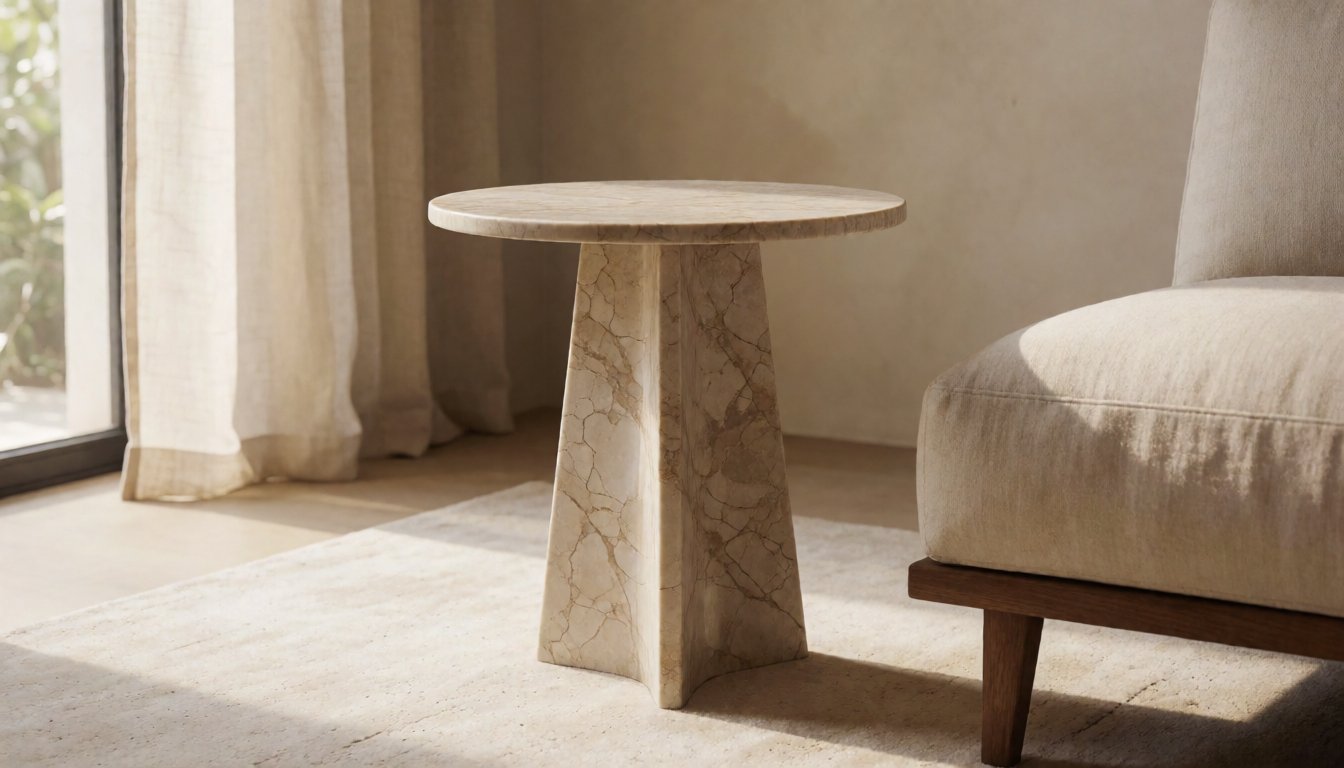
The marble pedestal table remains a staple in high-end interior design because it offers a strong visual anchor without dominating a room’s footprint. This style typically features a single central column supporting a circular or square top. From a manufacturing standpoint, the pedestal is often carved from a solid block of stone or cast using high-precision molds to ensure stability.
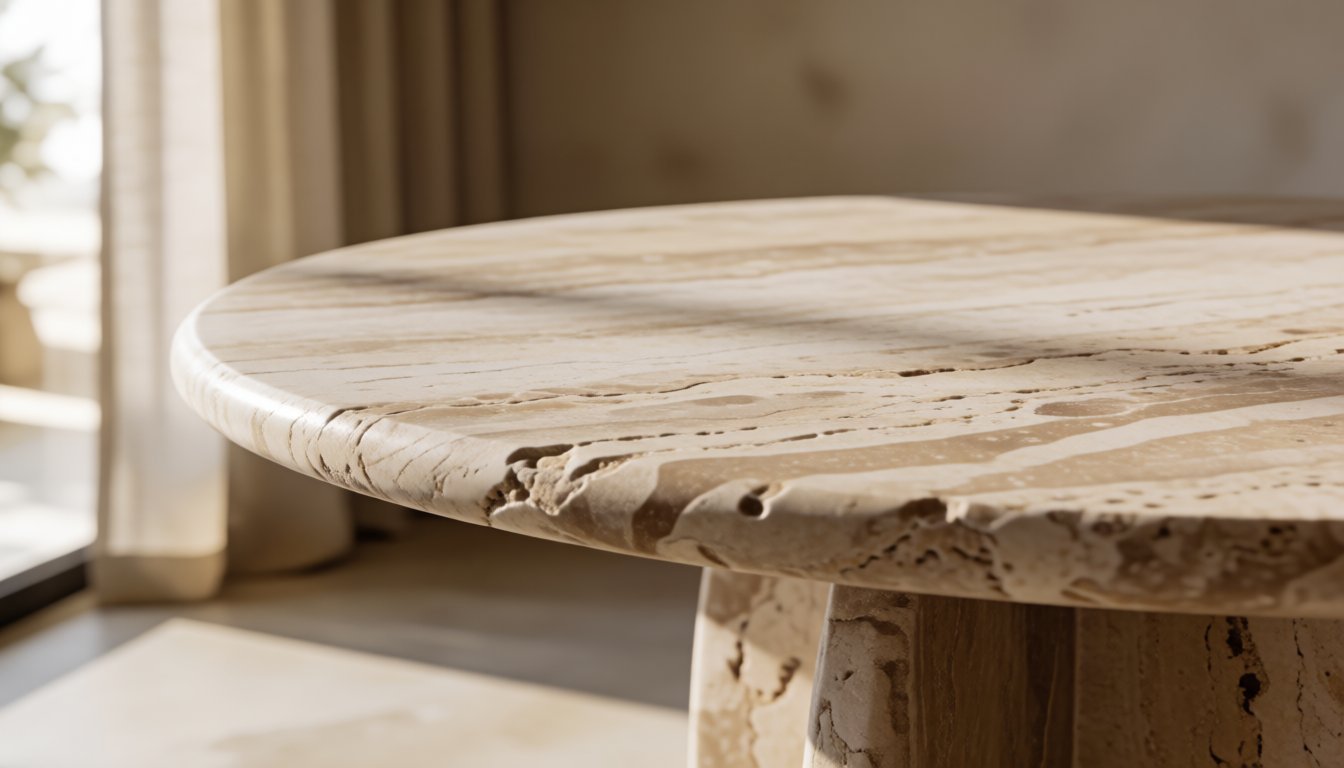
For your sourcing needs, standard dimensions for these units usually range between 50cm and 60cm in diameter for the top, with a height of roughly 45cm to 50cm. The pedestal itself can vary from 25cm to 35cm in width depending on whether you choose a solid stone column or a metal insert with a stone surround.
Key Cost Factors:
* Material Thickness: Pedestals often require thicker slabs (2cm to 3cm) to prevent cracking under the weight of books or lamps. This adds roughly $15–$25 per unit to material costs compared to thinner decorative tops.
* Grain Direction: If you source marble, ensure the grain runs vertically up the pedestal to minimize visible veering on the sides. Random veining is acceptable but requires better quality control during cutting.
* Shipping Weight: A standard pedestal table weighs between 25kg and 35kg. This makes it a heavy item for air freight but manageable for ocean LCL (Less than Container Load). Expect lead times of 18 to 25 days for production plus 30 to 45 days for shipping depending on your destination port.
When negotiating with suppliers, ask if they offer modular pedestals where the stone top can be swapped with different finishes later. This flexibility is crucial for dropshippers who want to test multiple designs without holding massive stock levels of every color variant.
Round Stone Side Tables
Round side tables are easier to ship and install than rectangular counterparts because they lack sharp corners that can chip during transit or installation. These pieces often utilize a single slab cut into a circle or a multi-layered stack design. The simplicity of the round form allows for higher volume production with fewer defects, generally lowering your cost per unit by 10% to 15%.
Standard Specifications:
* Diameter: Common sizes are 40cm, 50cm, and 60cm. Larger custom cuts over 80cm require specialized sawing equipment and increase lead times significantly.
* Thickness: Most buyers prefer a thickness of 1.2cm to 1.5cm for round tops, though 2cm is preferred for heavier stones like granite or quartzite to prevent sagging on long pedestals.
* Edge Profiles: The edge treatment impacts price. A simple flush cut is cheapest, while a polished bullnose or beveled edge adds $8–$12 in finishing costs.
For white-label brands, round tables offer an advantage in packaging. They can be stacked vertically during transport with minimal risk of corner-to-corner impact damage. However, ensure your supplier uses protective foam inserts that cover the entire perimeter, not just the bottom. A 50cm round table typically weighs around 18kg to 22kg depending on density. This lighter weight allows you to offer better margins on air-freighted samples or urgent restocks.
Sculptural and Organic Forms
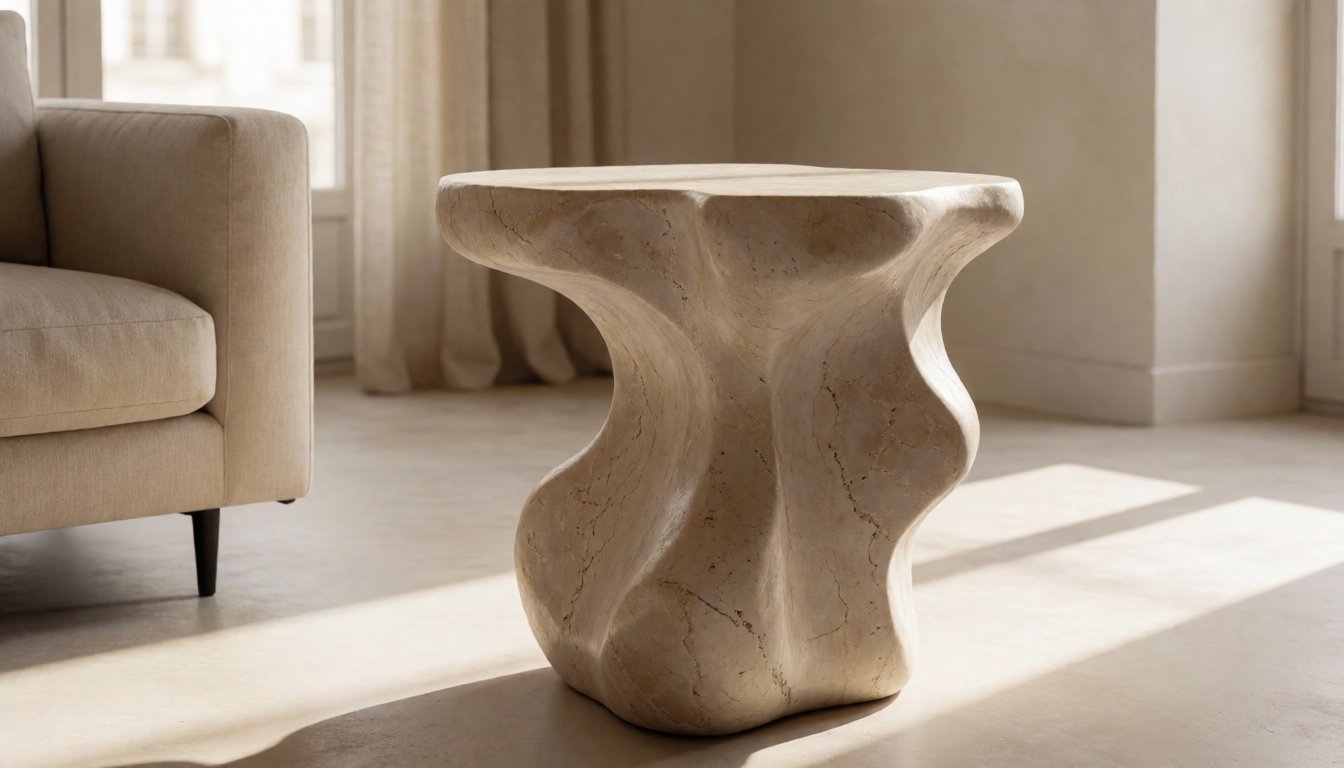
Sculptural side tables represent the highest margin category but also carry the highest risk of quality rejection. These pieces feature irregular shapes, asymmetrical legs, or embedded raw stone elements that mimic natural river rocks or abstract art. They are often carved specifically for a design project rather than mass-produced from standard molds.
What to Check:
* Symmetry and Balance: Even organic shapes must be perfectly balanced on their base. Ask suppliers for photos of the actual finished product, not just CAD renderings. Uneven weight distribution is a common failure point in sculptural designs.
* Surface Consistency: These tables often expose raw stone textures alongside polished areas. Ensure the supplier has a consistent polishing process so that no piece looks unfinished or dusty.
* Lead Time Variance: Because these are often carved individually or from specific slab remnants, lead times can fluctuate by 10 to 14 days compared to standard stock items.
Pricing for sculptural forms is highly dependent on the rarity of the stone and the complexity of the carving. Expect unit costs to be 30% higher than standard round tables. If you are dropshipping these, clearly state in your product descriptions that each piece is one-of-a-kind regarding veining and shape. Do not promise exact color matches between images and received goods unless you use a strict tolerance clause in your contract with the factory.
Final Sourcing Considerations
When finalizing your order for any of these stone side table styles, prioritize structural safety over aesthetic novelty. A cracked pedestal or a top that wobbles will result in immediate returns and damage to your brand reputation. Always request samples before committing to a 500+ piece order to verify the actual weight and finish quality against your specifications.
Gladystone can handle complex orders involving mixed styles, ensuring that your inventory remains balanced across pedestal, round, and sculptural lines. By understanding the specific dimensional constraints and shipping weights of each style, you can optimize your logistics budget and deliver a premium product experience to your US and EU customers.