Choosing between a round or rectangular vessel sink determines the entire visual language of your bathroom vanity. For importers and brands sourcing from China, this decision impacts material yield, shipping volume, and installation complexity more than you might expect. At Gladystone, we manufacture both forms with equal precision, but the right choice depends on your specific vanity layout and target market design trends. This guide breaks down the practical differences in dimensions, weight logistics, and production costs to help you select the best vessel sink shape for your business model.
Maximizing Stone Yield with Round Designs
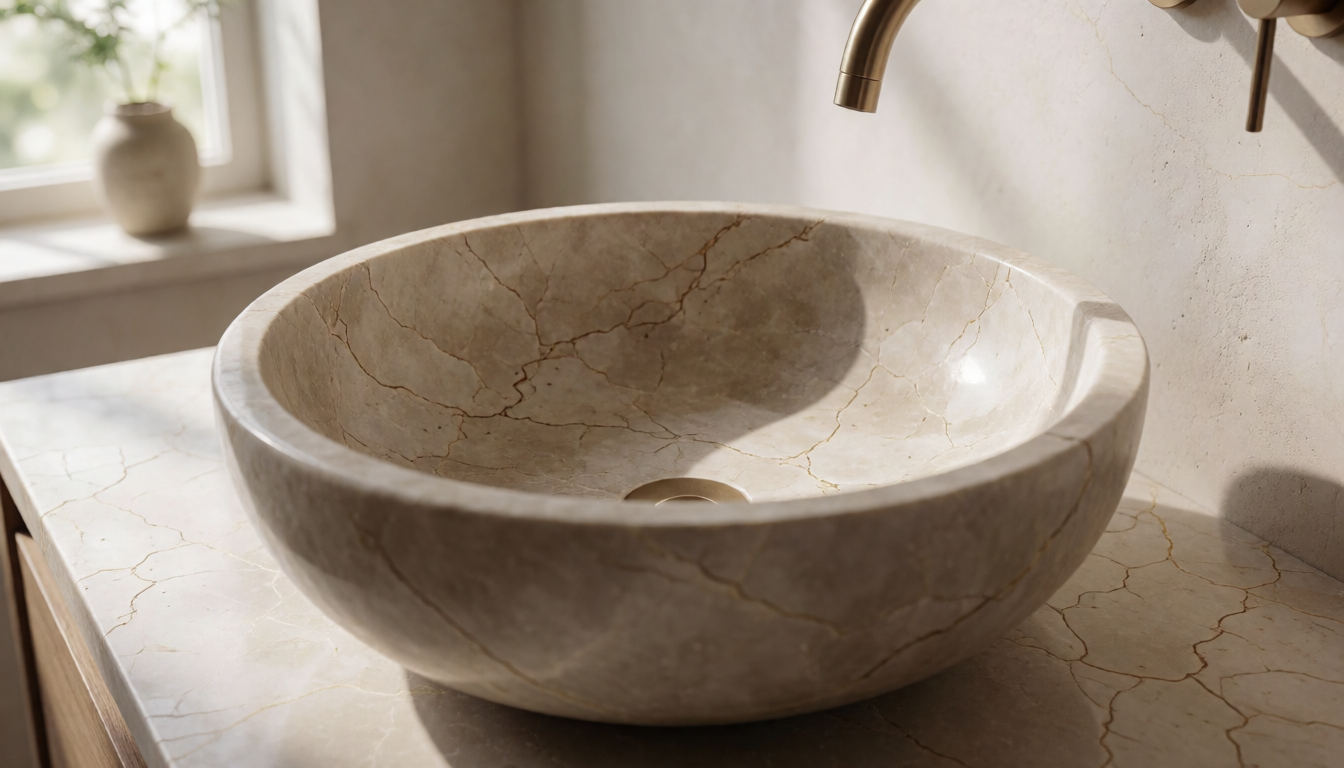
Round marble vessel sinks often offer a slight advantage in material efficiency, though it depends heavily on slab availability. When cutting a circular basin from a standard 305 cm (120 inch) wide slab, you generally waste less surface area around the perimeter compared to a long rectangle of similar footprint.
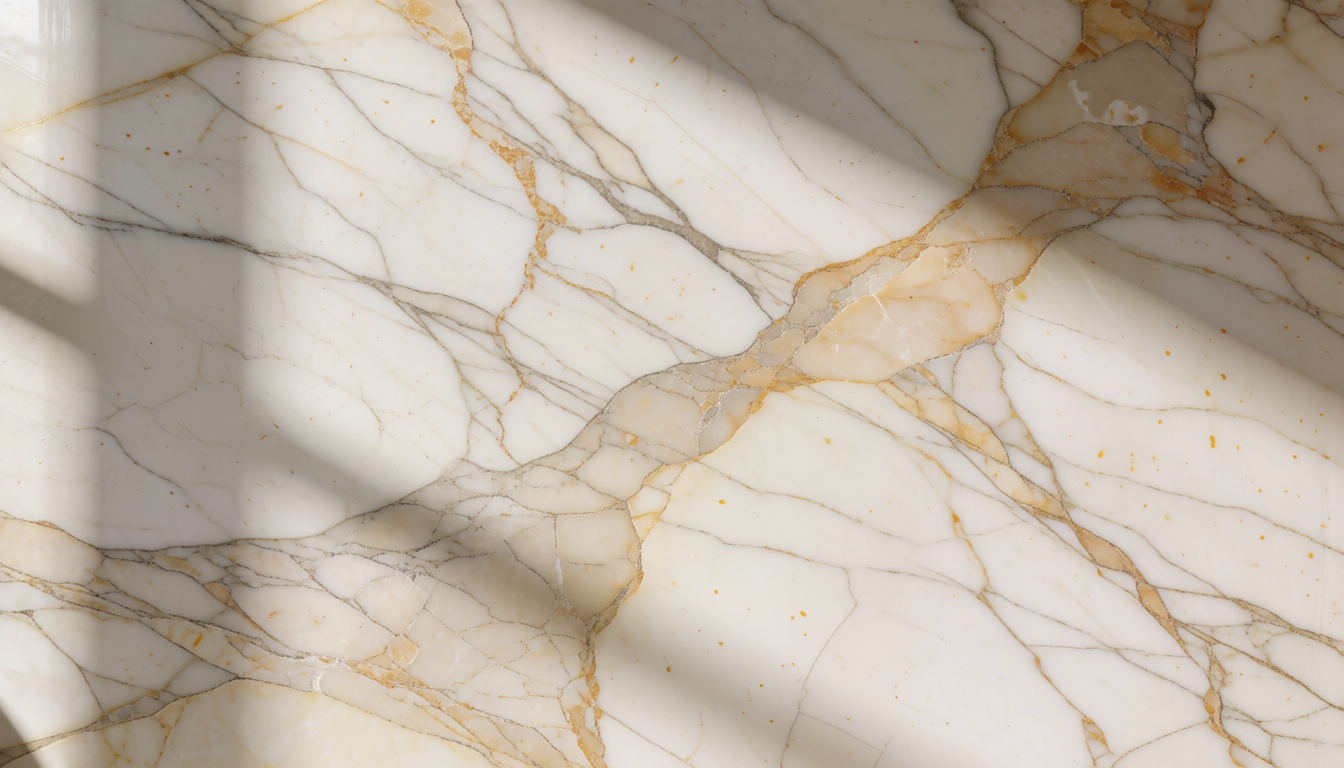
A typical round vessel sink measures roughly 40–50 cm in diameter with a depth of 15–20 cm. A single large Calacatta Gold slab can yield two or three units depending on the thickness and vein placement. However, if your vanity requires a specific oval shape to fit a curved corner, that cuts into yield significantly.
Weight is a critical factor for shipping costs. A standard round marble vessel sink usually weighs between 12–18 kg. While this seems low, the irregular shape of some custom rounds can make palletizing tricky compared to uniform rectangles. If you are dropshipping small batches, the weight variance matters less. For wholesale container loading, sticking to standardized dimensions reduces packing voids.
The Efficiency of Rectangular and Oval Forms
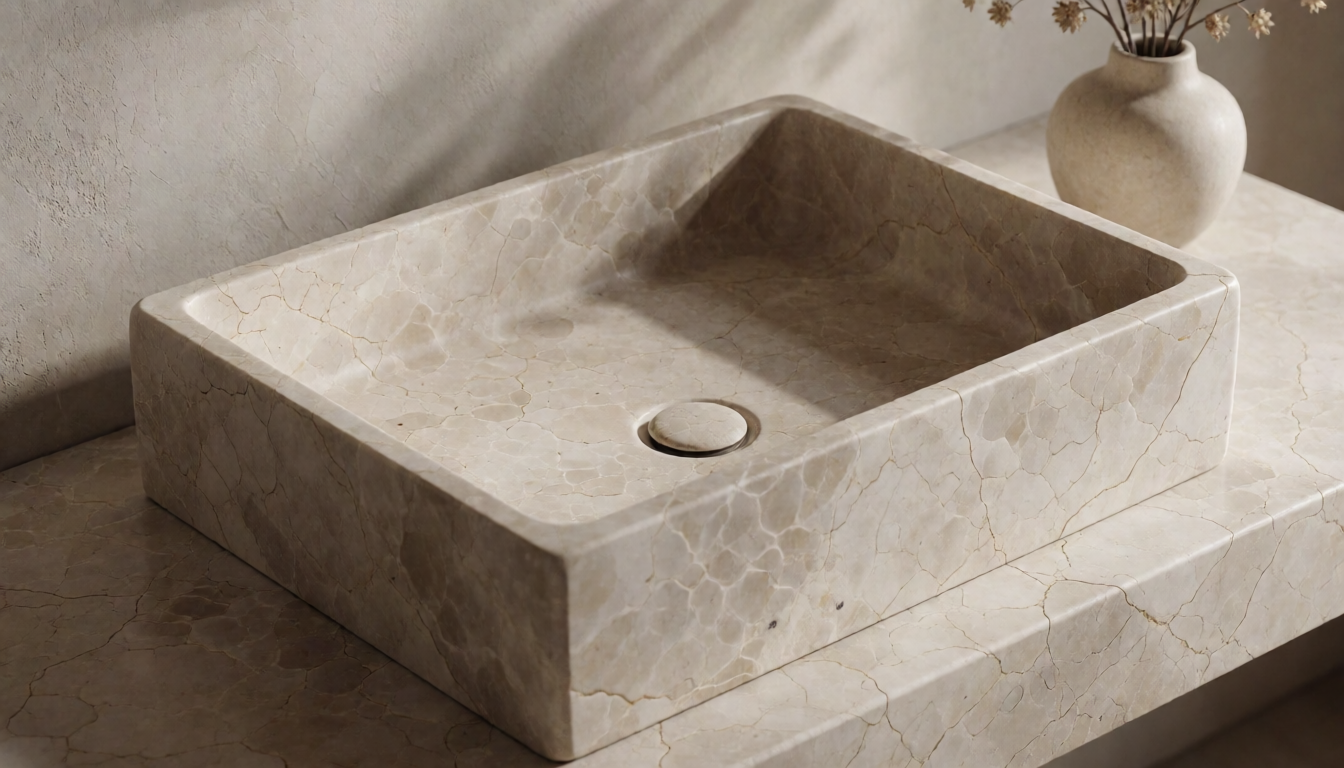
Rectangular marble vessel sinks dominate modern vanity lines because they offer predictable dimensions and high production speed. These basins often feature sharp corners or soft rounded edges, with lengths ranging from 60 cm up to 90 cm for double-vanity setups.
The rectangular shape allows for better use of smaller slabs that do not meet the width requirements for a full round basin. If a slab is only 120 cm wide and heavily veined, cutting a long rectangle might be more economical than attempting a large circle. The resulting weight usually falls between 15–25 kg depending on thickness and stone type.
Oval variations sit in the middle ground. They are harder to cut from rectangular slabs because the curve follows a different radius than the slab edges. This often increases production time by roughly 10–15% compared to standard rectangles. For brands targeting minimalist interiors, the rectangular shape is safer. It aligns perfectly with linear cabinetry and avoids awkward gaps at corners.
Impact on Vanity Dimensions and Installation
The vessel sink shape dictates the minimum vanity size required for a functional installation. A round marble vessel sink requires clearance around its circumference. If the diameter is 50 cm, you need at least 10–15 cm of counter space on all sides for plumbing access and drying hands. This often means a compact vanity of 60–70 cm width is sufficient.
Rectangular sinks have different spatial needs. A standard 60 cm wide rectangular basin needs the full length of that counter section. It cannot sit in a corner without custom cutting, which increases lead time by 3–5 days. Double vanities almost exclusively use rectangular or oval basins to maintain symmetry.
For interior designers working with small powder rooms, the round shape is usually the better recommendation. It creates a softer visual flow and fits into alcoves where a straight edge would look abrupt. However, for large primary baths, the rectangular shape offers more depth options. A deep 25 cm rectangular basin feels more luxurious than a shallow 18 cm round one, provided the vanity height supports it.
Cost Factors and MOQ Considerations for Buyers
Pricing varies significantly based on stone type and cut complexity. Roughly speaking, a standard white marble round sink costs $45–$65 per unit depending on volume. A rectangular sink of similar material often falls in the $50–$75 range because the cutting process requires more precision to maintain straight edges without chipping.
If you choose exotic stones like Statuario or Nero Marquina, the price jump applies to both shapes. However, the yield loss on large exotic slabs for rectangular cuts can be higher if the veins run diagonally across the slab length. This pushes the cost per unit up by 15–20% for complex rectangular designs.
Minimum Order Quantities (MOQ) often favor rectangular shapes in our production line because they are easier to stack and ship. A container load of round sinks requires custom packing arrangements to prevent rolling or shifting, which increases freight charges. Rectangular sinks pack tightly into standard Euro-pallets with minimal air gaps. For dropshippers ordering low volumes, we can mix round and rectangular units in one order, but the unit price will reflect the mixed cutting complexity.
Final Selection Criteria for Your Brand
Your final choice should align with your brand’s aesthetic direction and logistical constraints. If you specialize in small apartment renovations or boutique hotels, lean toward round marble vessel sinks for their space-saving benefits and softer appeal. They also tend to show less water spotting on certain polished finishes.
For luxury residential projects and hotel chains, rectangular marble vessel sinks remain the industry standard. They offer a sense of grandeur that matches large vanities and allow for deeper basins. Ensure your suppliers can deliver consistent quality across both shapes, as edge chipping is more likely on the sharp corners of rectangles during transit.
At Gladystone, we maintain strict quality controls for both vessel sink shapes to ensure durability in humid environments. Ask your supplier about their slab sourcing strategy; knowing how they maximize yield from imported slabs can give you a clearer picture of long-term pricing stability. Ultimately, test samples of both shapes to see which edge profile complements your specific vanity hardware and countertop edges before committing to a bulk order.