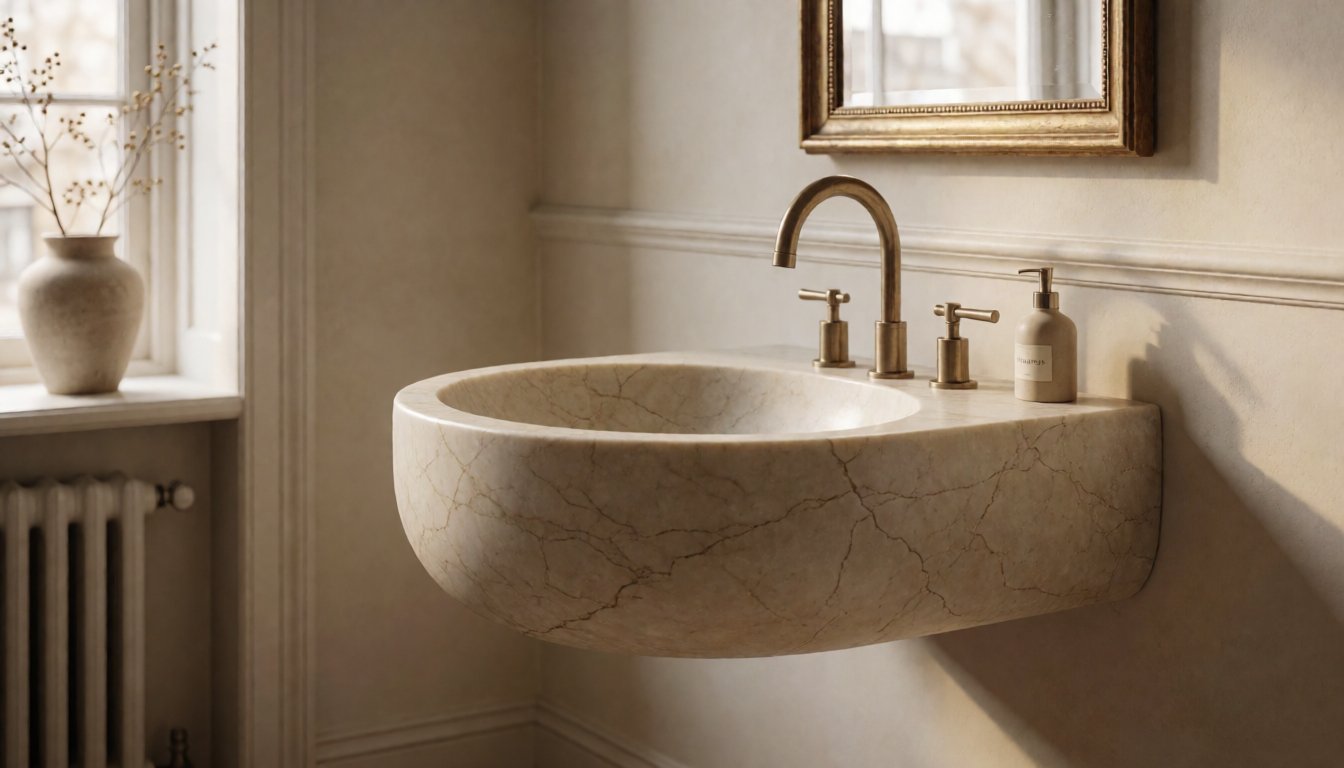
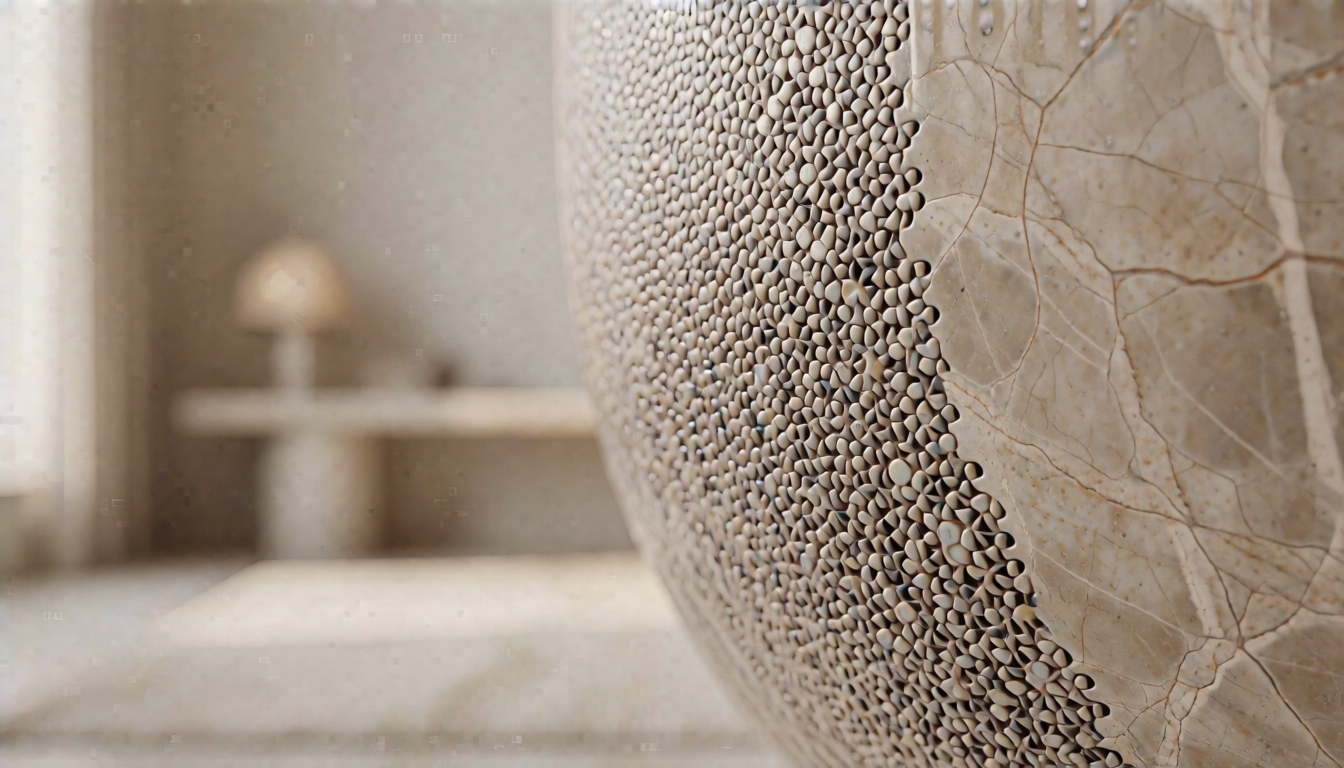
Choosing between natural stone and engineered materials is one of the most critical decisions for a B2B buyer sourcing bathroom fixtures. For dropshippers, wholesalers, and interior designers importing to the US or EU, the choice isn’t just aesthetic; it dictates your profit margins, shipping logistics, and customer return rates. At Gladystone, we manufacture both marble sink bowl units and ceramic basins daily. Understanding the physical differences helps you sell the right product for the right price point.
Structural Weight and Shipping Costs
The first thing you must calculate before placing an order is the weight impact on your freight bill. A standard marble basin sink typically weighs between 15 to 25 kg depending on thickness and shape. In contrast, a high-quality ceramic sink usually falls between 8 to 12 kg for similar dimensions.
This weight difference changes everything regarding logistics. If you are shipping via sea freight from our factory in China to your warehouse in the US or Europe, every extra kilogram adds to your container costs. For example, a 40-foot container might hold roughly 35 ceramic sinks of a specific size versus only 20 marble sinks of the same volume.
When building your landed cost model, factor in that stone is fragile but dense. It requires reinforced palletizing and careful handling instructions. Ceramic is lighter but prone to cracking if dropped during unloading. Your shipping line charges based on volumetric weight for ceramics, but actual gross weight for marble often exceeds these calculations because the density of natural stone is so high. Always ask your forwarder about “heavy cargo” surcharges when planning a marble shipment.
Durability and Return Rate Risks
Buyers often assume ceramic is cheaper because it looks similar to stone at first glance. However, durability affects your return rate significantly. Marble is naturally porous and softer than ceramic. A customer might scratch a marble sink bowl with metal jewelry or cutlery if they are not careful. This does not happen with porcelain or high-fire clay ceramics.
If you sell stone products without educating your end-consumer, you will face returns for “chipping” or “scratching.” You must provide clear care instructions in your packaging inserts. For ceramic units, the risk of micro-cracking during transit is higher due to their hollow structure and glaze brittleness. Stone tends to hold up better under impact once installed, but it demands a more delicate installation process by the plumber.
Wholesalers should consider which demographic you are targeting. Luxury buyers expect marble’s veining and appreciate its softness. Budget-conscious consumers buying online might prefer the scratch resistance of ceramic. If your Shopify store sells both, segment your marketing: show stone to high-end interior designers and emphasize durability benefits for mass-market dropshippers.
Pricing Margins and MOQ Flexibility
Cost per unit varies wildly between these two materials. Natural stone is priced by kilogram and slab size. A marble basin sink carved from a single block of Calacatta or Carrara costs more to produce than one cut from a standard porcelain tile. However, the raw material cost for ceramic fluctuates based on clay prices and fuel costs at the kiln.
Typically, a basic white ceramic sink might retail between $40 and $60 depending on your brand markup. A comparable marble unit often retails between $120 and $180. This gap allows stone brands to command higher margins if you position them correctly. However, your Minimum Order Quantity (MOQ) will differ. We can supply small batches of ceramic sinks for new dropshipper lines with MOQs as low as 5–10 pieces per style. Marble requires larger blocks; mixing colors and veining patterns is harder in stone.
If you want to offer a “mix-and-match” collection, ceramic is the safer bet for inventory management. You can stock five different designs without worrying about unique veining patterns that might not sell. With marble, every sink has a unique grain. This uniqueness adds value but complicates inventory planning. If a customer wants a specific grey vein, you cannot simply swap it for another piece of the same “Grey Marble” batch; that slab is one-of-a-kind.
Installation Complexity and After-Sales Support
One major complaint from DIY buyers or less experienced plumbers concerns installation difficulty. Installing a marble sink bowl often requires precise leveling on a vanity top because the stone can be uneven naturally. If the back of the basin isn’t perfectly flat, it won’t seal against the countertop without specialized adhesives.
Ceramic sinks come with factory-milled mounting holes and flanges designed for standard P-trap connections. They are generally “drop-in” ready. This ease of installation reduces your customer support calls. If a buyer struggles to install your product, they may return it or leave a negative review claiming poor quality.
Also consider the drilling and cutting requirements. Stone is often drilled after delivery using diamond-tipped bits. Ceramic can sometimes be drilled with standard carbide bits, though care must be taken not to shatter the glaze. If you include installation videos on your website, specify which tools are needed for each material type. This transparency builds trust with your B2B partners who need to explain the product to their clients.
Final Recommendation for Sourcing
When deciding whether to stock stone or ceramic, look at your specific sales channel. Dropshippers targeting high-net-worth individuals should push marble sink bowl options because the perceived value justifies the price premium. Wholesalers supplying big-box retailers will find stone vs ceramic sink dynamics favor ceramic for volume and lower return rates due to durability.
At Gladystone, we can customize both lines. We can apply resin coatings to marble to reduce porosity or texture the surface of ceramics to mimic stone veining. Ask us about hybrid options that combine the look of natural stone with the weight and strength of engineered materials. Always request samples before committing to a large container load. Check the soundness of the ceramic glaze and the polish of the stone edge. These small details determine if your customers will be satisfied or filing complaints within weeks of installation.