Installing a marble vessel sink powder room setup transforms a small utility space into a high-end focal point. For US and EU importers sourcing this furniture, the decision isn’t just about aesthetics; it is about structural integrity, weight management, and finishing details that survive daily use. A typical vessel sink from a factory like Gladystone weighs between 8 to 15 kg depending on thickness and basin depth. This mass requires specific countertop support structures, usually stone brackets or reinforced glass shelves, rather than standard adhesive clips found in cheap bathroom fixtures. When styling the room around such a heavy piece, your focus shifts from simple decoration to creating a cohesive environment where the sink acts as a sculpture.
Structural Requirements and Installation Logic
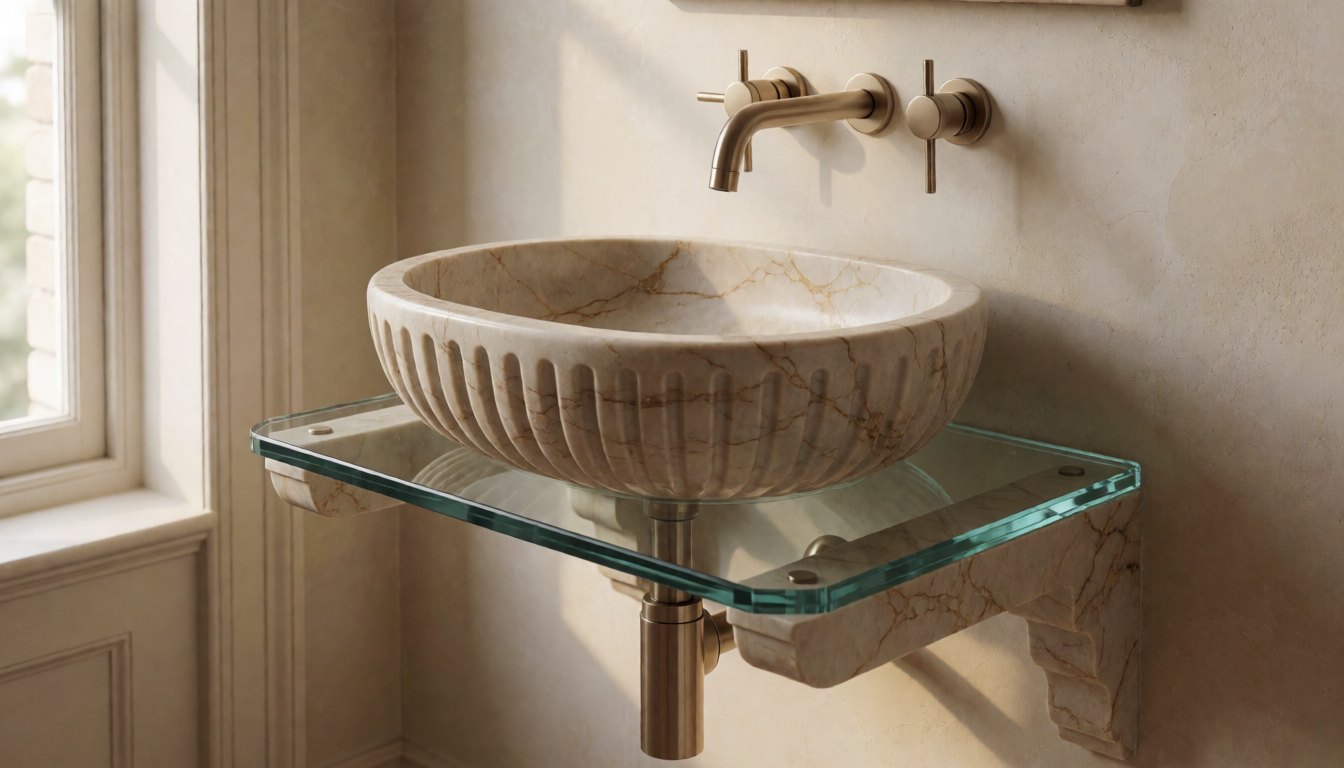
Before discussing paint colors or lighting, you must address the physics of the installation. A stone vessel sink sits entirely on top of the counter. If the countertop material is glass or thin quartz, the sink’s weight can cause cracking over time. Standard practice for our 10-15 kg basins involves a custom shelf made from tempered glass (8mm to 12mm) or a secondary stone slab.
Importers should verify that the supplier provides mounting hardware rated for at least 40 kg of distributed weight. This includes metal brackets hidden beneath the counter or integrated into a vanity base. For a powder room, where water usage is lower than in a main bath, the risk of overflow is minimal, but the structural load remains constant. Ask your supplier about the specific mounting points on the back of the vessel. Most natural stone pieces have pre-drilled holes for plumbing, but these must align perfectly with the waste pipe.
When sourcing from China, specify if you need a built-in strainer basket or if you will install one separately. Many high-end vessels come with a decorative overflow hole that needs to be connected to the drain line. Failure to connect this can lead to flooding within seconds of filling the basin. Proper installation also requires a silicone bead around the rim to prevent water seepage into the vanity cabinet below, which could rot wooden substrates.
Material Selection and Veining Patterns
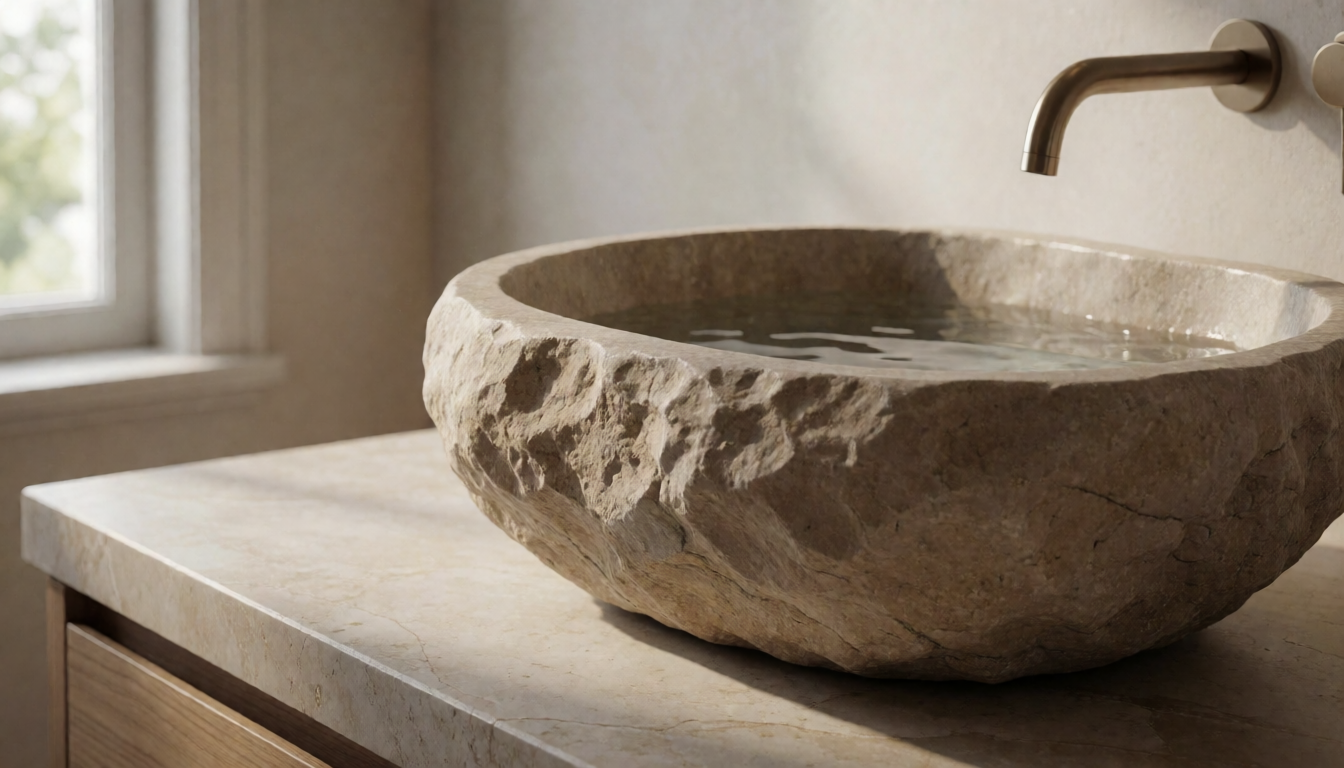
The visual impact of your stone vessel sink decor relies heavily on the stone type. Carrara marble is the most common choice for powder rooms due to its light gray background and soft white veining. It feels airy and clean. However, Carrara is also porous and requires sealing every 6 to 12 months. Alternatives like Calacatta Gold or Statuario offer higher contrast veins but come at a premium price point of $45 to $80 per kg depending on slab size.
For B2B buyers, consistency is key. Natural stone varies from slab to slab. If you are white-labeling for a brand, consider buying large slabs (3m x 1.6m) and cutting multiple sinks from the same piece. This ensures the veining matches across different units, preventing a jarring mismatch in your inventory. Darker stones like Nero Marquina or Black Galaxy create a dramatic, moody look suitable for modern powder rooms. These materials hide water spots better than white marble but show fingerprints more easily.
Always request photos of actual slabs, not just digital renders. A supplier might claim “perfect match” based on 3D models, but the reality often shows subtle color shifts. For a small powder room, a smaller vessel (diameter 25cm to 30cm) is often more proportionate than a large bowl sink. Large sinks dominate small spaces and can make the room feel cramped underfoot.
Lighting and Wall Treatments
Lighting dictates how the marble looks. Cool LED strips (4000K to 5000K) underneath the vessel highlight the stone’s depth and translucency, creating a floating effect. Warm lighting (2700K to 3000K) makes the marble look richer but can yellow white veins. For a powder room with limited ceiling height, avoid placing lights directly above the sink to prevent glare on the water surface. Instead, use wall sconces flanking the mirror or indirect cove lighting behind the vanity.
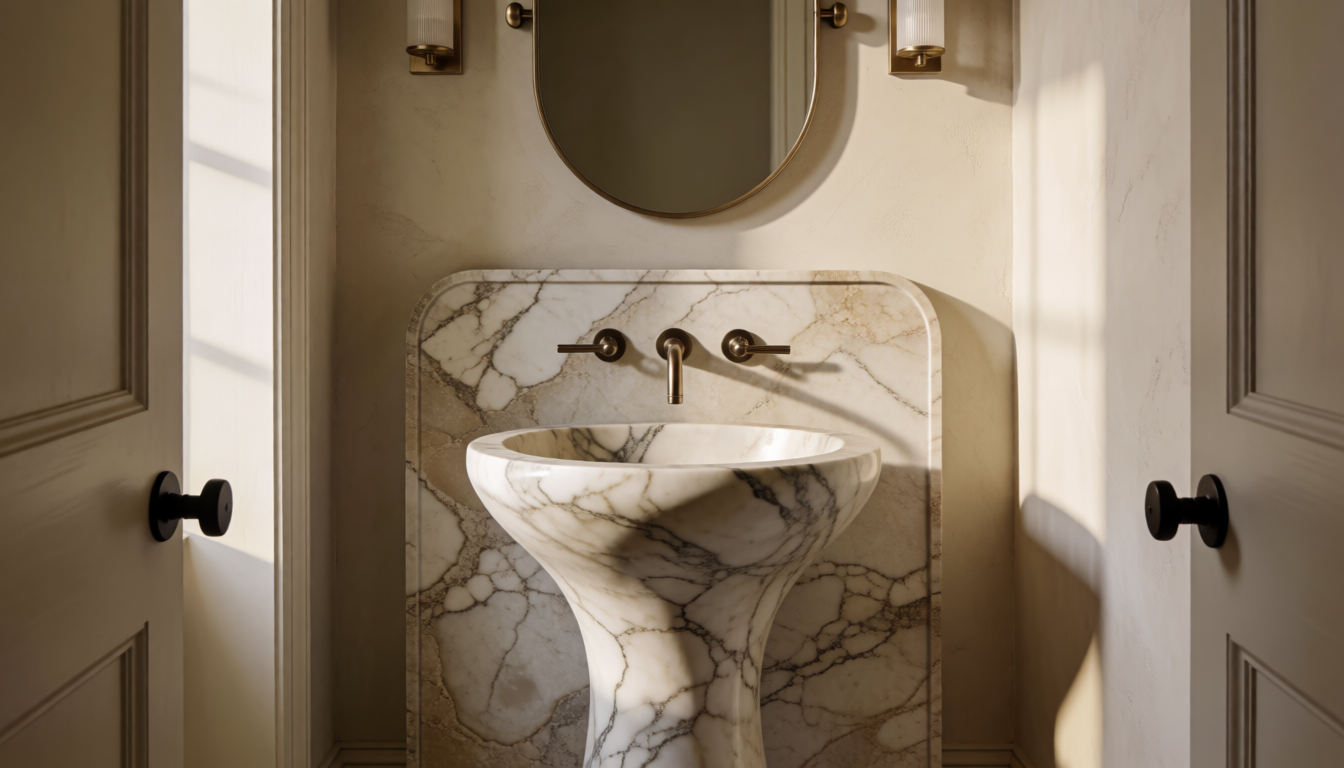
Wall treatments must complement the stone without competing. If the sink is white Carrara, pair it with neutral walls in off-white, light gray, or soft beige. Avoid high-contrast wallpaper patterns that clash with the marble’s natural lines. For a luxury feel, consider installing a full-height mirror behind the sink to reflect light and make the space appear larger. The mirror frame should be simple—brass, gold, or black metal—to let the stone remain the star.
Texture plays a role here. If the walls are smooth paint, add texture through tile wainscoting or a shiplap accent wall below the mirror level. This adds depth to the room and prevents the space from feeling sterile. Ensure any grout lines in adjacent tiles match the undertone of your marble; warm grout for white stone, cool grout for gray stone.
Finishing Touches and Maintenance Realities
The final layer of vessel sink styling involves accessories. Keep them minimal to let the marble speak. A single ceramic soap dish, a small brass towel ring, and a wooden tray for toiletries work well. Avoid clutter; a powder room is often used by guests quickly, so surfaces should remain clear. Choose a faucet finish that matches your hardware—matte black or brushed gold generally pairs best with modern vessel sinks, while polished chrome suits traditional styles.
Maintenance expectations must be managed with clients and end-users. Marble etches easily from acidic substances like lemon juice or vinegar. It does not stain from wine or coffee immediately but can discolor over time if sealed poorly. Suggest using a pH-neutral cleaner and avoiding harsh scrubbing pads that scratch the polished finish. For commercial applications, specify honed finishes instead of polished ones; honed surfaces hide scratches better and feel warmer to the touch.
When importing these items, factor in the cost of packaging. Marble vessels require double-wall cardboard boxes with foam inserts to prevent chipping during transit. Shipping costs for a single 12kg sink can range from $60 to $150 depending on your destination port and freight rates. Always order extra units for returns or breaks, as stone is prone to hairline cracks that are only visible once unpacked. By focusing on these practical details, you ensure the final product is not just beautiful but durable and professionally installed.