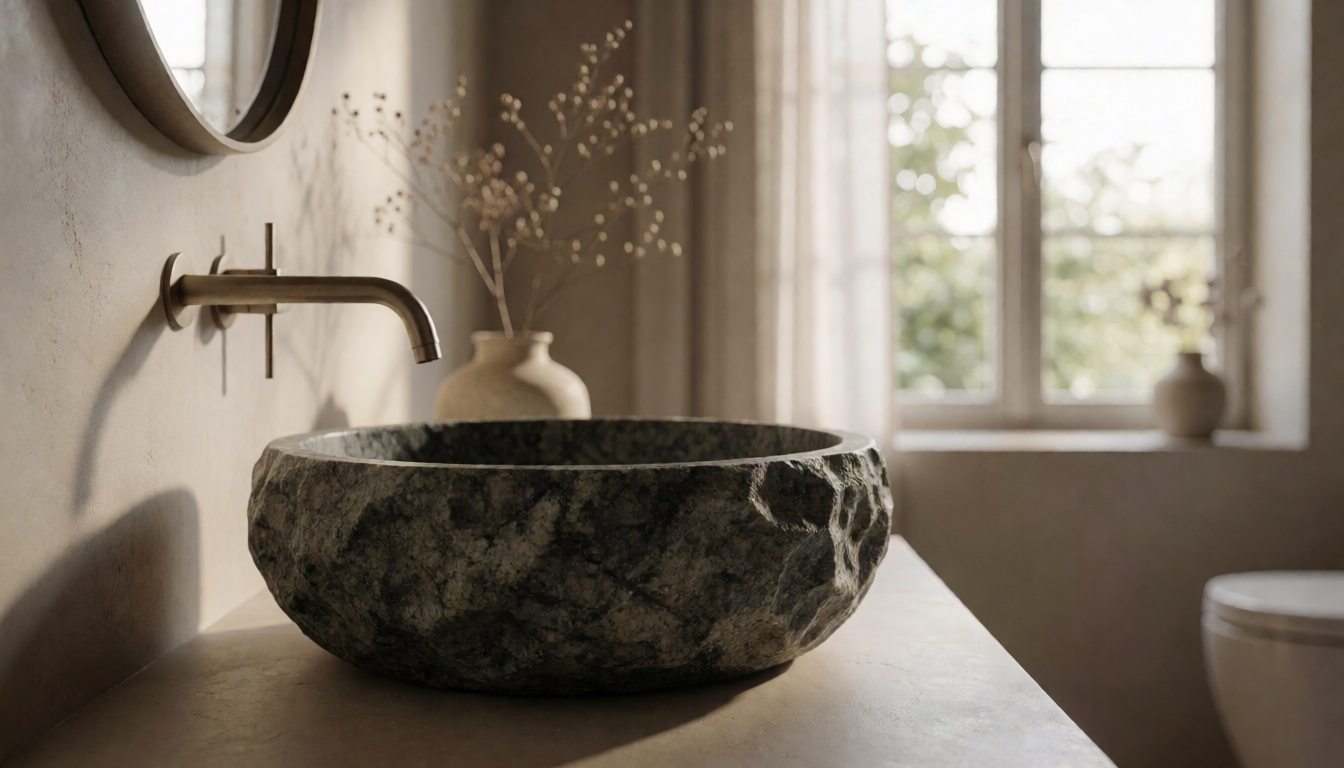
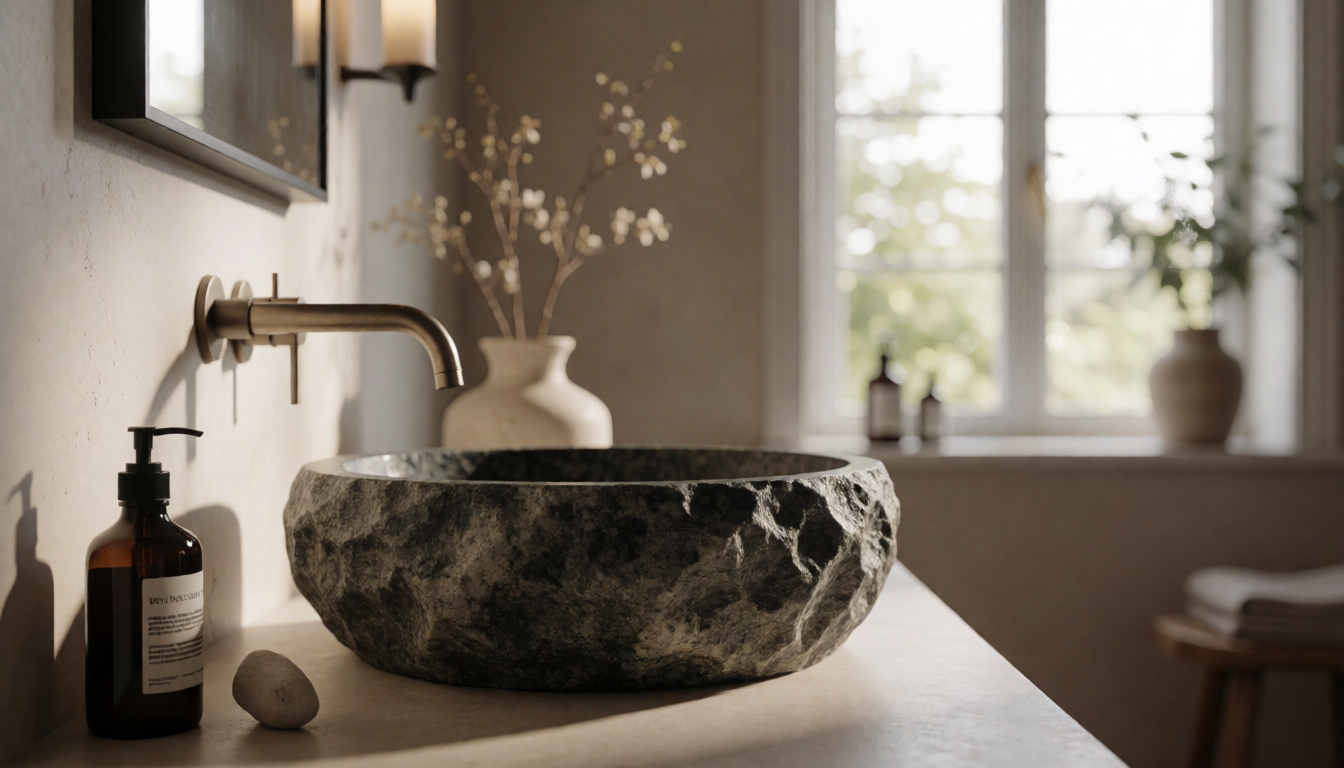
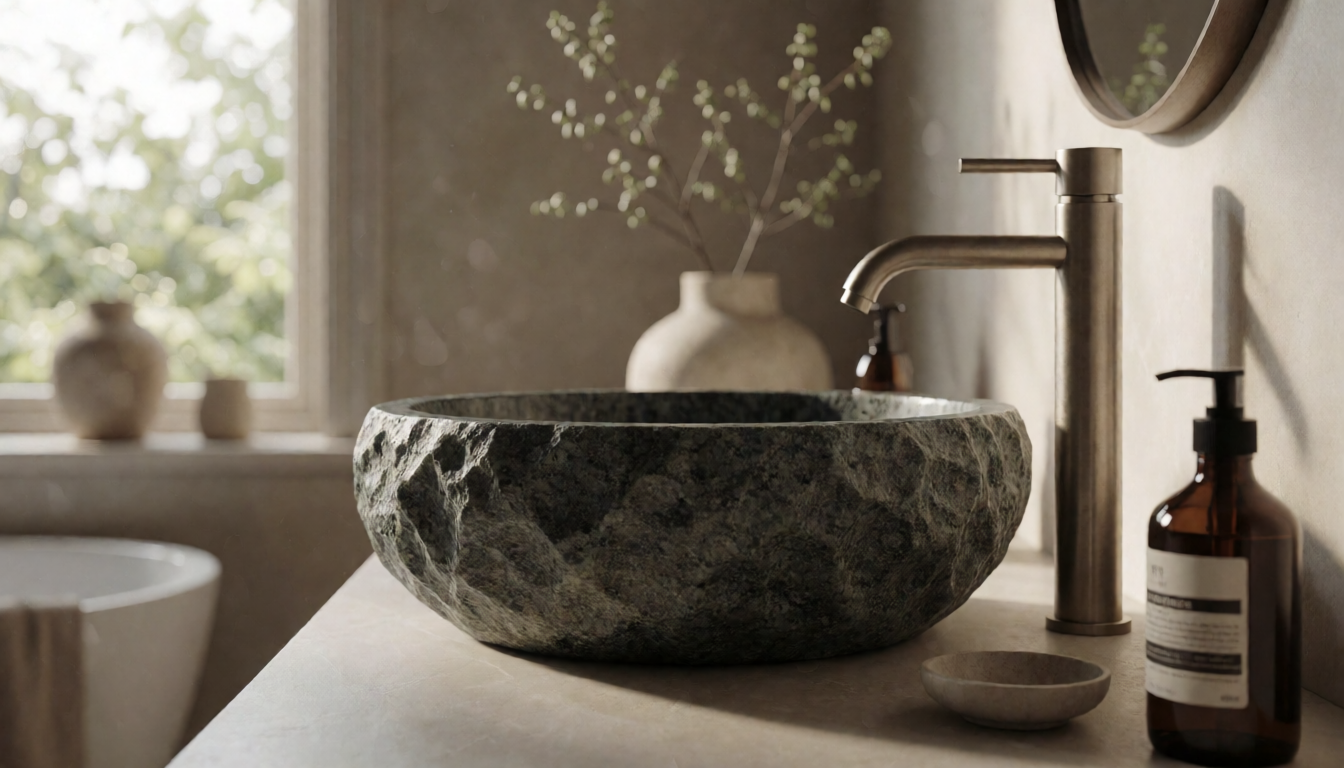
When sourcing bathroom fixtures for your dropshipping or wholesale catalog, the choice between a natural stone vessel sink and a resin composite alternative isn’t just about aesthetics; it is a fundamental decision regarding product longevity, perceived value, and customer returns. Many buyers in the US and EU markets are increasingly gravitating toward materials that feel authentic and durable. While resin composites offer color consistency and lower initial costs, they often struggle to replicate the depth of grain found in genuine stone. For brands building a reputation on quality, the solid stone vessel sink remains the superior choice for interior designers and high-end homeowners who demand a product that ages gracefully rather than looking cheap over time.
The Weight Factor and Perceived Value
The most immediate differentiator you can feel is weight. A genuine stone basin carved from marble, granite, or quartzite typically weighs between 15 kg and 25 kg depending on the size and thickness. This density provides a substantial presence on the countertop that resonates with quality. In contrast, resin composites often weigh significantly less, sometimes under 8 kg for similar dimensions.
For a dropshipper or retailer, this weight difference translates directly into shipping costs and customer satisfaction. Lighter items are tempting to ship via cheaper logistics methods, but customers expect the heft of stone. If a customer receives a product that feels hollow or plastic-like upon unboxing, it triggers immediate skepticism about the material authenticity. Specifying a minimum thickness of 12mm to 18mm for your natural stone vessel sink inventory ensures you are selling true stone, not a molded imitation. This physical weight acts as a silent salesman, reinforcing the premium price point you charge versus budget resin competitors.
Color Consistency and Grain Depth
Resin manufacturers rely on digital printing and mixing pigments to achieve color consistency. While this allows for mass production of identical units, it creates a flat, uniform look that lacks soul. Natural stone, however, features unique grain patterns and subtle variations that occur during the geological formation process. When viewed from different angles, light interacts with these natural veins in ways resin cannot mimic.
Interior designers specifically request solid stone vessel sink options because they know no two pieces are exactly alike, which adds exclusivity to their projects. Resin composites often suffer from “plastic shine” or a surface that looks too perfect. Real stone has micro-textures visible even at close range. When marketing your catalog, emphasize the depth of color in your samples. A grey resin might look like slate, but up close, it lacks the crystalline structure of actual granite. Buyers should request large-format photos or physical swatches to verify that the grain pattern looks organic and not digitally repeated. This visual authenticity is what justifies a higher retail margin.
Structural Integrity and Chip Resistance
Durability concerns are paramount when sourcing bathroom fixtures. Resin composites are prone to cracking under thermal shock or heavy impact if the manufacturing process isn’t perfect. While high-quality resins are tough, they often yellow over time when exposed to direct UV light or harsh cleaning chemicals containing bleach. Natural stone is inherently more stable regarding chemical exposure and heat resistance.
A stone basin made from materials like soapstone or granite can withstand daily wear and tear for decades without degrading. However, every stone type has its own hardness rating (Mohs scale). Granite and quartzite are harder and more resistant to scratching than marble or travertine. When negotiating with suppliers, ask specifically about the resin-to-stone filler ratio in composite claims; if they claim “stone-filled” resin, it is often 30% to 40% stone dust mixed into a polymer binder. This hybrid material does not offer the same structural integrity as a block of quarried stone carved into a sink shape. Ensure your contract specifies that the product is 100% natural stone with no composite fillers if you are targeting the luxury segment.
Logistics, Lead Times, and MOQ Considerations
Sourcing from a factory like Gladystone requires managing specific logistical realities. Natural stone production involves quarrying, cutting, polishing, and carving, which dictates lead times that differ from injection-molded resins. You can typically expect a lead time of 20 to 35 days for standard solid stone vessel sink orders after deposit payment, depending on the current inventory status of raw blocks.
Minimum Order Quantities (MOQ) for bespoke natural stone are usually higher than for resin because every slab must be inspected for cracks or veins before cutting. We typically recommend an MOQ of 10 to 20 pieces for custom sizes or specific vein patterns to ensure you get the best selection from a single block. Resin manufacturers often accept orders as low as 5 units with very short lead times, but this comes at the cost of perceived value.
Shipping costs are another critical variable. Because stone is heavy, freight charges can account for 15% to 20% of your total landed cost for a single item. Factor in the volume weight when calculating your final price per unit. If you order mixed sizes, ensure the packaging is reinforced with wooden crates rather than simple cardboard boxes to prevent damage during transit. Ask the supplier about their experience with white-labeling; they should be able to engrave your brand logo onto the rim or base of the sink without compromising the stone surface.
Finalizing Your Sourcing Strategy
Choosing a natural stone vessel sink over resin is an investment in product longevity and brand reputation. The upfront cost is higher, but the return on investment comes from fewer returns, higher average order values, and strong endorsements from interior designers who value authenticity. When communicating with suppliers, focus on transparency regarding material composition. Ask for certificates of origin that confirm the stone was quarried naturally, not synthesized.
For your wholesale catalog, prioritize sinks made from durable varieties like grey granite or black soapstone, which appeal to a broad demographic in the US and EU markets. Avoid marketing resin products as “stone” unless clearly labeled as composite, as this can lead to consumer disputes. By sticking to genuine solid stone vessel sink specifications—checking weights, grain depth, and material purity—you secure a product line that stands out in a saturated market. Remember that your customers are buying a piece of nature for their home; they expect the story that only real stone can tell.