
When importing stone fixtures from China, the most immediate logistical hurdle isn’t aesthetics; it is mass. A standard acrylic tub weighs roughly 40–60 kg, but a solid natural-stone bath can exceed 300 kg depending on dimensions and density. For Gladystone, our primary clients are wholesalers, Shopify dropshippers, and interior designers who need to ensure their supply chain handles the physical reality of stone. Understanding the stone bathtub weight is not just about shipping costs; it dictates floor load capacity, crane requirements, and insurance premiums. If you order a massive marble piece without calculating its mass, you risk structural damage before it even reaches your showroom or warehouse. This guide breaks down how to plan delivery, calculate loads, and select the right stone for specific logistical constraints.
Calculating Actual Mass vs. Shipping Weight
There is often confusion between the weight of the raw material and the final packaged unit. When we quote a bathtub shipping weight, we include the tub itself, the protective foam, wooden crate (if requested), and palletization materials. However, for structural planning, you must look at the net mass of the stone.
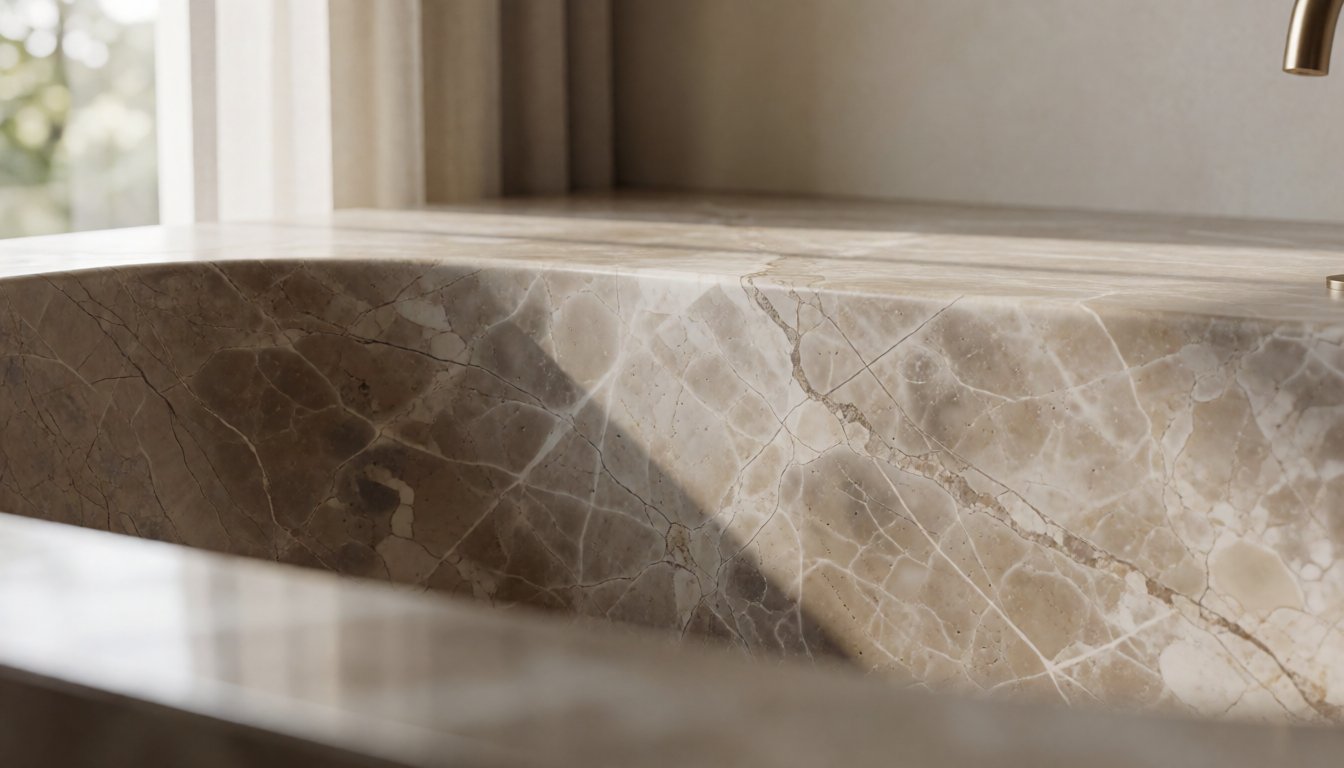
Natural stone density varies significantly by type. Granite is dense, typically ranging between 2.75 and 2.8 g/cm³. Marble is lighter, generally falling between 2.6 and 2.7 g/cm³. Soapstone sits in between these ranges. For a standard rectangular soaking tub measuring roughly 140 cm x 80 cm with a depth of 50 cm:
* A granite version might weigh between 280 kg and 320 kg.
* A marble version of the same size could weigh between 260 kg and 290 kg.

These numbers are critical. If you are shipping via sea freight, container space is calculated by volume (CBM), but weight limits per pallet are strict. A standard ISO container can hold roughly 28–30 tons of cargo before hitting weight restrictions that prevent loading more boxes. If you fill a container with heavy granite tubs, you may only fit 40–50 units. Switching to a lighter stone like limestone or travertine could allow you to fit 60–70 units in the same vessel, drastically reducing your cost per unit and minimizing fuel surcharges. Always ask your supplier for the exact marble tub kg specification before finalizing the purchase order.
Floor Load Capacity and Warehouse Storage
Before a container even arrives at your port, you must know if your receiving facility can handle the load. Many standard commercial warehouses have floor loading limits of 1–2 tons per square meter (t/m²). A single heavy granite tub sitting on its side or bottom in a storage rack exerts significant point pressure.
If you plan to stack stone bathtubs for inventory, you must calculate the distributed load. Stacking two units that total 600 kg on a narrow base can exceed safe limits if the underlying floor is concrete-on-gravel rather than reinforced concrete. For dropshippers storing items in smaller distribution centers, consider ordering lighter stone varieties or requesting thinner slab thicknesses (e.g., reducing depth from 55 cm to 48 cm) without compromising structural integrity. This simple adjustment can reduce the total stone bathtub weight by 15–20%, allowing you to store more SKUs in less space.
When designing a showroom, ensure the subfloor is engineered for heavy furniture. Standard residential flooring often fails under concentrated stone loads. Use steel brackets or reinforced shelving units designed specifically for heavy fixtures. Never place a single 300+ kg unit directly on a wooden pallet without a protective plywood board underneath to distribute the weight evenly.
Logistics: Cranes, Forklifts, and Loading Docks
The method of loading and unloading is dictated entirely by mass. A standard electric forklift usually has a capacity of 2–3 tons but struggles with high-center-of-gravity loads like tall stone units. The center of gravity for a deep soaking tub is high; tipping becomes a major risk if the load exceeds the machine’s stability threshold.
For heavy orders, you will need an overhead crane or a specialized lift truck at the destination port. Shipping companies often require a “heavy equipment” declaration when the bathtub shipping weight exceeds 20 tons per container (though this varies by carrier). If your shipment includes oversized vanities or fireplaces alongside tubs, the combined weight must be managed carefully to avoid exceeding the gross vehicle weight limit of the truck transporting the final load.
Always clarify with Gladystone if you need a specific crate design for heavy items. A standard wooden crate adds 20–30 kg per unit. For lighter stone orders where every kilogram counts against your margin, request a minimal packaging solution that still protects the surface but reduces total mass. Conversely, for high-value granite, invest in reinforced timber crates to prevent breakage during rough handling, even if it increases the shipping weight slightly. The cost of replacing a cracked $1,200 tub is far higher than the cost of an extra crate.
Sourcing Advice for Importers and Designers
When contacting Gladystone or other Chinese manufacturers, ask specific questions about density and dimensions. Do not rely on generic “stone” descriptions. Request a breakdown of:
1. Material Density: Grams per cubic centimeter.
2. Net Weight vs. Gross Weight: Separate the stone mass from packaging.
3. Custom Thickness: Can we reduce the slab thickness by 5 mm to save weight?
For US/EU clients, remember that customs duties and freight charges are often calculated based on declared value and volume, but heavy cargo surcharges apply strictly by weight class. If you are sourcing for a Shopify dropshipping model where you ship individually to end customers, calculate the shipping cost per kg. Shipping a 300 kg tub via LTL (Less-Than-Truckload) is exponentially more expensive than shipping two 150 kg units.
Consider mixing your product line. Offer lighter marble or travertine options for international markets with strict weight limits, and reserve heavy granite for local US/EU warehouses where you control the loading process. This strategy optimizes your logistics network while maintaining a premium variety of products. Finally, always factor in the weight of the stone when setting your final retail price. The heavier the material, the higher the freight cost, which must be absorbed into your margin or passed to the customer clearly. By mastering these weight calculations, you ensure smooth deliveries and avoid costly structural failures before they happen.