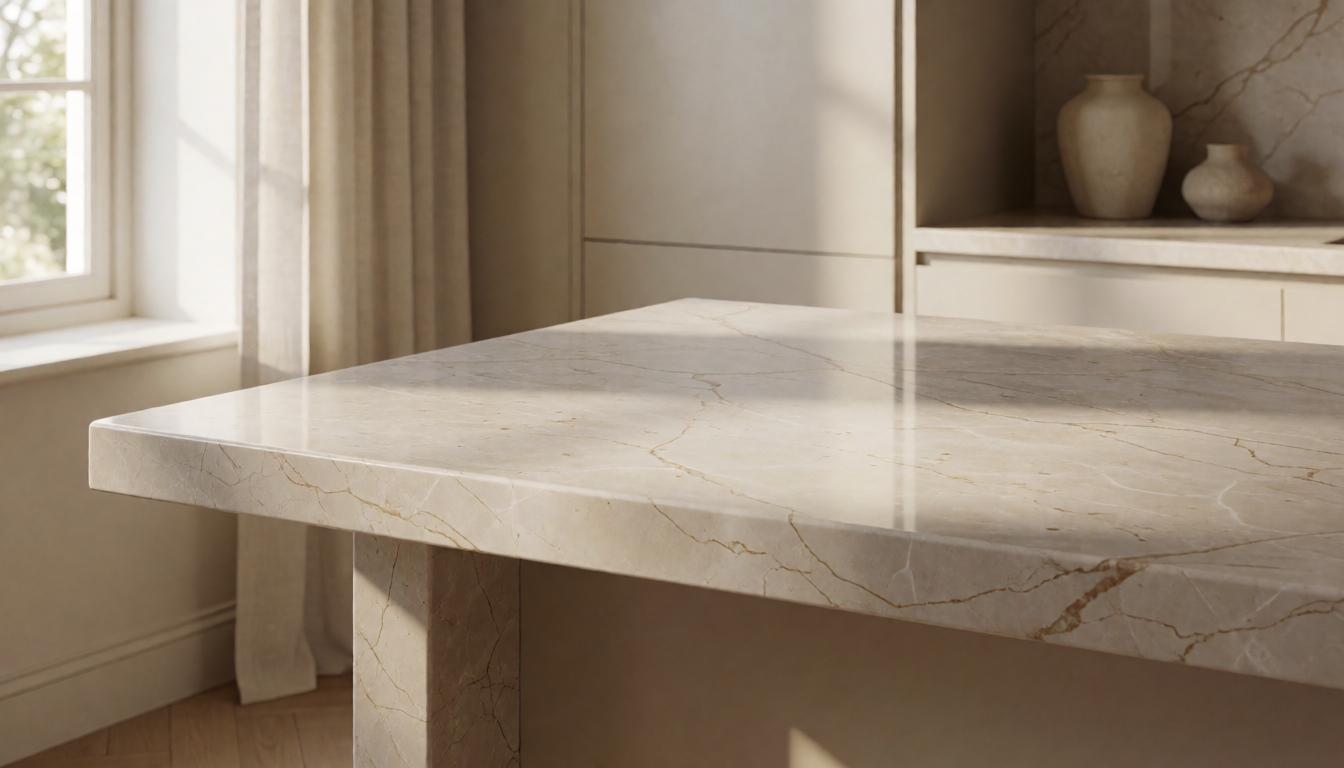
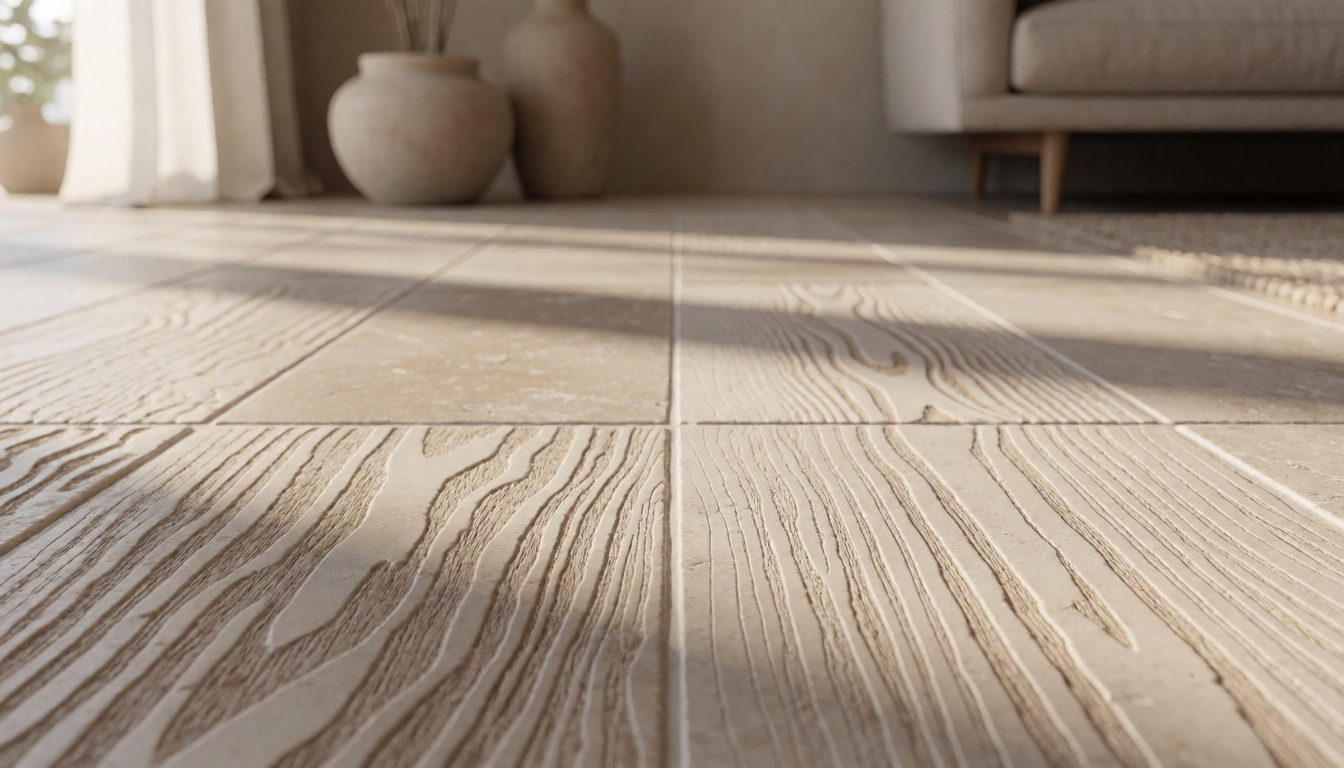
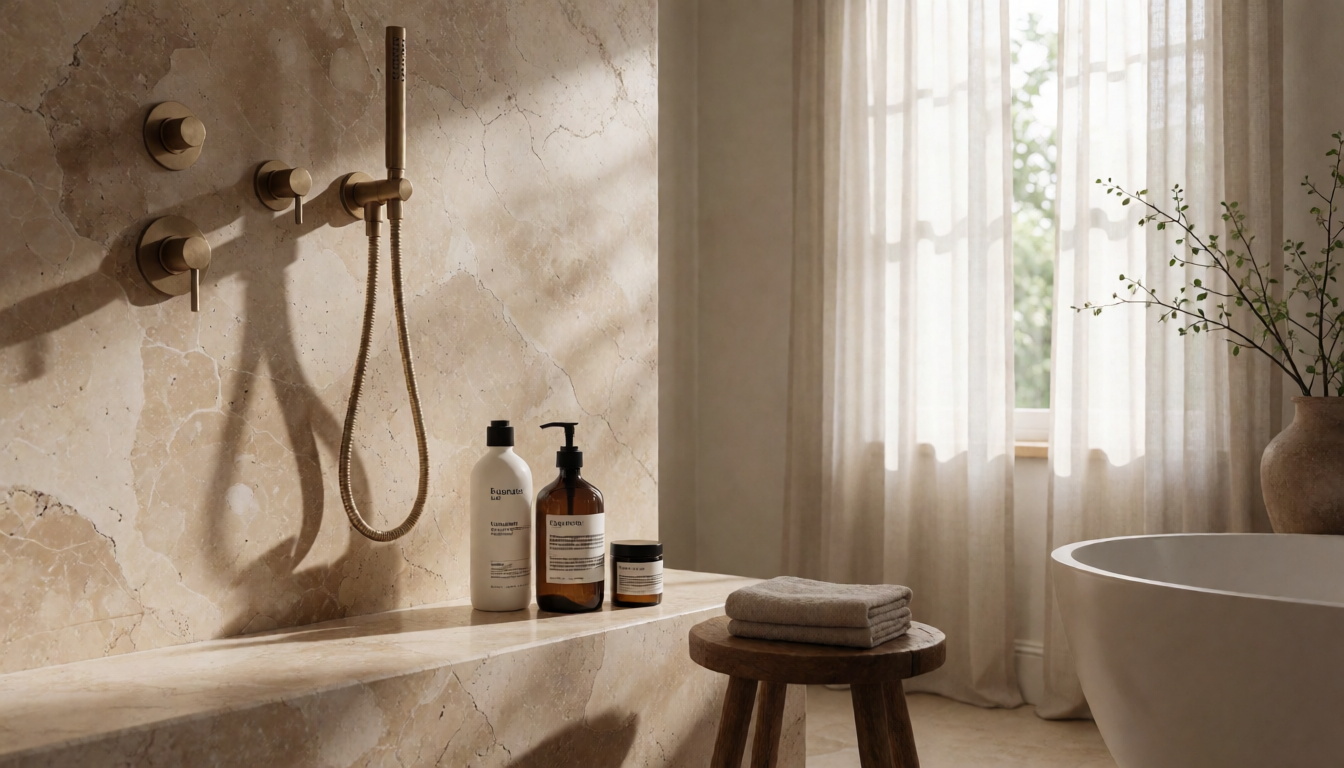
Natural stone surfaces — whether marble countertops, travertine shower walls, or limestone flooring — are a long-term investment. Keeping them beautiful for decades requires proper care. But in 2026, stone maintenance is undergoing a quiet revolution: the shift toward eco-friendly, non-toxic, and sustainable stone care practices that protect both the stone and the environment.
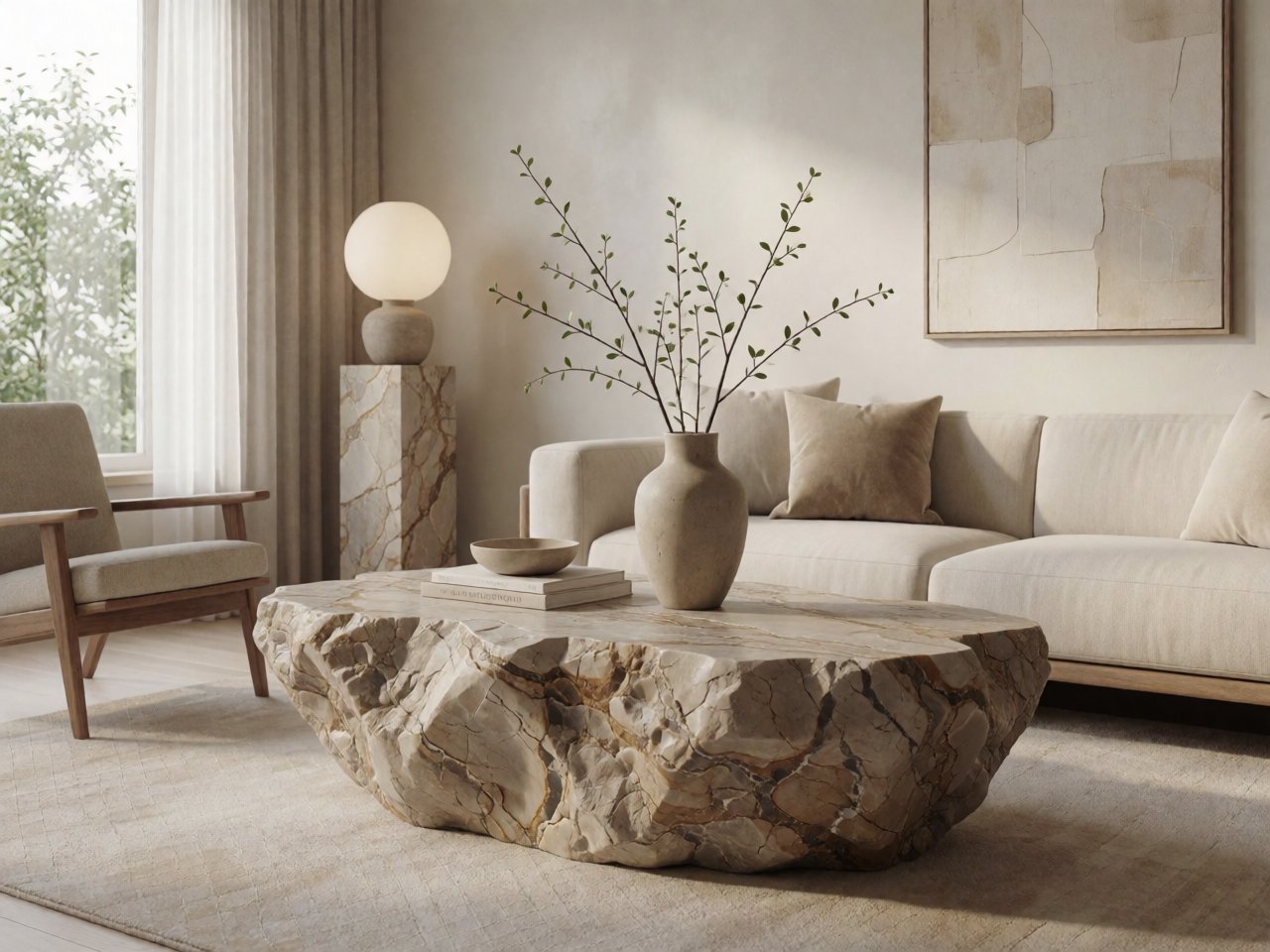
Why Eco-Friendly Stone Care Matters
Traditional stone cleaning products often contain harsh acids, bleach, or ammonia that can etch polished marble, degrade stone sealers, and release harmful VOCs into indoor air. For homeowners, especially those with children or pets, and for commercial spaces specifying stone in high-traffic areas, the move toward pH-neutral, biodegradable stone cleaners is both a health imperative and a performance advantage. Eco-friendly stone care products clean effectively without compromising the stone’s integrity or the indoor environment.
The 2026 Stone Care Essentials
1. pH-Neutral Daily Cleaning
For daily maintenance of marble, travertine, limestone, and granite surfaces, use a pH-neutral stone cleaner diluted in warm water. Avoid vinegar, lemon, or generic household cleaners — their acidity will etch polished marble and dull the surface over time. In 2026, several leading stone care brands have introduced plant-based, biodegradable daily cleaners that are safe for all natural stone types and leave no residue.
2. Sealing Schedules: Less Is More
A common misconception is that natural stone needs to be sealed frequently. In reality, high-quality impregnating sealers can last 3–5 years on indoor surfaces with normal use. Over-sealing can actually cause problems: excess sealer that isn’t properly wiped off can leave a hazy residue that’s difficult to remove. In 2026, the best practice is to perform a simple water-drop test: if water beads on the surface, the sealer is still active. If it darkens the stone, it’s time to reseal.
3. Stain Removal: The Poultice Method
For oil-based or organic stains that penetrate beyond the surface, the gold-standard removal method is a poultice — a paste made from an absorbent material (such as baking soda, diatomaceous earth, or specialized poultice powder) mixed with a solvent appropriate to the stain type. The poultice is spread over the stain, covered with plastic, and left for 24–48 hours to draw the stain out of the stone. This method is chemical-free and highly effective for deep-set stains.
4. Etch Repair for Marble & Limestone
Etching — the dull spot left when an acidic substance contacts calcareous stone — is a common concern with marble and limestone. In 2026, professional etch repair kits have become more accessible, allowing homeowners and facility managers to restore minor etches without calling a stone restoration specialist. For deeper etches, honing and repolishing by a professional remains the best approach. Choosing a honed (matte) finish rather than polished can also make minor etches far less visible day-to-day.
5. Sustainable Sealing Products
The newest generation of stone sealers (2026) includes water-based, low-VOC formulations that provide excellent protection without the strong chemical odor of solvent-based sealers. Many of these new products are also certified by independent environmental organizations, making them suitable for projects pursuing LEED or WELL building certification. For exterior stone applications, UV-stable sealers that won’t yellow over time are essential.
Stone Care as a Value-Add for Specifiers
For architects, interior designers, and stone wholesalers, providing clients with a clear, eco-friendly stone care guide is a value-add that builds long-term trust. A beautifully specified stone installation that fails due to improper maintenance reflects poorly on the entire project. Including stone care specifications as part of the design package — and recommending approved eco-friendly maintenance products — protects both the investment and your professional reputation.
Glady Stone: Stone Care Guidance for Every Project
At Glady Stone, we don’t just supply premium natural stone products — we support our clients throughout the product lifecycle. Every order includes detailed care and maintenance recommendations tailored to the specific stone type. For trade clients (architects, designers, wholesalers), we provide stone care specification sheets that can be passed directly to end clients. Contact our team to discuss stone selection and maintenance planning for your next project.