Most importers focus entirely on lowering the unit price per square meter or piece when talking to a Chinese stone factory. This is a common mistake that often backfires. If you only negotiate price, the supplier will cut corners on material thickness, polish quality, or packaging security to maintain their margin. To get the best deal with a marble supplier negotiation strategy, you must offer value in exchange for better terms. You need to understand what affects cost and quality so you can use stone sourcing leverage effectively without compromising your brand’s reputation.
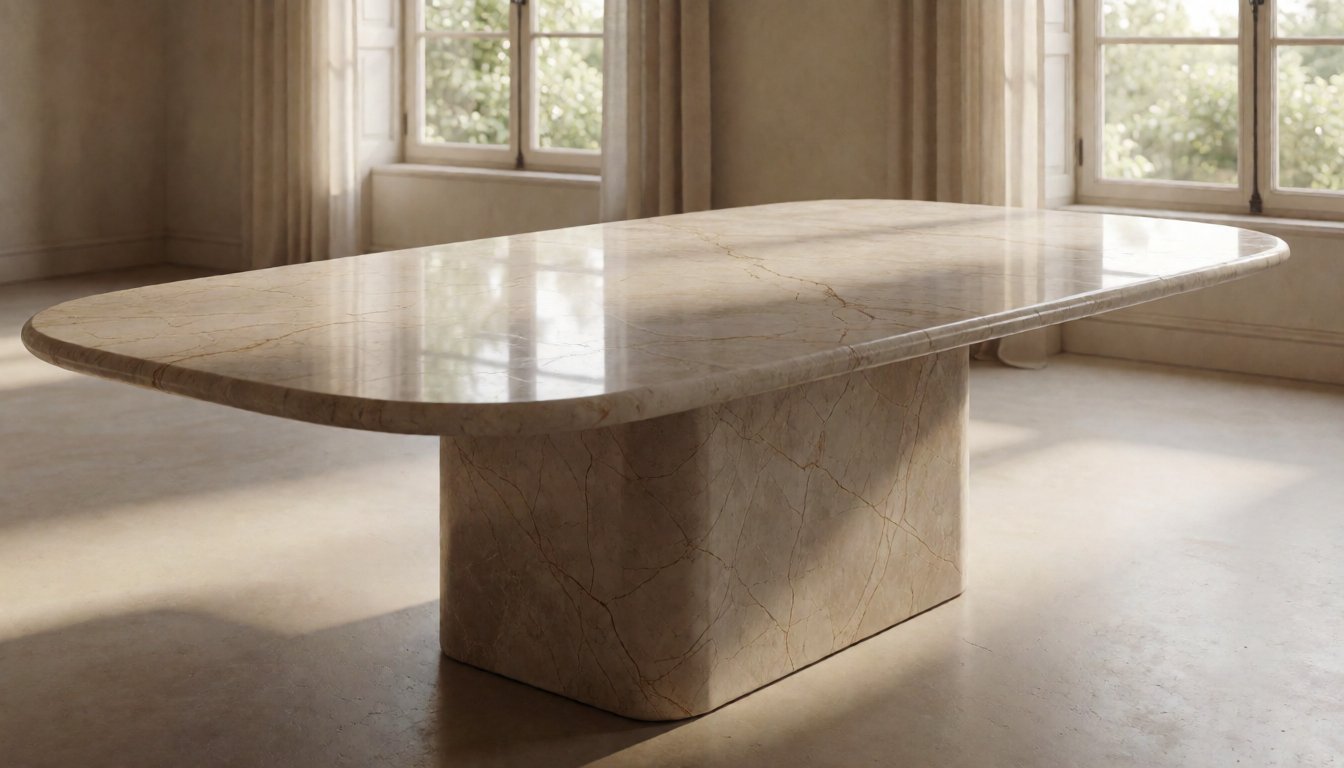
When you approach a Gladystone-style facility, remember that natural stone is heavy and fragile. A standard dining table slab weighs between 80kg and 150kg depending on the thickness (2cm to 3cm) and size (120x120cm to 160x180cm). Shipping these items from China involves complex logistics, high insurance premiums, and potential damage risks. Your negotiation power comes from your ability to manage these complexities efficiently.
Volume Commitments and Consolidated Orders
The most direct way to influence price is through volume, but the math isn’t always linear. A dropshipper ordering 50 units of a specific sink model will pay significantly more per unit than a wholesaler ordering 500 units. However, simply promising high volume without a plan is empty air. You must back your promises with realistic sales projections and an understanding of production capacity.
Factories prefer large consolidated orders because they reduce administrative costs and optimize container loading. If you order 100 vanities in different colors for one shipment, the factory saves on changeover time between production lines. Conversely, small batches mixed with large batches increase waste if a specific color doesn’t sell.
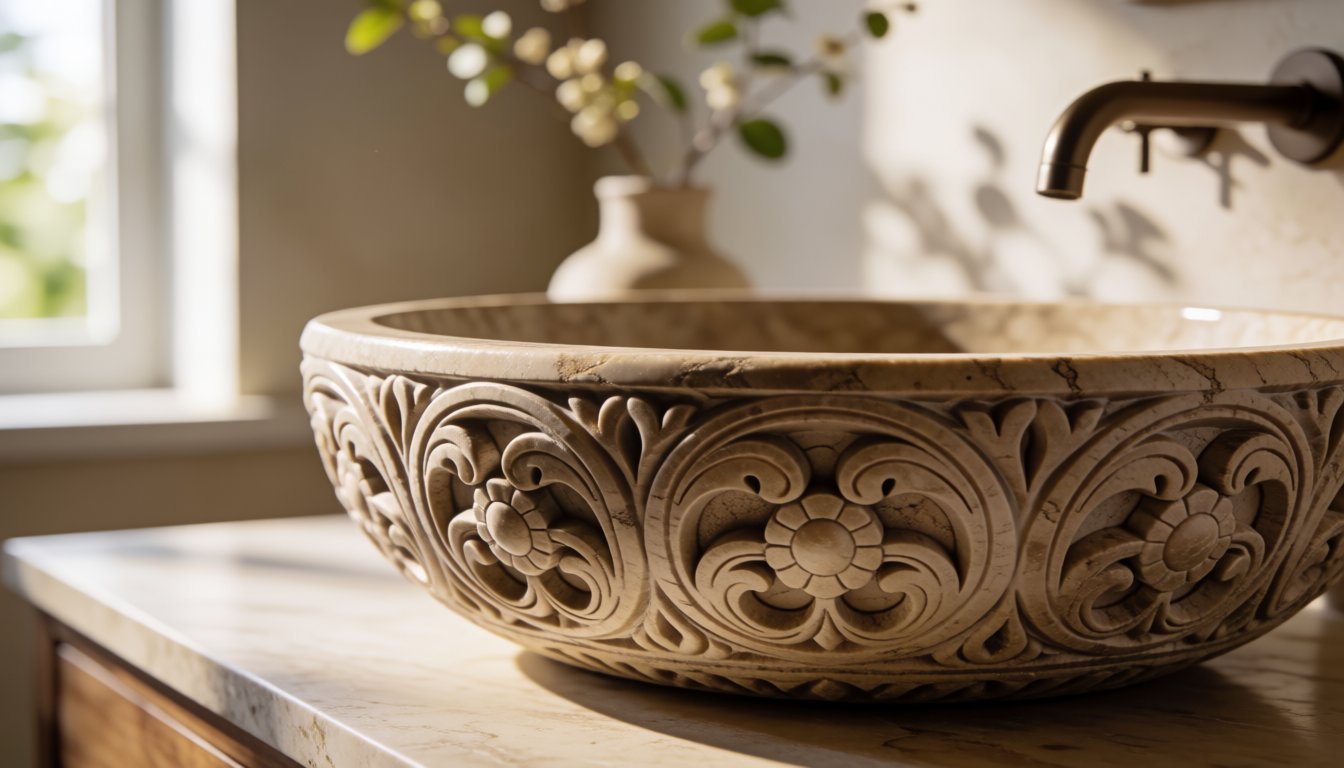
When negotiating, ask about their minimum order quantity (MOQ) policies for custom cuts versus standard sizes. Standard sinks often have an MOQ of 10–20 pieces per color to allow for kiln or furnace cycles. Custom shapes might require a much higher MOQ, sometimes starting at 50 units, because the factory needs to cut specific templates from large blocks. If you can guarantee that you will buy half your annual volume in a single container with a 45-day lead time, you gain leverage to ask for a discount of roughly 3% to 5%.
Do not fear asking for a “tiered pricing” schedule. Ask the supplier to provide a price list showing the unit cost at different order quantities: 100 units, 500 units, and 1,000 units. This transparency helps you plan your inventory strategy. If they refuse to show this breakdown, it suggests rigid cost structures that may hide quality issues.
Material Specifications as a Negotiation Tool
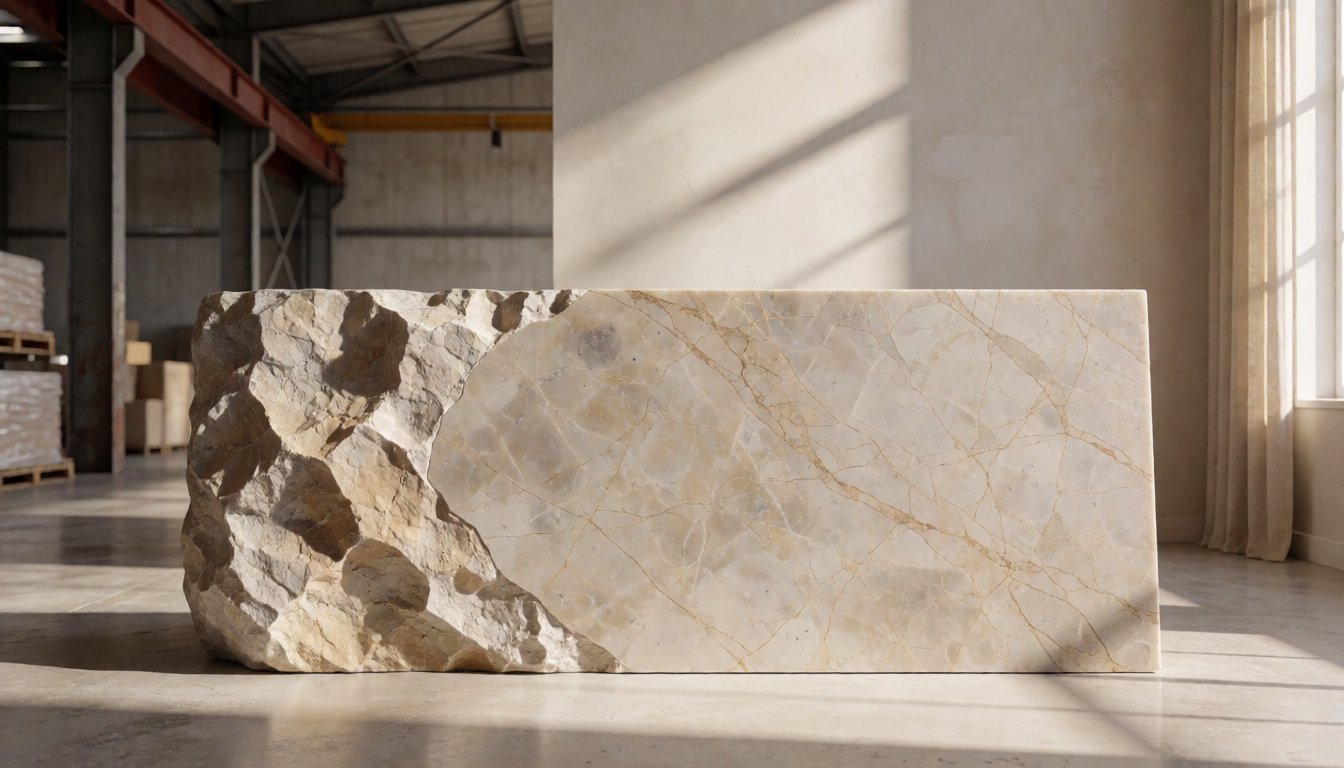
Price is heavily influenced by the raw material used. In natural stone sourcing, the difference between a “commercial grade” slab and a “premium grade” slab can be massive. Commercial grade might have visible veins, slight color variations, or minor pits that require skilled polishing to hide. Premium grade is more consistent and expensive.
If you are targeting budget-conscious markets like discount home stores, negotiating for commercial grade stone with a 3cm thickness can save you money while maintaining durability. If you are supplying high-end interior designers in the US or EU, you must insist on premium grade with tight color matching. Never agree to a lower price if the factory plans to use lower-grade material without your explicit written approval.
Ask for photos of actual slabs from the quarry before production starts. Do not rely solely on 3D renders or stock photos. A reliable stone supplier will show you the veining patterns and ask which specific blocks they should cut from. This “pre-selection” process prevents costly returns later. If a batch arrives with colors that don’t match your brand’s aesthetic, the cost of returning goods to China is prohibitive. Shipping a return container can cost upwards of $30,000 plus customs duties and restocking fees.
You can leverage your knowledge of specific stone types to negotiate better terms. For example, quartzite is harder than marble but more prone to cracking during transport if not packed correctly. If you specify that you need reinforced corner protectors and double-layered foam padding for all fireplaces and dining tables, the factory knows they must use higher-quality packaging materials. While this increases the cost per unit slightly, it drastically reduces damage claims. A damaged table costs far more than the extra $5 spent on better packing.
Payment Terms and Risk Management
Payment terms are often the weakest link in B2B stone sourcing leverage. Many factories demand 100% upfront payment or a heavy deposit (30–50%) before production begins. This puts all your capital at risk if the quality is poor or if they delay shipping. Experienced importers negotiate for better cash flow terms.
A standard and safer structure involves a smaller deposit, typically 30%, with the remaining 70% paid against proof of shipment (BL copy). You can argue for this split by highlighting your reliability as a buyer who pays on time. If you have a track record of paying invoices within 5–7 days, mention this to build trust. Trust is currency in the stone industry.
Some factories are willing to accept partial payments via Letter of Credit (LC) or even offer small discounts for early payment if cash flow allows. Ask directly: “What discount do you give for T/T payment within 3 days?” Usually, the answer is 1% to 2%. This immediate discount often covers the cost of your marketing efforts and shipping logistics.
Be wary of factories that insist on high deposits without offering any refundable deposit against quality issues. A fair contract should state that if the final inspection fails, the factory must replace the defective items or issue a full credit note before releasing the balance payment. This protects you from paying for unusable stone. Always include clauses in your purchase agreement regarding damage during transit. If 20% of the dining tables arrive cracked due to poor packing, the contract should allow you to reject that portion immediately upon inspection at the destination port.
Long-Term Partnership and Customization
The best negotiation outcome is a long-term partnership rather than a one-off transaction. Factories invest in machinery and skilled labor for consistent clients. If you position yourself as a strategic partner rather than just another dropshipper, they will prioritize your orders during peak seasons like Black Friday or Christmas.
Ask for priority scheduling on your container loading. When shipping season is crowded, containers get booked weeks in advance. A factory with good relationships can reserve slots for regular clients, ensuring your goods arrive before competitors. This reliability is worth more than a 1% price difference.
Discuss customization options that add value without breaking the bank. You don’t need expensive logos on every sink, but you can request specific packaging branding, custom drawer pulls included with vanities, or engraved care instructions for tabletops. These small touches differentiate your brand in a crowded marketplace. The cost of these add-ons is usually absorbed into the unit price if ordered in bulk.
Finally, keep communication open and professional. Share your sales data when possible to help them forecast production runs accurately. If you tell them, “We expect to sell 200 units of this specific fireplace model next quarter,” they can prepare the materials and machinery needed. This proactive approach reduces delays and waste for everyone involved. Remember that in stone sourcing leverage, trust and transparency are your most powerful tools.