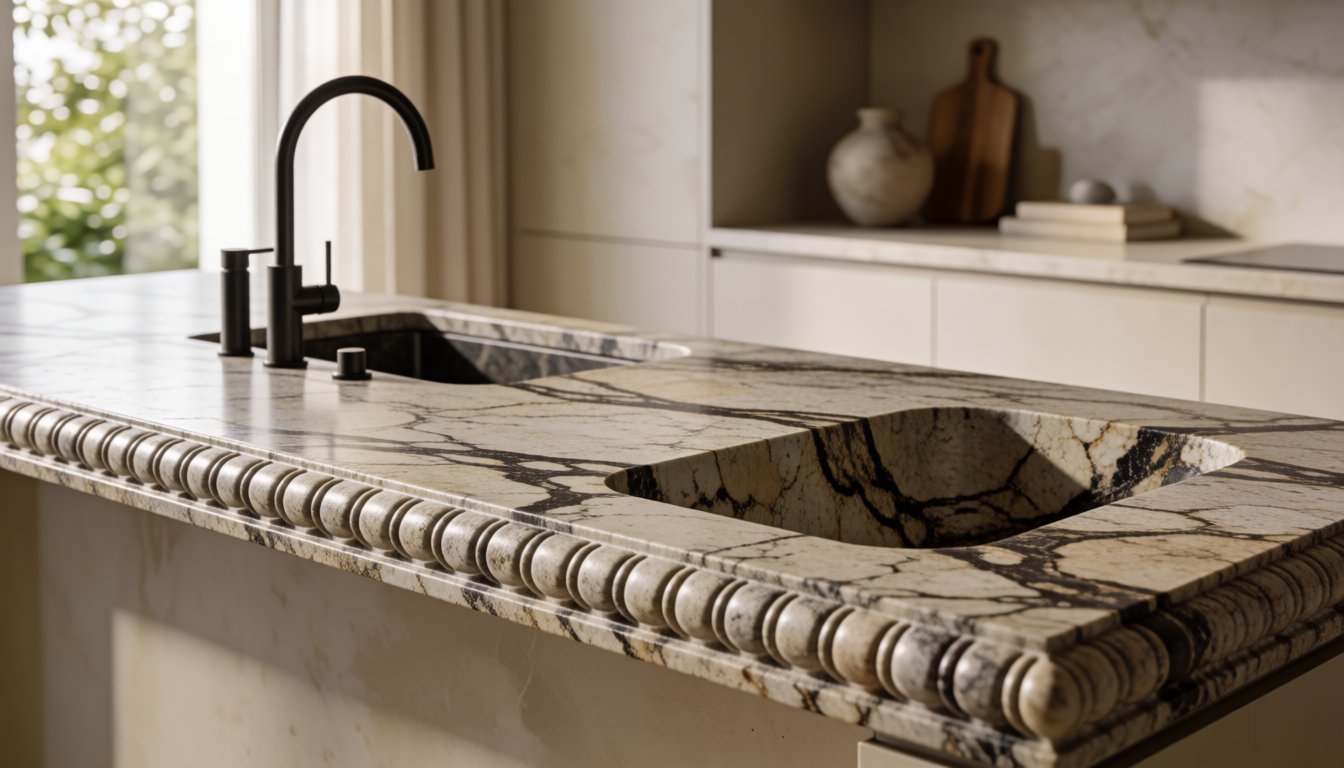
Transitioning from an anonymous factory client to a recognized market brand is one of the most strategic moves a B2B importer can make in the natural stone industry. This journey, often described as going from OEM to brand marble or driving stone private label growth, requires more than just shipping orders across the ocean. It demands a deep understanding of manufacturing capabilities, quality control protocols, and supply chain logistics. For buyers sourcing sinks, bathtubs, dining tables, or vanities, the goal is not simply to find a vendor but to build a partnership that can scale your inventory while maintaining brand integrity. At Gladystone, we see this evolution daily, helping wholesalers and interior designers turn raw stone blocks into finished products under their own names.
Understanding the Factory Partnership Model
The foundation of a successful stone brand from OEM relationship lies in clarity regarding production capabilities and limitations. Many importers underestimate the complexity of natural stone processing. A 60-inch granite countertop is not just a slab cut to size; it involves edge profiling, polishing, drilling holes for sinks, and handling heavy weights that often exceed 400 kg depending on the material density.
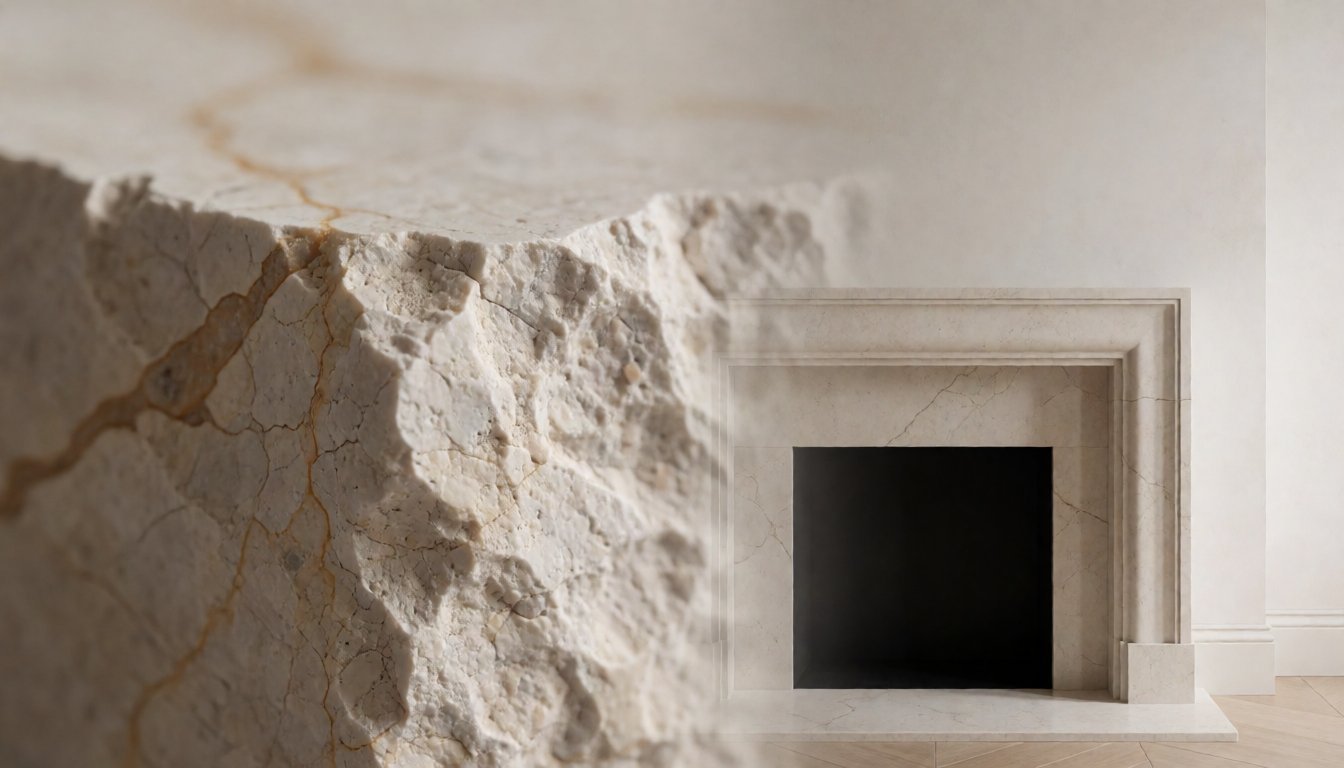
When approaching a manufacturer like Gladystone, you must assess their machinery inventory. Do they have automated waterjet cutters capable of handling large-format slabs without excessive breakage? Can they handle specific edge profiles requested by your designers? These technical details dictate lead times and minimum order quantities (MOQ). For instance, a custom fireplace surround made from limestone might require a longer drying period after polishing compared to quartzite. Expect lead times of 15 to 25 days for standard inventory items, but allow 40 to 60 days for fully customized pieces involving special cuts or rare stone varieties.
Navigating Quality Control and Certification
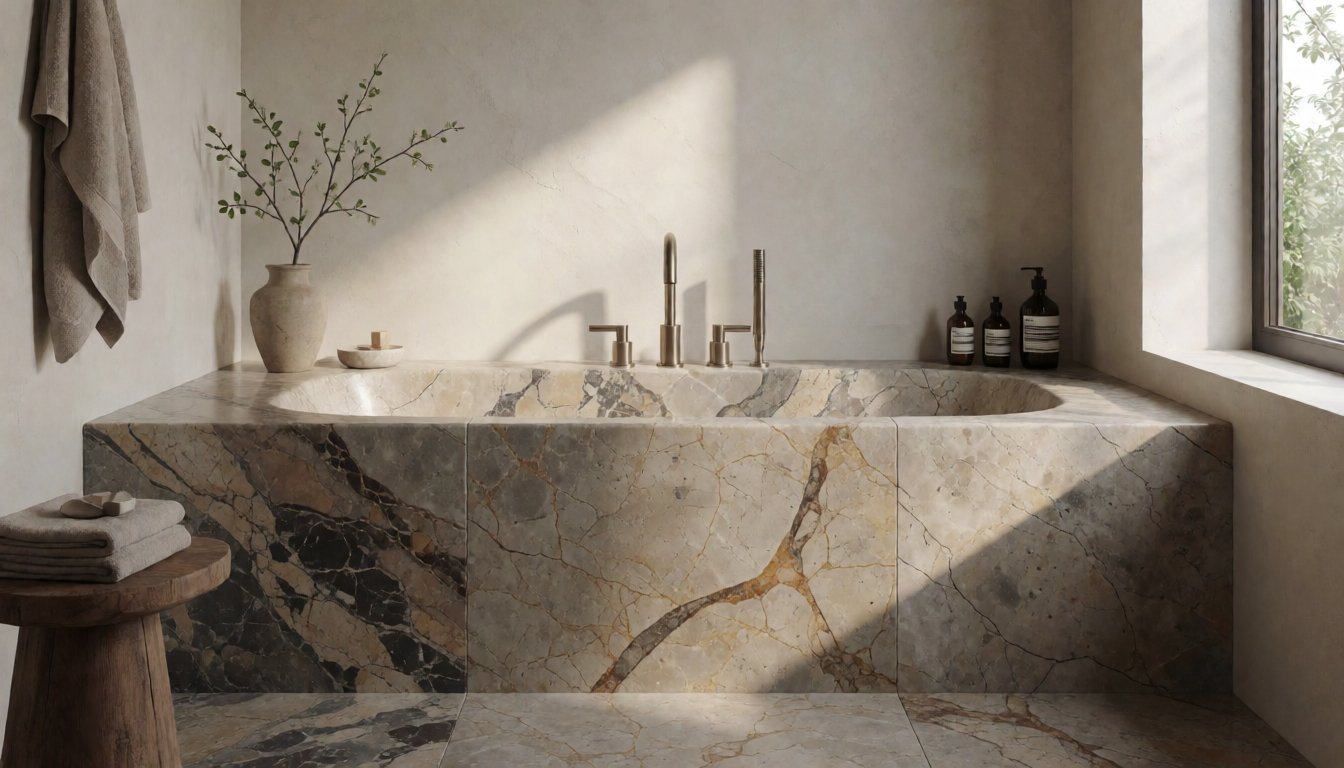
A critical step in shifting from OEM to a private label is establishing rigorous quality control (QC) standards. Natural stone varies naturally; no two slabs are identical. However, structural integrity must be consistent. Buyers often ask for specific certification reports regarding radiation levels for bathroom vanities or load-bearing capacity for dining tables. While Gladystone adheres to international safety standards, the onus is partially on the buyer to define what “quality” means for their specific market segment.
You need to define your defect tolerance rates before production begins. Is a minor veining variation acceptable? What constitutes a critical flaw that warrants a refund or replacement? For high-end stone private label growth, clients often require pre-shipment photos and videos of each batch. This visual audit allows you to confirm color consistency across different orders, which is vital for maintaining brand reputation on platforms like Shopify.
Furthermore, check the factory’s inventory management system. Do they have a real-time stock list? A reliable partner will provide updated inventory numbers daily so you can fulfill dropshipping orders without delay. If a specific marble batch runs out, can they source an equivalent grade from their other quarries without compromising your brand’s aesthetic? The ability to pivot quickly is essential in the volatile stone market.
Calculating Realistic Costs and MOQs
Cost structures for natural stone are complex and often misunderstood by new importers. The base price covers extraction, cutting, polishing, and finishing. However, hidden costs include shipping freight, insurance, customs duties, and warehousing. When negotiating with a manufacturer, ask for a breakdown of these fees. For example, shipping a container of bathtubs might cost significantly more than shipping flat slabs due to weight distribution and fragility concerns.
Minimum Order Quantities (MOQ) are another key factor. Standard sizes for sinks typically range from 24 inches to 36 inches in width. If you order fewer than the agreed MOQ, the unit price will increase drastically. For a typical white-label project, the MOQ might be as low as 10 pieces per style if using existing inventory, but custom designs could require a minimum of 50–100 units to justify tooling and setup costs.
Roughly speaking, the cost per unit depends on the stone type and finish. A polished granite vanity top might cost $80–$120 at the factory gate, whereas a honed limestone piece could range from $60–$90. These figures are highly variable based on slab availability and exchange rates. Always request samples before placing large orders to verify the actual weight and dimensions against your specifications. A 72-inch dining table slab can weigh upwards of 350 kg; ensuring your logistics partners can handle this is as important as the stone quality itself.
Scaling Your Brand with Private Label Services
The final phase of this journey is scaling your stone brand from OEM operations into a dominant market player. This involves leveraging the manufacturer’s R&D capabilities to create exclusive designs that competitors cannot replicate. At Gladystone, we work with partners to develop unique edge profiles, embedded lighting options for fireplaces, or custom inlay patterns for tabletops. These exclusivities protect your margin and prevent price wars with generic dropshippers sourcing from less capable factories.
As you grow from a small importer to a major wholesaler, the manufacturer must evolve alongside you. This means expanding production lines to handle higher volumes without sacrificing quality. It also involves streamlining documentation for customs clearance in the US or EU. Efficient paperwork reduces delays at ports and ensures your goods hit shelves on time.
To succeed in stone private label growth, you must maintain open communication channels with your factory team. Regular video calls to review new designs, discuss inventory trends, and address quality issues are non-negotiable. The relationship is a two-way street; the more you invest in the partnership, the more the factory will prioritize your orders and innovate for your specific needs.
Ultimately, building a brand from an OEM foundation is about trust, transparency, and shared goals. By focusing on concrete metrics like lead times, weights, and defect rates, you remove the guesswork from the equation. When you partner with a capable manufacturer like Gladystone, you are not just buying stone; you are acquiring a strategic asset that powers your expansion in the global furniture market.