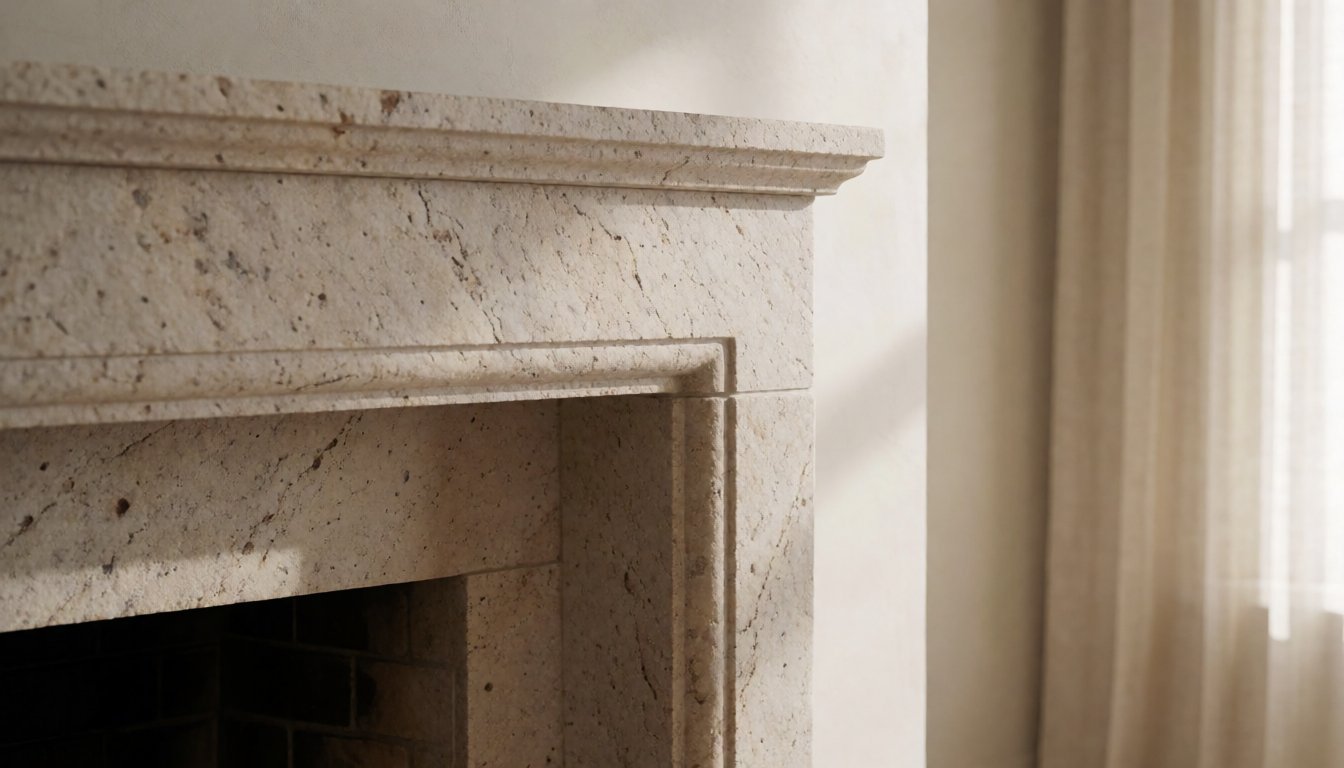
Shipping heavy natural stone furniture from China to the US or EU involves more than just loading containers; it requires a rigorous packing strategy that prevents breakage during ocean transit and inland delivery. As an importer sourcing sinks, bathtubs, dining tables, fireplaces, or vanities, your primary concern is minimizing loss claims while ensuring items arrive install-ready. A single fracture in a marble slab can cost thousands of dollars to replace plus shipping fees for the return trip. The difference between a successful shipment and a disaster often lies in three specific areas: external crating strength, internal foam cushioning, and edge protection protocols.
Structural Integrity of Marble Crate Packing
The outer shell is your first line of defense against stack loads from other containers or rough handling by stevedores on the dock. Standard wooden crates must be built to withstand dynamic forces during a 30-day ocean voyage plus truck transfers at origin and destination ports. For heavy stone furniture, such as granite fireplaces weighing over 45 kg (100 lbs) or large dining tables exceeding 2 meters in length, we typically use reinforced plywood rather than simple particle board.
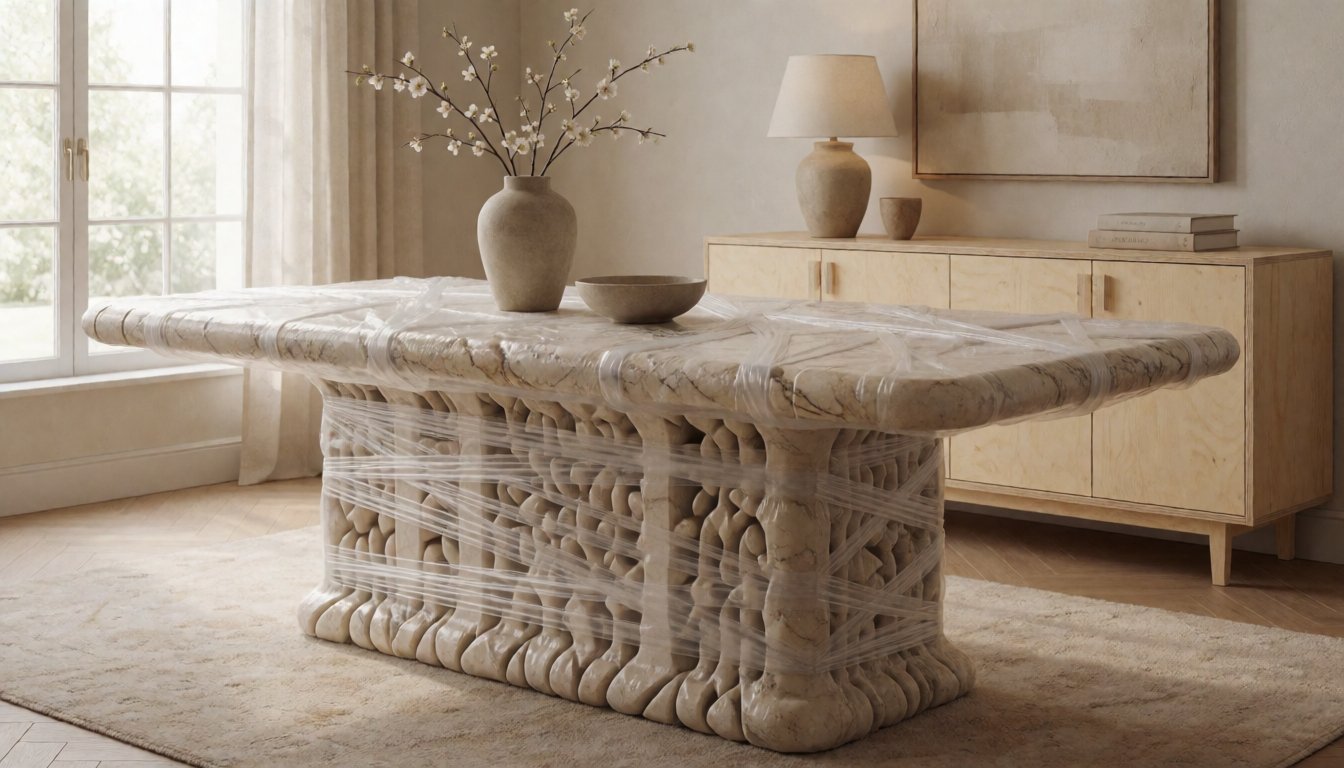
When requesting quotes for marble crate packing, ask specifically about the nail gun density and corner bracing. A standard export-grade crate should feature at least one layer of plywood on each face with internal cross-bracing every 60 cm (24 inches) to prevent bowing under weight. For units exceeding 15 kg per square meter, we recommend adding steel angle supports inside the frame before inserting the item. The crate floor must be sealed or lined with a moisture barrier; stone is porous and can absorb saltwater spray during port stays, leading to staining upon arrival in dry climates like California or Arizona.
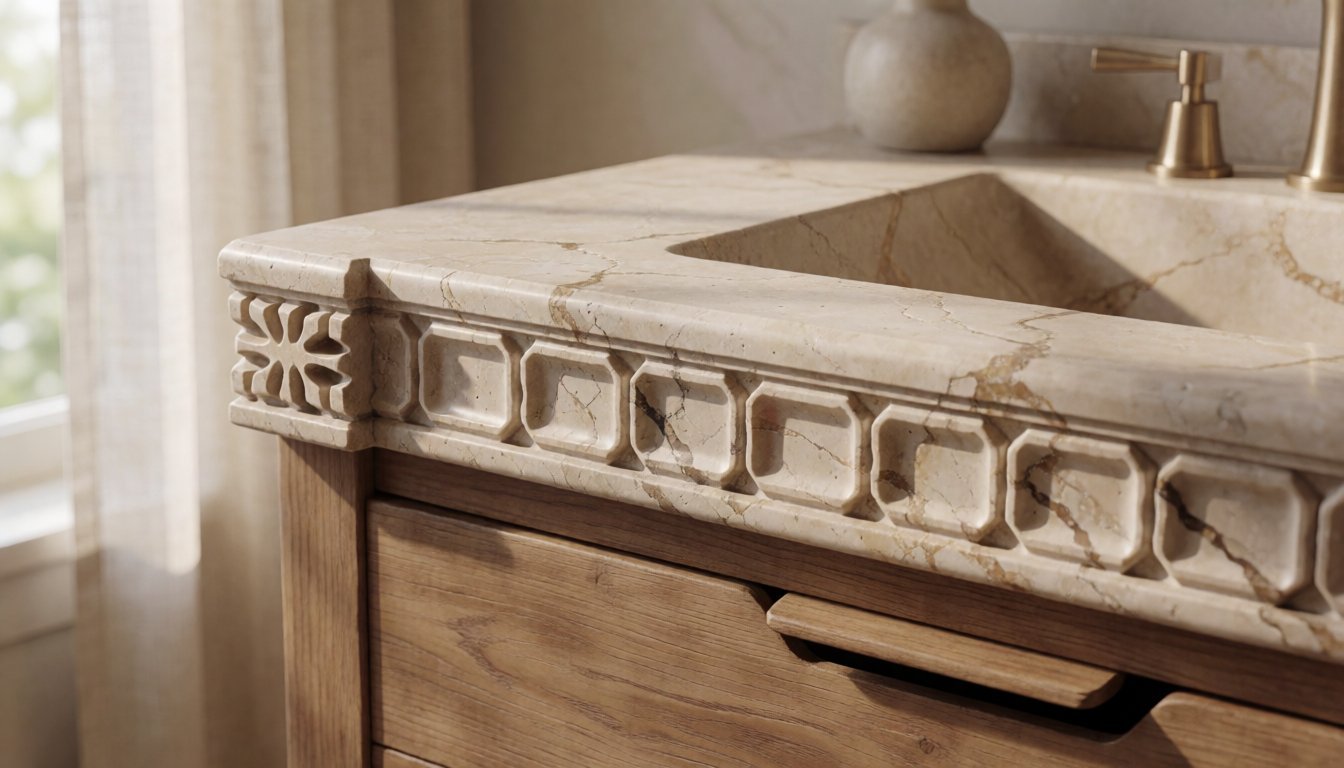
Dimensions also dictate cost efficiency. We optimize space by removing unnecessary packaging layers but never at the expense of structural safety. If your order includes multiple vanities totaling 2 tons per container, we group them strategically so that heavier items sit on solid supports rather than floating loosely against lighter pieces. Always verify if the supplier uses ISO-compliant timber stamps; while not legally required for every shipment to non-EU countries, it indicates adherence to international phytosanitary standards which avoids costly delays at customs inspections in major US ports like Los Angeles or Newark.
Internal Foam and Shock Absorption
Once inside the crate, internal cushioning manages vibration and impact from sudden stops during loading/unloading operations. Generic foam peanuts are insufficient for stone furniture due to their tendency to settle over time and leave gaps that allow items to shift. Instead, manufacturers should use high-density polyethylene (EPE) foam cut specifically to your product’s contours.
For a typical bathroom sink with an integrated basin measuring roughly 60 x 45 cm and weighing around 12 kg, we utilize at least 3 cm of custom-cut EPE around the bowl area. This prevents water from splashing out during transit if the crate is tipped slightly. Larger items like stone bathtubs often require full-length foam inserts that act as a mold to hold the tub’s shape while adding significant shock absorption against drops up to 15 cm (6 inches).
Cost-effective alternatives exist for lower-value decorative stones, but high-end marble and quartzite demand premium protection. We advise specifying “closed-cell” foam rather than open-cell varieties because closed cells resist moisture intrusion better and maintain structural integrity longer under compressive loads. The thickness of this layer should generally be proportional to the item’s fragility; a delicate onyx tabletop might need 5 cm of padding, whereas a dense granite slab can survive with less bulk material if properly strapped down. Always request photos or video evidence from your supplier showing how they cut and place these foams before sealing the crate.
Stone Edge Protection Protocols
The most common point of failure in stone furniture shipping is not impact damage but edge chipping caused by friction during handling. Sharp corners on dining tables, fireplace surrounds, or vanity tops are vulnerable to nicks from forklift tines or pallet jacks even when wrapped correctly. This brings us directly to the necessity of robust stone edge protection measures that go beyond simple cardboard strips.
Our standard protocol involves applying a heavy-duty adhesive foam strip along all four edges before placing any secondary wrapping materials. For items with sharp 90-degree angles, we recommend adding rigid plastic guards or thin aluminum shims inside the crate corner to absorb lateral pressure. If you are shipping fireplaces which often feature protruding mantels or hearths extending beyond standard dimensions, ensure these extensions get dedicated blocking within the crate so they do not act as levers against neighboring goods in the container stack.
Waterproofing plays a critical role here too; if rainwater enters through small gaps around window frames on stone vanities, it can seep behind edge protectors and cause rust stains or mold growth inside the packaging material upon delivery. We seal all internal joints with waterproof tape before applying final layers of shrink wrap. Remember that once water penetrates cardboard liners, they lose their protective qualities instantly. For export orders destined for humid regions in Europe followed by dry inland transport to Germany or France, double-checking moisture barriers is essential to prevent premature degradation of your packaging materials during the journey from the port terminal to the warehouse floor.