Choosing between sculptural stone furniture and minimalist marble designs is not just an aesthetic debate; it is a business decision that impacts your inventory turnover, margin structure, and target customer base. As a buyer looking to stock shelves for the US or EU market, you need data-driven insights rather than design trends alone. The short answer depends entirely on who you are selling to: high-end boutique interiors favor complex forms, while large-scale e-commerce operations often struggle with heavy, irregular pieces but thrive on clean lines. At Gladystone, we manufacture both sculptural sinks and minimalist dining tables because understanding the mechanics behind these styles is key to profitability.
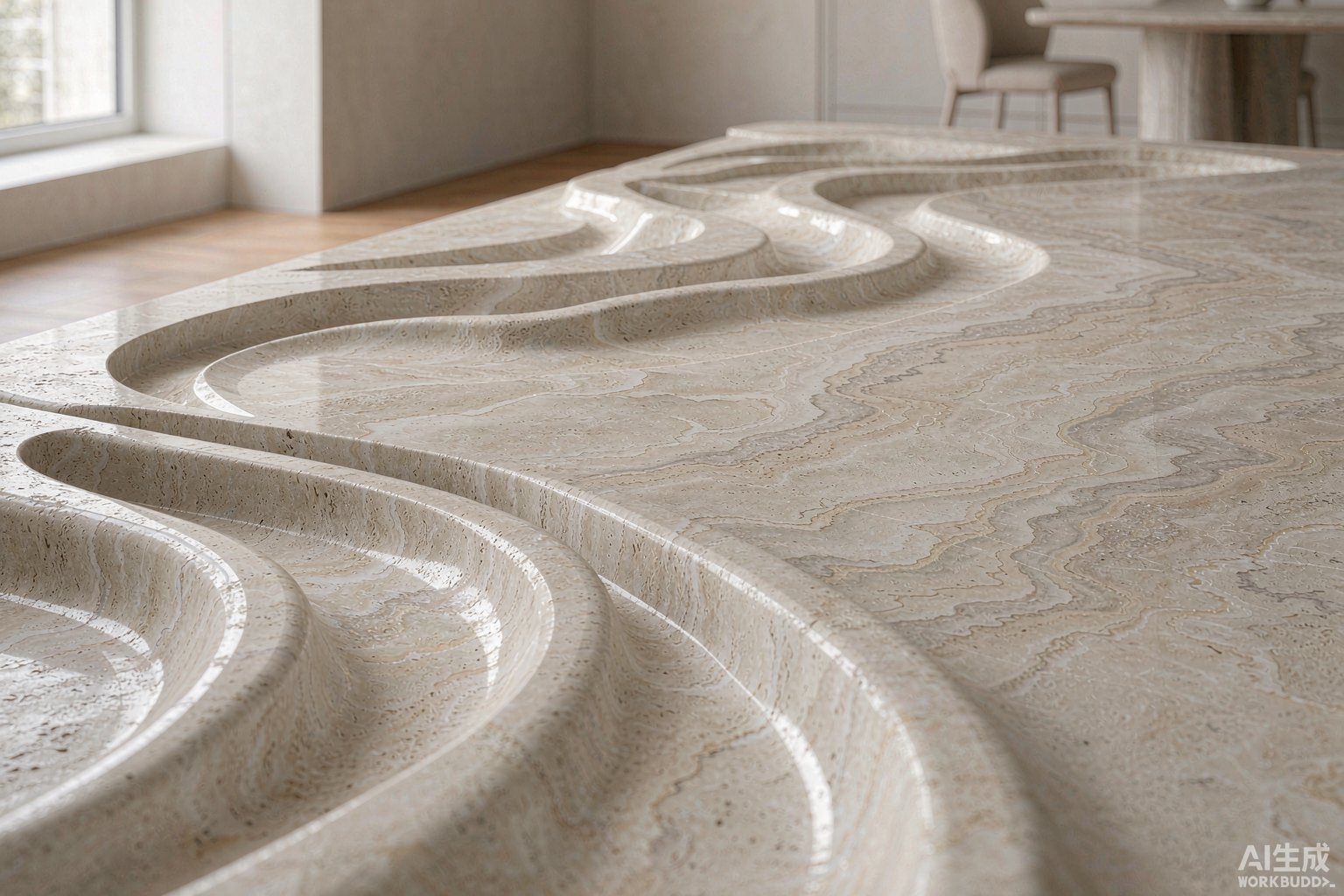
The Economics of Complexity vs. Simplicity
When you order from a factory like ours in China, production costs diverge sharply between style categories. A sculptural stone furniture piece requires significantly more skilled labor than a standard slab cut into straight lines. We typically charge roughly 30% to 50% higher for hand-sculpted basins or fireplaces compared to machine-polished equivalents because an artisan must carve the form rather than just polish it flat.
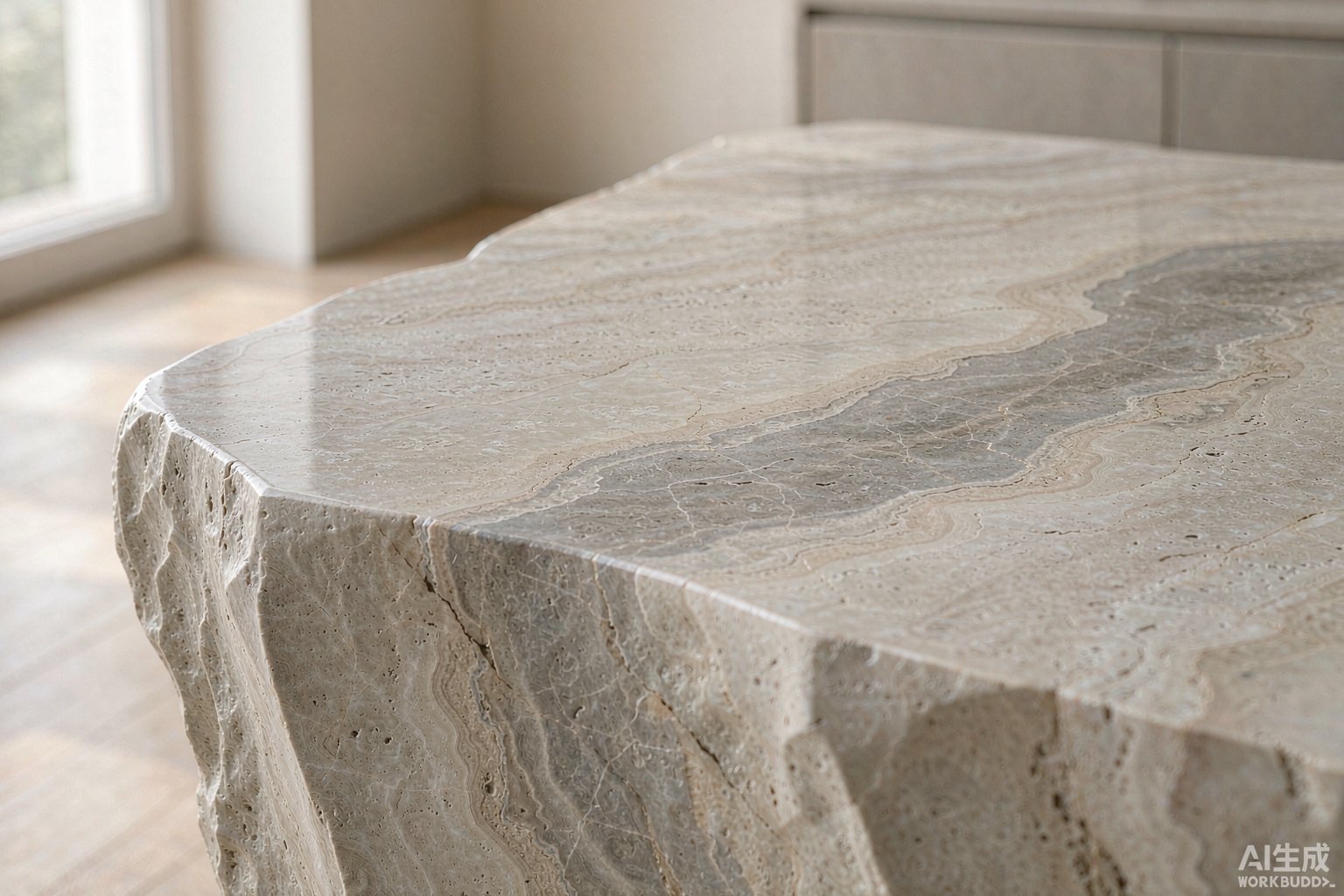
For minimalist marble furniture, such as our dining tables, efficiency drives the price down. These pieces often feature standard slab dimensions like a 30cm drop and symmetrical cuts that minimize waste during manufacturing in China. A typical minimalist side table might weigh between 45kg to 60kg depending on thickness (2-3cm), allowing for optimized packing without excessive void fillers.
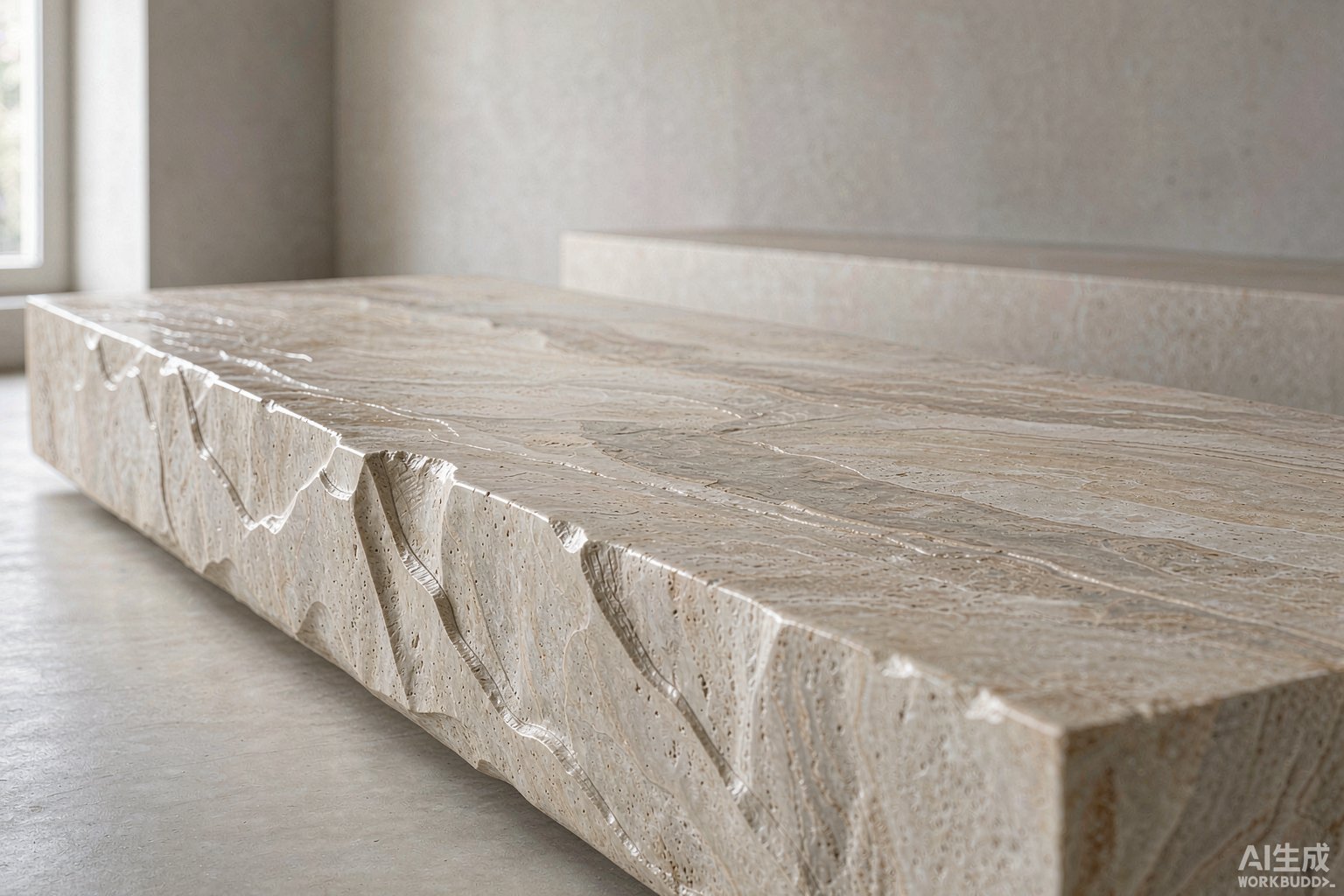
In contrast, sculptural items often require custom molds or hand-shaping after the slab is cut from a large block of Carrara or Calacatta marble. This adds lead time and potential defect risk. If you are dropshipping via Shopify to consumers who expect low-touch shipping logistics, minimalist pieces offer better margins because they are easier to handle during freight forwarding. Complex curves increase the chance of cracking during transport if not crated perfectly, whereas a flat slab is straightforward for palletizing.
Understanding Weight and Shipping Costs
One factor you cannot ignore when sourcing wholesale from Gladystone or any other manufacturer in China is volumetric weight versus actual weight. Stone furniture is heavy by nature, but style dictates how much extra mass you are shipping per unit value.
A standard minimalist stone table usually sits between 10cm to 14cm thick for durability against daily wear. However, a sculptural vanity or basin often involves thicker sections to maintain structural integrity during carving, pushing weights up into the 80kg+ range before even accounting for packaging. When calculating your landed cost in Europe or the US, remember that freight forwarders charge based on CBM (cubic meters). A bulky, irregularly shaped sculptural piece takes up more air space than a sleek rectangular slab of similar weight.
For example, our typical minimalist sink measures roughly 50cm x 40cm with an overflow hole standard for US plumbing codes. It weighs approximately 35kg and fits into a standardized crate. A custom sculptural stone furniture item might have varying thicknesses that require double-crating to prevent stress fractures during the ocean voyage from China to your warehouse in California or London. This extra packing material eats directly into your gross profit margin unless you sell at a premium price point justified by unique design.
Target Audience and Price Tolerance
Your sales channel determines which style converts better. If you are selling minimalist marble furniture on Amazon FBA, Temu, or general home decor sites, the data shows higher velocity for simple forms. These buyers look for “Instagrammable” but uncomplicated items that fit into small apartments with limited budgets of $150 to $400 per piece. They value consistency over uniqueness because returns happen less frequently when every unit looks identical.
Conversely, sculptural stone furniture sells best through direct-to-consumer brands or interior design studios where the buyer understands rarity commands a higher price tag. These customers are willing to pay $800 for an oval hand-carved basin with organic edges because it serves as a focal point in a luxury bathroom renovation. However, these orders come with lower volume and longer sales cycles. You must educate your buyers on why our sculptural lines cost more than the flat-slab alternatives we produce alongside them.
Wholesalers need to know that mixing styles helps mitigate risk. If one style lags due to changing trends in US housing stock (e.g., a shift away from ultra-modern minimalism toward organic modern), your other inventory can carry you through. We recommend stocking at least 60% of your volume with standard minimalist marble furniture for cash flow and reserving the remaining 40% for exclusive sculptural pieces to differentiate your brand identity against competitors on platforms like Etsy or specialized design portals.
Quality Control: What To Ask The Supplier
When placing an order at Gladystone, do not assume quality is uniform across styles. Hand-sculpted items carry a higher risk of subtle imperfections that are invisible in photos but apparent upon installation. Always request samples before committing to large quantities for sculptural stone furniture. Check the grain continuity around carved edges; if the carving breaks the natural flow of the marble veins, it lowers resale value significantly despite looking artistic at first glance.
For minimalist pieces, focus your QC checklist on edge straightness and polish consistency. A table with a wavy edge or uneven polishing will generate returns immediately because customers expect geometric perfection in this category. Ask our factory team for their defect rate statistics per batch—typically we maintain under 2% rejection rates for standard slabs but slightly higher (3-5%) for bespoke sculptural work due to the manual nature of shaping.
Verify that your supplier can handle specific US/EU standards regardless of style. For instance, ensure all sinks meet ADA compliance if you are stocking them for commercial projects or accessible home renovations. While sculptural basins often bypass standard drain hole placements which might confuse installers unfamiliar with custom fittings, minimalist models adhere strictly to P-trap and overflow requirements found in your local building codes.
Strategic Inventory Planning for Maximum Profit
To succeed as a dropshipper or wholesaler of natural stone furniture from China, you must align product selection with logistical realities. Start by analyzing your shipping partners’ restrictions on oversized cargo. Minimalist marble furniture fits easily into standard LCL (Less than Container Load) shipments, keeping freight costs predictable. Sculptural pieces often require FCL (Full Container Load) or dedicated air freight if urgent deadlines are needed to meet holiday sales seasons in the West.
At Gladystone, we can provide quotes that break down unit price based on volume tiers and stone origin. Roughly speaking, a 120cm x 75cm minimalist dining table made from standard white marble might cost you $65-$85 FOB China depending on thickness (usually 2-3 cm). A similarly sized piece with sculpted organic edges could jump to $95-$125. Calculate your shipping differential carefully; sometimes the price gap narrows once freight is included because heavier items incur higher ocean rates anyway.
Balance your catalog by offering a core range of minimalist essentials for steady cash flow and a curated collection of sculptural stone furniture to attract high-ticket clients. Monitor return reasons closely—if you see too many complaints about installation difficulty with complex shapes, adjust your product mix toward easier-to-install designs or provide better video guides showing how to handle the unique mounting requirements of curved basins versus flat vanities.