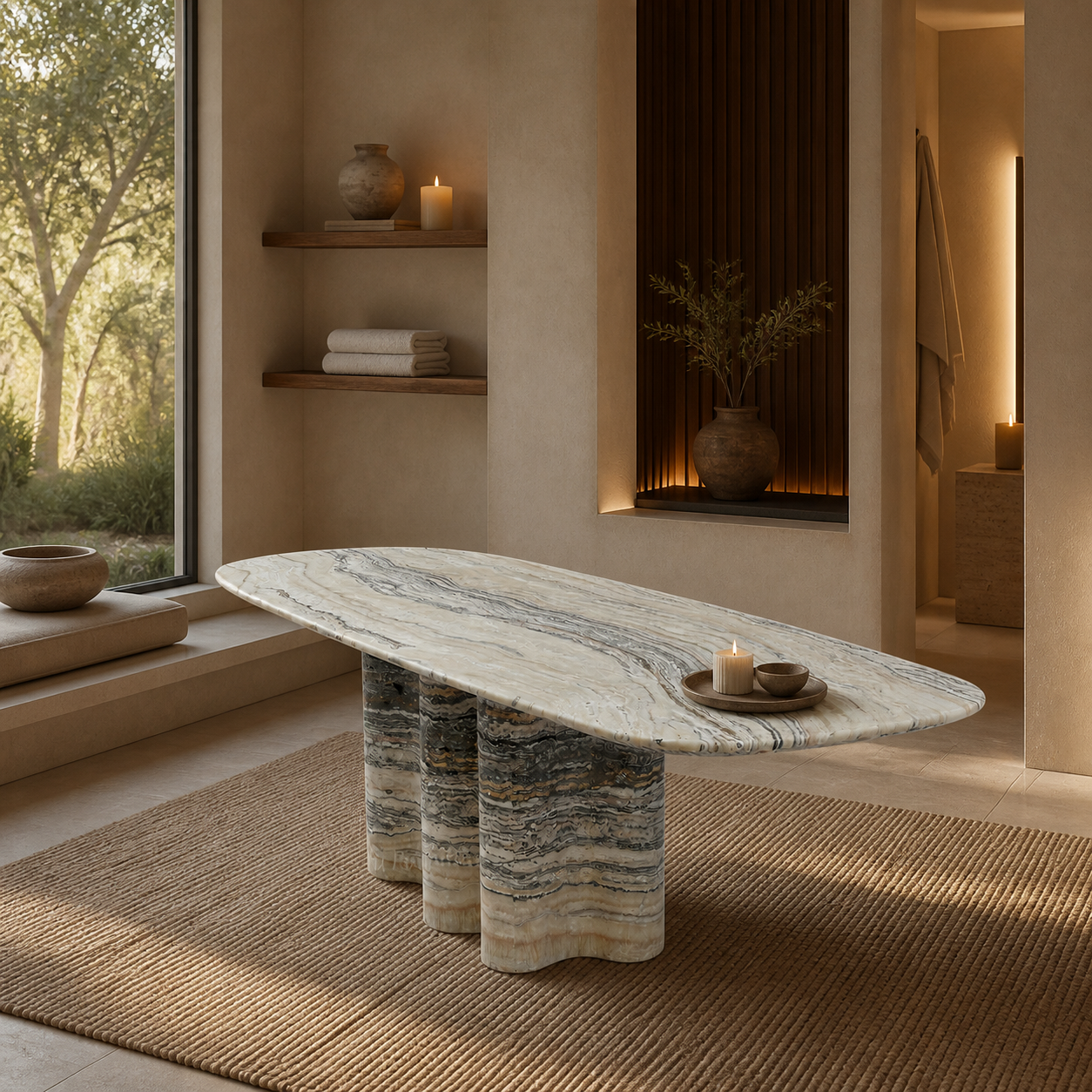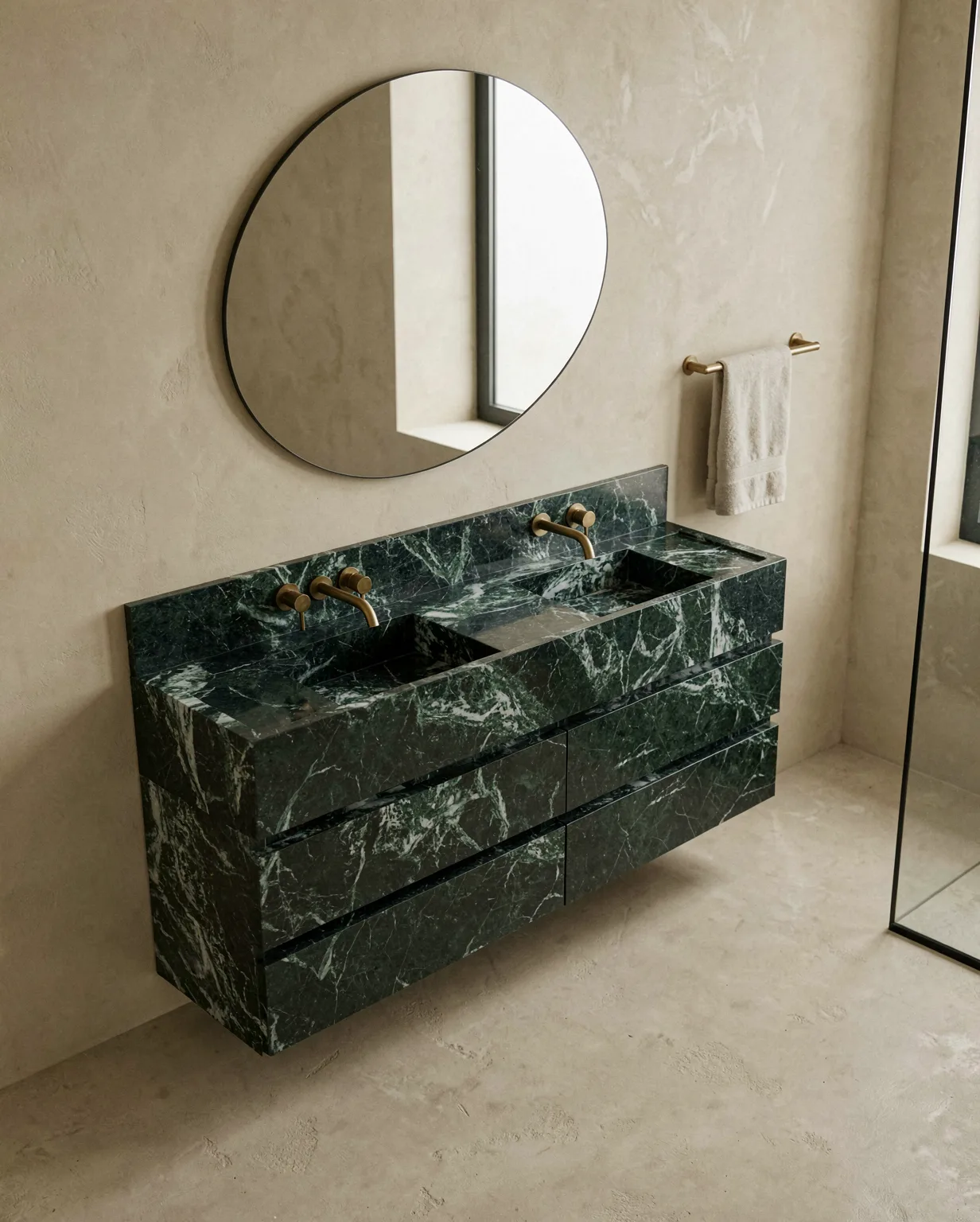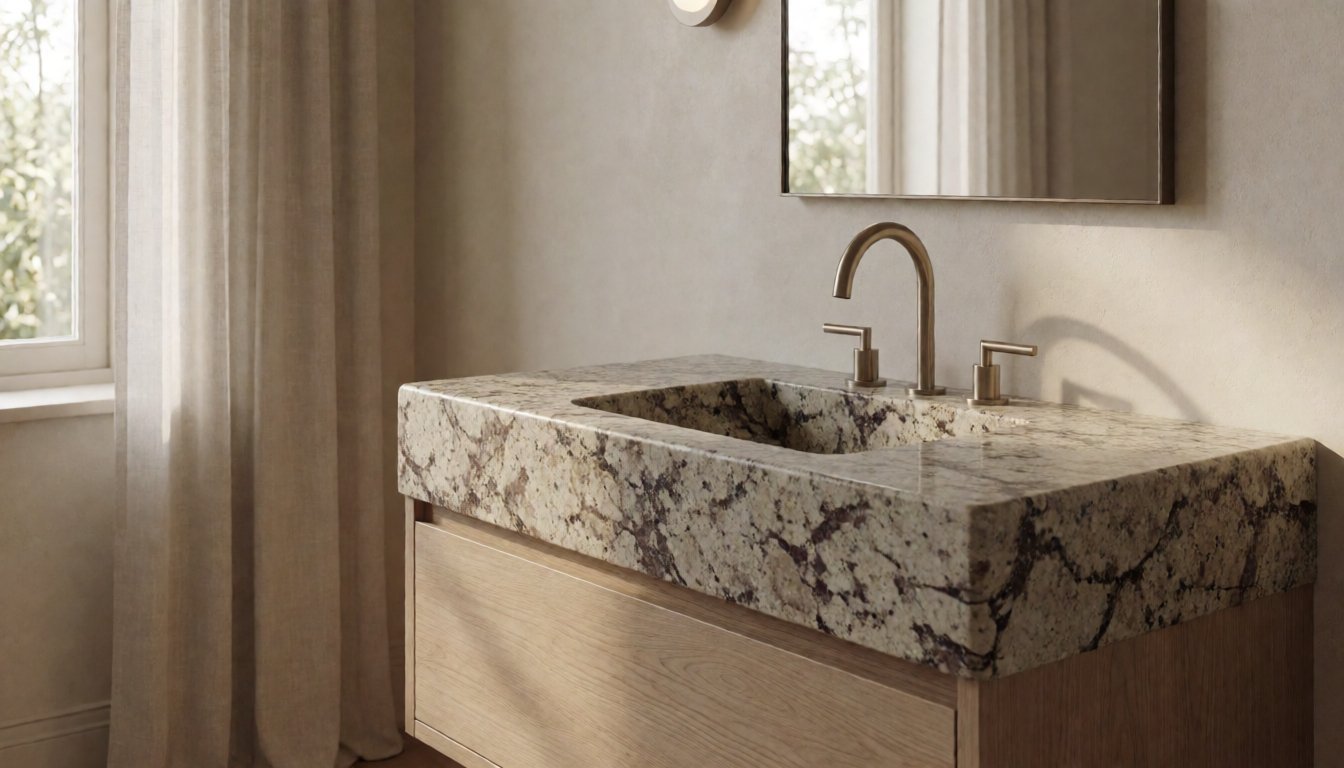
Importers sourcing bathroom vanities or dining tables from China face a critical decision every quarter: how to navigate material specifications without risking reputation damage upon delivery in the US or EU. The market for natural vs resin stone has shifted dramatically as supply chain costs fluctuate and consumer demand favors lighter, cheaper alternatives. At Gladystone, we manufacture both genuine granite slabs and engineered options using white marble dust mixed with high-grade epoxy resins. As a buyer evaluating catalogs from multiple suppliers, your primary task is distinguishing between solid natural rock surfaces that have been polished to perfection and resin filled marble products where the stone matrix has been significantly altered for cost reduction. This guide outlines exactly what to inspect during quality control checks and how to interpret supplier claims regarding material composition.
Understanding Material Composition and Weight Differences
The most reliable indicator of whether a slab is truly natural or heavily modified lies in its physical weight relative to its dimensions. A standard 3cm thick vanity top measuring roughly 90cm by 180cm typically weighs between 65kg and 75kg if made from genuine granite like Giallo Ornamental or Nero Marquina. When a supplier provides an enhanced stone surface that feels significantly lighter—perhaps only 45kg to 50kg for the same dimensions—you are likely dealing with a composite material where natural density has been replaced by resin and filler dust.
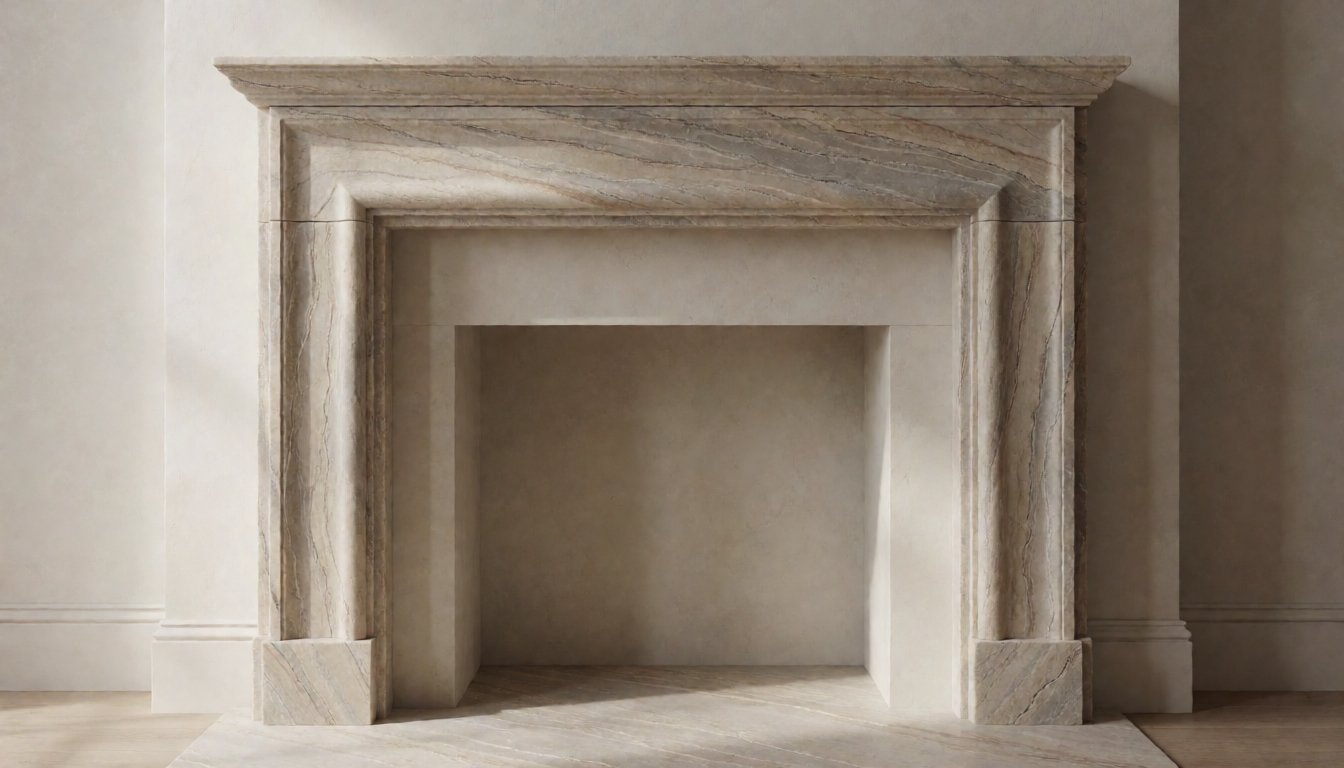
Natural stones like granite, quartzite, or marble have specific gravity ranges that are hard to fake without compromising structural integrity. If your supplier claims their “natural” slabs weigh less than 60% of the expected baseline for that stone type and thickness, request a third-party lab report immediately. Do not accept vague explanations about quarry variances; real geological variance rarely results in such drastic weight drops. For example, our standard fireplaces made from natural soapstone or granite usually exceed 40kg even when cut into thin profiles (2cm). If the product arrives underweight compared to your shipping manifests and expected logistics data, it often signals a hollow core structure created by excessive resin filled processes rather than actual stone.
Identifying Visual Clues During Incoming Inspection
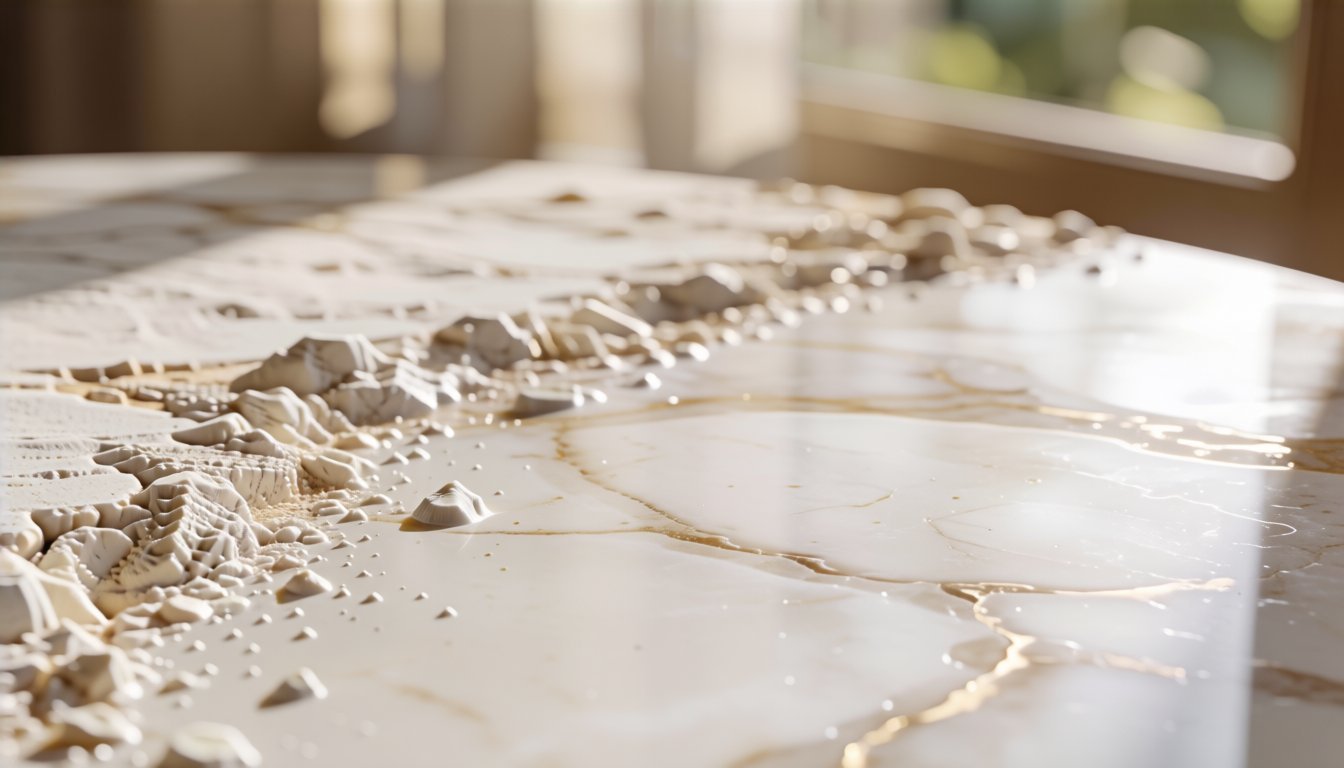
Visual inspection remains the first line of defense against material substitution fraud. Genuine natural stone possesses unique grain patterns that never repeat exactly; veins in marble or speckling in granite follow organic, chaotic paths dictated by geological formation over millions of years. Conversely, resin filled surfaces often exhibit overly uniform coloration or repetitive vein structures generated digitally before printing onto a substrate. When you open the carton and lay out several slabs side-by-side on your warehouse floor, look for inconsistencies in translucency. Natural stone allows light to refract differently depending on the angle of incidence; resin-heavy composites tend to have a flatter, plastic-like sheen that lacks depth.
Pay close attention to color consistency within a single slab. While natural stones do show variation, they rarely display sharp bands of contrasting colors separated by clean lines unless it is a specific banded variety like Blue Bahia or certain marbles found in Brazil. Enhanced stone surfaces often use injection molding techniques that create perfect symmetry across large areas, which looks artificial upon close examination under bright warehouse lighting. Check the edges and cutouts for chipping patterns; natural stone fractures with conchoidal breaks (curved lines), whereas resin-bonded materials tend to snap cleanly or show delamination at stress points like sink cutouts or faucet holes.
Cost Drivers and Supply Chain Risks Explained
Understanding why certain prices drop helps you identify low-quality products before they leave the factory floor. The cost of natural stone is driven by quarry extraction rates, transport logistics from China’s Fujian or Guangdong provinces to export ports, and global freight volatility. If a supplier offers pricing that seems too good to be true for high-end stones like Calacatta Gold, verify their source directly with your procurement team. Suppliers cutting corners often substitute expensive natural material with inexpensive white marble dust mixed with up to 40% resin content to reduce raw material costs by roughly 30-50%.
Shipping weights also impact your landed cost calculations significantly. A container load of true granite slabs will have a maximum payload capacity based on strict tonnage limits. If you order resin filled marble instead, the lighter weight per unit means fewer pallets or boxes fit in one TEU (Twenty-foot Equivalent Unit), potentially increasing shipping costs due to volumetric freight charges rather than actual weight. Furthermore, return rates for damaged goods are higher with composite materials because they lack the tensile strength of natural stone; a dropped table leg during transport can crack solid granite but might cause an enhanced surface to delaminate or shatter completely. Always factor in potential rejection costs when negotiating MOQs (Minimum Order Quantities) below 50 pieces, as quality inconsistencies become more pronounced at lower volumes where suppliers may mix batches of different grades without clear labeling.
Questions Every Importer Must Ask Suppliers Before Ordering
Before placing a bulk order for vanities or dining tables, send specific technical queries to potential Chinese manufacturers like Gladystone. Do not accept general assurances about “premium quality.” Instead, ask: “What is the exact percentage of natural stone content versus resin binder in this slab?” If they hesitate or claim it is proprietary, proceed with caution as transparency indicates confidence. Request samples sent via DHL Express (typically 3-5 days) to test hardness using a Mohs scale scratch kit; genuine granite resists scratches from a steel file easily, while resin filled surfaces may show dulling immediately upon friction testing.
Ask about the lead time differences between natural stone stock and custom-mixed resin batches. Natural stones often require 7-15 days for production if not in immediate inventory due to quarry-to-factory processing times. Custom formulations involving high-resin mixes might promise faster turnaround (3-4 days) but carry higher risks of batch inconsistency when orders scale up beyond standard SKU ranges. Finally, inquire about certification documentation available for each product line; while specific certifications vary by region and stone type, reputable factories should provide test reports from recognized third-party labs verifying material composition without inventing fake credentials. These steps ensure you maintain brand integrity whether serving US retailers or EU wholesalers who demand authenticity in their final consumer products.