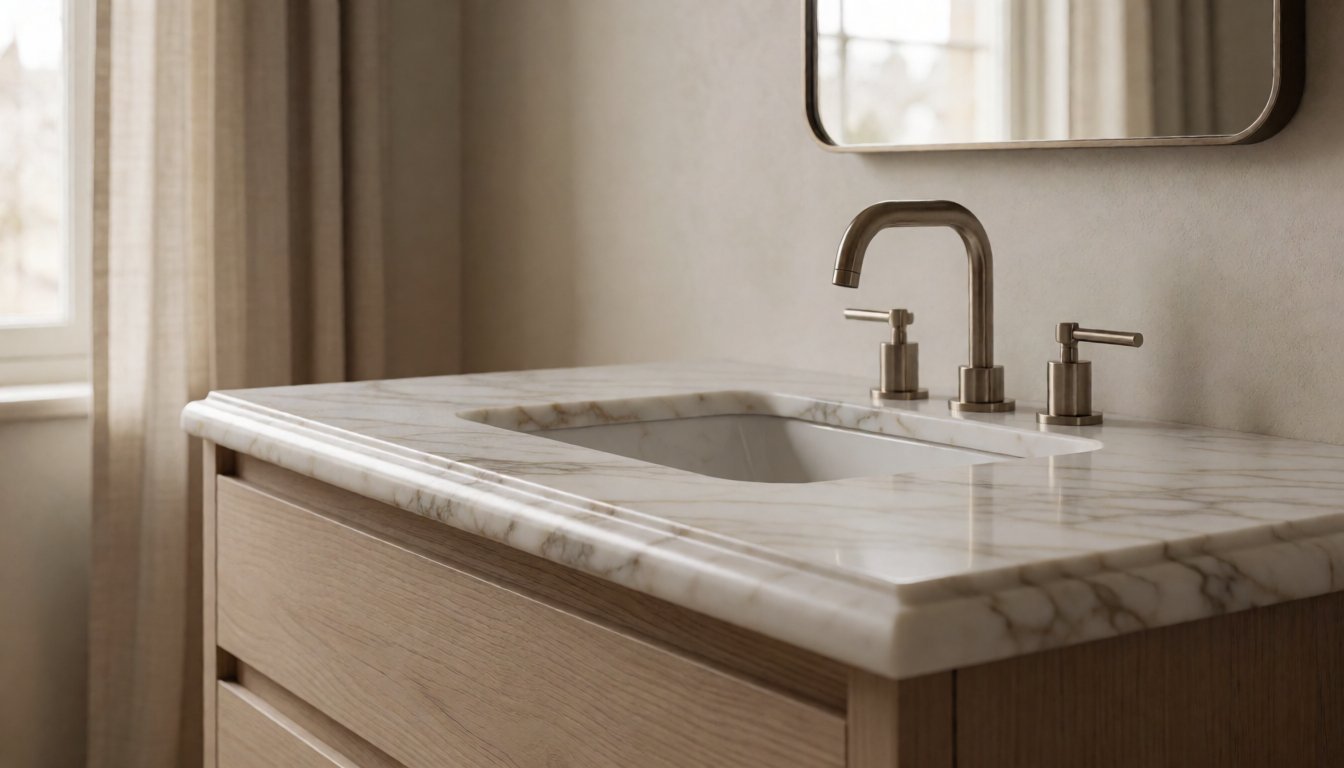
Deciding between a private label stone approach and a white label marble strategy often comes down to one critical question: how much control do you want over the final product appearance versus the speed of getting items into your store? As a B2B buyer sourcing from China, understanding these distinctions is vital for managing margins and customer expectations. Private label stone generally implies a deeper partnership where you might influence design elements or packaging, while white label marble allows you to take an existing, high-quality product and simply slap your logo on it before shipping. Both models serve different needs within the US and EU markets, particularly for Shopify dropshippers looking for quick inventory turns versus interior designers requiring custom specifications.
Understanding the White Label Model for Speed and Margin
The white label stone model is frequently the go-to choice for new e-commerce brands or wholesalers who need to validate a product line without long development cycles. In this arrangement, Gladystone manufactures standard sizes—such as a 60cm x 40cm bathroom vanity top or a 120cm rectangular dining table—and applies your requested branding upon completion. This keeps costs predictable and lead times relatively short, typically ranging from 15 to 25 days depending on the stone type and order volume.
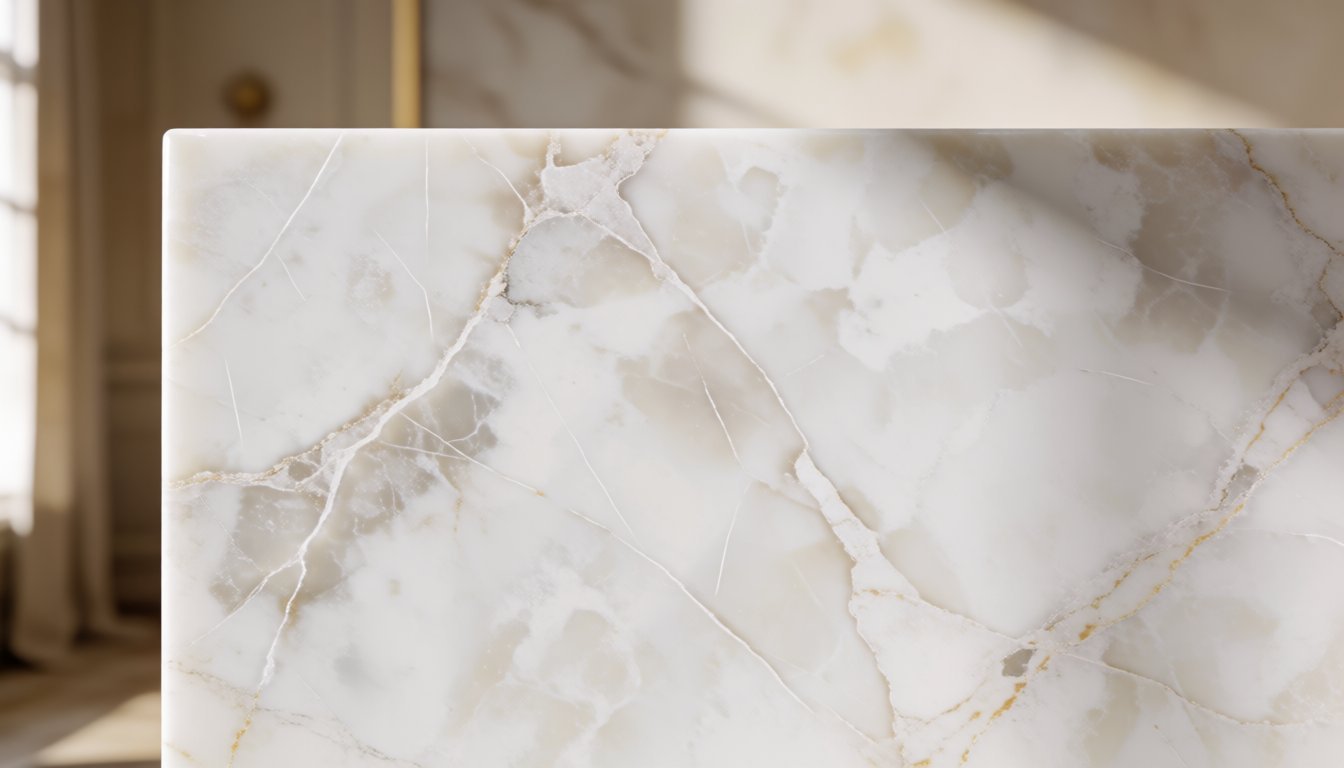
When you choose white label marble, you are buying into an established SKU. The factory has already optimized production lines for these specific dimensions, which drives down the per-unit cost significantly compared to custom orders. For a dropshipper importing stone sinks or bathtubs, this model minimizes risk. You can order small quantities, say 50 units of a standard white Carrara sink, and see results within a month. The trade-off is that you cannot alter the shape, thickness, or vein pattern of the slab. If your target demographic prefers ultra-thin profiles (e.g., 12mm edge) instead of the standard 20mm or 30mm often used in mass production, white label might not be the fit unless specific stock is available.
When Private Label Stone Becomes Necessary
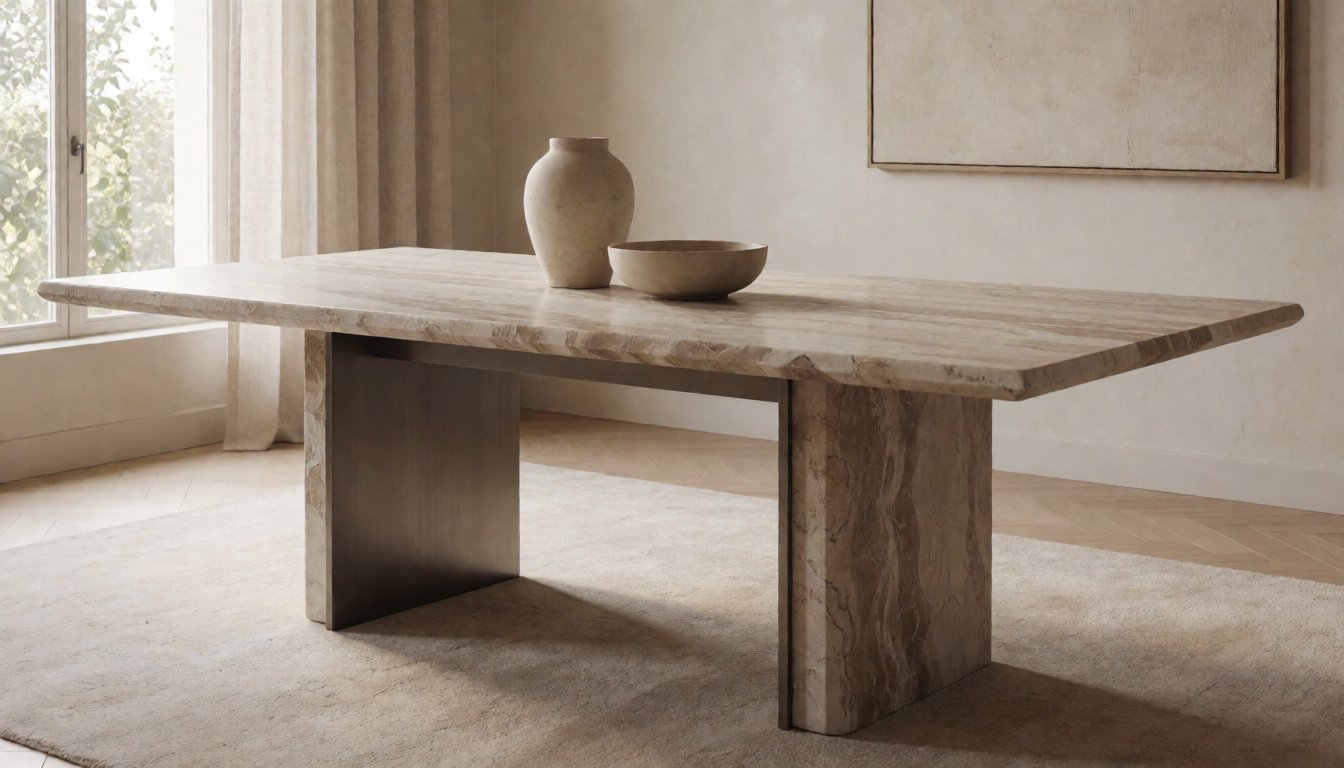
Private label stone is better suited for brands that want to differentiate themselves through unique aesthetics or specialized packaging. This model requires a longer setup phase, usually involving MOQs of 200 to 500 pieces per design. However, the payoff is higher perceived value and stronger brand loyalty. For interior designers importing fireplaces or custom dining tables, private label allows you to specify exact edge profiles like bullnose, ogee, or waterfall edges that match a client’s specific renovation plans.
Consider a scenario where you are building a luxury furniture line for the EU market. You might request a specific slab thickness of 25mm with reinforced corners for heavy usage. With private label, Gladystone can carve these details into the mold or production process. This flexibility often justifies a slightly higher unit price but allows you to charge a premium to your end customers. The lead time extends to roughly 40–60 days because the factory must set up molds and source specific raw stone veins to match your approval samples. You are essentially co-creating the product, which protects you from market saturation issues common with generic white label items.
Critical Factors Affecting Cost and Lead Time
Regardless of whether you lean toward private label or white label, three factors will dictate your final costs: stone rarity, order complexity, and logistics preparation. Common stones like Calacatta Gold or Statuario are inherently more expensive than standard Carrara or Crema Marfil due to lower availability and higher demand. When ordering large formats, such as a 300cm x 150cm fireplace surround, the weight increases exponentially, impacting shipping freight rates by 20–30%.
For white label orders, keep an eye on packaging requirements. If you need individual carton boxing with your own branding instead of standard pallet wrapping, add 1–2 weeks to production and increase unit costs by roughly $5–$8 per piece. Private label projects require strict quality control checkpoints. You must approve the “green sample” (the initial slab cut) before mass production begins. Skipping this step risks receiving slabs with hidden cracks or poor veining that you cannot return once the container leaves China. Always factor in a 10–15% contingency budget for potential breakage during ocean freight, which is unavoidable when dealing with fragile stone materials.
Questions to Ask Your Supplier Before Ordering
Before committing to a contract, prepare a checklist of technical and logistical questions to ask Gladystone or any other supplier. Start by asking about their current inventory levels for specific slabs. If you are doing white label, can they guarantee the availability of the exact shade number you need within your target lead time? For private label inquiries, ask if they can provide 3D renders of your design proposal to visualize how the edge profile and hardware will look on a finished vanity or side table.
Inquire about their quality control protocols for sealing porous stones like travertine or limestone before packing. Unsealed stone can stain easily, leading to negative reviews upon arrival in the US or EU. Ask for photos of the actual packing method; double-wrapped slabs with foam corners are standard, but custom crating for high-value fireplaces might be necessary. Finally, clarify who handles customs clearance and import duties. While Gladystone may assist with documentation like the Commercial Invoice and Packing List, you remain responsible for paying US CBP or EU customs fees. Getting these details upfront prevents costly delays at the port of entry and ensures your landed cost calculations are accurate.