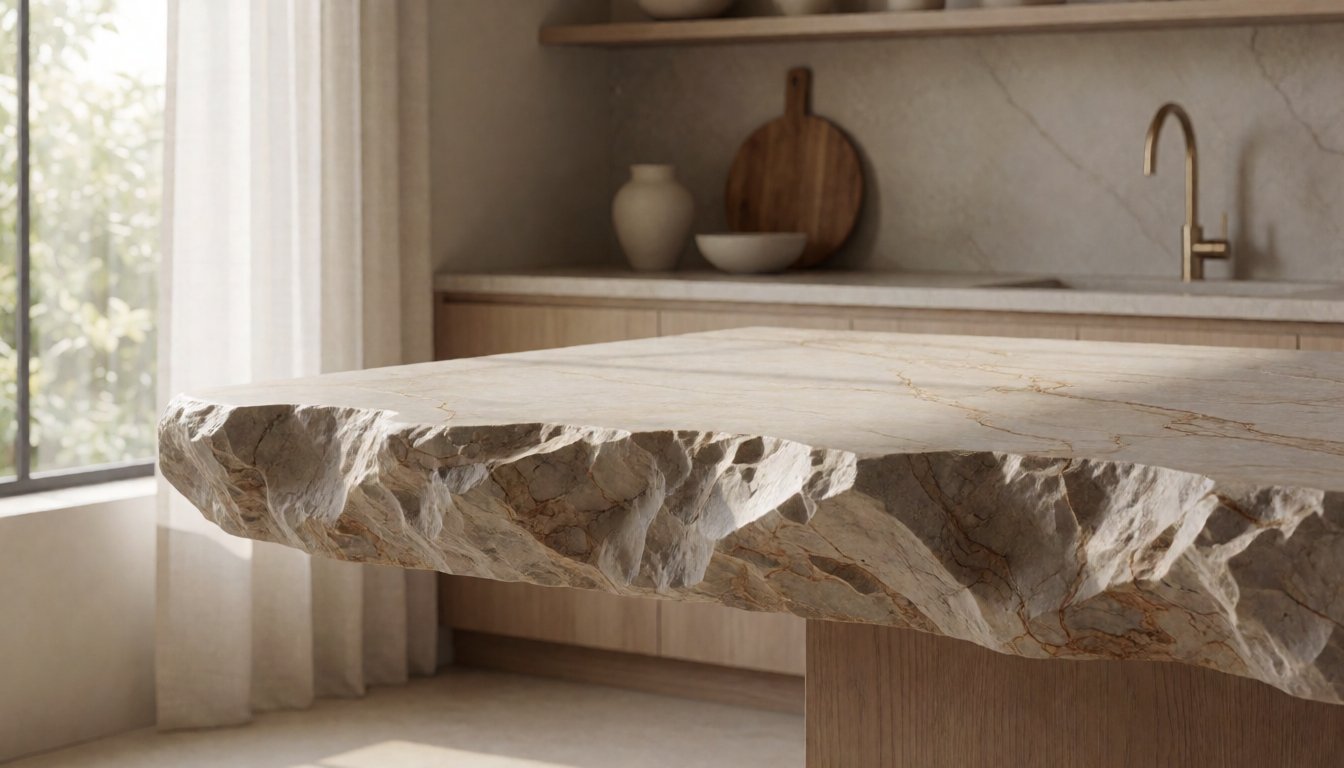
When an interior designer specifies natural stone for a high-end project, they are balancing three distinct pressures: aesthetic perfection, structural integrity, and budget reality. Most designers operate under the assumption that sourcing interior designer stone is purely about finding the most beautiful slab. However, the actual process involves rigorous technical vetting and understanding supply chain logistics that often differ significantly from standard retail shopping. If you are a manufacturer or supplier looking to partner with these professionals, you must understand how they move from a mood board to a final bill of materials without blowing the budget.
The Specification Process: Beyond Visuals
A professional stone specification begins long before a sample arrives in the studio. Designers do not simply pick a color; they define performance requirements that dictate which quarries and suppliers can actually fulfill the order. When reviewing a project brief, you will find details like “waterfall edge,” “honed finish,” or specific thickness requirements (often 2cm for vanity tops versus 3cm for dining tables).
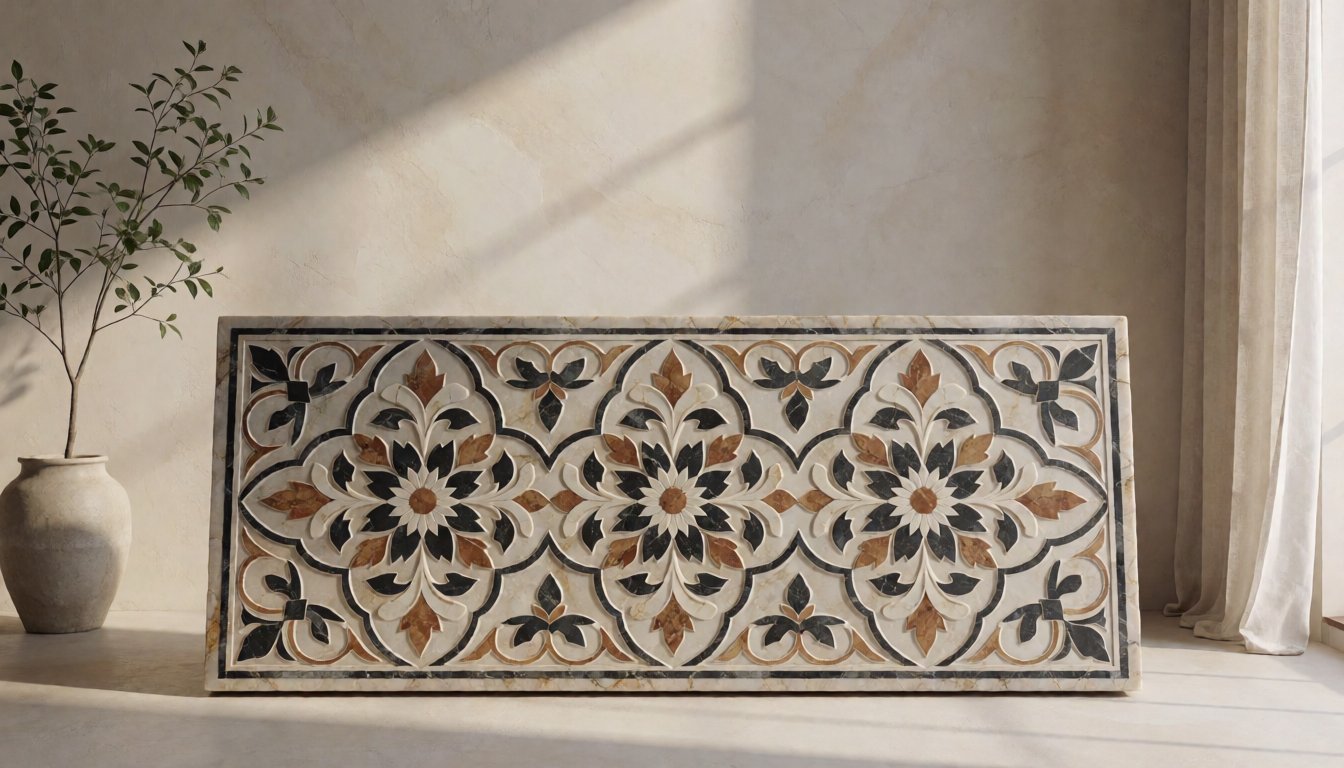
Designers also specify tile sizes based on the room geometry. For large-format slabs, they need to know your minimum cutting yield to avoid waste. A common friction point is the lead time. If a designer needs a fireplace surround installed by a specific date, they cannot accept a standard 60-day shipping window from China without a solid contingency plan.
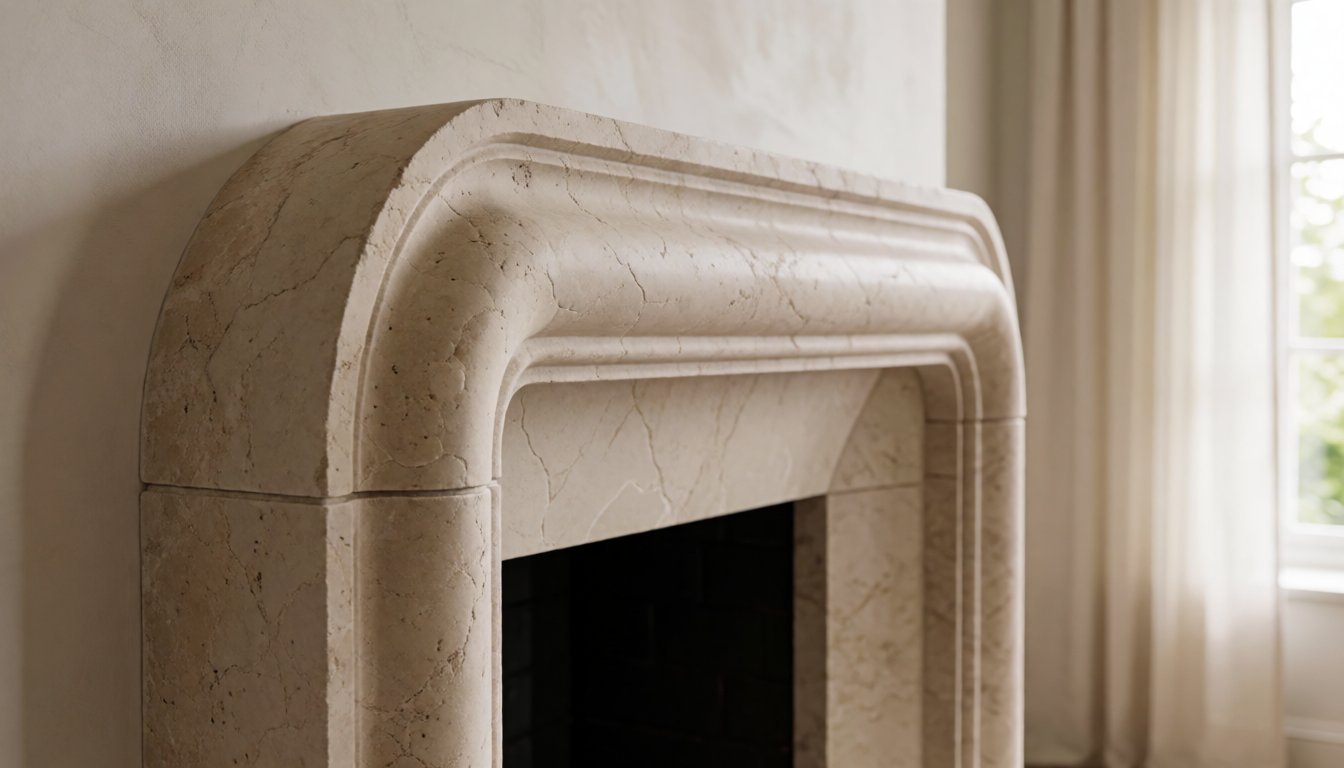
Crucially, designers specify installation complexity. A simple rectangular slab is one thing; a curved wall or an intricate inlay pattern is another. They need to know if your factory can execute CNC machining for complex shapes or if the stone must be cut by hand after arrival. This distinction affects labor costs significantly. When you discuss designer marble sourcing, always clarify early on whether the project requires pre-polished slabs or rough blocks that require local cutting.
Understanding the Markup Structure
Transparency in pricing is vital when working with professional buyers who have their own accounting systems. The standard markup model for natural stone generally follows a tiered structure based on volume and exclusivity. For standard retail projects, a designer might expect a total package price (material + fabrication + installation) that includes a 40% to 60% markup over the base material cost. This covers their design fee, project management, and risk buffer.
For wholesale or direct partnerships, the model shifts. A typical distributor or builder might look for a margin of roughly 25% to 35%. The key metric here is the “drop” price. If your base ex-factory price for a 120cm x 60cm vanity top is $450, you need to know if the designer expects to sell it at $700 or $800.
It is essential to distinguish between material markups and fabrication fees. Designers often separate these line items in their estimates. They may apply a lower markup on the raw stone but a higher one on complex cutting, polishing, and edge profiling. If you bundle everything into a single price point, it becomes difficult for them to justify costs to their client. Providing a clear breakdown—Base Material Cost + Fabrication Fee + Logistics = Total Landed Cost—builds trust and speeds up the approval process.
Logistics, Lead Times, and Quality Control
One of the biggest concerns for any importer sourcing from abroad is the reliability of the supply chain. Natural stone is heavy and fragile; a single cracked slab can delay a $50,000 kitchen renovation by weeks. When discussing logistics with a supplier like Gladystone, focus on packaging standards. Double-wall corrugated boxes with edge protectors are non-negotiable for shipping vanity tops or decorative bowls from China to the US or EU.
Lead times vary by product category. Standard dining tables and sink assemblies typically ship within 30 to 45 days after payment confirmation. Custom fireplaces or large vanities with waterfall edges may take 60 days due to additional machining steps. Always ask for a buffer date. If a designer needs items in 30 days, a factory lead time of 35 days is risky unless air freight is an option. Air freight adds roughly $200 per cubic meter but saves critical timeline risk.
Quality control checks are where the most money is lost. Designers receive samples first to approve grain pattern, color consistency, and veining. Once approved, production begins. The tolerance for variance is tight. For example, a 1cm difference in thickness across a 240cm long table top can cause instability during installation. Ask your supplier about their internal inspection protocols before goods leave the warehouse. Receiving a container with three cracked sinks due to poor palletizing is a nightmare scenario that ruins business relationships.
Building Long-Term Partnerships
To succeed in this market, you must treat designer marble sourcing as a relationship-based ecosystem rather than a one-off transaction. Interior designers prefer suppliers who act as partners, offering technical support for installation issues or helping solve on-site problems like color mismatch.
When evaluating a potential supplier, look for those who offer white-label capabilities. If a designer wants to build their own brand identity on the sinks and tables they sell, can you remove your branding and apply theirs? This requires clean machinery and strict quality control to ensure no factory residue remains on the surface.
Finally, communication speed matters. A busy project manager in New York or London expects responses within 24 hours regarding order status, potential delays, or alternative slab options if a specific batch is rejected. Provide clear photos of every batch before shipping. Send videos of the packing process. These small gestures demonstrate reliability and professional competence, turning a transactional relationship into a long-term partnership that withstands market fluctuations and economic pressure.