
Finding a reliable partner for natural stone furniture is less about finding the cheapest quote and more about verifying physical capabilities. As an importer buying sinks, vanities, or dining tables, your primary risk isn’t just high shipping costs; it’s receiving unfinished slabs that crack during transit or furniture that cannot be installed in your client’s home. A common stone sourcing scam involves suppliers who send glossy photos of finished products but fail to deliver the actual raw material or the specific finish you ordered. To protect your business, you must look past the catalog images and demand proof of their manufacturing floor before placing a single deposit.
The Cost of Unverified Factories
Many online catalogs claim to be “premium stone factories” without providing verifiable addresses or production capacity data. A legitimate stone factory verification process starts by asking for a video call where you can see the cutting saws in motion and the polishing lines running. If a supplier refuses a live walkthrough or only sends pre-recorded videos, walk away immediately.
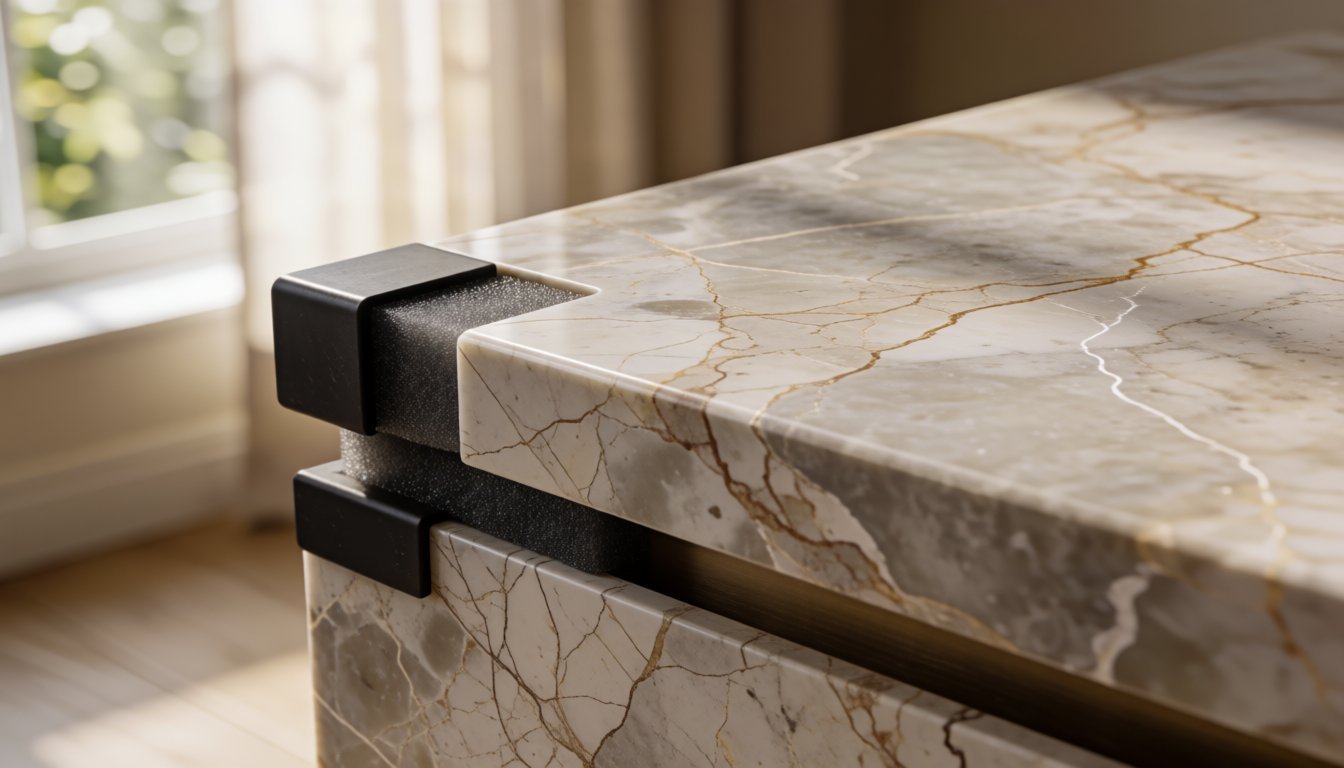
Realistically, a high-quality granite sink of standard dimensions (roughly 45cm x 45cm) weighs between 20kg to 30kg. Shipping this item safely requires proper packaging that includes corner protectors and foam inserts. If a supplier cannot explain how they pack heavy stone items for ocean freight or air shipping, their logistics are likely non-existent. You need a partner who can provide a detailed packing list showing how they secure the slab to prevent movement in the container. Without this, you risk water damage during the voyage, which ruins the stone surface and voids your insurance claims.

Warning Signs in Communication and Pricing
Communication speed and clarity are often the first marble supplier red flags you will encounter. Legitimate manufacturers have dedicated sales teams who reply within 24 hours. If a “supplier” takes days to respond or uses generic templates without addressing your specific project details, they likely use low-quality stock photos from multiple factories to sell products they do not make.
Be wary of pricing that seems too good to be true. A white-label vanity set with a solid granite countertop and an oak cabinet might cost roughly $400 to $600 FOB depending on the stone grade. If you see a quote for $150, the stone is likely low-quality commercial grade, or the price includes hidden fees like shipping from a third-party warehouse rather than direct factory production. Always ask for a breakdown: material cost, labor, polishing charges, and packaging. A transparent invoice shows exactly where your money goes, whereas vague line items often hide the use of inferior resin fills or recycled stone pieces passed off as solid blocks.
Essential Questions Before Ordering Samples
Before committing to a bulk order, you must request physical samples or at least high-resolution photos of the actual slab inventory in their yard. Never accept digital images that claim to represent the entire stock. Ask specifically about their rejection rate for natural stone; every block has veins and fissures. A professional supplier will show you how they cut around natural cracks rather than covering them with epoxy unless requested.
Ask these critical questions:
1. What is your lead time for a custom-sized fireplace surround or tub deck? Typically, raw blocks take 7–10 days to be cut, and polishing adds another 3–5 days. Rush orders often compromise surface quality.
2. Do you have ISO certifications for dust control during cutting? Poor dust management ruins the grain of marble over time.
3. Can you provide a certificate of origin for each shipment? This is crucial for customs clearance in the US and EU.
If they hesitate to answer these questions or claim that “certifications are not needed” because they sell directly, treat it as a major warning sign. You need documented proof of their quality control processes to ensure consistency across hundreds of units.
Handling Logistics and Customs Compliance
Your supplier must understand the logistics chain from their factory floor in China to your warehouse in Europe or America. A stone sourcing scam often fails at the border because the paperwork is incomplete. Stone is heavy; improper weight declarations lead to massive fines and delays at customs ports. Ensure your supplier provides accurate weights per unit (e.g., a standard dining table top weighing roughly 80kg) so your freight forwarder can calculate volume and chargeable weight correctly.
Ask if they have experience with Incoterms like FOB, CIF, or DDP. If you choose DDP (Delivered Duty Paid), the supplier manages customs clearance. If you choose FOB (Free on Board), you handle shipping and insurance. Many scams occur when a supplier promises DDP pricing but hides shipping costs by under-declaring the value of goods on invoices. Always verify that the declared value matches the invoice amount to avoid seizure by customs authorities.
Finally, establish clear penalties for late deliveries or quality failures. If a shipment arrives with hairline cracks in the stone due to poor packing, your contract should allow for partial refunds or replacement. A reputable manufacturer stands behind their work and will fix issues quickly rather than blaming “natural variations” without offering a solution.