Walking into a stone factory visit changes everything you know about sourcing natural stone furniture. Online photos often hide cracks, inconsistent veining patterns, or rough edges that only appear once the slab is cut and polished. For US and EU importers dealing with sinks, bathtubs, dining tables, and vanities, seeing the production floor firsthand separates reliable partners from risky suppliers. This guide outlines exactly what to check during a marble workshop tour to ensure your white-label brands or dropshipping clients receive high-quality goods without unexpected delays.
Assessing Raw Material Inventory and Storage Conditions
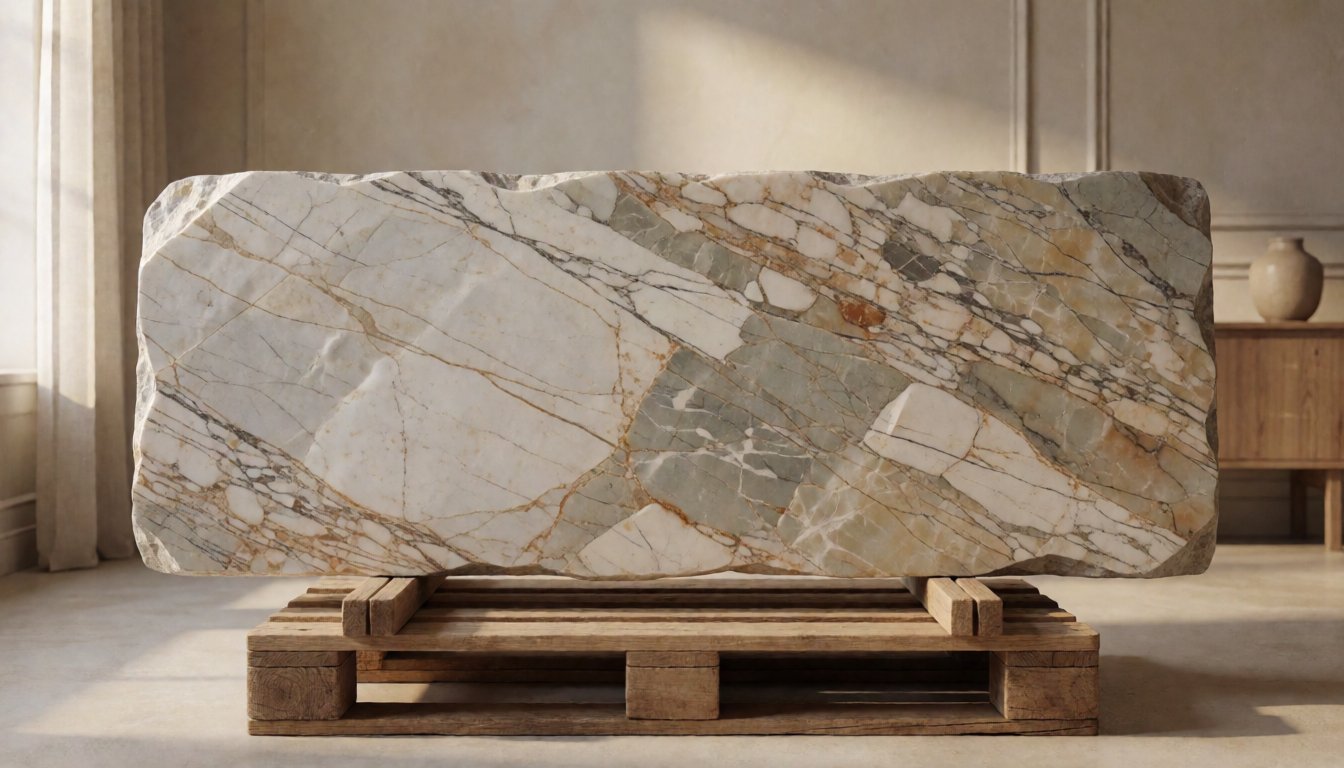
The first thing you should verify is how raw stone slabs are stored before they ever hit the cutting line. Poor storage leads to warping, cracking under tension, or discoloration from humidity. Look for slabs resting on sturdy pallets with breathable spacers between them. If slabs touch directly on concrete floors without protection, ask about their handling protocols immediately.
Check the variety of stock available. A robust inventory indicates a factory that can handle rush orders and custom projects. Ask specifically about slab thicknesses; standard bathroom vanities often use 2cm or 3cm stone, while dining tables might require thicker slabs at 4cm to prevent flexing under heavy loads. Weigh the typical output of their loading dock—a busy facility moves roughly 50–100 large slabs daily during peak seasons.
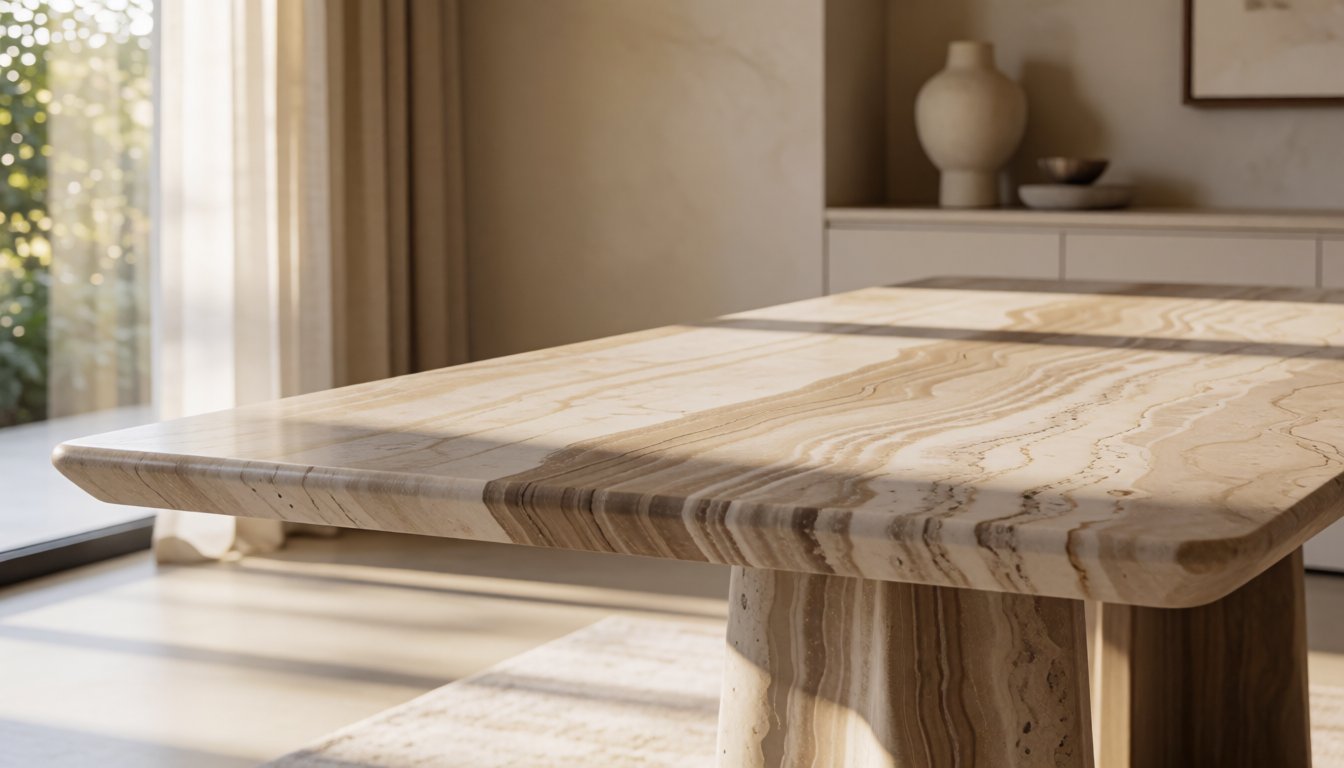
Crucially, inspect the dust extraction systems near cutting machines. Stone dust is hazardous and can stain unfinished stone if not vacuumed instantly after sawing. A clean workshop usually signals better overall hygiene and attention to detail in finished products like fireplaces or decorative items where surface purity matters most.
Evaluating Cutting Technology and Precision
Modern stone factory inspection focuses heavily on the machinery used for cutting, polishing, and shaping. Outdated diamond wire saws create excessive heat that can cause micro-fractures deep within dense granite or quartzite. Look for machines equipped with water cooling systems running continuously during operation. This keeps temperatures low enough to prevent thermal shock in sensitive materials like Carrara marble.
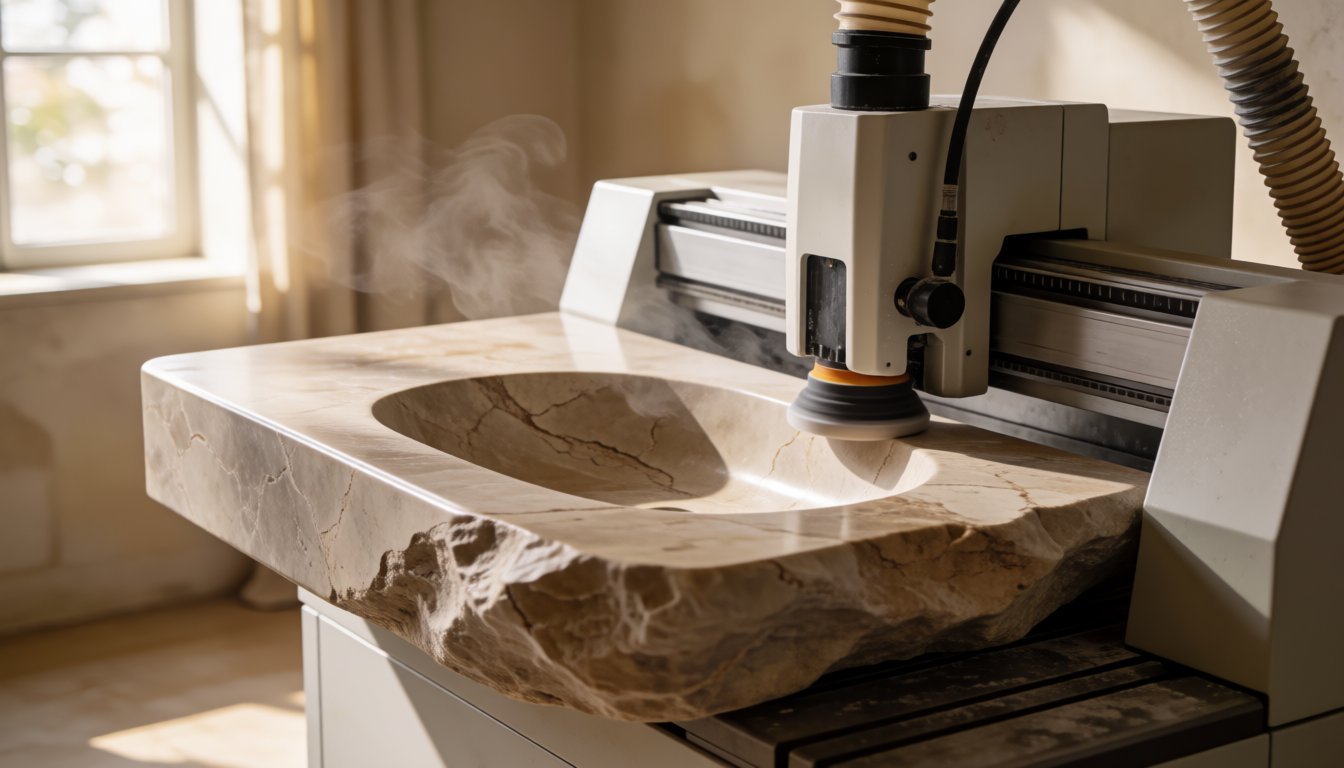
Examine the edge profiling capabilities. Standard polished edges are common, but many clients request beveled, ogee, or bullnose profiles. Ask if their CNC routers can handle complex shapes for custom dining table legs or sink basins with undermount cutouts. A capable setup should produce a flush-fitting hole in an apronless countertop within +/- 2mm of the template without chipping around the perimeter.
Inspect the polishing lines as well. High-quality buffing wheels move slowly to bring out deep luster rather than just surface shine. Poorly polished stone feels rough under fingernails and traps dust, which is unacceptable for premium bathroom vanities or dining surfaces. Compare a freshly cut slab against one that has undergone multiple cycles of grinding and polishing; the color depth should remain consistent throughout without visible heat marks from aggressive cutting speeds.
Checking Quality Control Protocols
Quality control isn’t just about final inspection; it happens at every stage of production in a professional marble workshop tour. Look for designated stations where operators measure dimensions, check flatness with precision levels, and inspect surface defects before moving to the next step. Missing these checkpoints often results in rejected shipments costing thousands in return freight.
Ask how they handle natural imperfections like pits or veins that run through critical areas of a sink bowl or tub shell. Responsible factories mark affected zones clearly so designers can plan layouts accordingly rather than sending off defective units as “standard” defects later on. They should have a clear rejection rate percentage, typically hovering around 3–5% for raw stone due to natural fissures found only after cutting begins.
Observe the packaging area closely. Heavy bathtubs and large dining tables require double-boxing with corner protectors and shock-absorbing foam inserts inside wooden crates. Lightweight decor items like candle holders or soap dishes need anti-scratch wrapping but still demand secure strapping to prevent movement during ocean transit. Inquire about their export packing standards for EU regulations regarding moisture resistance, especially when shipping limestone which is more porous than granite.
Verifying Lead Times and Production Capacity
Understanding real-world lead times requires talking directly to the production manager rather than relying on sales estimates alone. Ask them to show you a current work-in-progress schedule. A transparent factory will admit that custom projects with intricate inlays or specialized colors take longer, often 20–35 days depending on complexity and order volume. Standard items like basic white vanities might ship faster at roughly 14–20 days if raw materials are already stocked locally.
Discuss their ability to scale up during peak seasons when wholesale orders flood in from Europe or North America. Can they add extra shifts without compromising quality? Check whether subcontracting occurs for overflow work; mixing internal production with outsourced batches introduces inconsistency risks that buyers must avoid. Request proof of recent large-scale deliveries completed within promised windows, ideally referencing specific container loads shipped to known clients.
Finally, review their minimum order quantity policies versus bulk discounts. While small orders are possible for testing new designs, significant volume purchases usually yield better pricing tiers and priority scheduling. Be prepared to negotiate terms that align with your cash flow needs while ensuring the supplier maintains flexibility for urgent requests from interior designers or retail partners who need quick turnaround times.