Modern interiors are shifting away from single-material aesthetics toward layered textures that add depth and warmth. For your US or EU e-commerce store, this trend drives higher average order values by encouraging customers to buy complementary pieces rather than just one sink or table. As a manufacturer, understanding how to execute stone wood metal mix combinations correctly is crucial for your product listings. Successful designs balance the cold hardness of natural stone with the organic grain of timber and the sleek finish of brushed metals. This guide breaks down the practical dimensions, material pairings, and sourcing strategies you need to know to stock items that sell.
Defining the Core Material Combinations
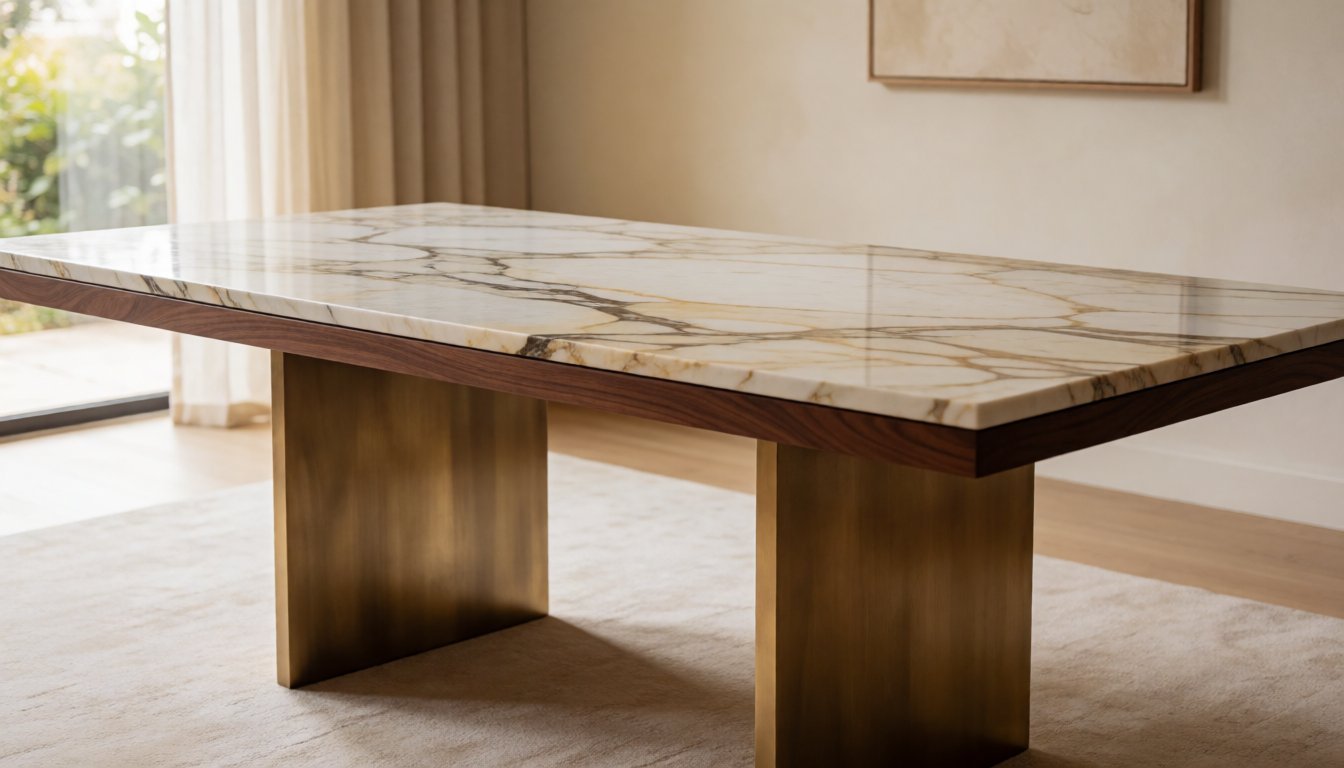
To avoid a cluttered or mismatched look, you must understand which materials work best together. Natural stone, specifically our polished marble or quartzite slabs, provides the heavy anchor for any design. The standard thickness for our dining tables and vanities is 2–3 cm, often finished with a high-gloss sealant that resists acid stains. When pairing this with wood, aim for contrasting textures rather than matching tones exactly. A dark walnut edge on a light Calacatta marble top creates visual interest, while lighter oak works well with warm, golden stone veins.
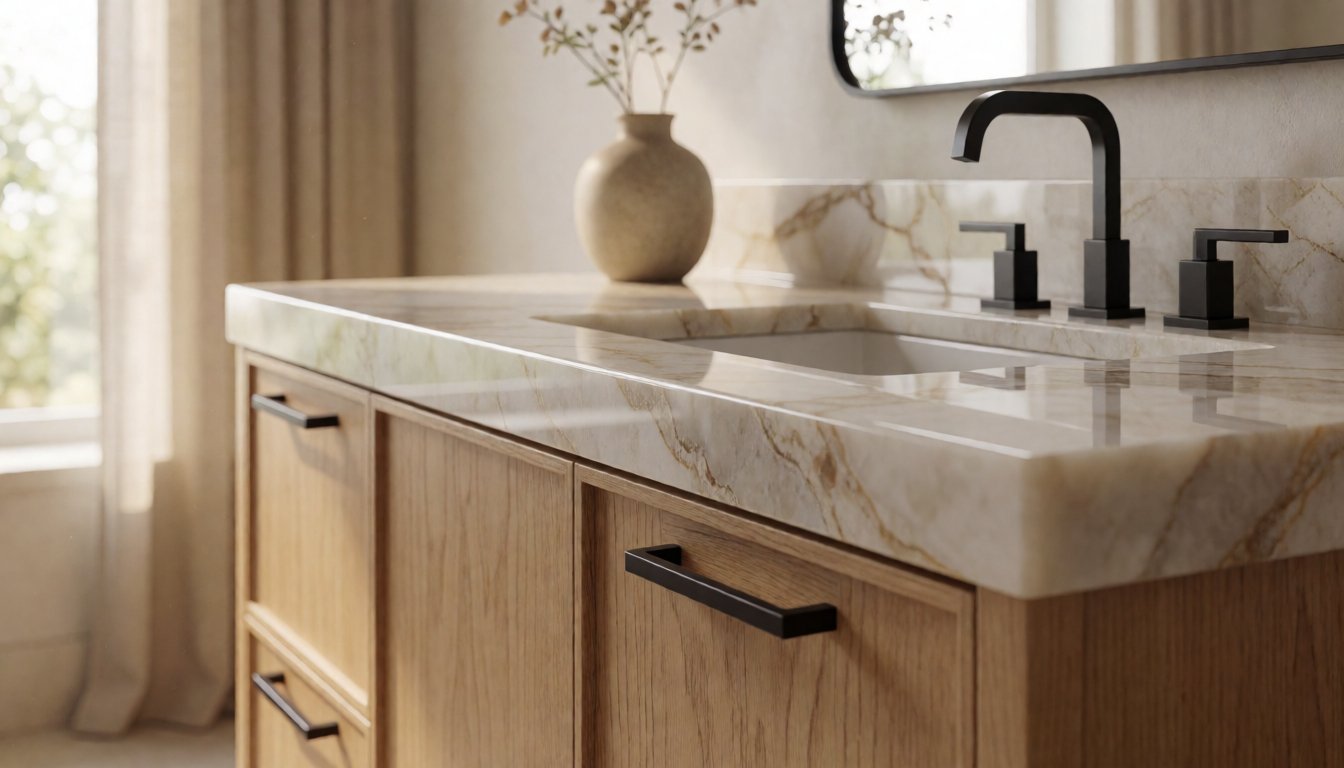
Metal acts as the bridge between these two elements. We typically use brushed brass, matte black steel, or polished chrome for hardware and legs. Marble brass decor is a high-margin category because customers perceive it as luxurious yet accessible. When sourcing brass accents, check the plating thickness. High-quality electroplating lasts 3 to 5 years before showing wear, whereas thin coatings oxidize within months. For your dropshipping partners, specify that all metal components must be anti-tarnish treated to prevent black spots from appearing on customer tables after a few weeks of use.
Executing Mixed Material Styling in Furniture
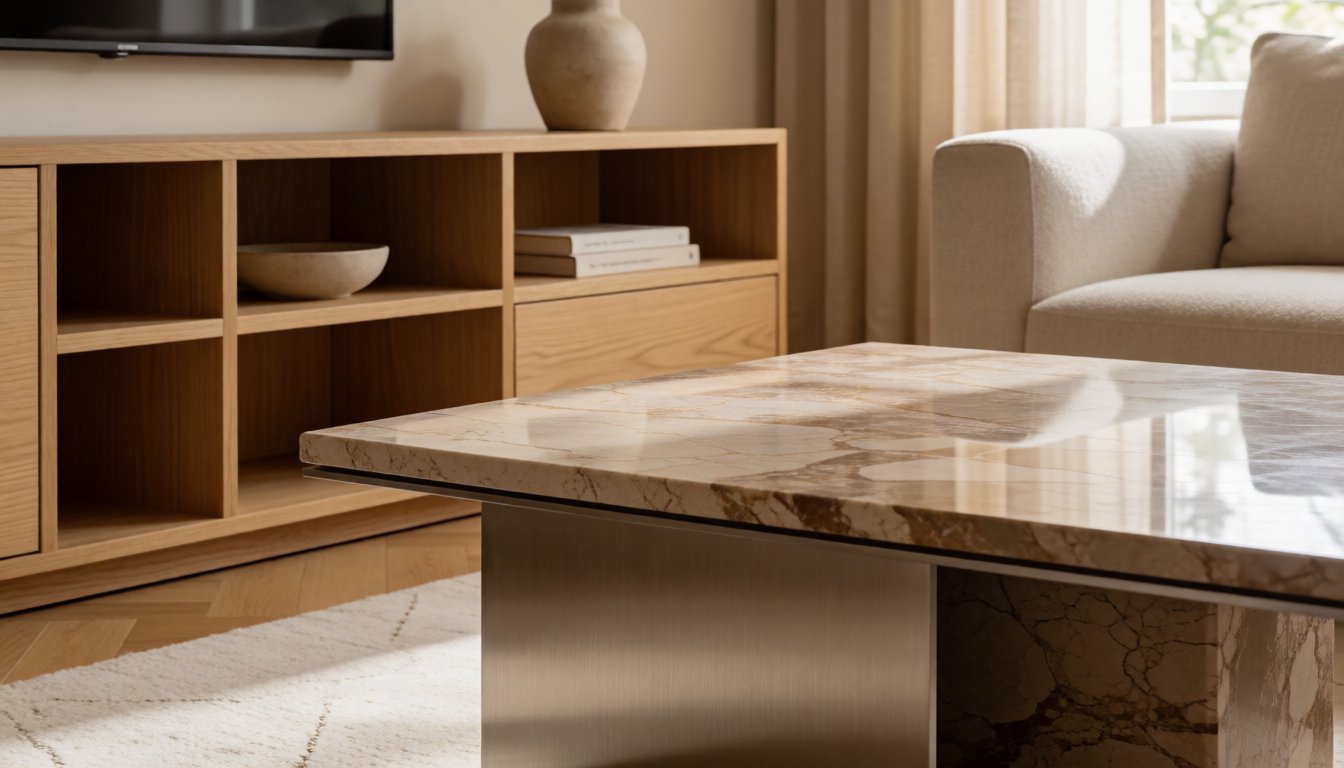
The term mixed material styling refers to the intentional integration of at least two distinct textures into a single piece or coordinated set. For B2B buyers, the key is proportion. A common mistake is making metal details too dominant, which can make a natural stone piece feel industrial rather than organic. Instead, use metal for functional elements like faucet mounts on sinks, hairpin legs on side tables, or drawer pulls on vanities.
Consider our standard vanity units. We offer models with a 60 cm width featuring a solid wood back panel and a stone countertop, accented by brass towel bars. The weight of these pieces varies based on the material mix; a full marble top with wooden legs weighs roughly 25 kg, while a quartzite top with metal legs might tip the scale to 30 kg due to denser stone and thicker steel reinforcements. Shipping costs increase significantly here, so calculate your logistics carefully.
When designing custom orders for interior designers, offer them modular options. A dining table can have a stone slab top (120 x 80 cm) paired with interchangeable leg sets—solid oak one week, brushed steel the next. This flexibility allows your clients to adapt their inventory to changing trends without liquidating stock. However, remind designers that wood expands and contracts with humidity. If you are shipping from China to a dry European climate, ensure the wood is kiln-dried to an equilibrium moisture content of 8–10%. Failure to do so can cause gaps between the stone edge and the wooden frame within three months.
Cost Implications and Sourcing Strategy
Understanding the cost drivers behind stone wood metal mix products is essential for maintaining healthy margins. Stone is the most expensive component due to slab quarrying and cutting losses. A 3 cm thick marble slab costs roughly $150–$250 per square meter depending on the vein rarity. Wood adds moderate costs based on species availability; imported walnut is pricier than domestic Chinese oak or ash. Metal hardware, particularly brass, fluctuates with copper prices but generally adds $20–$40 per unit for fittings and legs.
Labor becomes the biggest variable when combining materials. Aligning a stone slab to a wooden frame requires precision CNC cutting and hand-finishing to ensure seamless joints. Our production line typically handles this assembly in 3–5 days for standard batches, but custom mixed-material runs may take 7–10 days. Lead times extend if you request specific wood finishes that require longer curing periods.
When negotiating with suppliers like Gladystone, ask about the source of your woods and metals. Reputable factories can provide FSC-certified timber or recycled steel options to appeal to eco-conscious EU buyers. Avoid suppliers who cannot specify the exact alloy or grain direction of their wood stock. Inconsistent grain patterns in a wooden leg against a uniform stone top will look cheap immediately. Always request high-resolution photos of the actual joinery before placing a bulk order.
Practical Advice for Importers and Dropshippers
To succeed in this market, your product descriptions must be honest about dimensions and material weights. Customers often misunderstand “stone” as being lighter than it is. Clearly state that a 100 x 80 cm dining table with a stone top and metal base weighs approximately 45 kg total. This transparency prevents returns due to shipping damage or inability to move the item into smaller homes.
Encourage your buyers to mix textures within a room, not just on a single piece. Pair a rough-hewn stone fireplace surround with smooth walnut cabinetry and polished chrome trim. These mixed material styling choices create a cohesive narrative that elevates the perceived value of the entire collection. Remind them that lighting plays a critical role; under-cabinet LED strips at 3000K warmth enhance the golden hues of brass and stone veins simultaneously, making the marble brass decor pop without washing out the wood tones.
Finally, maintain strict quality control on the edges where materials meet. The junction between a stone countertop and a wooden base must be sealed with color-matched epoxy or silicone to prevent water damage. If water seeps into this gap, it will rot the wood and stain the metal. Specify that all such joints should be double-sealed for outdoor or high-humidity environments. By focusing on these technical details, you ensure your customers receive durable, beautiful furniture that stands out in a crowded marketplace.