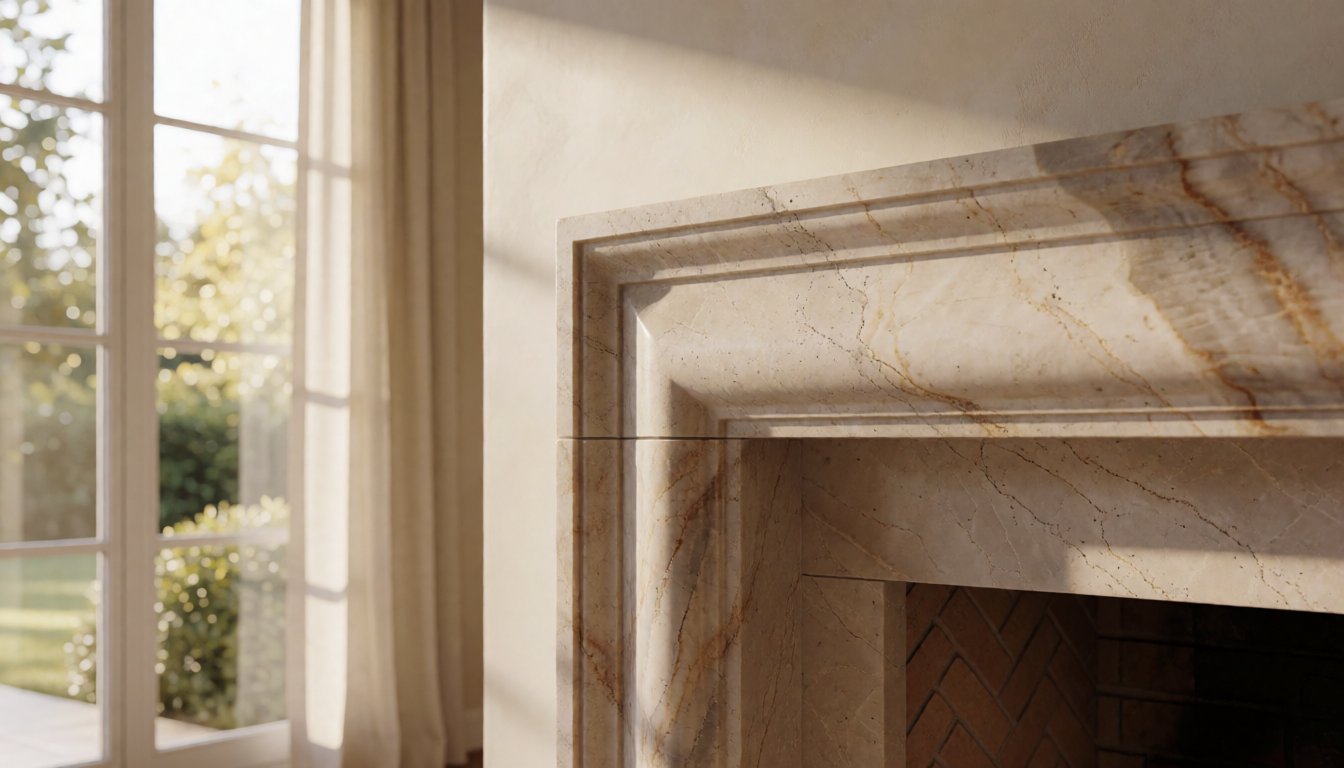
Selecting the right partner for your stone fireplace mantel line requires more than just looking at glossy photos. As an importer or dropshipper targeting the US or EU markets, you need a stone fireplace mantel manufacturer who understands structural integrity, material variance, and logistics. The market is saturated with low-quality pre-cast concrete imitations that damage brand reputation when installed in high-end homes. Your success depends on sourcing real natural stone from a factory like Gladystone that offers transparency regarding thickness, weight per unit, and curing methods. When you request samples for marble mantel wholesale, do not just look at the polish. Ask to see the back of the slab where tooling marks are often visible in cheaper production runs. A reliable supplier will show you how they handle natural fissures before sealing them with epoxy resins that match specific vein colors, ensuring a premium final product rather than hiding defects under layers of filler.
Evaluating Material Durability and Weight Logistics
The most common mistake new importers make is assuming all stone created for fireplaces is equal in strength or density. You must specify the material type before discussing price per square foot. Quartzite offers high compressive strength, making it ideal for heavy mantel structures that span wide openings without sagging over time. Granite provides excellent heat resistance near the hearth area but requires careful sealing to prevent oil stains from common fireplace accessories. Marble is softer and more porous; while beautiful, it demands rigorous quality control during manufacturing to ensure no cracks develop under thermal stress.
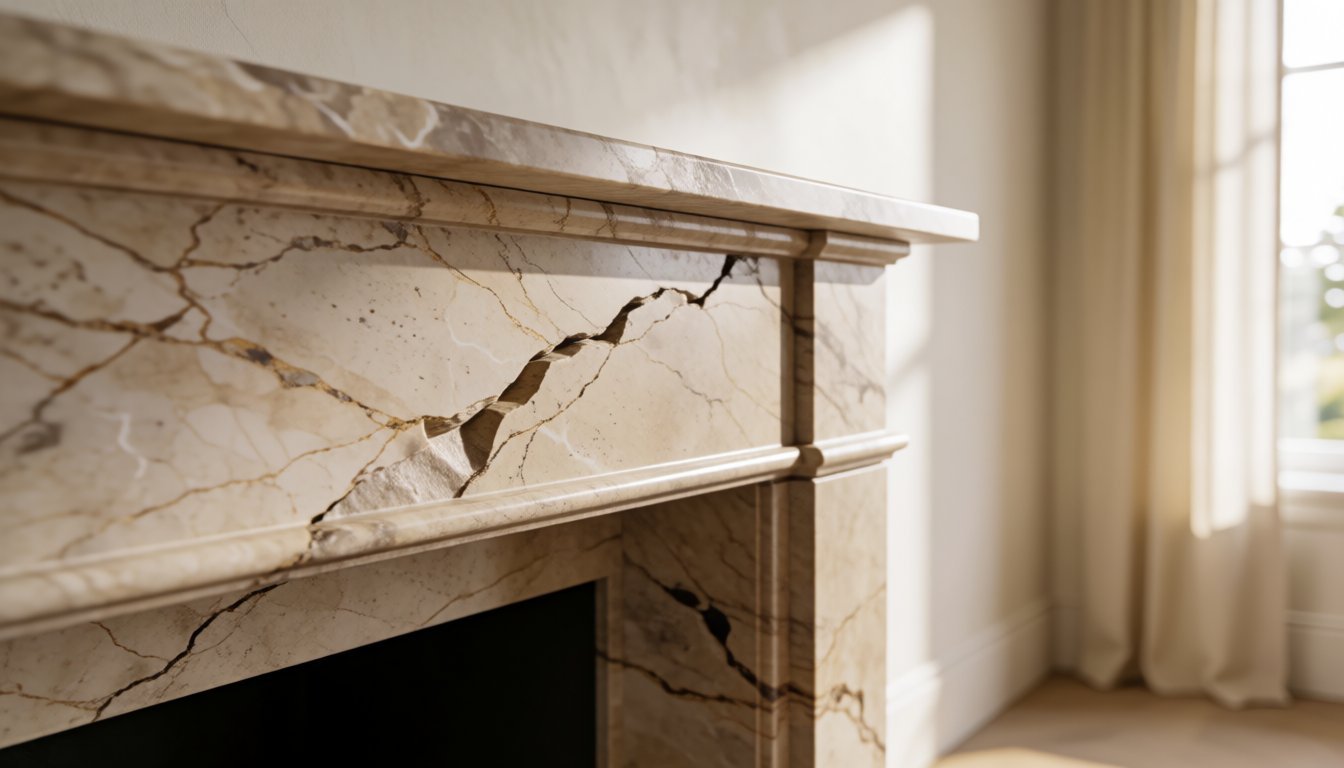
When planning your logistics, weight is a critical cost factor you cannot ignore. A standard double-sided mantel unit typically weighs between 150 kg and 250 kg depending on the stone density and thickness (usually 3cm or 4cm slabs). You must calculate shipping costs based on cubic meters rather than just piece count, as air freight charges skyrocket with heavy pallets. For fireplace surround supplier evaluations, ask about packaging solutions that distribute this weight evenly during transit. Palletized units should be secured with wooden skids and wrapped in waterproof plastic to prevent moisture absorption before installation. If you are shipping via ocean freight from China, ensure the factory uses reinforced corner protectors on every unit. Damage claims for stone products often exceed the value of the goods if packaging fails upon arrival at your warehouse or directly to a customer’s driveway.

Finishing Techniques and Color Consistency
Surface finish significantly impacts both safety and aesthetics in fireplace applications. A high-gloss polish enhances light reflection but makes fingerprints, soot marks, and dust highly visible near the firebox. For commercial projects where maintenance is key, consider matte or honed finishes which hide dirt better. However, for residential dropshipping orders where customers want a “showroom” look, ask your stone fireplace mantel manufacturer about their micro-crystal polishing process that restores shine without creating dust residue. Another critical finishing option is the application of fire-resistant sealers. Standard stone impregnators are not enough; you need specialized coatings that can withstand temperatures up to 600°C near the burner area while maintaining water resistance for spills on the shelf above.
Color consistency in natural stone remains a major challenge in marble mantel wholesale operations. No two slabs look identical, and veins shift dramatically along the length of a fireplace surround. A professional factory uses digital imaging to match your design requirements against multiple quarry blocks before cutting begins. They will apply color-correcting resins only where necessary to unify the background tone without altering natural veining patterns excessively. When inspecting samples from different batches, look for variations in grey tones or brown undertones that might not be apparent on a small sample but become glaring when installed as a full wall surround. Your contract should include clauses allowing you to reject entire pallets if color variance exceeds an agreed-upon tolerance level (typically +/- 5% deviation).
Structural Engineering and Safety Standards
Safety is the non-negotiable priority for any fireplace component. Before finalizing your order, demand documentation on load-bearing calculations provided by your fireplace surround supplier. A mantel supporting a heavy mirror or decorative sculpture above it needs specific reinforcement at anchor points to prevent tipping during earthquakes or high winds in coastal markets like California or Florida. Ask about the internal structure of pre-assembled units; some manufacturers use steel brackets hidden within hollow cores, while others rely solely on gravity and stone weight. The latter is risky for thin slabs used as floating shelves above fireplaces without direct floor support.
Verify that all cut edges are deburred to a radius of at least 1mm to prevent cuts during installation by your partners’ crews or end-user contractors. Sharp chips in natural stone can propagate under thermal expansion cycles, leading to sudden failure months after installation. Request proof testing videos where units undergo simulated heat exposure and weight loading. While you cannot replicate these tests on every batch, seeing them performed adds confidence that the factory prioritizes structural longevity over speed of production. For white-label brands selling premium lines, insist on fire-retardant adhesives used in assembly if modular designs require gluing components together rather than dry-stacking heavy blocks for stability.
Order Minimums and Lead Time Realities
Understanding realistic timelines prevents costly delays when restocking your inventory or fulfilling large retail contracts. Standard lead times for custom-cut natural stone mantels range from 25 to 40 days depending on quarry availability in China and current shipping schedules. Rush orders often incur a surcharge of 15-30% without guaranteeing better quality output since the factory may skip non-critical steps like triple-sealing or final edge polishing under pressure. Discuss your minimum order quantity (MOQ) early; while some factories accept single-piece orders for dropshippers, they will charge premium freight and tooling fees that eat into margins on small runs.
Negotiate flexible MOQ structures where you pay upfront costs only after the first 10-20 units sell through rather than tying up capital in unsold stock of a specific colorway or pattern batch. For stone fireplace mantel manufacturer partnerships, aim for agreed-upon buffer stocks at the factory side to handle unexpected spikes in demand during holiday shopping seasons. Clarify who bears storage costs if goods sit longer than 15 days post-production due to shipping delays; this often becomes a dispute point between buyer and supplier when container space is tight. Always request tracking updates every 48 hours once production begins, especially for heavy stone loads where loading errors can cause entire shipments to be rejected at customs upon arrival in Europe or the US.