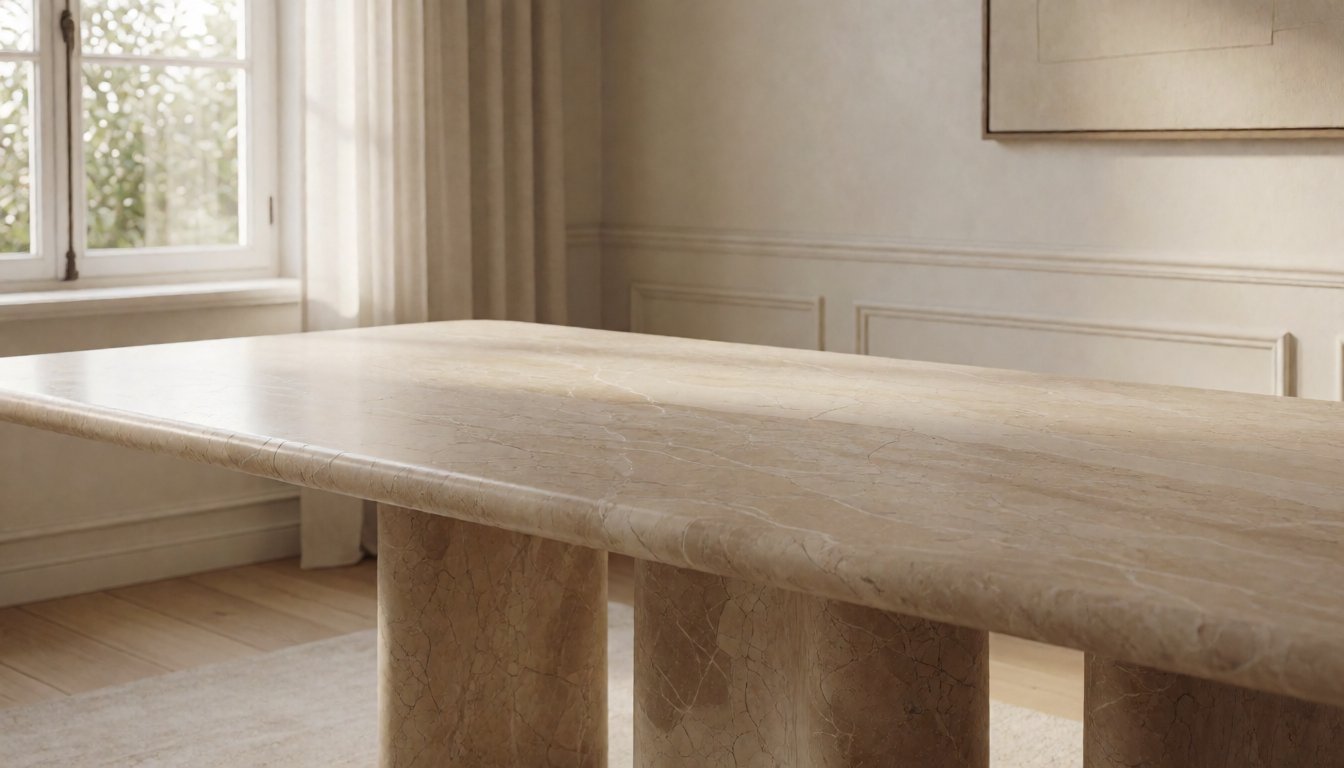
Sourcing natural stone furniture for the US or EU market often requires more than just finding pretty pictures. Importers need consistency. You want a neutral stone palette that works in a modern kitchen, a Scandinavian bathroom, and a luxury living room without needing to restock every six months. At Gladystone, we specialize in creating cohesive collections of sinks, bathtubs, dining tables, and vanities in beige, grey, and white. This article breaks down what to look for when building these ranges, specifically focusing on material stability, sizing standards, and cost factors that affect your bottom line.
The Reality of Color Consistency in Beige and Grey
When you order a beige marble range from a factory abroad, the biggest risk is color drift. Natural stone is never perfectly uniform, but B2B buyers must expect variation within a defined tolerance. If your customer orders three beige sinks with a 30cm depth, they should not receive one that looks golden-brown and two that look sand-colored.
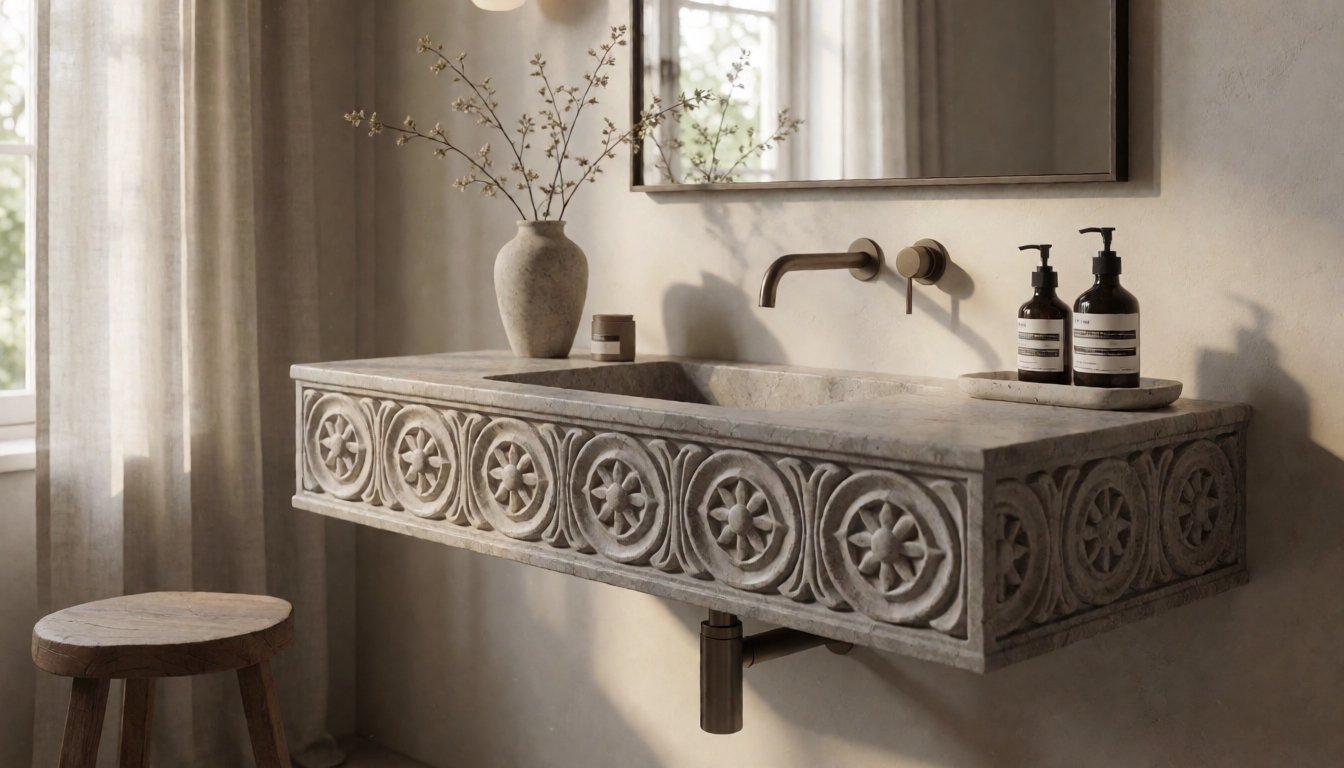
To manage this, we use digital calibrators to keep the Lab* values of our slabs within a tight delta-E range. For example, in our standard beige lines, the color deviation is typically kept under 2 units on the hue axis. This ensures that even if you order 50 pieces for a single store location, they will match reasonably well when installed side-by-side.
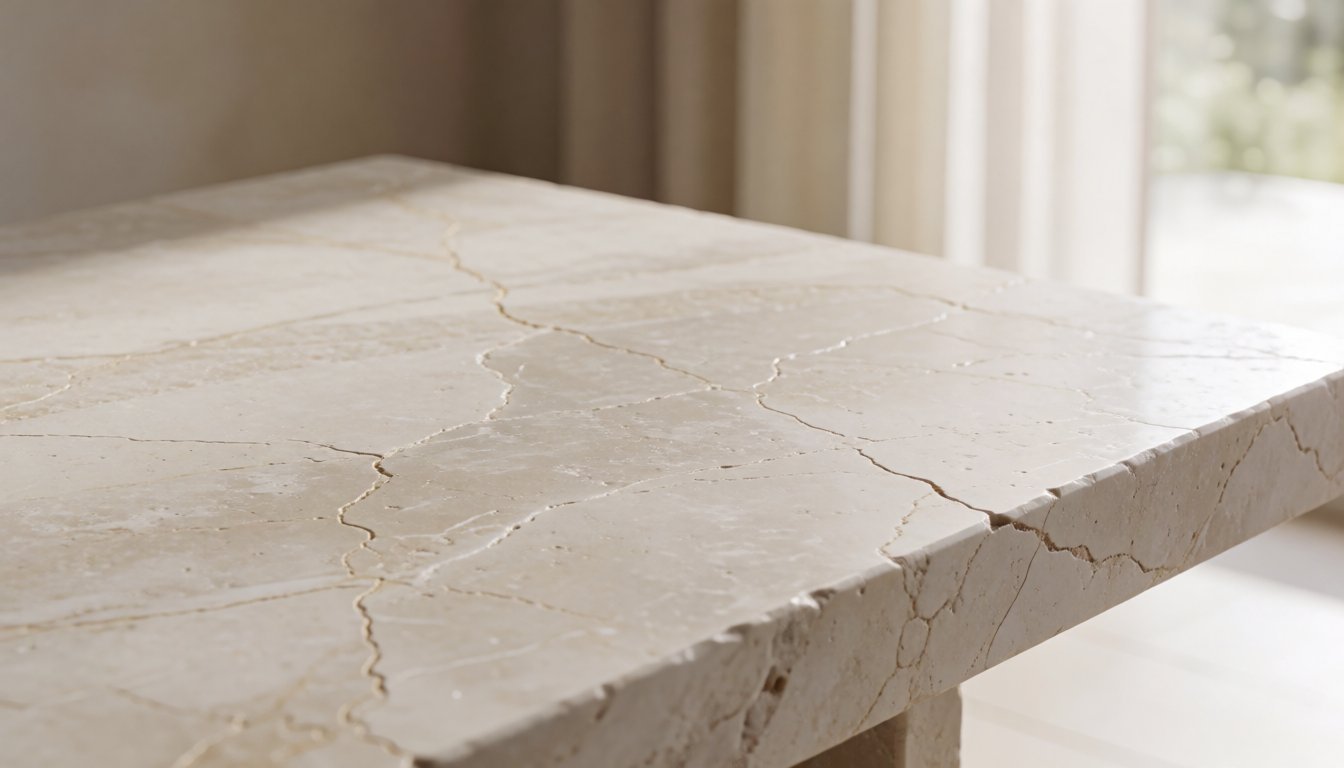
However, stone comes from veins. A 3-meter long slab might have sections ranging from light cream to warm taupe. As an importer, you must decide how to handle these variations before shipping. Do you sort them at the factory? Can your customers mix and match? We recommend selecting a specific quarry block that offers the least variation for high-end projects. For mid-range dropshipping stores, slight variations in the neutral stone palette can actually add character, provided they are not jarring.
Always ask your supplier for physical swatch books or digital scans of the actual blocks, not just the finished product photos. Photos taken under studio lighting often hide the true tone of grey or beige stones. We typically provide 5–10 color samples per collection so you can choose the exact shade that matches your brand’s aesthetic guidelines.
Sizing Standards and Weight Logistics for White Stone Collections
Working with a white stone collection introduces different logistical challenges compared to darker tones. White stone is often more translucent, meaning veins show through differently depending on the thickness. When sourcing dining tables or vanities, you must verify the standard slab dimensions available in your target market.
In the US and EU, standard vanity top slabs are roughly 305cm x 183cm (approx. 120″ x 72″). Bathtubs often require custom casting but use standard mold sizes of around 160–180cm in width. If you order a white marble dining table, the slab thickness is critical. A 2cm thickness is standard for tabletops weighing roughly 45–55kg depending on the stone density. Thinner slabs (1.2cm) are lighter but require stronger edges and careful handling during shipping.
Lead times vary significantly based on slab availability versus custom cutting. For ready-stock white stones, we can ship within 7–10 days after order confirmation for standard sizes like a 90x60cm side table. Custom bathtubs or large dining tables typically take 25–35 days. This is because the stone must be cut, polished, and sometimes carved before packing.
Weight is another factor in your shipping budget. A typical white limestone bathtub might weigh between 180kg and 220kg after filling with water, but empty it weighs around 90–110kg. Your logistics partner needs to know this to calculate pallet load limits. We usually pack one large sink or table per carton, weighing roughly 60–80kg per unit including packaging materials. Always confirm the Gross Weight (GW) and Net Weight (NW) before finalizing your shipping contract.
Texture Finishes and Surface Durability
The finish you select impacts both the visual appeal and the durability of the furniture. For a neutral stone palette, matte, honed, or leathered finishes are often preferred over high-gloss for natural stone to hide minor scratches and etching from daily use.
We offer several surface treatments:
* Polished: High gloss, reflects light, shows veins clearly. Best for white stones that need a bright look.
* Honed: Matte finish, smooth but not shiny. Good for grey and beige ranges where you want a soft, natural look.
* Leathered: Textured surface created by brushing the stone. This is ideal for outdoor fireplaces or high-traffic dining tables as it resists fingerprints and water spots better than polished surfaces.
When sourcing vanities or sinks, ask about the edge profiles available. Standard options include eased edges, bullnose, or ogee. These add cost but increase perceived value. For example, an ogee edge on a white stone vanity typically adds $15–$25 USD per piece to the manufacturing cost.
Durability also depends on the stone type. Quartzite is harder than marble and better for dining tables used by families with children. Granite is denser but can be brittle if dropped. Limestone is softer and porous, requiring better sealing, which might not suit a dropshipping model where you cannot guarantee immediate installation advice to customers. We typically recommend quartzite or granite for tabletops and sink tops where durability is paramount, while using limestone or travertine for decorative pieces like side tables or accent vanities.
Building Your Catalog with MOQ and Pricing Strategy
The cost of your inventory depends heavily on Minimum Order Quantities (MOQ) and stone rarity. Common stones in our beige marble range and grey lines usually have an MOQ of 5–10 pieces per color for dropshipping partners. Rare white veins or specific grey tones might require a higher MOQ, sometimes starting at 20–30 pieces.
Pricing fluctuates with raw material costs and exchange rates. A standard 90x60cm white quartzite dining table typically retails between $180–$250 USD in the US market. As an importer, your cost might be roughly $70–$95 USD depending on volume. White stone collections often carry a premium because they are perceived as more expensive and versatile by end consumers.
To build a sustainable catalog, negotiate pricing tiers. If you commit to 100 pieces of grey stone vanities in a quarter, you might secure a discount of 8–12%. Always factor in the cost of shipping and insurance. Stone is heavy and fragile; damaged goods can wipe out your margin on an entire shipment. We use reinforced corner protectors and double-layered foam packaging to minimize breakage rates to under 1% for standard orders.
Finally, ensure your supplier can provide clear origin certificates if your customers ask about the stone source. While we do not guarantee specific quarry origins for every batch, we can trace our materials back to major quarries in China, Italy, or Turkey. Transparency builds trust with interior designers who specify materials for their projects. They need to know the stone is real, not engineered quartz, and that the neutral stone palette you offer matches the high-end aesthetic they are designing for.