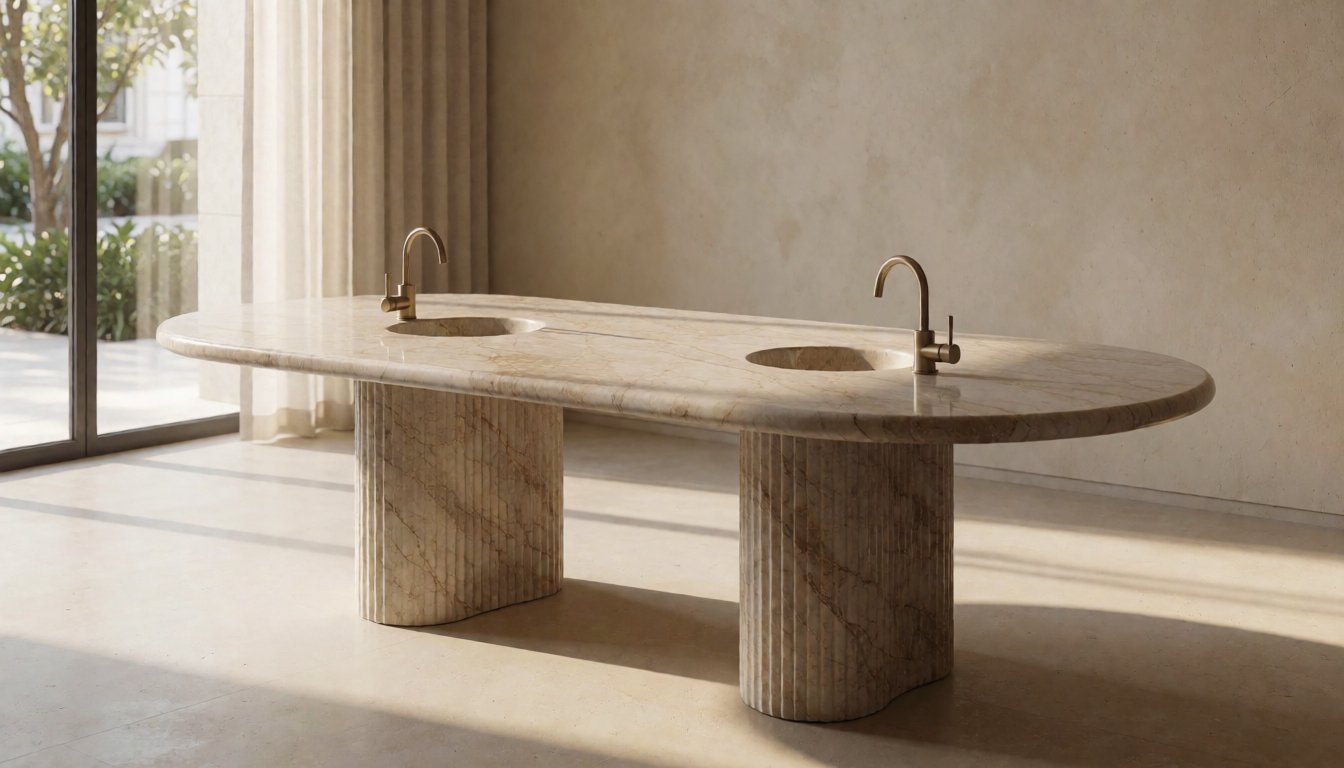
Selecting materials for a commercial hospitality project requires a different mindset than residential design. When you are specifying hotel stone furniture, you are balancing aesthetic appeal with rigorous durability, lead time constraints, and budget certainty. As an importer or procurement manager, your goal is to find a partner who understands that a marble table in a lobby takes a beating daily, while a vanity in a boutique room needs high-gloss polish without chipping. This guide breaks down the commercial specification process, focusing on what really matters when sourcing commercial stone specification partners for projects in the US or EU.
Understanding Commercial Grade vs. Residential Stone
The first step is distinguishing between stone meant for homes and stone built for hotels. Residential slabs often have natural fissures, veining that runs too close to the edge, or slight thickness variations that are acceptable in a living room but unacceptable in a commercial kitchen or lobby.
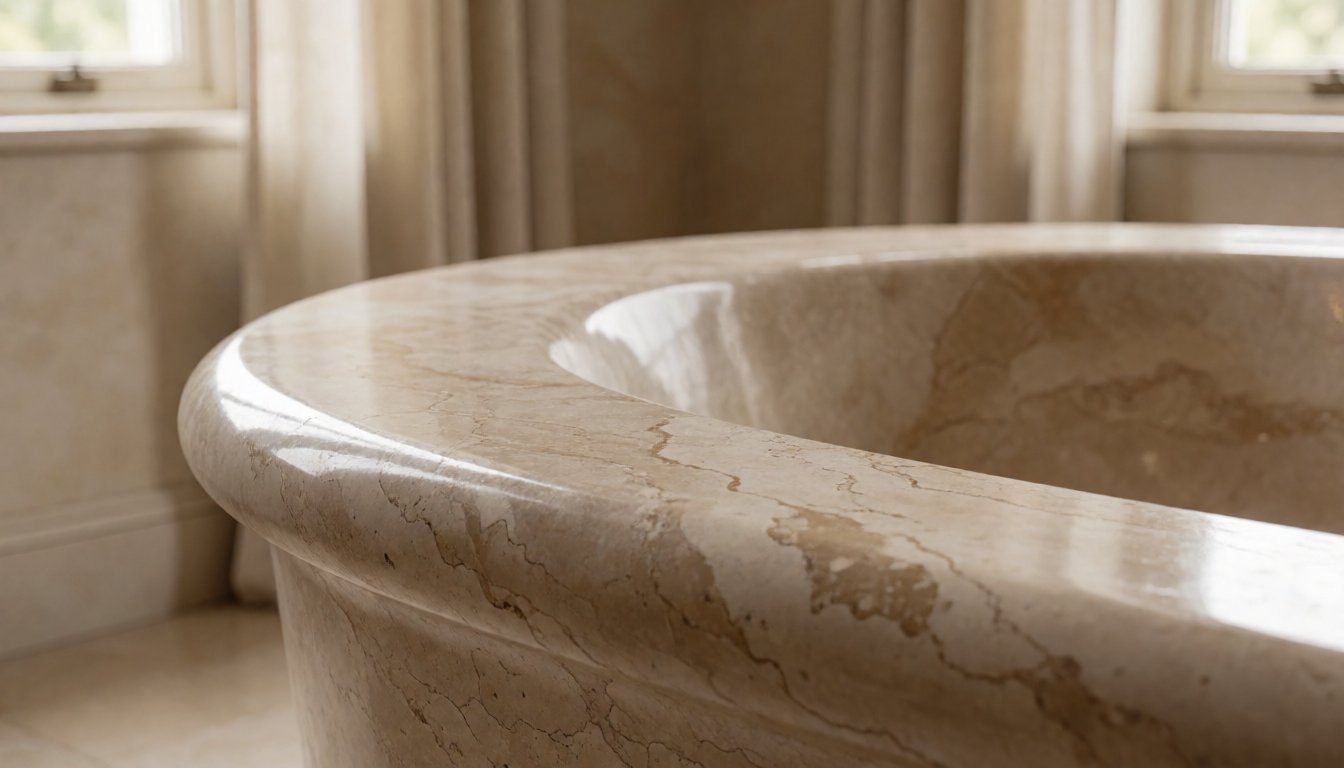
For hospitality marble, you must demand consistent thickness. Standard residential countertops are 2cm, but commercial furniture typically requires 3cm for dining tables and vanities to prevent flexing under heavy use. Bathtubs often need reinforced rims at least 6cm thick to withstand water pressure and impact from luggage or cleaning equipment.
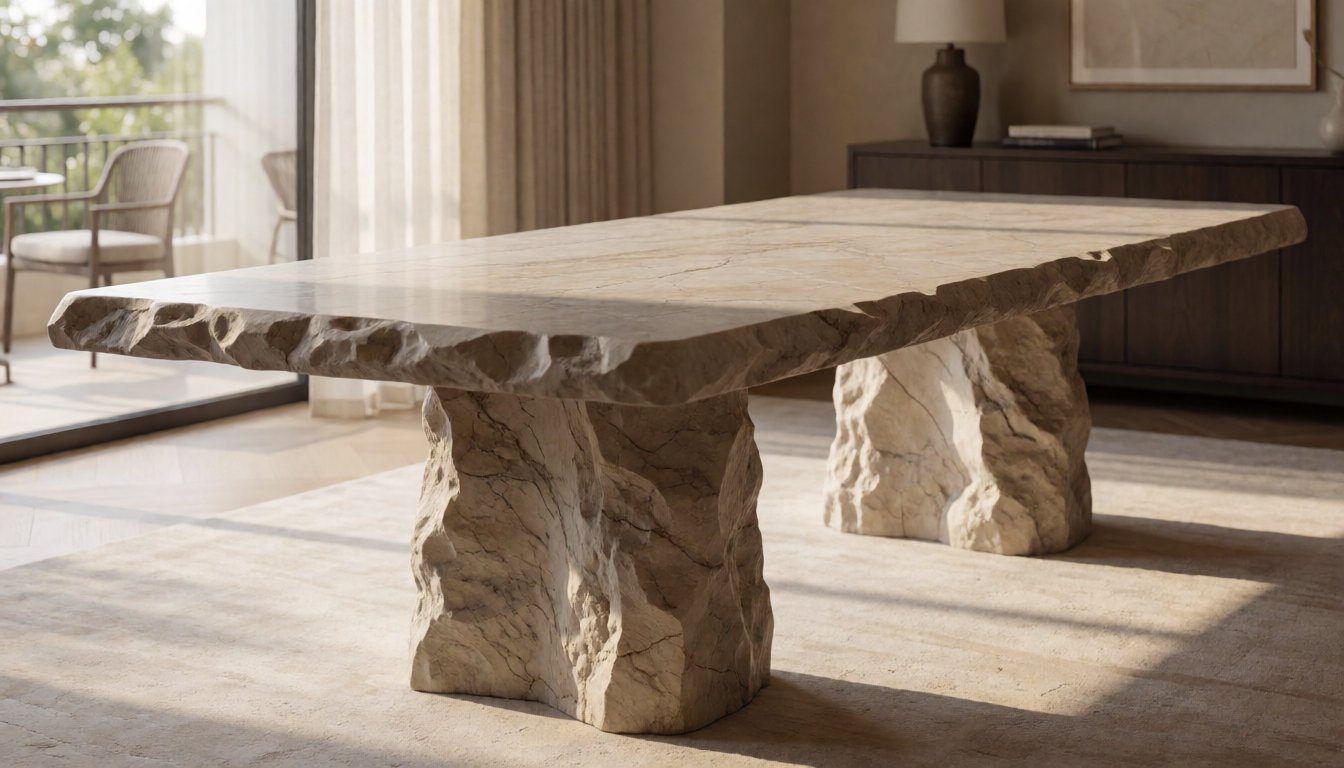
Weight is another critical factor. A standard vanity might weigh roughly 45kg, but a large marble dining table with integrated sinks can exceed 120kg. Your logistics team needs to know the exact weight per piece to calculate shipping pallets correctly. If you do not specify these parameters upfront, your freight forwarder will face unexpected surcharges or damage claims upon arrival. Always request weight certifications for every batch.
Defining Structural Integrity for High-Traffic Areas
Commercial environments subject stone to constant vibration, heavy foot traffic, and occasional impact from service carts. When asking a supplier like Gladystone, inquire about the internal structure of the stone blocks used. Large dining tables require full-block carving rather than slab assembly to avoid weak points where cracks can propagate.
For sinks integrated into marble or quartzite vanities, the cutouts must be reinforced with steel brackets inside the stone cavity. Without this internal support, a dropped utensil or a cleaning mop handle could crack the basin rim within months. Specify that all structural elements are hidden during installation to maintain aesthetics.
Lead times for these structural checks vary. A standard dining table might take 20–25 days from order confirmation, but complex pieces with custom sinks or fireplaces can take 35–45 days. Rushing this process compromises the internal reinforcement, leading to costly returns later. Plan your procurement schedule around the longest lead times in your project mix.
Color Consistency and Veining Management
Visual consistency across hundreds of rooms is often overrated by designers but vital for procurement. You do not need every marble slab to look identical, but you must control the flow of veining so that a table top does not clash with the floor or adjacent furniture in the same room.
When specifying hotel stone furniture, ask for mock-up boards containing 3–5 slabs from the same block before committing to a full production run. This allows your design team to select specific veining patterns for key suites while using more subtle tones for standard rooms.
Pricing fluctuates based on color rarity. Grey Calacatta might cost roughly $80–$120 per square foot depending on the market, while exotic colors like deep green or rare blue can double that price. However, importing a single unique slab often costs significantly more than bulk orders due to logistics inefficiencies. Balance your aesthetic desires with the need for standard inventory turnover to keep your project budget stable.
Surface Finishes and Maintenance Protocols
The finish of the stone dictates its maintenance schedule and longevity in a commercial setting. Polished finishes are popular but show water spots, coffee rings, and dust quickly. For hotel lobbies and dining areas, specify a honed or leather finish which hides daily wear better.
Bathtubs often require a high-gloss polish for visual appeal, but the surrounding deck should be honed to prevent slipping when wet. Ask your supplier for their recommended cleaning protocols. Do not assume that all stone can withstand commercial-grade industrial cleaners. Some natural stones like limestone or travertine are acidic-sensitive and will etch if exposed to lemon-based cleaners or vinegar from spilled drinks.
Specify the porosity of the stone. Low-porosity stones like granite or quartzite generally require less sealing than marble or travertine. For a 50-room hotel, reducing maintenance time is a direct cost saving. If you choose marble for its beauty, insist on pre-sealed slabs to extend the interval between resealing from every few months to once a year.
Logistics, Packaging, and Damage Prevention
Shipping stone internationally is expensive and risky. Stone breaks easily if not packed correctly. When sourcing from a factory in China, request double-walled cardboard boxes with internal foam inserts for each piece. Large tables should be shipped flat or in sections with clear assembly instructions included in the packaging.
Insurance costs are often overlooked. If a dining table arrives cracked, your insurance may deny the claim if the packing did not meet industry standards. Ask your supplier to provide photos of the packing process and invoice details showing that each piece was individually wrapped.
Lead times impact your cash flow. A standard order of 50 vanity units might ship in 30 days, but mixing multiple stone types or colors can extend this to 45–60 days. Factor these delays into your project timeline. Never assume that a confirmed order date guarantees a specific shipping departure date without a written contract clause.
Cost Structures and Hidden Fees
Understanding the true cost of stone furniture involves looking beyond the unit price. A quoted price of $150 per vanity might seem cheap, but if it includes only 2cm thickness without reinforcement, you are paying for low-quality material. Compare prices based on total delivered cost including freight, insurance, and duties.
Customization adds cost. Asking for a specific rare color or custom sink shape increases the unit price by 15–30%. Bulk orders of 100+ pieces can reduce this premium to roughly 5–10%. Always negotiate the MOQ (Minimum Order Quantity) based on your project size. If you are a smaller wholesaler, ask if the factory offers tiered pricing for smaller batches.
Hidden fees often appear in shipping quotes. These include fuel surcharges, terminal handling fees, and customs clearance costs. Get a detailed breakdown of these charges before signing the contract. A transparent supplier will list every line item clearly so you can budget accurately without surprises at the port.
Building Long-Term Supplier Relationships
Reputation matters more than initial price in the stone industry. Suppliers who understand the nuances of commercial stone specification will stand out. Look for partners who offer technical support, such as sending engineers to inspect your project site or providing detailed cut lists before production begins.
Gladystone serves white-label brands and dropshippers by offering flexible branding options. You can apply your own logo to packaging or include custom care instructions with every unit. This builds brand loyalty among your retail customers.
Reliability is key. A supplier who delivers on time every single order is worth more than one who offers 20% off for late deliveries. Evaluate their communication speed and responsiveness to technical queries. If they can answer questions about stone hardness or installation details quickly, they are likely a reliable partner for your next hospitality project.
FAQ
What is the typical lead time for custom hotel stone furniture?
For standard items like dining tables or vanities, lead times typically range from 20 to 35 days depending on production scheduling and shipping route. Complex pieces with integrated sinks or fireplaces may require 40–60 days because they need extra structural reinforcement and quality checks before shipment. Always confirm the exact date in writing, as delays of 1–2 weeks are common during peak seasons.
How much does commercial-grade marble cost compared to residential stone?
Commercial-grade stone usually costs 15% to 30% more than residential equivalents due to stricter quality controls and thicker dimensions (often 3cm instead of 2cm). For example, a luxury Calacatta slab might cost roughly $100–$140 per square foot for commercial use, whereas the same stone for homes might be priced lower but with fewer structural guarantees. Prices vary based on color rarity and current market availability.
Can I mix different stone types in a single hotel project?
Yes, mixing stone types is common to create visual interest, but it requires careful planning to ensure consistency in finish and thickness. You might use granite for high-traffic dining tables due to its hardness, while using marble for boutique room vanities for its aesthetic appeal. Just ensure your supplier can handle multiple material types without confusing the production line, which could affect lead times.
What packaging standards are required for international shipping?
International shipping requires double-walled corrugated boxes with internal foam or honeycomb paper inserts to prevent movement during transit. Each piece must be individually wrapped in waterproof plastic before boxing. Large tables often need palletization with corner protectors and clear labeling of the “heavy” side up. Failure to meet these standards can result in damage claims being denied by your insurance provider.
Does the stone type affect cleaning protocols significantly?
Absolutely. Marble and travertine are calcium-based and highly sensitive to acids like vinegar or citrus, requiring pH-neutral cleaners. Granite and quartzite are more durable but still benefit from regular sealing. Always request a written maintenance guide from your supplier before installation. Using the wrong cleaner on marble can cause permanent etching that cannot be fixed, leading to costly replacements in a commercial setting.
Quick Comparison
| Feature | Standard Residential Stone | Commercial Hotel Grade Stone |
|---|---|---|
| Thickness | Typically 2cm (0.79 inches) | Typically 3cm (1.18 inches) for tables/vanities; reinforced rims for tubs |
| Structural Support | Minimal internal reinforcement | Steel brackets inside sink cutouts; full-block carving for large tables |
| Finish Options | High polish only or basic honed | Polished, honed, leather, and anti-slip textured finishes available |
| Lead Time | 10–20 days (often from stock) | 25–45 days (custom fabrication required) |