Natural stone is a lifetime investment — but only if it’s properly maintained. The care landscape for 2026 has evolved significantly: new eco-friendly, pH-neutral cleaning products, improved sealer technologies, and a better understanding of stone-specific maintenance have transformed how architects, installers, and end-users approach stone care.
The Golden Rule: pH-Neutral Cleaning Only
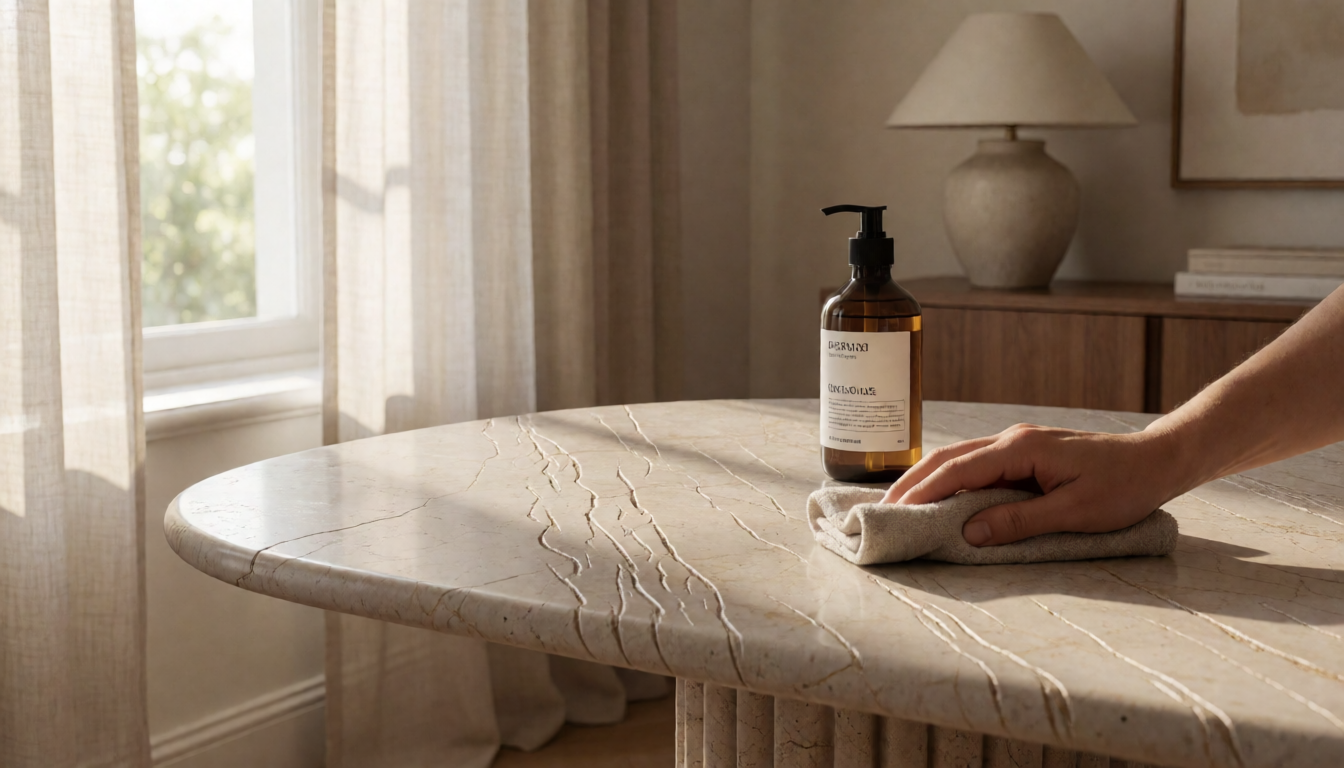
The single most important rule for natural stone maintenance in 2026 remains: never use acidic or alkaline cleaners on natural stone. Marble, travertine, and limestone are calcareous stones that will etch (develop dull spots) on contact with anything acidic — including vinegar, lemon juice, and most generic household cleaners. Even “mild” all-purpose cleaners often have a pH that’s unsafe for natural stone. The solution? Use a pH-neutral stone cleaner specifically formulated for natural stone. In 2026, the best stone cleaners are plant-based, biodegradable, and VOC-free — safe for households with children and pets.
Sealing: How Often Is Actually Necessary?
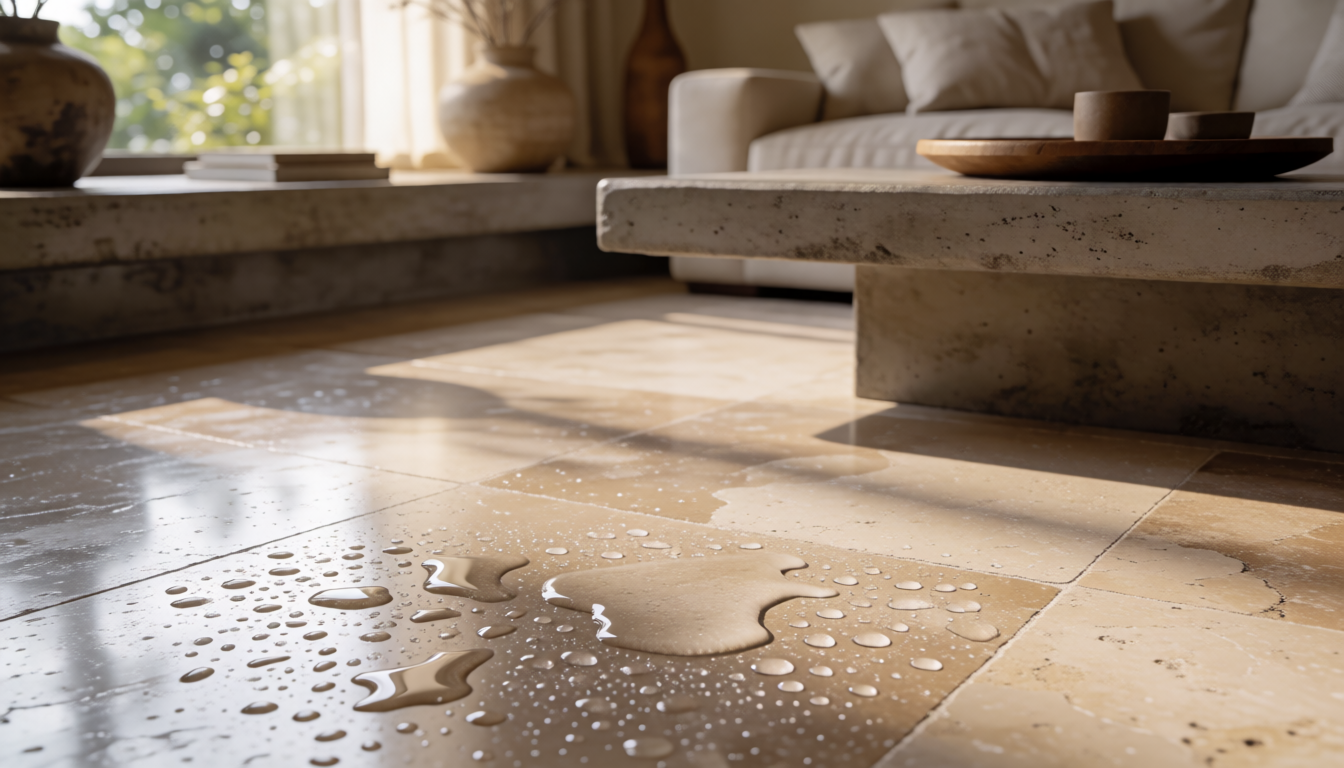
A common misconception among end-users is that natural stone needs to be sealed monthly or even weekly. In reality, a high-quality impregnating (penetrating) sealer applied during installation can last 3–5 years on indoor surfaces with normal use. Over-sealing is not only unnecessary — it can cause problems. Excess sealer that isn’t properly wiped off during application can leave a hazy residue that’s difficult to remove. In 2026, the best practice is the water-drop test: place a few drops of water on the stone surface. If the water beads, the sealer is still active. If it darkens the stone (soaks in), it’s time to reseal.
Stain Removal: The Poultice Method (Step-by-Step)
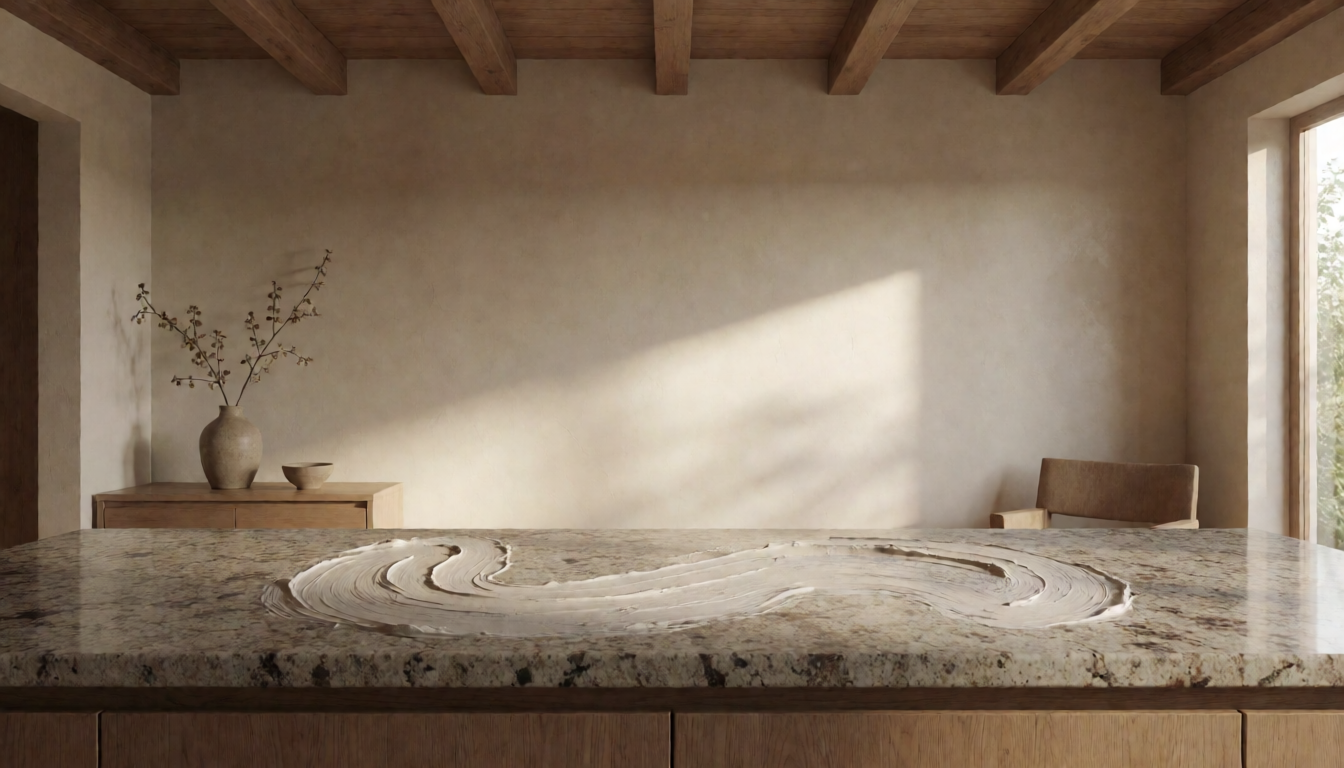
When a stain penetrates beyond the surface of the stone, standard cleaning won’t remove it. The professional solution is a poultice — a paste that’s spread over the stain and left to dry, drawing the stain out of the stone. Here’s the 2026 step-by-step:
- Identify the stain type: Oil-based stains (cooking oil, grease) require an oil-dissolving solvent. Organic stains (coffee, wine, food) respond to a hydrogen peroxide-based poultice. Rust stains require a rust-specific remover safe for natural stone.
- Mix the poultice: Combine an absorbent material (baking soda, diatomaceous earth, or specialized poultice powder) with the appropriate solvent to form a paste.
- Apply and cover: Spread the paste over the stain (extending 1–2 inches beyond the visible stain). Cover with plastic wrap and tape down the edges.
- Wait 24–48 hours: As the poultice dries, it draws the stain out of the stone.
- Remove and rinse: Scrape off the dried poultice, rinse thoroughly with clean water, and allow to dry. The stain should be significantly lighter or completely gone.
Etch Repair: What Actually Works
Etching (dull spots caused by acid contact) is the most common complaint with marble and limestone countertops and vanity tops. In 2026, DIY etch repair kits have become widely available, allowing homeowners to restore minor etches without calling a stone restoration professional. These kits typically include a series of progressively finer abrasive pads and a polishing compound. For deep etches or large affected areas, professional honing and repolishing remains the best approach. Choosing a honed (matte) finish rather than polished can also make day-to-day etches far less visible — a key consideration for busy kitchens and commercial bathroom vanities.
Eco-Friendly Stone Care: The 2026 Standard
The stone care product landscape in 2026 is defined by sustainability and health safety. The best stone sealers are now water-based (rather than solvent-based), producing no harmful VOCs during application. Daily stone cleaners are plant-based and biodegradable. Even the packaging is evolving — several leading stone care brands have switched to refillable containers and plastic-free packaging. For architects specifying stone in LEED or WELL-certified projects, providing clients with an eco-friendly stone care guide is becoming a standard part of the design handover package.
Glady Stone: Stone Care Support for Every Project
At Glady Stone, we believe that proper stone care is essential for long-term satisfaction. Every order includes detailed care and maintenance recommendations tailored to the specific stone type. For trade clients (architects, designers, wholesalers), we provide stone care specification sheets that can be passed directly to end clients — adding value to your specification and protecting the long-term reputation of your project. Contact our team to discuss stone selection and maintenance planning.