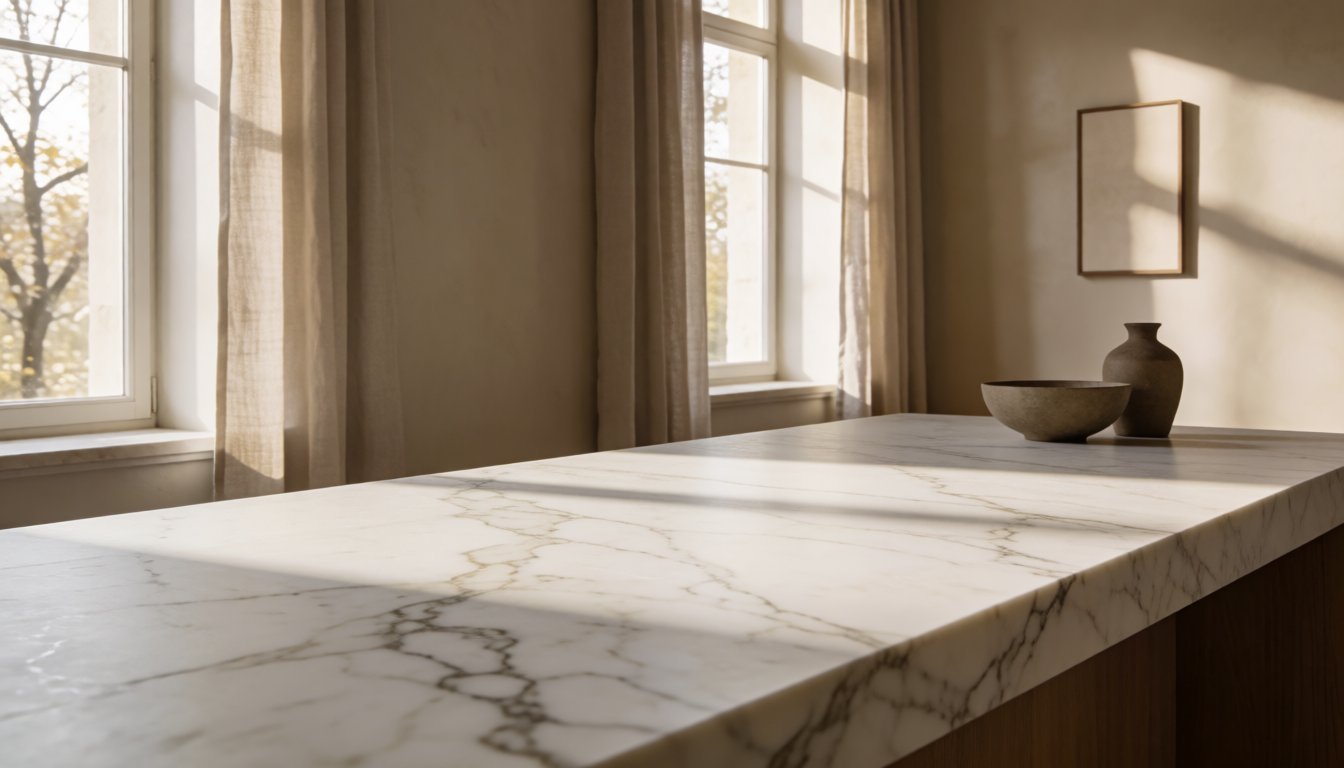
A penetrating sealer is a colorless, impregnating liquid that soaks into stone pores to repel water and oil without forming a surface film. In 2026 it is the industry-standard protection for marble, granite, and quartzite, preserving the stone’s natural matte or polished look.
What Is a Penetrating Sealer?
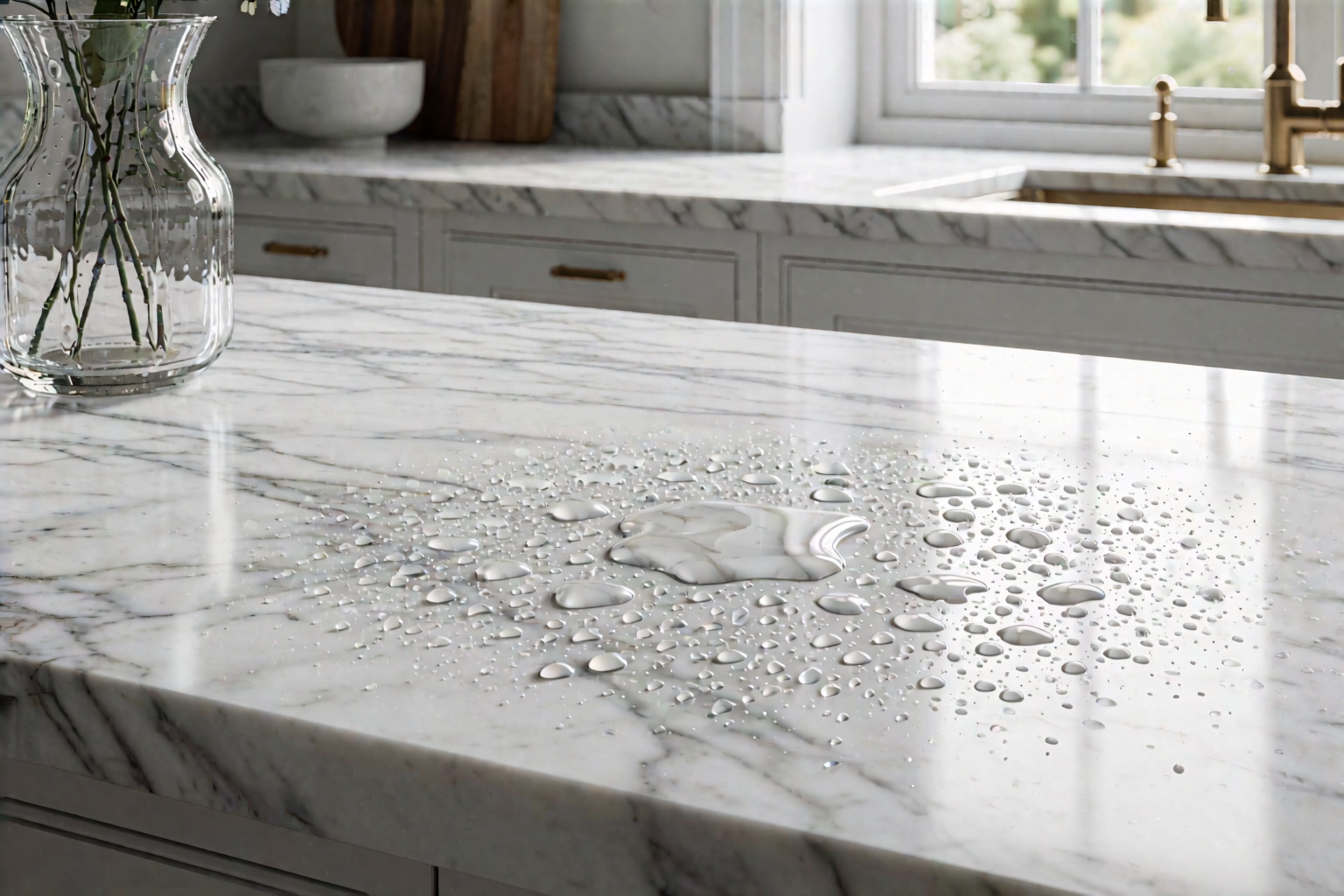
A penetrating (or impregnating) sealer is built from small silicone, silane, or fluoropolymer molecules that migrate below the surface and line the walls of the stone’s pores. It does not sit on top, so it never changes color, adds gloss, or peels. Water and oil bead on the surface instead of soaking in, buying you time to wipe spills before they stain. This is why the stone-care industry recommends penetrating sealers as the default for marble and all natural stone, reserving film-forming “enhancing” products only for decorative, low-contact features.
Why Are Impregnating Sealers the 2026 Standard?
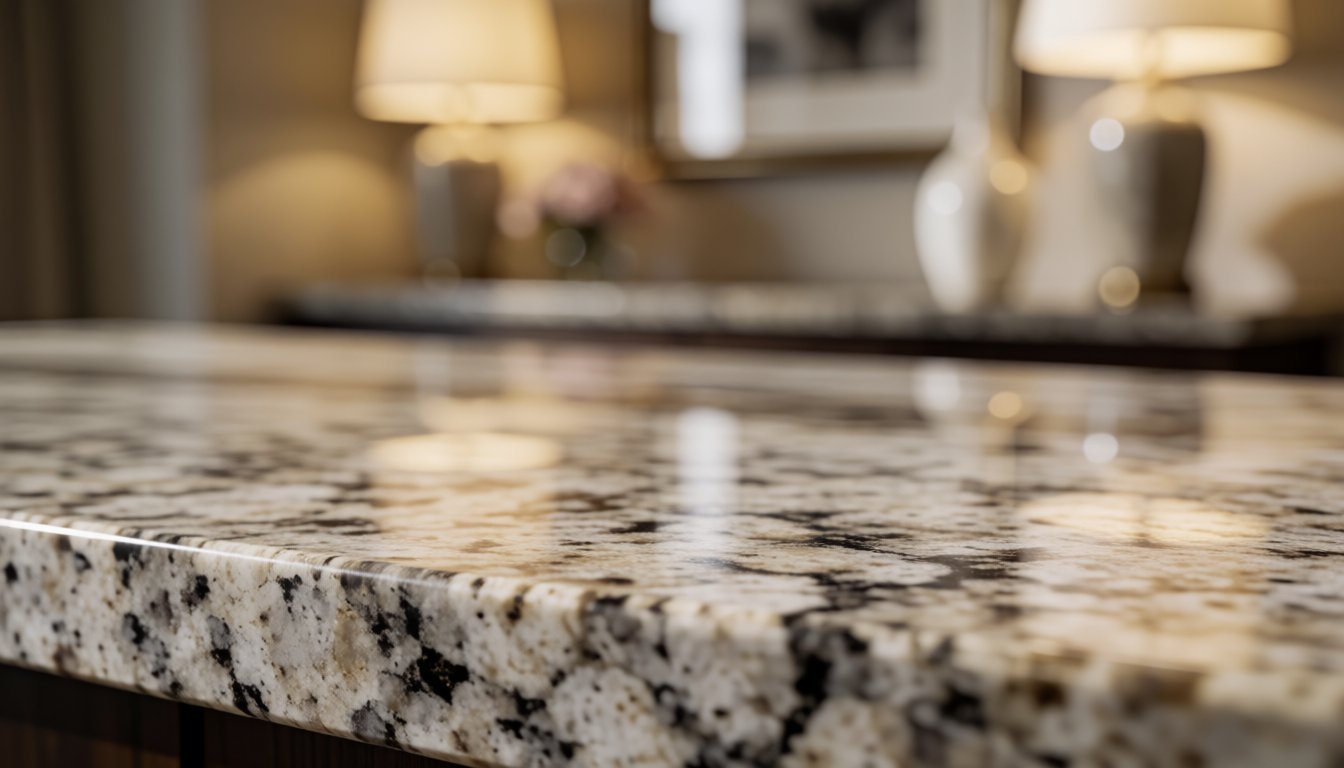
- Invisible protection: Qualified penetrating sealers are breathable and transparent—they keep the stone’s texture and gloss exactly as specified.
- Safety compliance: Modern fluoropolymer formulas meet tightening VOC regulations in the EU and US without sacrificing performance.
- Lifetime value: Properly sealed marble resists most stains for 6–18 months, dramatically extending the stone’s service life in busy homes.
How to Apply a Penetrating Sealer
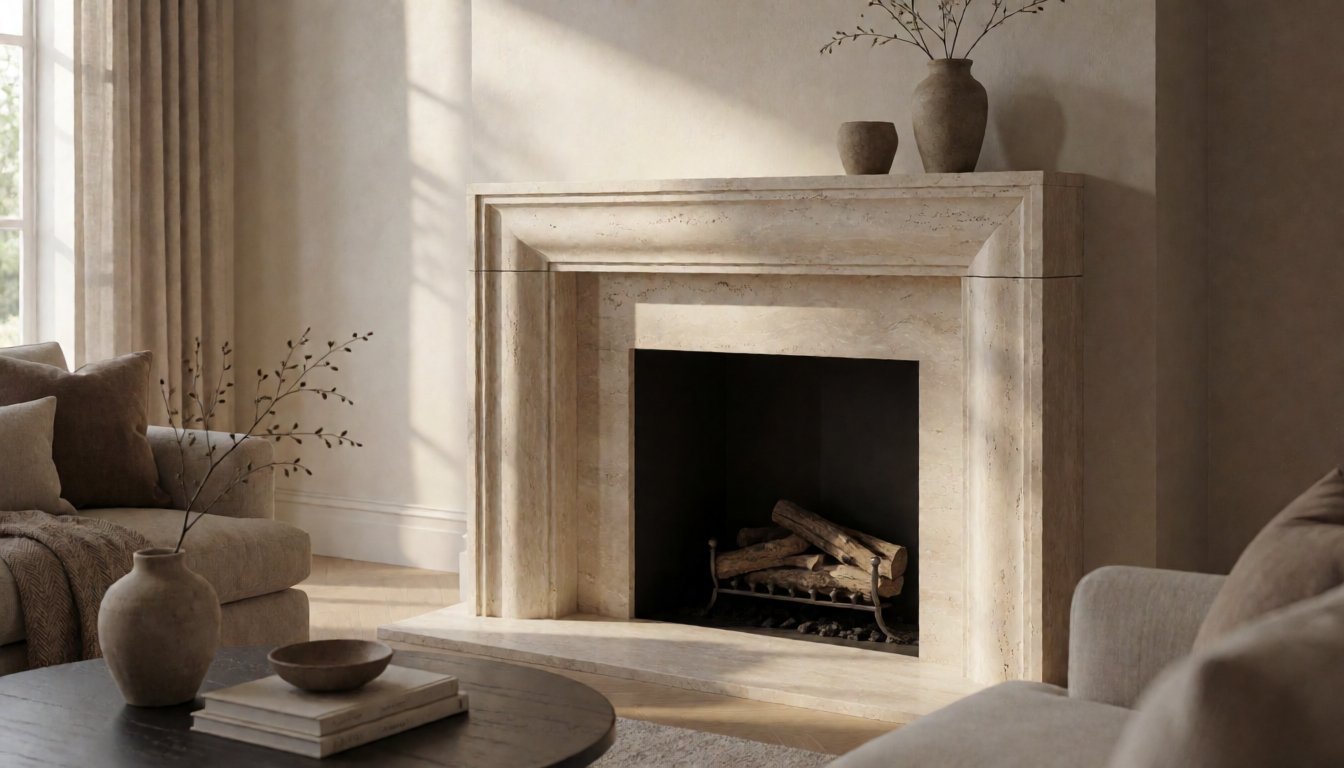
Sealing succeeds or fails on preparation. Begin only on a surface that is perfectly clean and completely dry—moisture content at or below 8%—because any dirt or water trapped under the sealer is sealed in permanently. Apply a thin, even coat with a lint-free cloth or stone applicator pad, working in small 0.5 m² sections so the product does not dry before it can absorb. Let it dwell for the manufacturer’s stated 10–20 minutes, then buff off every trace of excess with a clean dry cloth; leftover residue forms a hazy film that dulls polish. Wait at least 24 hours before any water contact, and apply a second coat for porous stone like travertine. Verify the job with the water-bead test: drop water on the stone, and if it beads for 5–10 minutes the seal is sound, but if it darkens and soaks in, re-seal that area.
| Type | Where it sits | Look change | Best use |
|---|---|---|---|
| Penetrating | In pores | None | All stone, daily use |
| Topical / film | On surface | Can fog | Rarely recommended |
| Enhancing | In pores | Deepens color | Feature walls only |
Frequently Asked Questions
Does a penetrating sealer make stone stain-proof?
No. It slows absorption and buys cleanup time, but spills still need prompt wiping—especially acids on marble, which can etch through any seal.
How do I know when to re-seal?
Use the water-bead test: if water soaks in within 5 minutes, re-seal; if it beads, the protection is still active.
Can I apply penetrating sealer myself?
Yes. DIY impregnators are widely available; just ensure the stone is bone-dry and you buff off all excess to avoid hazing.
Glady Stone: Stone Care for Wholesalers
Glady Stone pairs every marble, travertine, and granite supply with care guidance and recommends penetrating impregnators for all installed surfaces to protect client investment.
Ask Glady Stone stone care specialists about penetrating sealer guidance for your 2026 projects.