Sourcing natural stone furniture involves more than just finding a supplier with pretty pictures. For an importer or business owner, the core challenge is identifying which stone furniture buyer profile fits your specific operational model and profit margins. The market for sinks, bathtubs, dining tables, and vanities is fragmented, serving distinct needs from high-volume wholesalers to boutique interior designers. Understanding these B2B stone buyer types helps you navigate negotiations, manage lead times, and avoid costly quality issues when ordering from a factory like Gladystone. This guide breaks down the primary segments of your potential customer base and what they actually look for in a manufacturing partner.
The High-Volume Wholesaler
Wholesalers operate on thin margins but move massive quantities. Their primary goal is to secure stock that turns over quickly without tying up excessive capital. For a stone importer profile like this, cost per unit is the dominant factor, often superseding minor aesthetic variations.
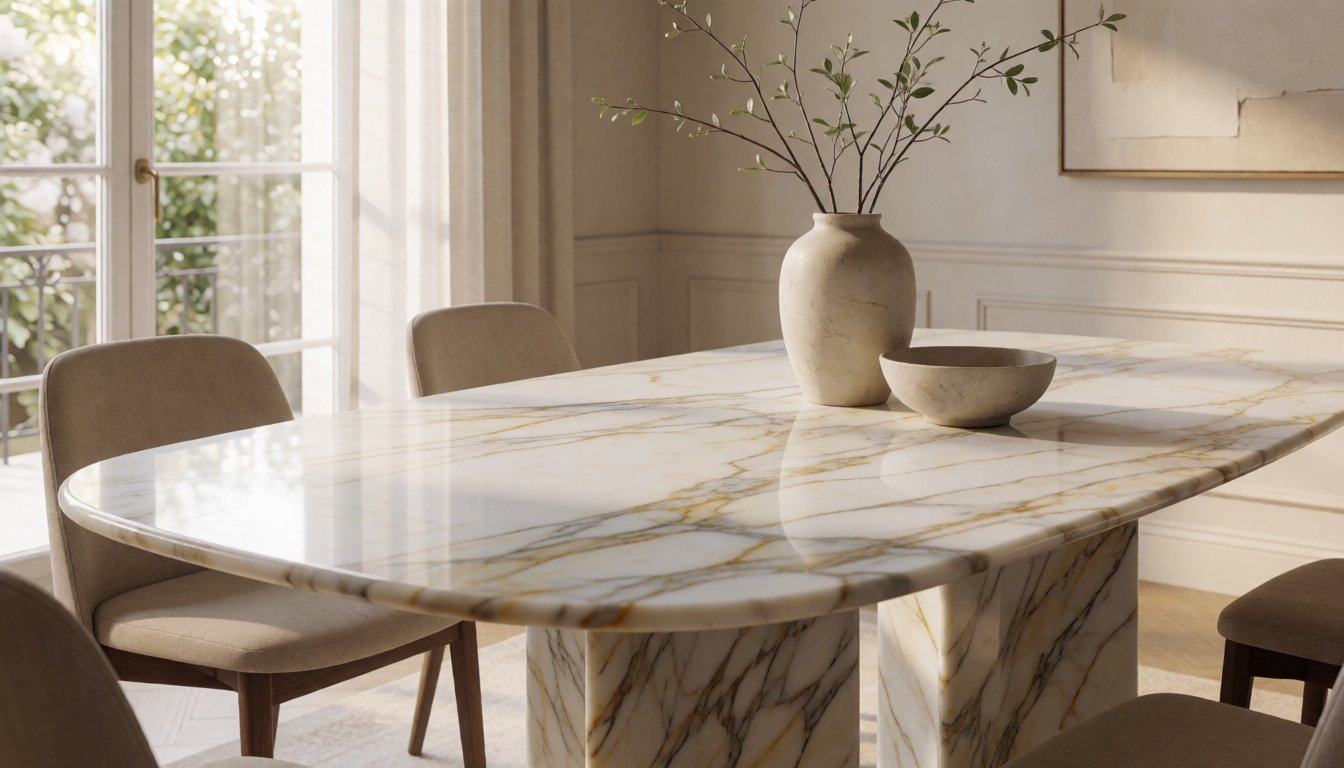
A typical wholesaler orders 50 to 100 units of a single product, such as a quartz composite sink or a granite vanity top, at once. They need consistent pricing tiers that drop significantly after volume milestones. When dealing with these buyers, you must emphasize your ability to maintain strict inventory consistency. If they order 20 marble dining tables in Calacatta Gold, every single piece must match the slab book exactly.
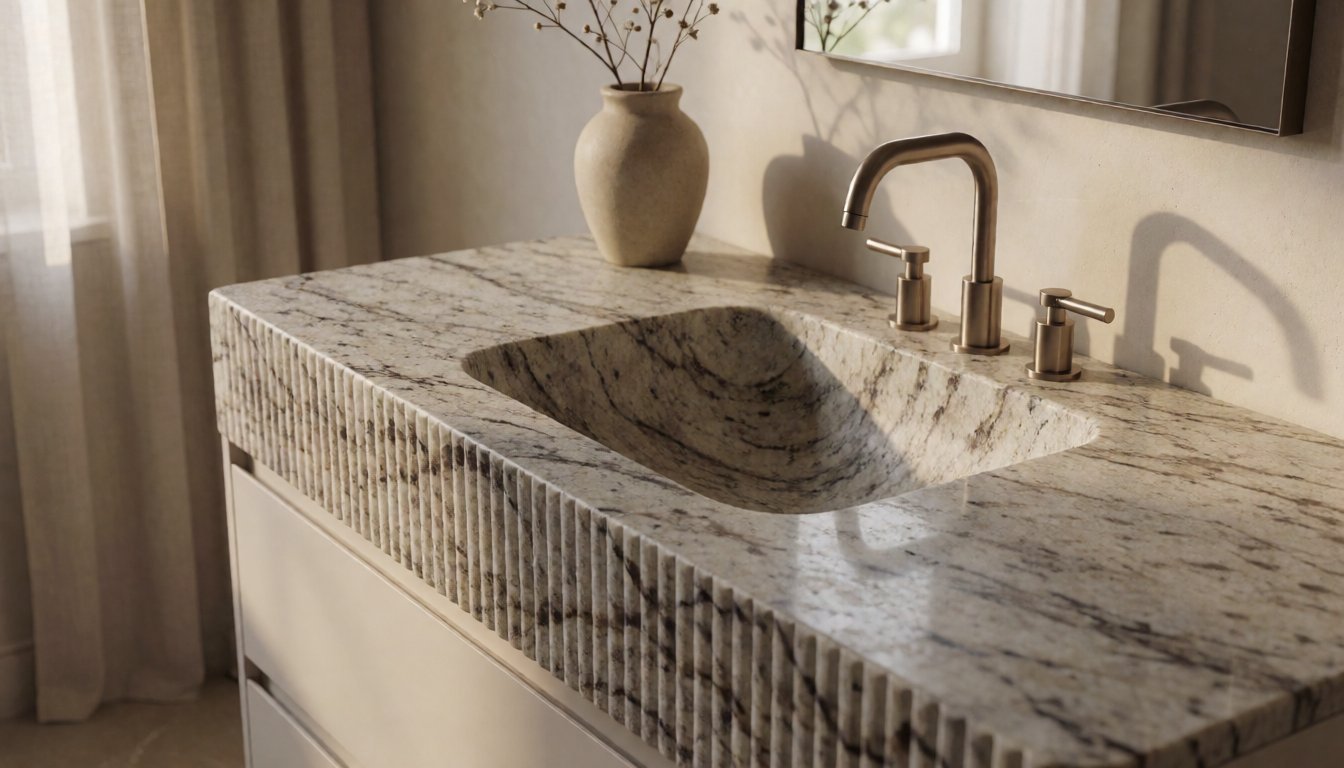
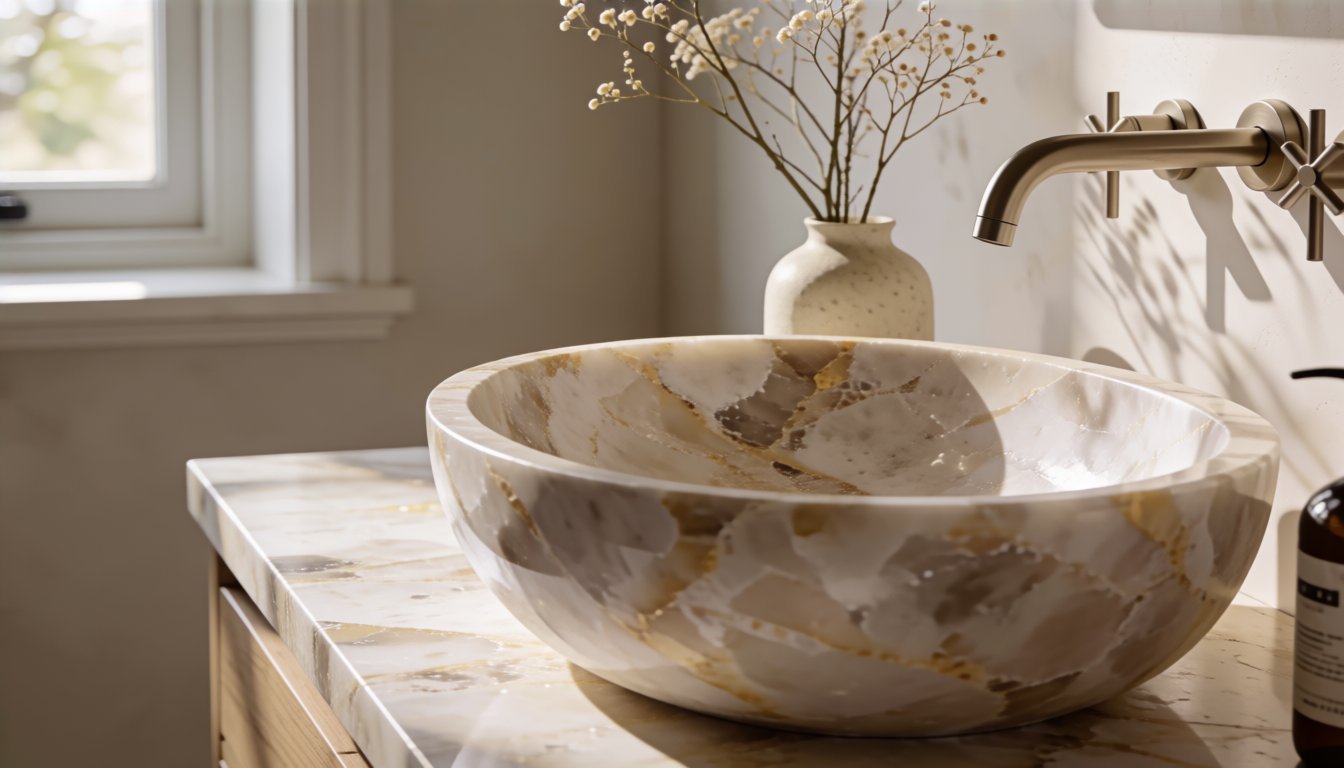
Lead time is also critical for this segment. A wholesaler needs goods arriving within a specific window to meet retail demand cycles. While complex carving projects like custom fireplaces might take 45 days, standard items like vessel sinks can be produced in as little as 14 days if materials are pre-stocked. You must clarify your production queue; mixing simple and complex orders will delay the entire shipment. Expect MOQs (Minimum Order Quantities) between 20 and 50 pieces for a specific SKU to keep unit costs competitive for this buyer type.
The Retail Dropshipper
Shopify dropshippers represent a growing segment of the stone furniture buyer market, particularly in the US and EU. They do not hold inventory; instead, they sell items directly to end consumers and pass orders to the factory or a 3PL (third-party logistics) provider. Their pain points differ significantly from wholesalers.
Dropshippers prioritize shipping speed and packaging integrity over raw unit cost. A stone bathtub weighing roughly 150 kg cannot survive a rough sea voyage if the crate is not reinforced. They need suppliers who understand how to pack fragile items like soap dispensers or delicate table legs for direct-to-consumer delivery. You must offer clear tracking updates and realistic lead times, typically ranging from 20 to 30 days for natural stone fabrication.
Pricing structure is also vital here. Since dropshippers have no bulk discount leverage, they often pay a premium per unit but need high margins on final sales. They look for suppliers who can handle small batch orders, sometimes starting with just 5 to 10 units of a specific design to test the market. Communication must be fast; if an order requires a color change mid-production because a customer requested it, you need a streamlined process to explain why that is impossible or how much extra it costs.
The Interior Designer and Architect
This group acts as a specifier rather than a direct reseller. They select materials for high-end residential projects or commercial hospitality spaces. An interior designer might specify a soapstone fireplace surround or a custom quartz dining table for a client’s new home. They care deeply about the material’s appearance, texture, and ability to meet specific project constraints.
For this B2B stone buyer type, quality consistency is non-negotiable, but they are willing to pay for premium materials like Carrara marble or exotic onyx. The order size is usually low, perhaps 2 to 4 pieces of a custom vanity per month, but the value per piece is high. They require samples sent via courier within 3 to 5 days to approve textures and veining patterns before placing bulk orders.
Lead times for this segment are flexible but must be guaranteed. Custom carving for a fireplace mantle might take 60 days, and they need you to confirm that date upfront so they can finalize their design drawings with the client. Transparency about potential delays in slab availability is key; if a specific vein of travertine is out of stock, you must advise them immediately so they can select an alternative without halting the project.
The White-Label Brand
White-label brands manufacture or assemble goods under their own brand name but rely on factories for fabrication. They often sell these items on platforms like Amazon or through their own DTC (Direct-to-Consumer) websites. Their focus is on creating a proprietary product line that stands out in a crowded marketplace.
A white-label stone importer profile seeks customization capabilities beyond just color changes. They might want a specific edge profile, a unique hole pattern for faucet installation, or a branded logo etched into the sink rim. MOQs for this segment are moderate, often ranging from 30 to 50 units per style to justify setup costs.
Cost efficiency is still important, but they value the ability to innovate. They need a supplier who can prototype a new design quickly. For example, if you want to test a new vessel sink shape with a specific hole pattern, you must be able to quote a price for that development run before mass production begins. Typical lead times for initial prototyping are 10 to 15 days, followed by the standard 25-day production run for natural stone.
The Commercial Contractor
Commercial contractors buy stone furniture for hotels, restaurants, and office lobbies. They deal in durability and installation ease rather than just aesthetics. A granite countertop for a hotel bar must withstand constant use, while a soapstone sink in a restaurant kitchen needs to resist heat and acid spills.
This buyer type places heavy emphasis on structural integrity and finish quality. They will inspect the underside of vanities and the thickness of table slabs. A standard dining table slab should be at least 2 cm thick for stability, whereas a vanity top might be 1.5 cm if it has a cabinet backing. Weight is another factor; a large rectangular bathtub can weigh over 400 kg when filled, requiring specific handling instructions and freight rates.
They often need competitive volume pricing but expect longer lead times due to the nature of commercial projects which may span months. However, they prefer reliable suppliers who won’t miss the delivery deadline, as delays can impact their opening schedules or renovation timelines. Typical order volumes are 10 to 30 units per project, with a mix of different product categories like bathtubs and sinks.
The DIY and Hobbyist Distributor
This niche segment sells stone furniture kits or simpler items to the general public. They might sell a small soapstone bowl or a pre-drilled sink for home renovation projects. Their customers value ease of installation and clear instructions.
While the volumes are smaller, often under 20 units per month, these buyers need products that are forgiving for non-professionals. For instance, a sink with simple holes and flat edges is easier to install than one with complex overflow mechanisms. They look for suppliers who can provide detailed assembly guides or videos.
Pricing needs to be accessible to the end consumer while maintaining a margin for the distributor. Lead times are less critical as these products often sell seasonally. However, quality control remains essential; if a slab cracks during shipping due to poor packing, it damages the distributor’s reputation. Typical orders might range from 5 to 15 pieces of a standard item like a vessel sink or decorative stone decor.
Key Considerations for Any Buyer
Regardless of your stone furniture buyer classification, several operational factors define your relationship with a supplier like Gladystone. Material selection is the first hurdle. Natural stone varies naturally; no two slabs are identical. You must decide if you want consistent veining or unique patterns, which affects pricing and stock availability.
Packaging dictates shipping costs and damage rates. A standard 20-foot container can hold roughly 500 to 600 sinks depending on packaging density. Reinforced corner guards and wooden crates are essential for items like large dining tables or fireplaces. Weights must be calculated accurately; a single marble slab can exceed 80 kg, impacting freight rates significantly.
Finally, communication channels matter. Establish a dedicated contact person who understands English well to discuss technical specs, finish options, and potential issues. Clear contracts regarding payment terms (usually 30% deposit, 70% before shipment) and quality assurance protocols prevent disputes later. By understanding your specific buyer type, you can tailor your sourcing strategy to maximize profit and minimize risk.
FAQ
What is the typical MOQ for a natural stone furniture factory?
Most factories require a Minimum Order Quantity (MOQ) between 20 and 50 pieces per product style for standard items like sinks or vanities. Custom projects, such as specific dining table shapes or carved fireplaces, may have higher MOQs ranging from 10 to 20 units depending on the complexity of the carving and material availability. White-label partners often negotiate lower MOQs starting at 10 pieces if they commit to a long-term volume agreement.
How do lead times vary between different stone products?
Lead times depend heavily on the fabrication process. Simple items like vessel sinks or basic countertop slabs can be ready in 14 to 20 days if materials are in stock. Complex items requiring intricate carving, such as custom fireplaces or hand-polished bathtubs, typically take 40 to 60 days. Dropshippers should plan for a standard buffer of 30 to 45 days to account for potential delays in slab sourcing or production queues.
What packaging standards are expected for international shipping?
International shipments require robust packaging to prevent damage during ocean freight. Stone items like bathtubs and large dining tables usually need reinforced wooden crates with foam inserts and corner guards. Standard sinks and vanities can be packed in double-walled cardboard boxes with plastic wraps, but fragile decor items must be individually wrapped in bubble wrap and placed in sturdy cartons. Always confirm packaging specifications before loading containers to avoid extra charges for damaged goods upon arrival.
Quick Comparison
| Buyer Type | Typical MOQ | Primary Priority | Estimated Lead Time |
|---|---|---|---|
| Wholesaler | 50 – 100 units | Lowest unit cost | 20 – 35 days |
| Dropshipper | 5 – 10 units | Packaging & Speed | 20 – 30 days |
| Interior Designer | 2 – 4 units (monthly) | Quality & Customization | 30 – 60 days |
| White-Label Brand | 30 – 50 units | Proprietary Design | 25 – 45 days |