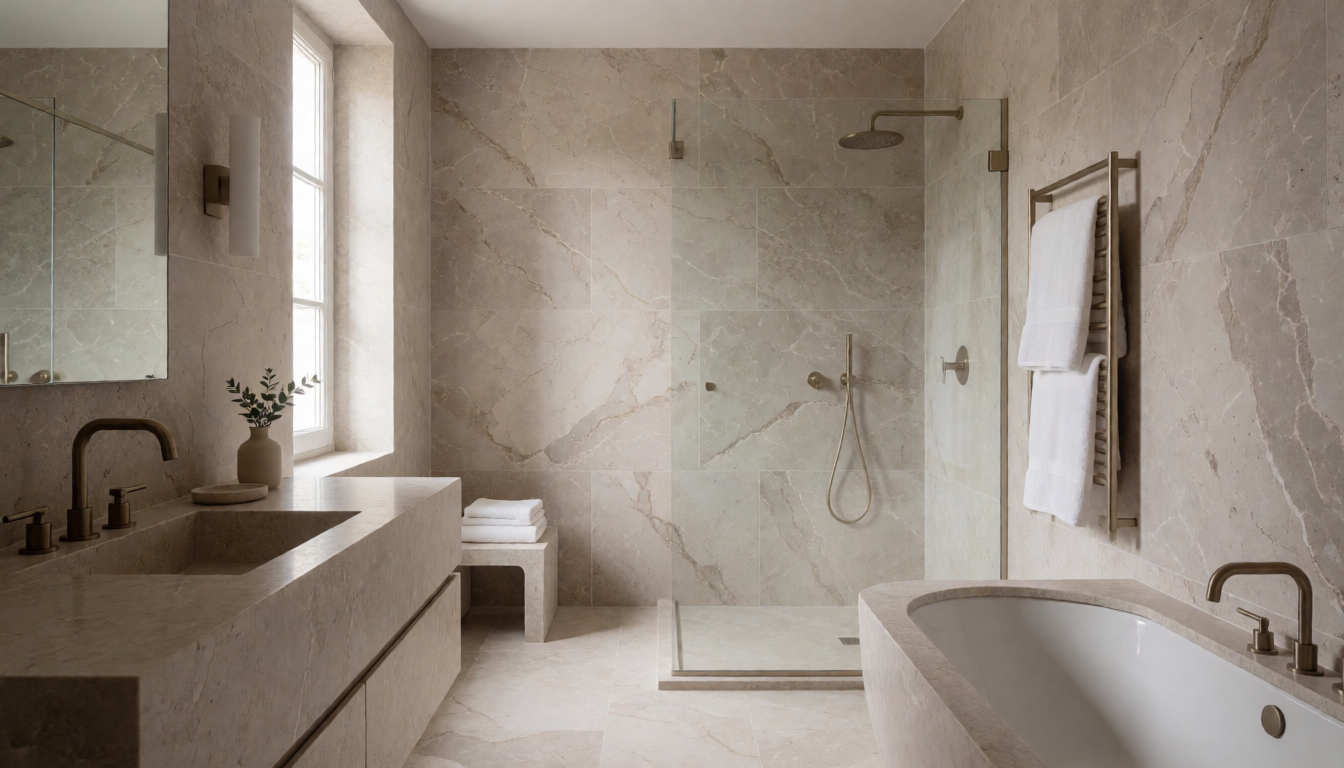
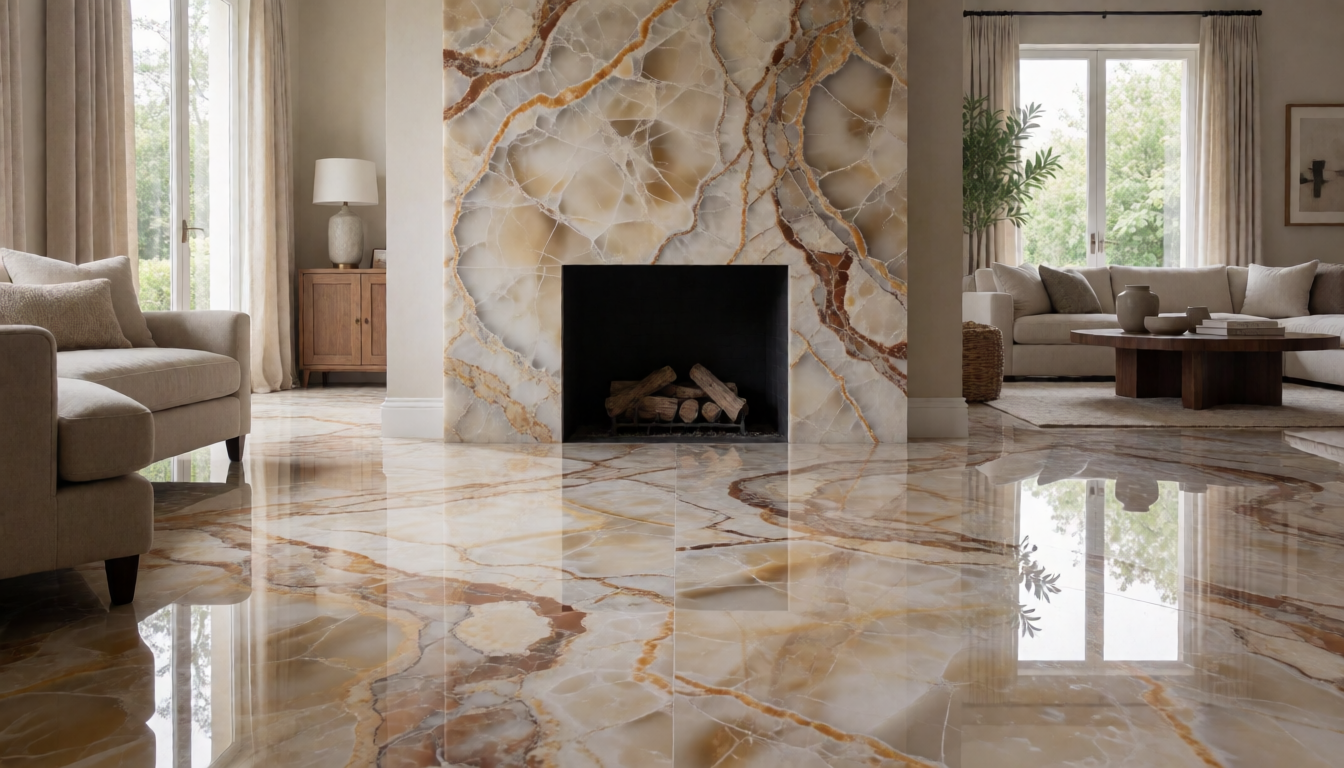
If there’s one defining design movement for 2026, it’s “stone drenching” — the practice of cladding entire interiors (walls, floors, and sometimes ceilings) in coordinated natural stone. What started as a luxury bathroom trend has expanded into living rooms, kitchens, and even bedrooms. The result is a space that feels immersive, grounded, and unmistakably high-end.
What Is Stone Drenching?
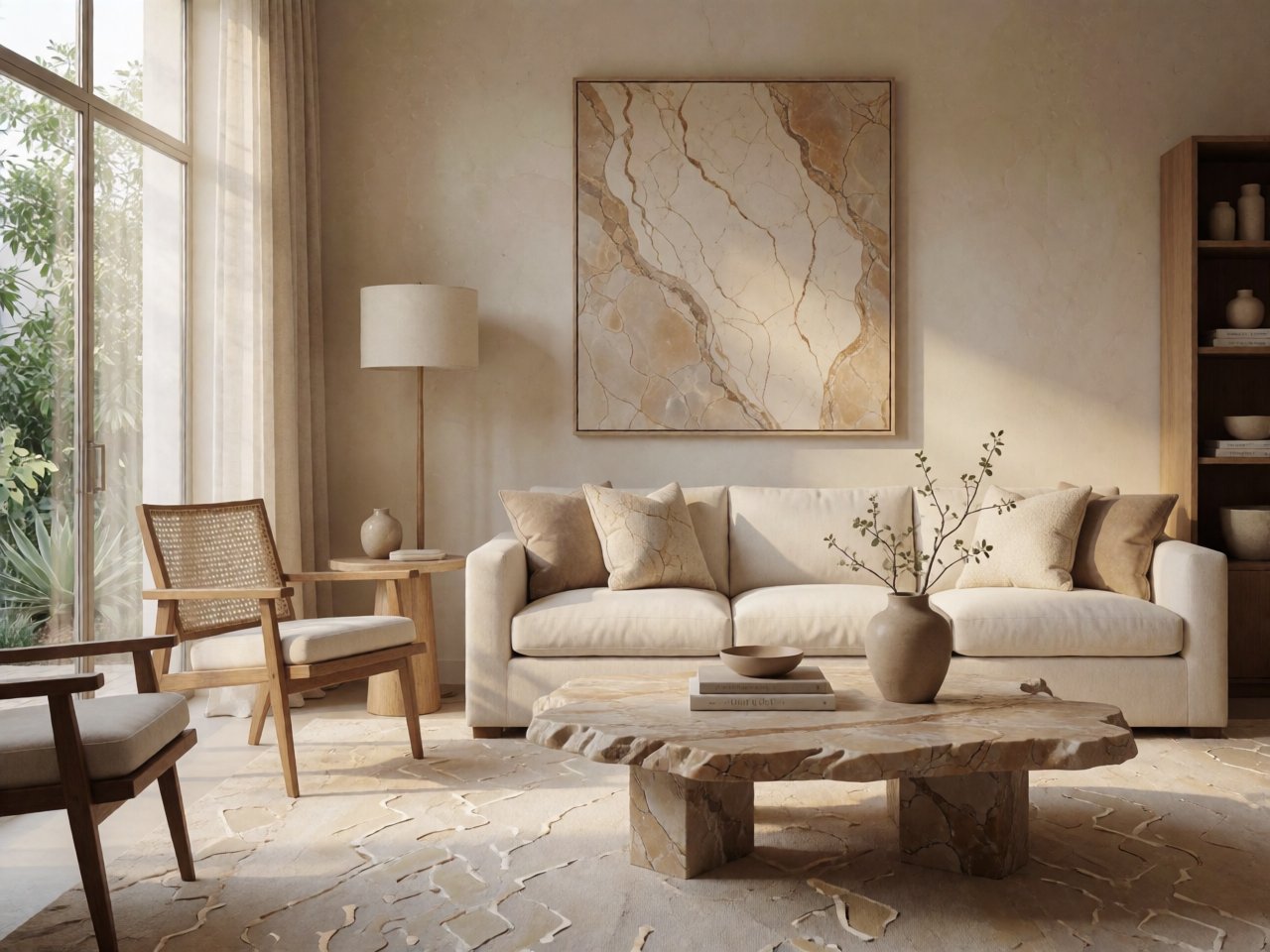
Stone drenching takes the concept of an accent wall and pushes it to its logical extreme: instead of one stone feature wall, every visible surface in the room uses natural stone — ideally from the same block for perfect color and veining matching. In bathrooms, this means stone floors, stone walls, a stone vanity/top, and a stone shower surround, all in matching or closely related stone. In living spaces, it might mean a stone fireplace wall extending to stone flooring and a stone-clad feature niche.
Warm Tones Replace Cool Whites
The stone drenching trend of 2026 is defined by warm, earthy palettes. The cool greys and stark whites that dominated 2010s interiors have given way to creamy beiges, honey onyx, warm grey limestone, and sand-colored travertine. According to Sezgin Marble’s 2026 forecast, these warm tones pair beautifully with the other dominant trend: matte and honed finishes that invite touch and create a softer visual environment than polished stone.
High-Shine Lacquered Stone: The Luxury Counter-Trend
At the same time, there’s a parallel movement toward high-shine, lacquered stone finishes — particularly in luxury residential projects. A lacquered marble wall (where the stone is polished to a mirror-like finish and treated with specialized coatings) creates a dramatic, reflective surface that makes small spaces feel larger. This trend is especially popular in high-end powder rooms and luxury hotel lobbies. The key insight for 2026: both matte/leathered AND high-shine stone have their place — it’s about matching the finish to the desired atmosphere.
Stone in Open-Plan Living
The expansion of stone drenching beyond bathrooms is being driven by the continued popularity of open-plan living. When the kitchen, dining, and living areas flow into one another, using stone flooring or a stone feature wall across the entire space creates visual continuity. Large-format stone tiles (1200×2400mm and larger) minimize grout lines and reinforce the seamless effect. For architects specifying these layouts, the critical consideration is slip resistance — honed or leathered finishes are essential for stone flooring in living areas.
Practical Specification Guide for Stone-Drenched Spaces
Specifying a stone-drenched interior requires careful planning:
- Block Selection: For multi-surface installations, select stone from the same quarry block to ensure color consistency. This is especially important with natural stones that have batch-to-batch variation.
- Finish Coordination: Mixing finishes (e.g., honed floor, polished wall) can work if the color story is consistent. But many designers in 2026 are choosing a single finish throughout for maximum coherence.
- Lighting Design: Stone drenching only works with thoughtful lighting. Grazing light (light that rakes across the stone surface) highlights the natural texture and veining. Plan LED strip placement before finalizing stone installation details.
Glady Stone: Your Natural Stone Partner for Whole-Home Design
Whether you’re designing a stone-drenched primary bathroom or specifying limestone flooring for an open-plan living area, Glady Stone offers a curated selection of premium natural stone for residential and commercial applications. Our team works directly with architects, interior designers, and stone wholesalers to ensure block-matched consistency and expert technical guidance. Contact us today to discuss your 2026 stone drenching project.