When importing natural stone furniture like sinks, bathtubs, or dining tables, the biggest risk isn’t usually structural failure. It’s surface mismatch. A client might approve a digital rendering of a Carrara marble vanity, only to receive a shipment where the veining looks too heavy or the polish feels plastic-y. To bridge this gap between factory output and buyer expectation, you need physical references before mass production begins. This is where lab dips and finish swatches become critical tools for your supply chain. They are not just marketing props; they are quality control documents that define exactly what “good” looks like for your specific project.
The Role of Lab Dips in Stone Selection
In the textile industry, a lab dip is a small fabric sample used to match colors. In stone manufacturing, it takes a different form but serves a similar validation purpose. A marble lab dip involves cutting a small slab or using polished resin blocks to simulate specific stone varieties. You might see these labeled as 30cm x 30cm tiles or 20x40cm vanity inserts.
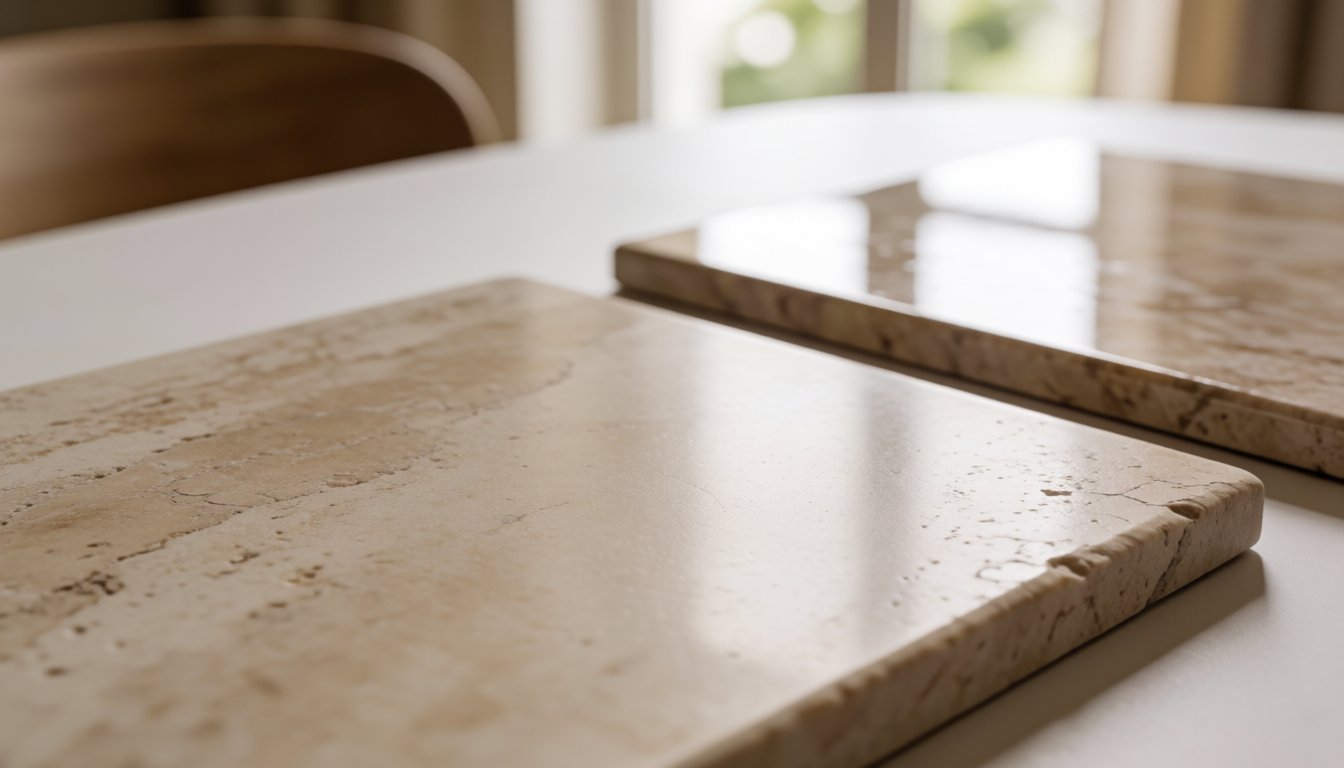
When ordering from a manufacturer like Gladystone, do not assume that “Carrara” means one thing globally. Italian Carrara often has grey-blue veining, while Chinese domestic equivalents can range from stark white to heavy charcoal streaks. A marble lab dip allows you to hold the physical texture against your client’s lighting conditions. If you are sourcing for a US boutique hotel chain requesting 50 units of quartz-look granite countertops, asking for three variations of the same stone type is standard practice. This helps identify which batch aligns with your brand aesthetic before cutting into production orders.
Understanding Finish Swatches and Surface Texture
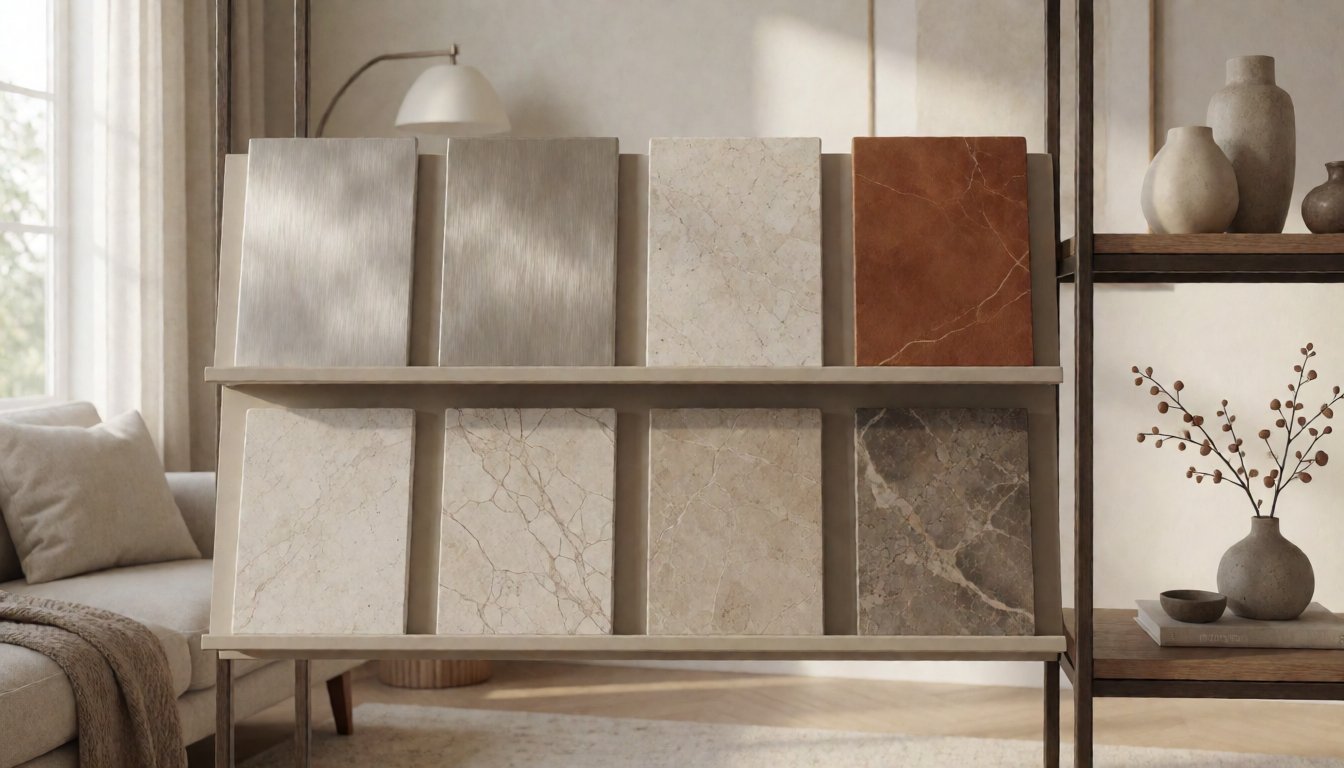
The finish applied to the stone changes its perceived color and depth significantly. A honed surface appears matte and softer, while a polished surface reflects light and makes veining pop. A brushed or leathered finish diffuses light, which is excellent for hiding minor pits in natural stone. When requesting a stone finish swatch, you must specify the exact technique: high-gloss polish, satin, honed, or sandblasted.
Consider a fireplaces product line. You might want a rough-hewn texture on the hearth to contrast with a smooth polished rim. Without a physical sample, it is impossible to judge if the factory’s definition of “rough” matches your client’s expectation. A surface finish sample lets you verify the depth of the texture. Ask for samples that include both the edge profile and the face texture. If an edge is chiseled but the face is polished, the transition can look abrupt or cheap. Ensure the swatch includes a view of how the factory handles edges, as this often dictates the final cost and quality perception.
Managing Color Consistency Across Batches
Natural stone is inherently variable. Even within a single quarry block, color shifts occur naturally. However, manufacturing inconsistencies can create even larger jumps in hue between batches. This is where your communication with the supplier must be precise. When you send a marble lab dip back to the factory, do not just say “make it lighter.” Provide a reference photo from a specific batch that was approved previously.
If you are importing for white-label brands, color consistency is your primary liability insurance. If one unit of a dining table set arrives slightly darker than the next, your brand reputation takes a hit. Establish a tolerance range with your supplier. For example, agree that +/- 2 degrees on the Lab Color Scale (Lab*) is acceptable for large orders. Request that the factory keeps a “master batch” record so every unit produced can be compared against the original standard. This practice prevents the scenario where a shipment of vanities arrives three shades darker than the showroom display after six weeks in transit.
Practical Steps for Ordering Samples Effectively
To get the most value from your sample requests, structure your order clearly. Start by defining the project scope. Are you ordering 10 units for a test market or 500 units for a wholesale run? The cost of samples should reflect this scale. If you are testing a new stone variety for dropshipping, expect to pay roughly $50-$80 per set including shipping. For larger batches, ask the factory to include the sample cost in your first container purchase as part of their quality assurance protocol.
Always request samples with the specific dimensions relevant to your end product. A sink bowl insert is different from a countertop slab. Ask for both polished and honed versions if you plan to offer variety later. Include a note requesting that the factory ships samples on a sturdy board to prevent warping during transit. When they arrive, let them sit in your warehouse lighting for 48 hours before making a decision. UV exposure can alter how stone looks after shipping from China to the US or EU ports.
Finalizing Specifications Before Mass Production
Once you have selected your preferred lab dips and finish swatches, convert that selection into a formal specification sheet. This document becomes part of your contract with the factory. It should list the exact stone type, the finish code, the edge profile, and the acceptable color variance. Attach photos of the approved samples to this sheet.
Remember that lead times apply to both sample production and mass manufacturing. Samples typically arrive within 7-10 days. Mass production lead times range from 25 to 45 days depending on complexity. Do not rush the sample phase. Taking an extra week to finalize your stone finish sample saves weeks of headaches later when dealing with rejected containers or costly re-shipping fees. Clear communication now ensures that when your clients open the box, they see exactly what you promised.