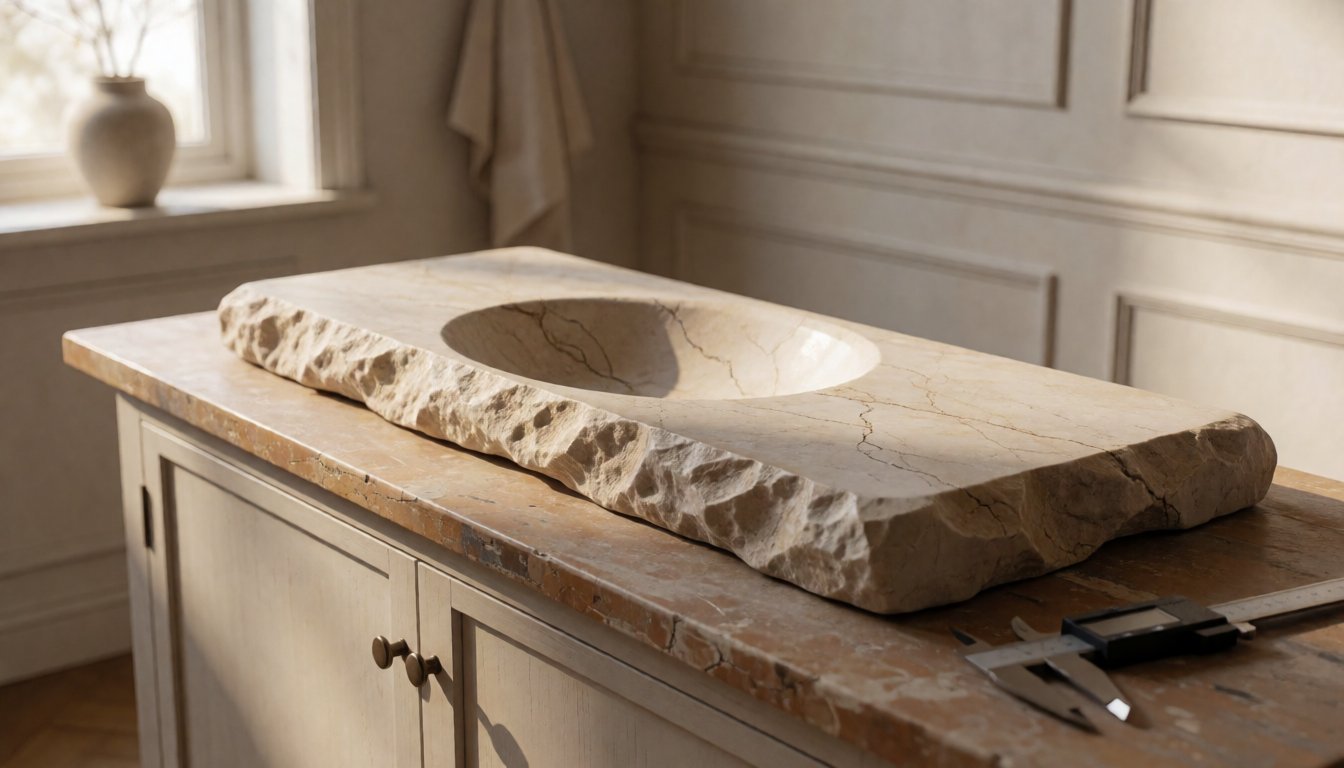
You have selected your stone slab, agreed on a design concept, and shipped a physical sample to your US or EU warehouse. The moment of truth is here. This prototype represents the exact unit your customers will receive or that you will install in a client’s home. For Gladystone, our factory floor produces sinks, bathtubs, dining tables, vanities, and decor items in massive volumes daily. However, once a specific order moves from mass production to this custom stage, the margin for error shrinks.
Approving a stone prototype is not just about saying “yes” or “no.” It is a technical vetting process that protects your brand reputation and ensures your supply chain remains smooth. If you miss a detail here, you face costly returns, shipping delays, and damaged relationships with interior designers who expect precision. You must look closely at three critical areas: the structural drawing tolerance, the surface finish quality, and the final aesthetic sign-off. Understanding how these factors interact helps you negotiate better terms and avoid common pitfalls in natural stone manufacturing.
Defining Marble Drawing Tolerance
When you receive a prototype, do not immediately assume it fits your template perfectly. Natural stone is quarried from massive blocks, meaning no two pieces are identical. You must understand the industry standard for marble drawing tolerance. For solid stone sinks and countertops, a deviation of 3 to 5 millimeters in length or width is considered normal.

Consider a custom vanity top measuring 180 cm by 60 cm. If your CAD drawing specifies an exact fit for a specific cabinet frame, a 4 mm overhang might cause the piece to jam during installation or require excessive grinding on-site. However, if this is a freestanding dining table or a decorative fireplace surround, that same 4 mm variance is negligible.
When checking the prototype, measure the critical dimensions against your approved drawings. Ask Gladystone’s technical team how they account for thermal expansion and contraction. Stone expands roughly 0.00001 per degree Celsius. If you are shipping to Europe where humidity levels fluctuate wildly compared to the dry climate of parts of the US West Coast, tolerance requirements may need to be tighter.
If your drawing calls for a flush fit with a brass faucet base that has a height of 35 cm, and the sink opening is measured at 10 cm too deep, you cannot simply approve it. This is a fabrication error, not a natural stone variation. For Gladystone, we can adjust our CNC cutting machines to hit tolerances within +/- 2 mm for high-end projects, but this will increase the cost. Discuss this trade-off with your sourcing manager before signing the approval sheet.
Evaluating Surface Finish and Texture
The second checkpoint is the finish. This is where the difference between a cheap dropshipping product and a premium interior design installation lies. You are likely looking at polished, honed, leathered, or textured finishes like our popular “river stone” effect for side tables.
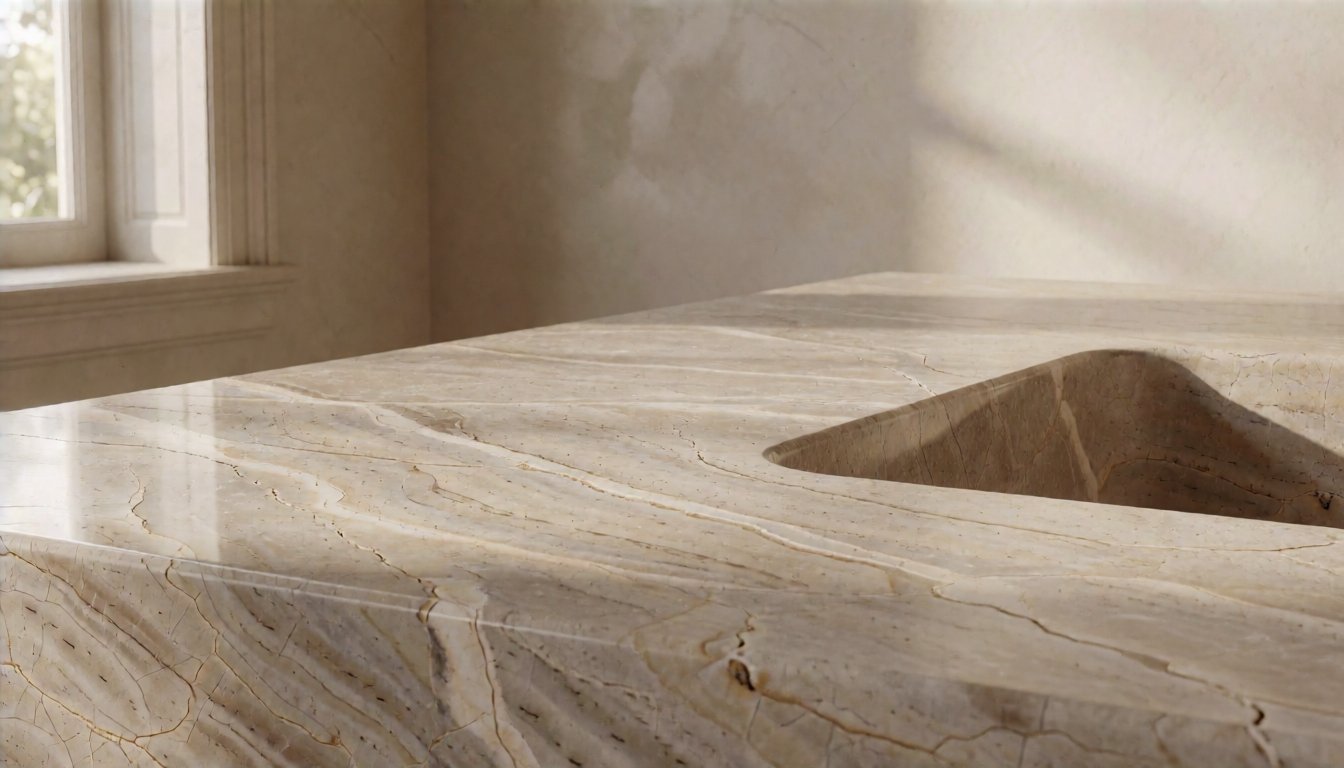
Take a flashlight at a 45-degree angle across the surface of the prototype sink. Look for pinholes, pits, or scratches larger than 1 mm. A high-quality polished marble slab should reflect light evenly without dark spots that indicate poor polishing or etching from residual oils in the stone. If you are ordering a honed finish for a bathroom vanity, check the gloss level. It should be matte but not dusty.
For textured finishes like our lava rock effect vanities, consistency is key. If half the basin looks smooth and the other half looks pitted, the water jetting process was inconsistent. This will lead to customer complaints about uneven quality. Weigh the finished piece; a heavy sink made of dense granite or quartzite might weigh 40 kg or more for a double-bowl model. Ensure your packaging plan can handle this weight without crushing the stone during transit.
Ask specifically about the sealing process. Does the prototype come sealed, or is it raw? If you are dropshipping to Europe where VAT and customs scrutiny are high, having a properly sealed unit prevents water damage claims later. A typical sealant lasts 6 to 12 months depending on usage. If your buyer needs a longer warranty period, request a double-seal application during the prototype phase. This small extra step adds roughly $5 to the unit cost but saves you from liability issues down the road.
The Final Prototype Sign-Off Process
Once the dimensions and finish pass inspection, you move to the final sign-off. This is the legal contract that releases your factory to full production. Do not skip this step. A verbal confirmation over WhatsApp or email is rarely enough for B2B transactions involving high-value stone items like fireplaces or custom bathtubs.
You need a physical or digital signature on a formal approval sheet. This document should reiterate the agreed-upon color (using Pantone or RAL codes if possible), the finish type, and the specific tolerance limits you accepted. For Gladystone, our standard lead time for production after sign-off is roughly 15 to 25 days depending on stone availability. If you rush the approval, we may have to pull a slab from inventory, which could delay your order by another week.
Clarify what happens if the mass-produced units deviate from the prototype. Most contracts state that minor variations are acceptable, but major defects trigger a replacement policy. Define this threshold clearly now. Is a slight color shift of 5% on a large dining table acceptable? Or must it match the prototype exactly? If you choose the latter, be prepared to pay for a higher rejection rate during production.
Finally, confirm the packaging details included in the sign-off. Stone items are fragile. Ask if the prototype is packed with corner protectors and foam inserts similar to what will be used for the bulk order. If the prototype arrived slightly chipped due to poor packing, do not approve it. Request a new pack or adjust your expectations. Your goal is to ensure that when your customers unbox their Gladystone furniture, they receive the same pristine condition you saw in that single prototype unit.
By rigorously checking stone prototype approval protocols, you position yourself as a professional importer. You reduce the risk of costly returns and build trust with designers who rely on your supply chain for reliability. Remember, precision in the prototype phase pays dividends in customer satisfaction throughout the installation process.