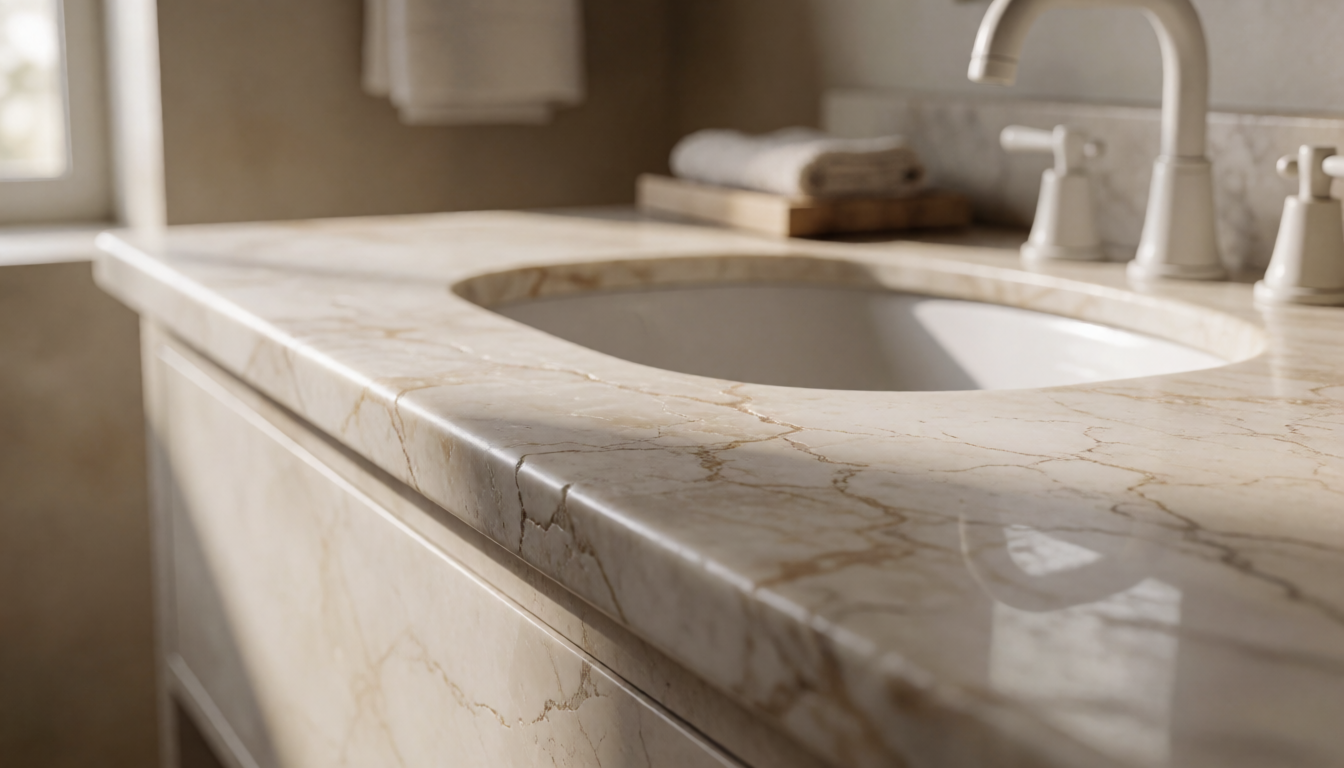
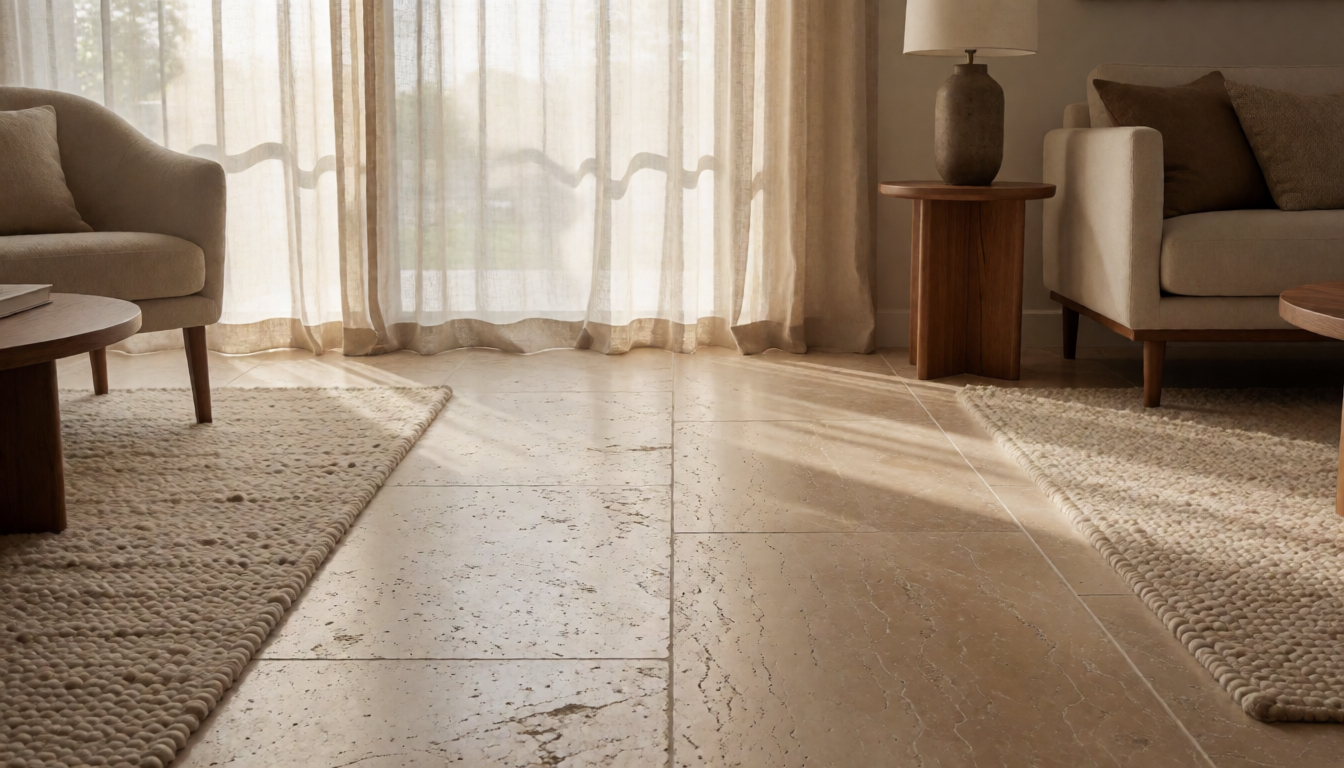
Natural stone is forever—but only if it is cared for correctly. In 2026, with natural stone specifications at an all-time high in luxury residential projects, the gap between expectation and reality is often traced to one thing: maintenance education.
This guide is written for distributors, installers, and end users who need clear, actionable stone care protocols—without the marketing fluff.
The Golden Rule: pH-Neutral Cleaning Only
The single most common cause of stone damage is acidic cleaning products. Lemon-based cleaners, vinegar solutions, and “heavy-duty” bathroom sprays permanently etch marble and limestone surfaces.
The 2026 standard: Specify and use only pH-neutral stone cleaners. Look for the “safe for natural stone” certification on the label. In a high-use residential setting, a daily wipe with a pH-neutral cleaner and soft microfiber cloth is sufficient.
Sealing Schedules: How Often Is Actually Necessary?
The answer depends on the stone type, the finish, and the usage level:
- Marble, travertine, limestone (honed or matte): Every 12 to 18 months for bathroom sinks and vanity tops; every 24 months for low-traffic flooring
- Granite (polished): Every 3 to 5 years—granite is less porous than marble
- Outdoor stone: Every 12 months, regardless of stone type—UV exposure degrades sealers faster
Pro tip: The “water test” tells you when resealing is needed. Drop a teaspoon of water on the stone. If it darkens the surface within 10 minutes, the sealer has failed and needs reapplication.
Understanding Etching: What It Is and How to Minimize It
Etching is not a stain. It is a chemical burn caused by acid reacting with the calcium carbonate in marble and limestone. The result is a dull, lighter spot on the surface.
Can etching be prevented? Not entirely—marble is a reactive stone. But you can minimize it:
- Use coasters under all acidic drinks: wine, citrus, soda
- Wipe spills immediately—do not let acidic liquids sit on the surface
- Apply a high-quality penetrating sealer annually
Can etching be repaired? Yes. Light etching can be polished out with a marble polishing powder. Deep etching requires professional honing and re-polishing.
Stain Removal: The Poultice Method
When a stain penetrates beyond the surface, standard cleaning will not remove it. The solution is a poultice—a thick paste that draws the stain out of the stone:
- Mix a stone-safe poultice powder with water to a peanut-butter consistency
- Apply to the stained area, cover with plastic wrap, and tape the edges
- Let sit for 24 to 48 hours
- Remove and rinse thoroughly
A Note on Green Stone Care in 2026
Environmental responsibility is influencing stone care product selection. In 2026, the leading stone care brands have reformulated to remove harsh solvents and phosphates. As a distributor or installer, specifying eco-friendly stone care products is both good practice and a marketable differentiator.
Stone Care Resources from GladyStone
We provide stone care guides in multiple languages for our distributor partners. If you are specifying GladyStone products for a project, contact our team for care and maintenance specifications tailored to your stone selection.
Keywords: marble maintenance, stone sealing, granite care, natural stone cleaning, pH neutral cleaner, marble etching repair, stone poultice, natural stone care guide