Seal marble every 6 to 18 months depending on use: kitchen counters every 12 months, shower walls every 6–12 months, and low-traffic floors every 18–24 months. The definitive test is the water-bead check — if water soaks in within five minutes, it is time to reseal, regardless of the calendar.
Why Does Marble Need Sealing in the First Place?
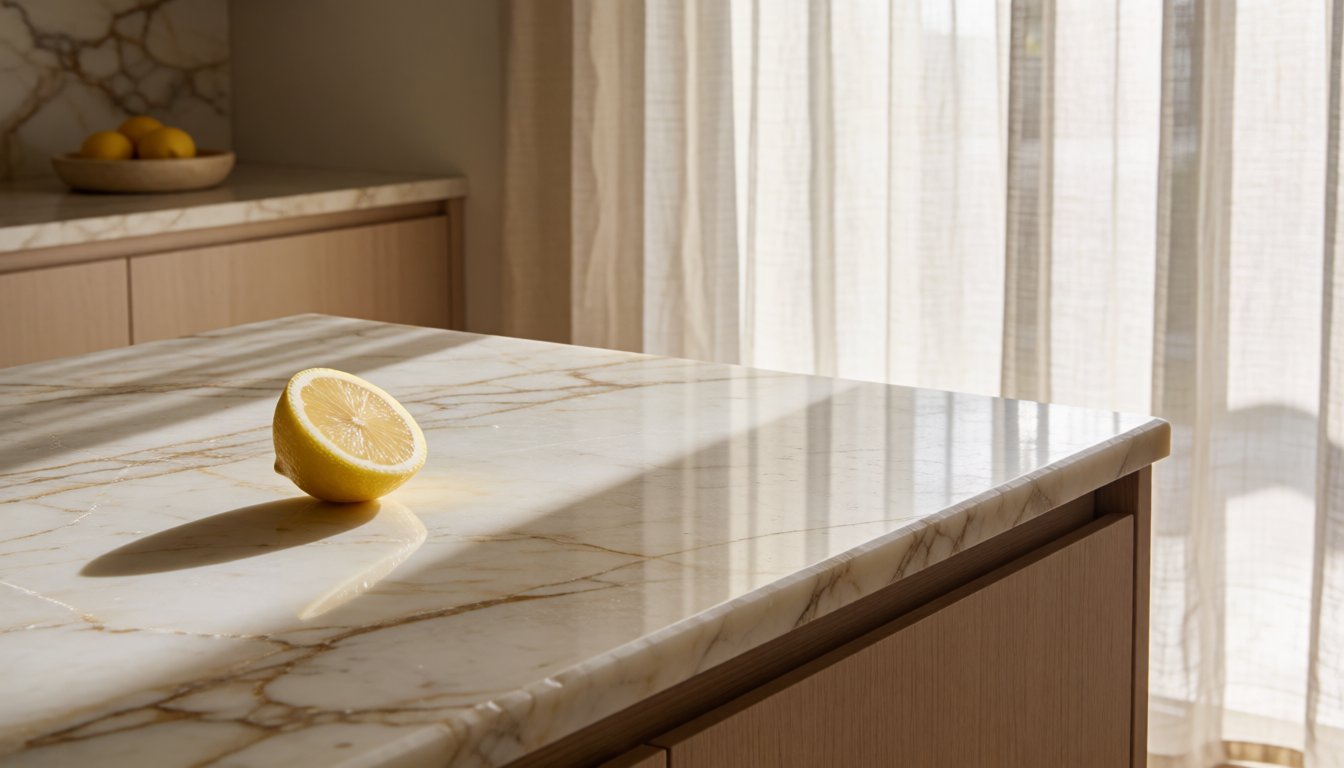
Marble is calcium carbonate — porous by nature. A penetrating (impregnating) sealer fills the microscopic pores so spills sit on the surface long enough to be wiped away instead of absorbing as stains. Sealing does not make stone stain-proof, and crucially it does not prevent etching: acids such as lemon, vinegar, and wine chemically dissolve the surface and leave dull marks no sealer can stop. That is why sealing is paired with pH-neutral daily cleaning and immediate spill response.
What Is the Water-Bead Test for Marble?
Place a few drops of water on a clean, dry area. If the water beads up and sits on top, the sealer is still working. If it darkens the stone within about five minutes, the pores are open and resealing is due. Run this check every six months — it takes two minutes and prevents the major stains that ruin marble.
How to Build a 2026 Sealing Schedule by Surface
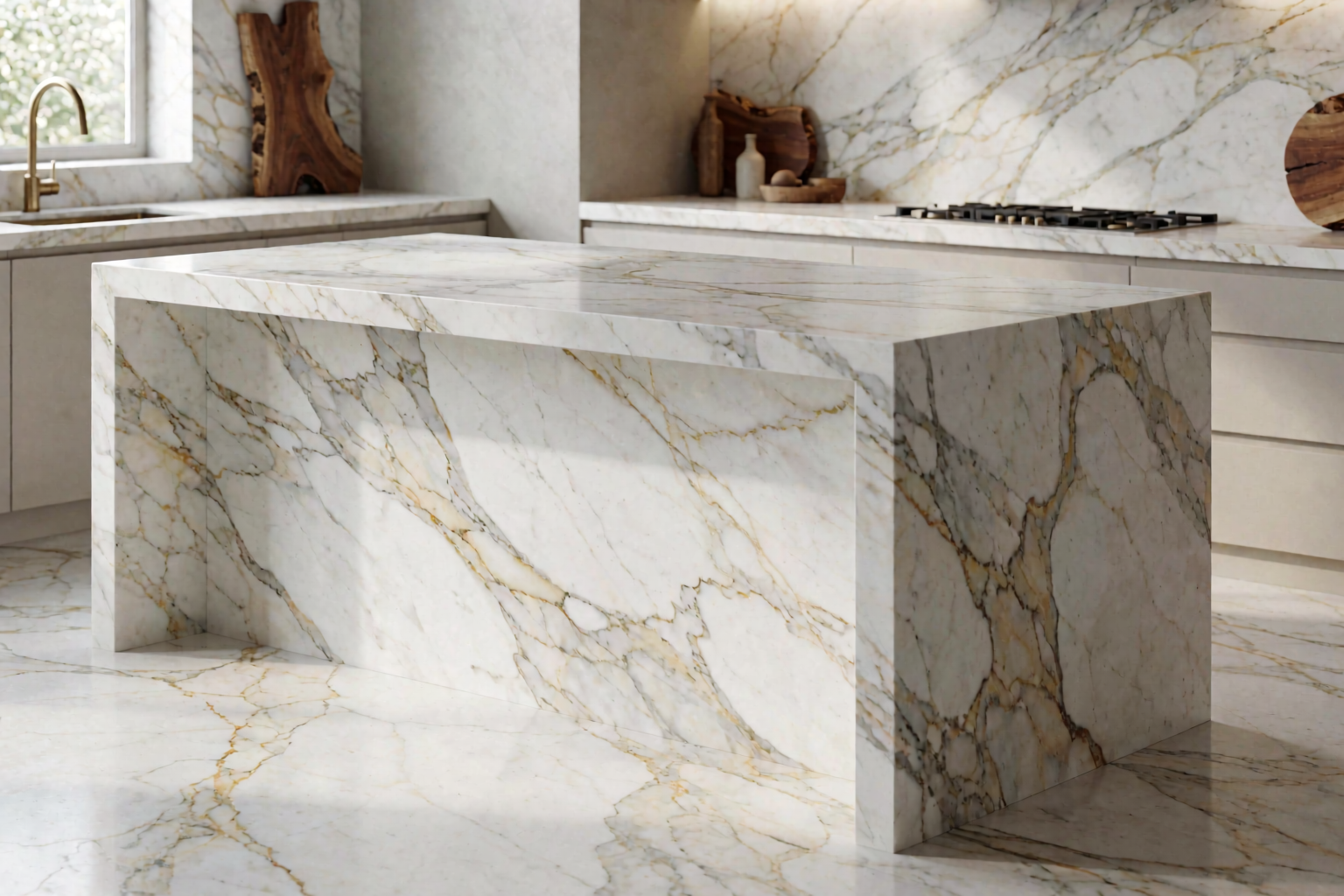
- Kitchen counters: Impregnating sealer every 12 months — the highest-risk zone for acids and oils.
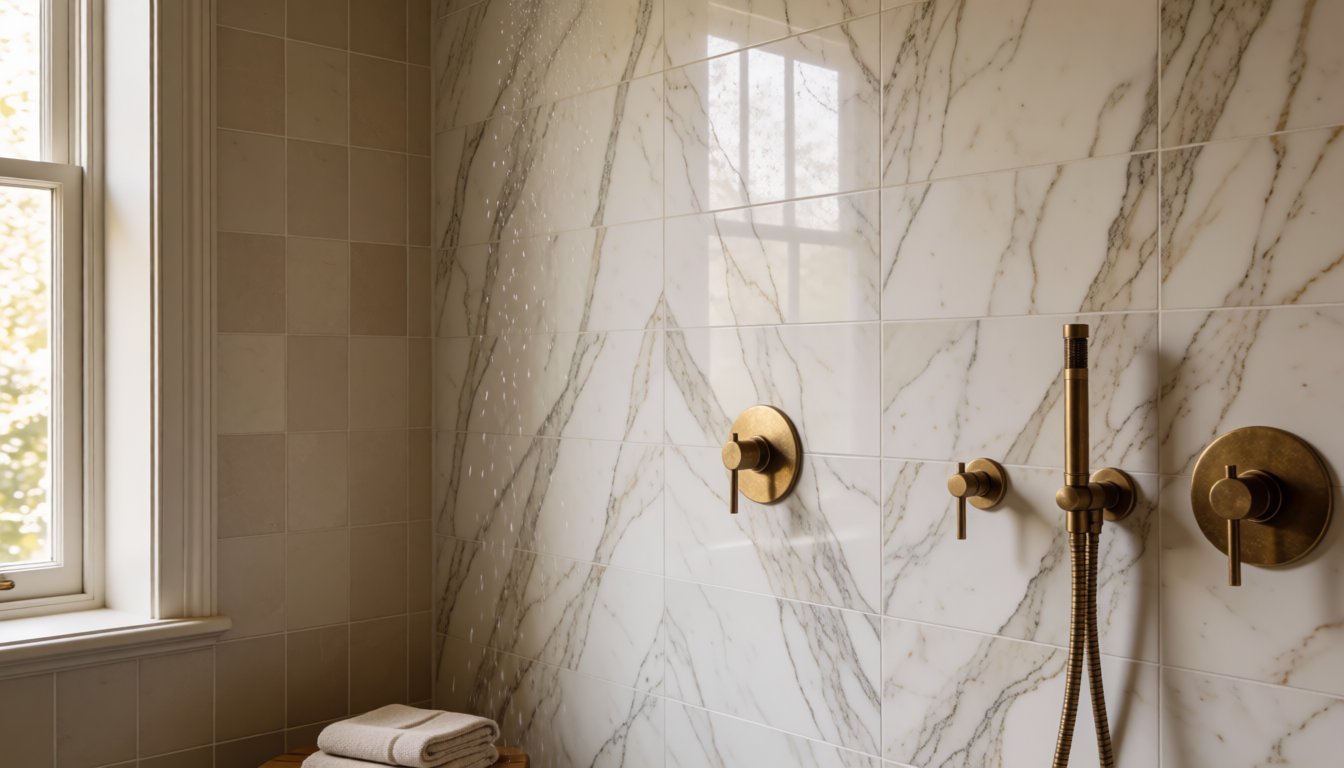
- Shower walls: Wet-rated impregnating sealer every 6–12 months under constant moisture.
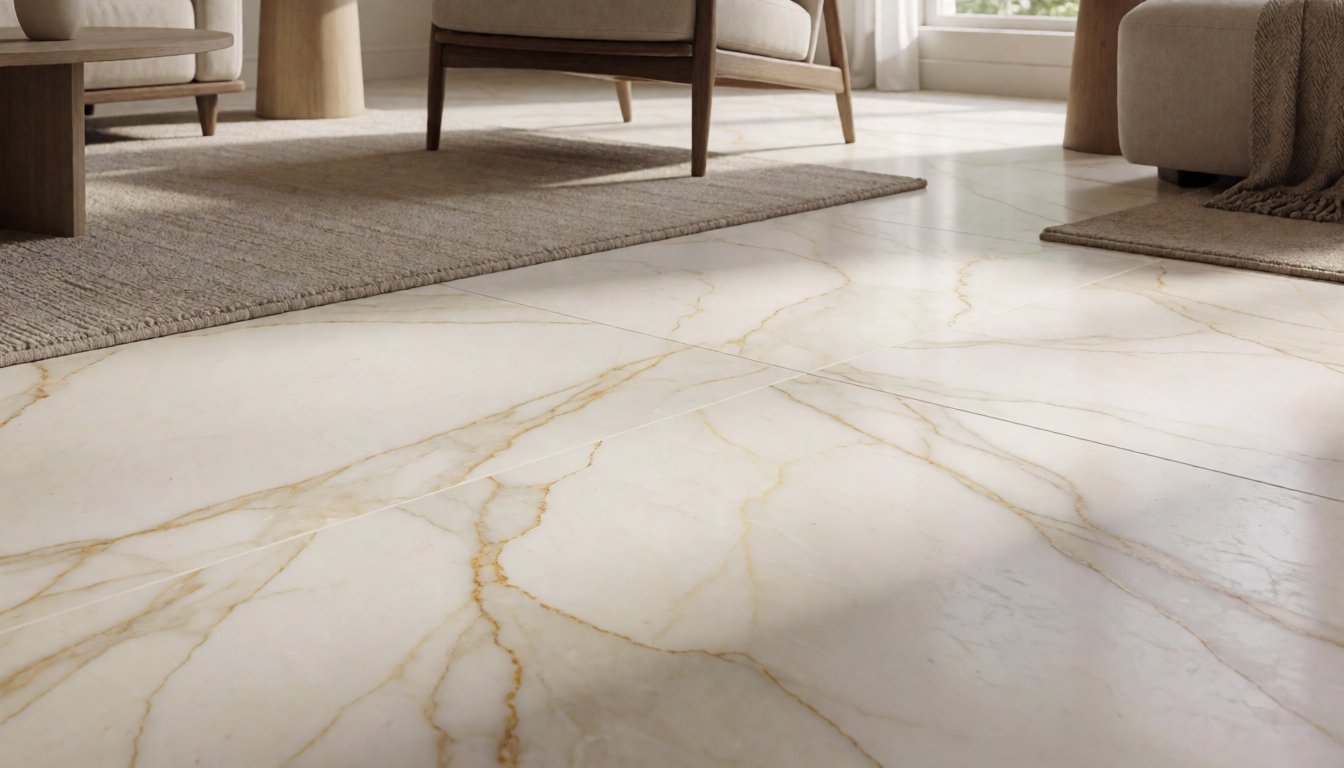
- Living floors: Impregnating plus a topical finish every 18–24 months in low-traffic areas.
A sealing schedule should follow exposure, not a fixed date. High-risk zones — kitchen counters facing acids and oils, and shower walls under constant moisture — need impregnating sealer every 6 to 12 months. Bathroom vanities and floors, with medium traffic, hold up for 12 to 18 months, while living-area floors with a topical finish can stretch to 24 months. Always apply a penetrating (impregnating) sealer, never a topical "wet-look" acrylic that peels and traps moisture. Critically, sealing prevents staining but never etching: acids such as lemon, vinegar, and wine chemically dissolve calcium carbonate and leave dull spots no sealer can stop. The only real defense is immediate blotting and pH-neutral daily cleaning. Re-test every six months with the water drop; the two-minute check prevents the major stains that ruin marble.
Marble Sealing Schedule by Surface
| Surface | Sealer Type | Reseal Frequency | Risk Level |
|---|---|---|---|
| Kitchen counter | Impregnating | Every 12 months | High (acids, oils) |
| Shower walls | Wet-rated impregnating | Every 6–12 months | High (moisture) |
| Bathroom vanity | Impregnating | Every 12–18 months | Medium |
| Living floor | Impregnating + topical | Every 18–24 months | Low–Medium |
Frequently Asked Questions
Does sealing prevent etching on marble?
No. Etching is a chemical reaction between acid and calcium carbonate that no penetrating sealer stops. Only prompt blotting and pH-neutral cleaning defend against it.
Can I seal marble myself?
Yes. Clean and dry the surface, apply an impregnating sealer evenly, let it dwell, then buff off all excess before it dries. Cure 24–72 hours before use.
What happens if I don’t reseal on time?
Open pores absorb oils and pigments, causing stains that often need a poultice or professional restoration to remove.
Glady Stone: Sourcing Dense, Seal-Ready Natural Stone
Glady Stone supplies expertly finished marble, travertine, and quartzite with fabrication guidance that protects your client’s investment for decades.
Source dense, expertly finished natural stone from the Glady Stone marble and travertine collection, with fabrication guidance that protects your investment for decades.