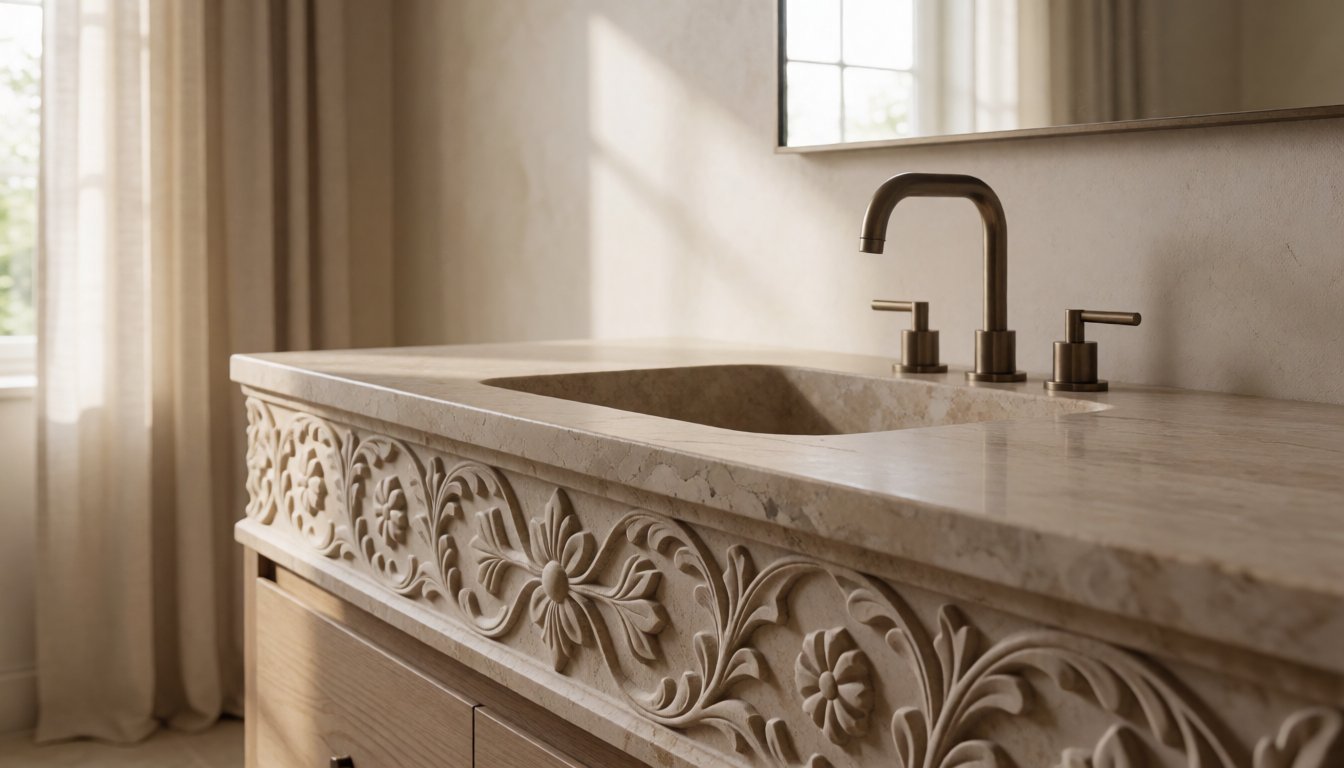
Finding a reliable stone bathroom vanity supplier requires more than just comparing photos on social media. As an importer or brand owner looking for marble vanity wholesale options, your primary goal is consistency and structural integrity. A single batch of defects can halt sales channels or damage reputation with interior design clients. You need to know exactly what affects the final cost and quality before signing a purchase order.
Structural Integrity: Beyond Surface Finish
The most critical factor in natural stone furniture is not how glossy it looks, but whether the slab will survive shipping from China to your warehouse without cracking. Stone vanities are heavy; a standard 60-inch double-basin vanity typically weighs between 45 kg and 95 kg depending on thickness (2cm vs. 3cm). If the internal structure is weak, vibration during transit causes hairline fractures that appear only after installation.
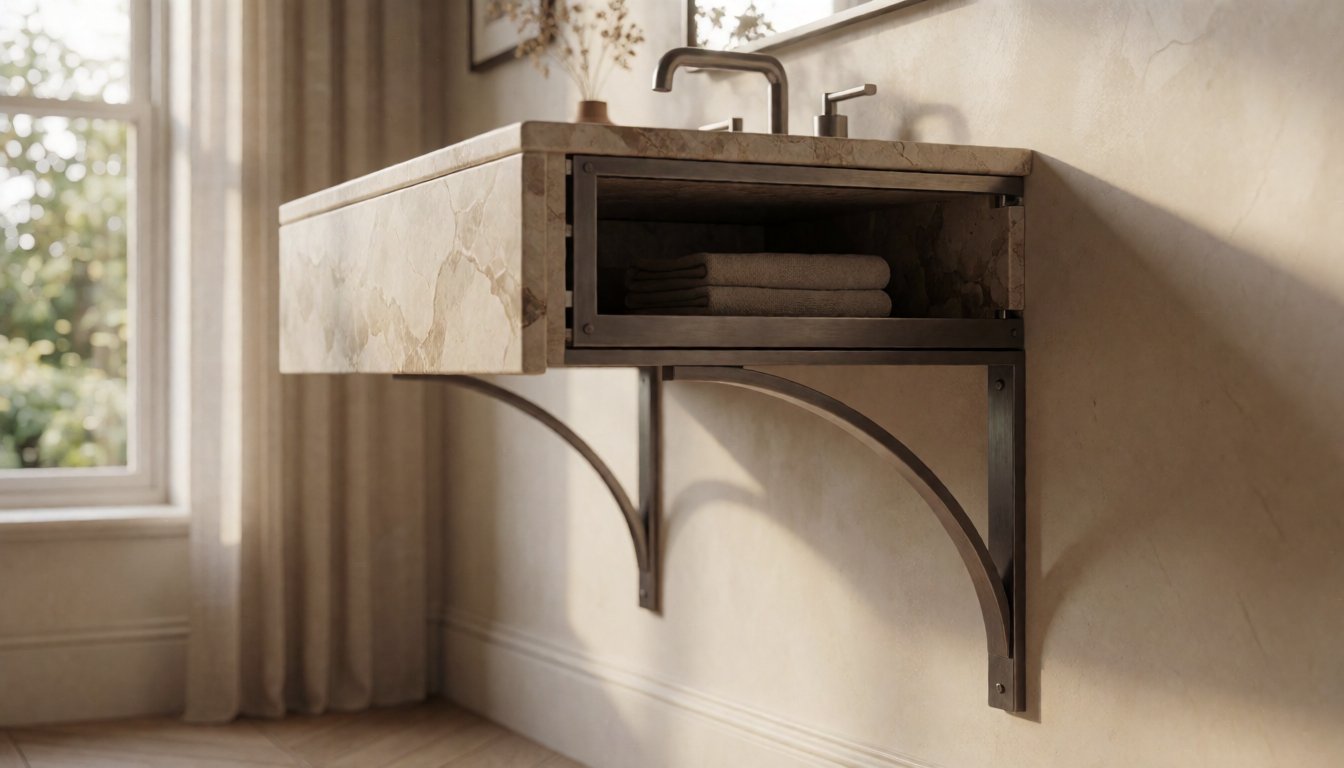
Ask your potential stone bathroom vanity supplier to detail their reinforcement methods. Do they use L-shaped metal brackets for corner support? Are the shelves internally braced with steel frames or just glued wood strips? For marble vanities specifically, ask about anti-crazing agents used during polishing. Without these treatments, daily cleaning can cause micro-cracks in white or grey limestone finishes within weeks of sale.
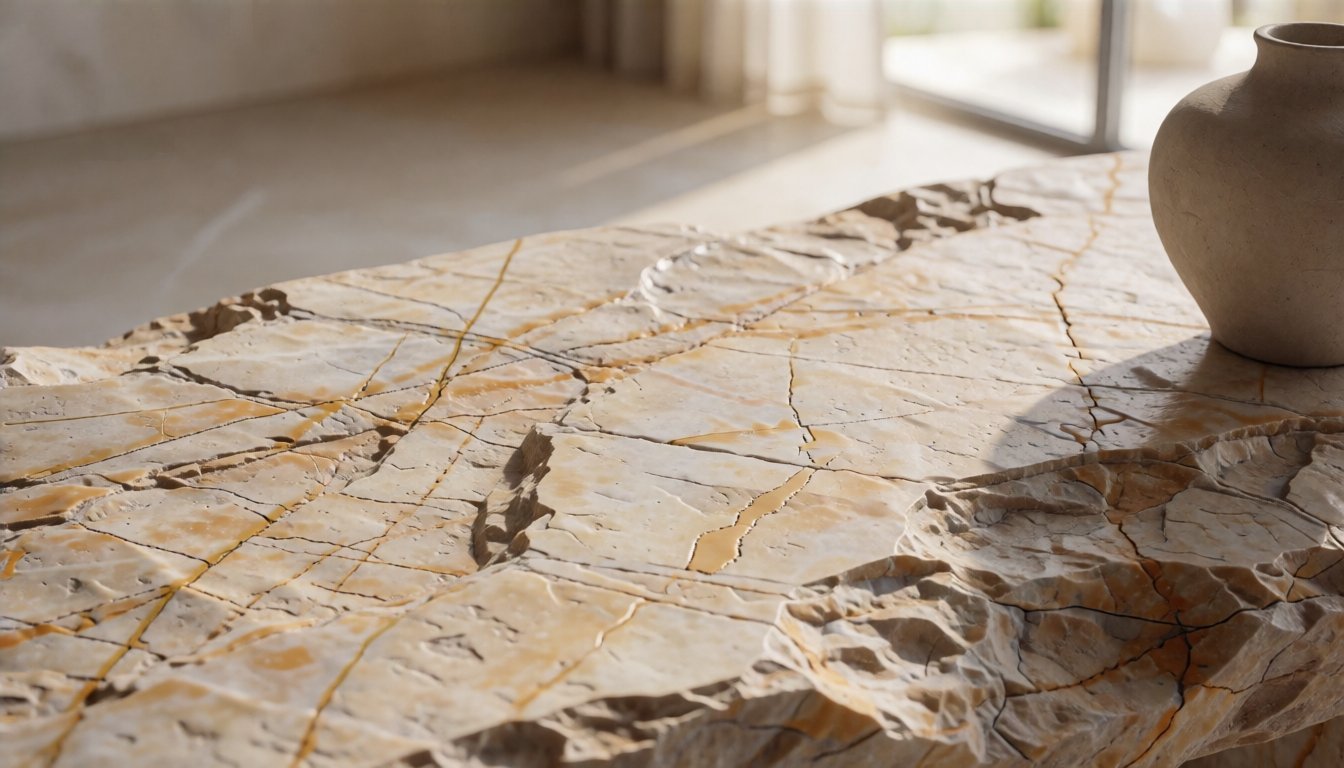
Request photos of broken units from previous shipments as a reality check. A transparent supplier will show you the damage patterns and explain their root-cause analysis rather than hiding behind marketing images. This honesty separates professional manufacturers like Gladystone from smaller workshops that cut corners on structural engineering to save material costs.
Material Verification: Marble, Quartzite, and Granite Variability
Natural stone is never identical, even within a single slab. When discussing marble vanity wholesale, suppliers must clarify the specific quarry origin of their stock. Italian Carrara marble often commands higher prices than domestic Chinese marble due to veining uniqueness and color consistency, but it also requires more careful handling regarding acid sensitivity.
You need to understand the difference between polished and honed finishes in terms of porosity. A 3cm thick slab with a high-gloss polish is visually appealing but susceptible to etching from lemon juice or vinegar if not sealed properly before shipping. Ask for your choice: do you want factory-applied sealant included, which adds roughly $2–$4 per square foot to the unit cost?
For quartzite and granite options, verify hardness ratings on a Mohs scale. Softer stones like travertine are prone to scratching during the installation process by DIYers or inexperienced contractors. If you plan to sell these products under your own brand, request samples of every color batch before committing to a large production run. The variance in veining between Batch A and Batch B can be drastic enough that customers return items if they don’t match their kitchen backsplash expectations.
Customization Limits: Sinks, Countertops, and Hardware Integration
A common misconception is that all stone vanities accept standard台下 (undermount) sinks or pre-drilled faucet holes without issues. The sink installation method significantly impacts the structural weight distribution. A heavy cast-iron farmhouse sink can weigh up to 25 kg alone; if not recessed correctly into a reinforced countertop, it acts as a fulcrum that cracks thin slabs over time.
Discuss your hardware integration needs early in the process. Does the factory provide custom drilling for specific faucet brands? Standard hole patterns usually accommodate widespread faucets with centers ranging from 8 to 12 inches apart. If you require niche holes for soap dispensers or pull-outs, ensure these are drilled after grinding and polishing the stone surface to avoid chipping edges.
Ask about edge profile options: straight bullnose, ogee, or waterfall? Waterfall edges expose more of the slab’s underside, increasing material usage by roughly 30% compared to a standard boxed edge but offering a premium look for high-end residential projects. Factor this into your unit economics carefully; the extra stone cost must be balanced against retail markup potential.
Logistics and Quality Control Protocols
Shipping heavy stone items internationally presents unique logistical challenges. A single broken vanity can represent thousands of dollars in lost inventory and shipping fees. Before placing an order, demand a detailed quality control (QC) checklist from your bathroom vanity factory. How do they inspect slabs for internal cracks before cutting? Do they perform water absorption tests to ensure proper sealing?
Lead times vary significantly based on customization depth. Standard stock sizes with pre-installed sinks might ship within 15–20 days after payment confirmation. Custom dimensions requiring specific slab cuts and hand-polishing can extend production time by another 30–45 days depending on quarry availability in China’s Fujian or Guangdong provinces.
Clarify packaging standards explicitly. Simple cardboard boxes are insufficient for stone vanities weighing over 60 kg per unit. Reputable suppliers use reinforced wooden crates with internal foam padding and corner protectors designed to withstand ocean freight vibrations. Ask if they offer partial load consolidation services if you have smaller orders that don’t fill a full container, though this usually increases the cost per piece by roughly $50–$100 due to space optimization efforts.
Payment Terms and Order Minimums
Finally, verify payment terms before transferring funds. Most reputable manufacturers require a 30% deposit with balance paid against shipping documents or via LC (Letter of Credit) for larger orders exceeding $20,000. Avoid suppliers demanding full upfront payments unless you have an established relationship guaranteeing quality consistency.
Understand the MOQ requirements clearly. Some factories accept single-piece customizations but charge a premium fee per unit to cover setup costs and labor allocation. Others require container loads of 40–50 units for standard pricing tiers. Calculate your break-even point based on these thresholds; ordering too few pieces might negate any savings from lower material markups, while over-ordering ties up capital in slow-moving inventory if market trends shift toward different stone colors or styles.