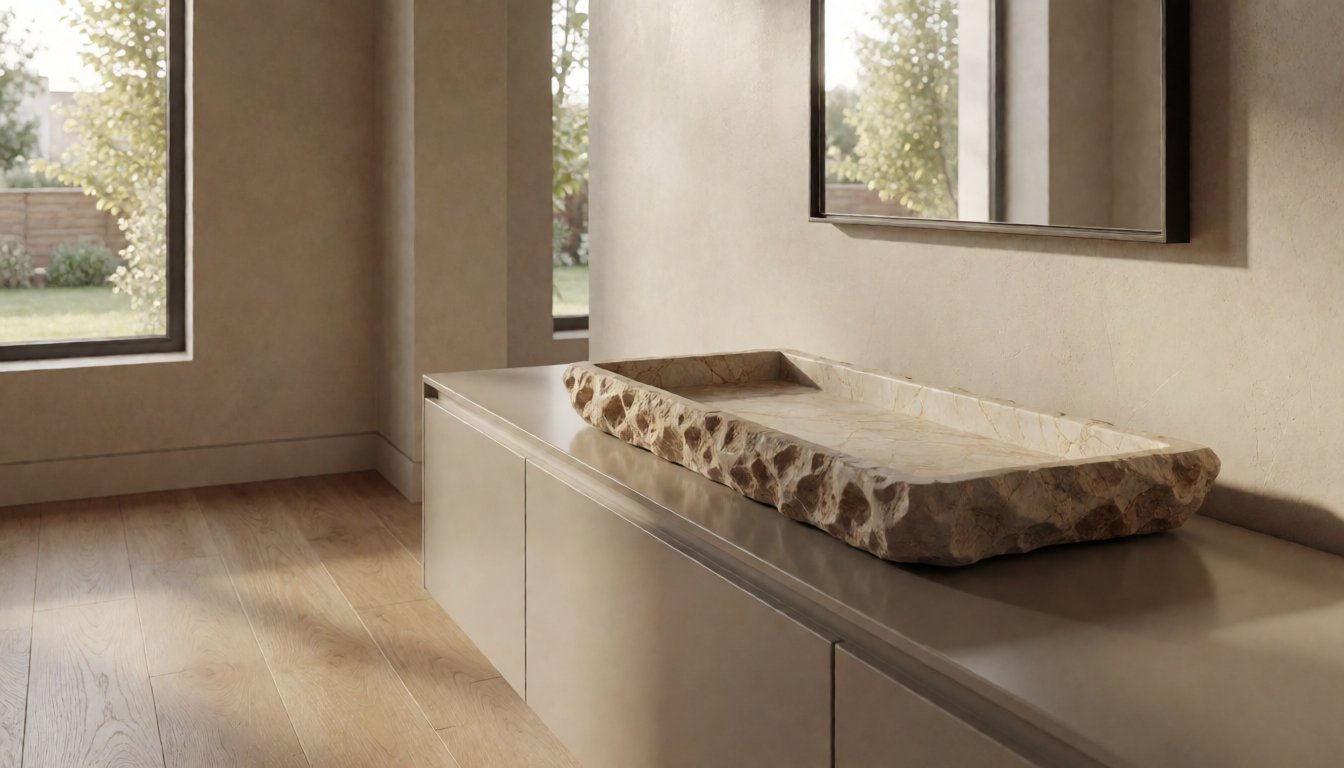
When you evaluate potential partners for your home decor line, the distinction between marketing fluff and operational capability matters immensely. You are looking for a marble tray manufacturer who understands that shape dictates function, not just aesthetics. A runner with 40cm width serves high-traffic entryways differently than an oval platter designed for coffee tables or vanities. Your sourcing strategy must start by analyzing which silhouettes offer the highest margin potential without compromising on structural integrity or shipping efficiency.
Rectangular and Runner Trays: The High-Velocity Staples
Rectangular trays are your foundation. They are versatile, easy to stack during transit, and appeal to a broad demographic seeking utility in bathroom vanities, entryway consoles, and coffee tables. However, do not assume all rectangles perform equally. A standard runner size for wholesale typically ranges from 40cm x 60cm up to 120cm x 30cm. These dimensions fit existing furniture standards like sofa arms or dresser tops without requiring custom cutting at the retail end.
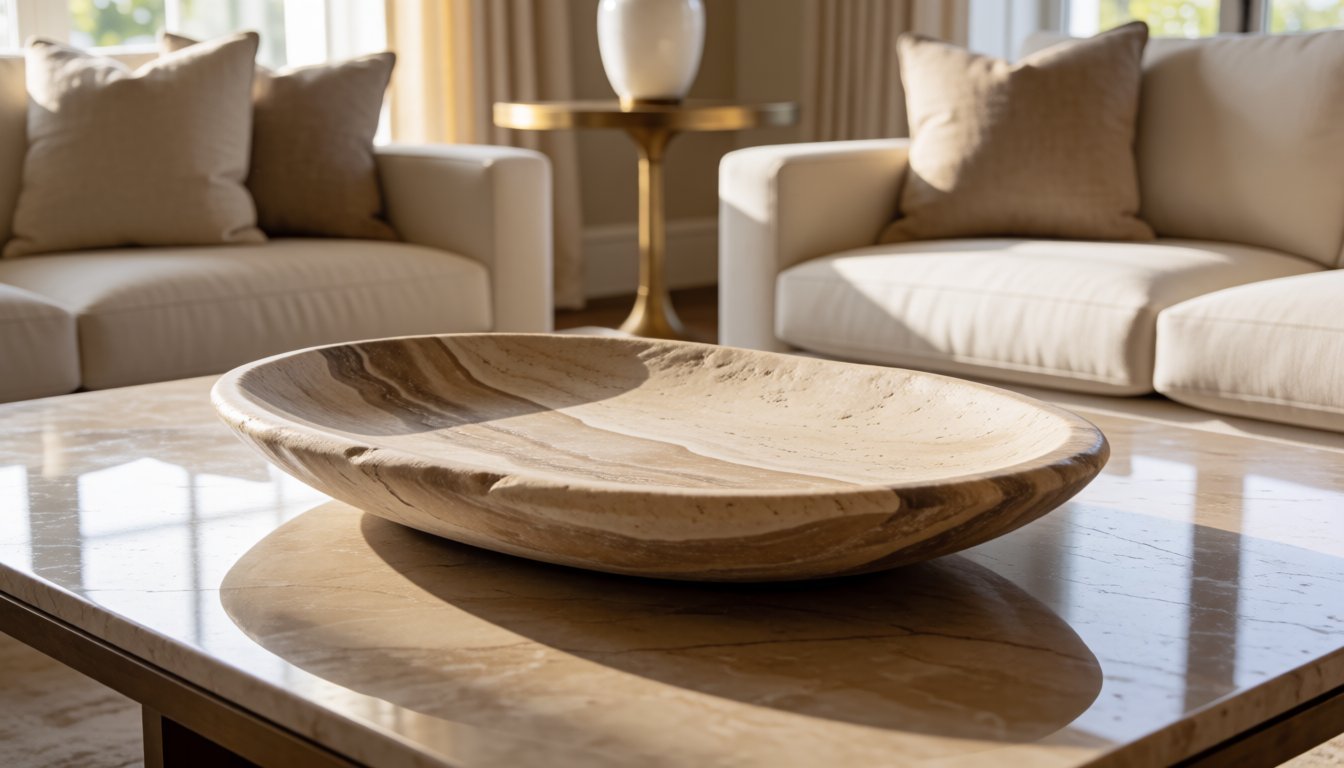
Weight is a critical factor here. Solid limestone blocks used for these runners often weigh between 8kg and 15kg depending on thickness (usually 4-6mm). While lighter than stone sinks, they still require careful palletizing to prevent chipping during ocean freight. When negotiating with a supplier, ask about their edge polishing techniques. A single-pass polish saves cost but feels rougher underfoot; a double-polish process adds roughly $0.50-$1.00 per unit in manufacturing costs but significantly boosts perceived quality for US/EU consumers who touch the product daily.
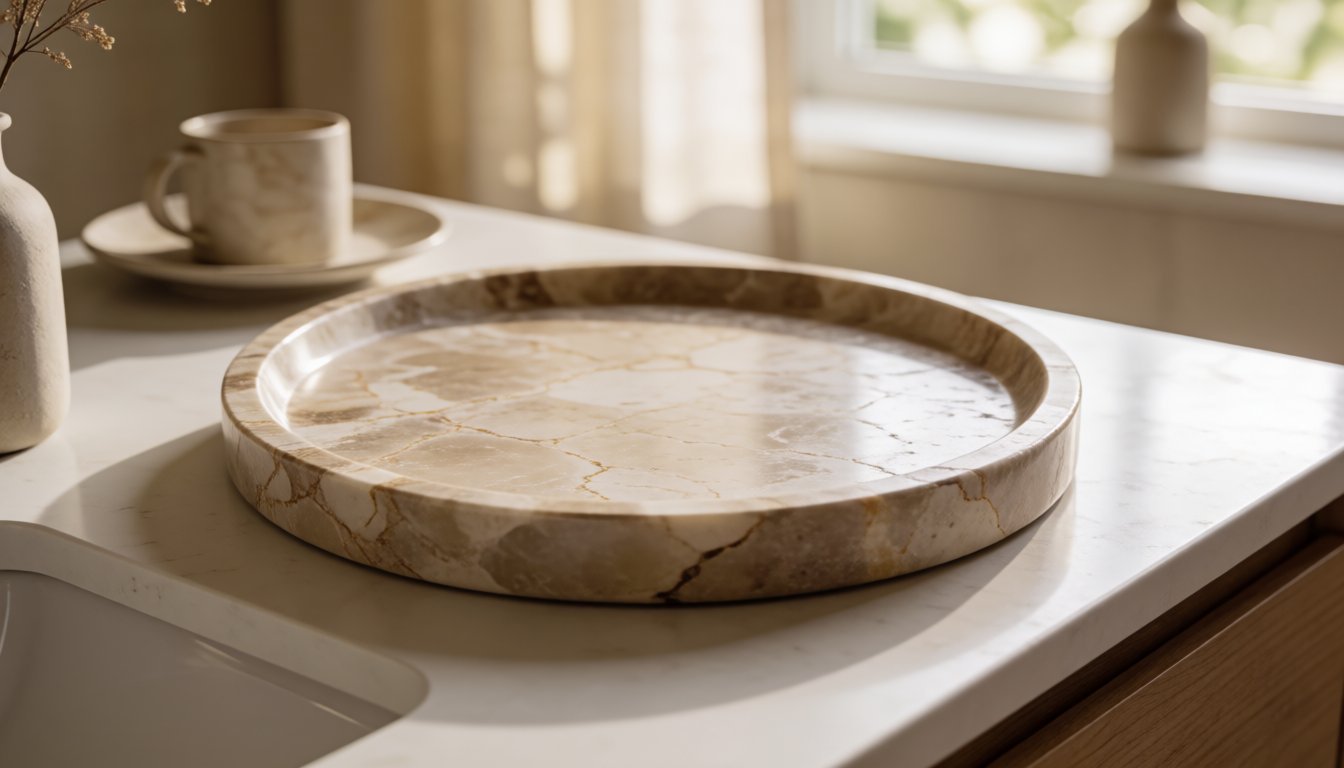
Oval and Round Trays: The Premium Differentiators
Oval and round shapes command higher price points because they break the monotony of straight lines found in modern interiors. These are often the go-to choice for luxury hotel lobbies or boutique bedroom sets where a centerpiece is needed to anchor a table arrangement. Expect these pieces to be slightly heavier due to material density distribution; an 80cm oval slab can easily exceed 12kg if cut from thick limestone, whereas granite rounds might tip closer to 5-6kg for similar diameters.
The stone tray wholesale market sees significant demand in the $45-$75 USD range per piece for these premium shapes when shipped FCL (Full Container Load) from China. This price band allows you to mark up effectively while keeping retail prices competitive against local artisans who charge double or triple that amount for hand-polished versions. Ask your supplier about their ability to minimize waste during the cutting phase of ovals, which are notoriously difficult to optimize on large slabs compared to rectangles. A skilled factory will yield more usable pieces per ton of raw stone, lowering your landed cost despite a higher initial unit price quote.
Geometric and Hexagonal Options: Niche Market Potential
Hexagons and other geometric cuts represent the high-risk, high-reward segment. These are not yet standard inventory but serve as excellent “hero products” that differentiate your brand from generic dropshippers selling identical items on Amazon or Etsy. The complexity of cutting a hexagon means you lose more material to off-cuts during fabrication. Consequently, these units often carry a premium production cost and require longer lead times for prototyping if not in stock.
Be cautious with ordering small batches of geometric designs unless the factory has dedicated machinery for intricate routing. A typical MOQ for custom shapes might start at 50 pieces per style to justify setup fees. If you order less, expect unit prices to jump by $10-$20 due to labor intensity. For a marble tray supplier relationship built on long-term value, request samples of these complex cuts first. Inspect the flatness; geometric edges hide minor warping better than straight lines do, but deep polishing defects are immediately visible at sharp angles.
Key Metrics for Evaluating Your Partner
Before placing an order with any marble tray manufacturer, run three specific checks that separate reliable partners from opportunistic sellers:
- Slab Source Verification: Ask explicitly where their stone comes from (e.g., Fujian, Italy, Brazil). Chinese limestone is generally softer and cheaper than Italian Carrara or Brazilian Blue Pearl. Mixing sources affects consistency. If a supplier claims all trays are “Italian marble,” verify the invoices. Blending high-cost European slabs with local domestic stock often happens to meet volume demands but can lead to color variation issues that hurt your brand reputation.
- Packaging Specifications for Export: Standard export packaging usually involves cardboard boxes reinforced with foam inserts or wood crates for heavy items over 10kg. Confirm the carton size and gross weight. For a typical runner, expect an outer box of roughly 45x30x8cm weighing around 9-10kg including packing materials. If your supplier suggests using loose pallets without individual boxing for trays under 6mm thickness, push back immediately; vibration damage during shipping is guaranteed unless individually protected.
- Defect Rate Transparency: Any reputable factory will admit to a defect rate between 2% and 5%. Ask how they handle rejected units—do they discount them heavily or destroy the batch? A transparent supplier offers “seconds” at a deep discount, which can be great for clearance lines but risky if you are building a premium brand. Never accept a zero-defect promise; it indicates either dishonesty or unrealistic expectations that will result in costly returns later.
Final Considerations on Lead Times and Logistics
Standard lead times for stocked rectangular trays usually range from 7 to 12 days after payment confirmation, provided the factory has inventory ready. Custom shapes like ovals or hexagons often require an additional 5-8 weeks depending on slab availability in their warehouse. Shipping costs vary drastically based on how you consolidate your order. FCL shipping might cost $3,000-$6,000 for a container of mixed tray sizes, while LCL (Less than Container Load) could range from $2,500 to $4,000 depending on volume and destination port congestion in the US or EU.
Always request an inspection report upon completion before cargo release if possible, or arrange third-party quality control services for your first shipment. The goal is a partnership where you receive consistent quality every month, not just one-off lucky breaks with perfect stone blocks arriving by chance. Selecting the right shapes and verifying these operational details will secure your position as a serious buyer in this competitive market.