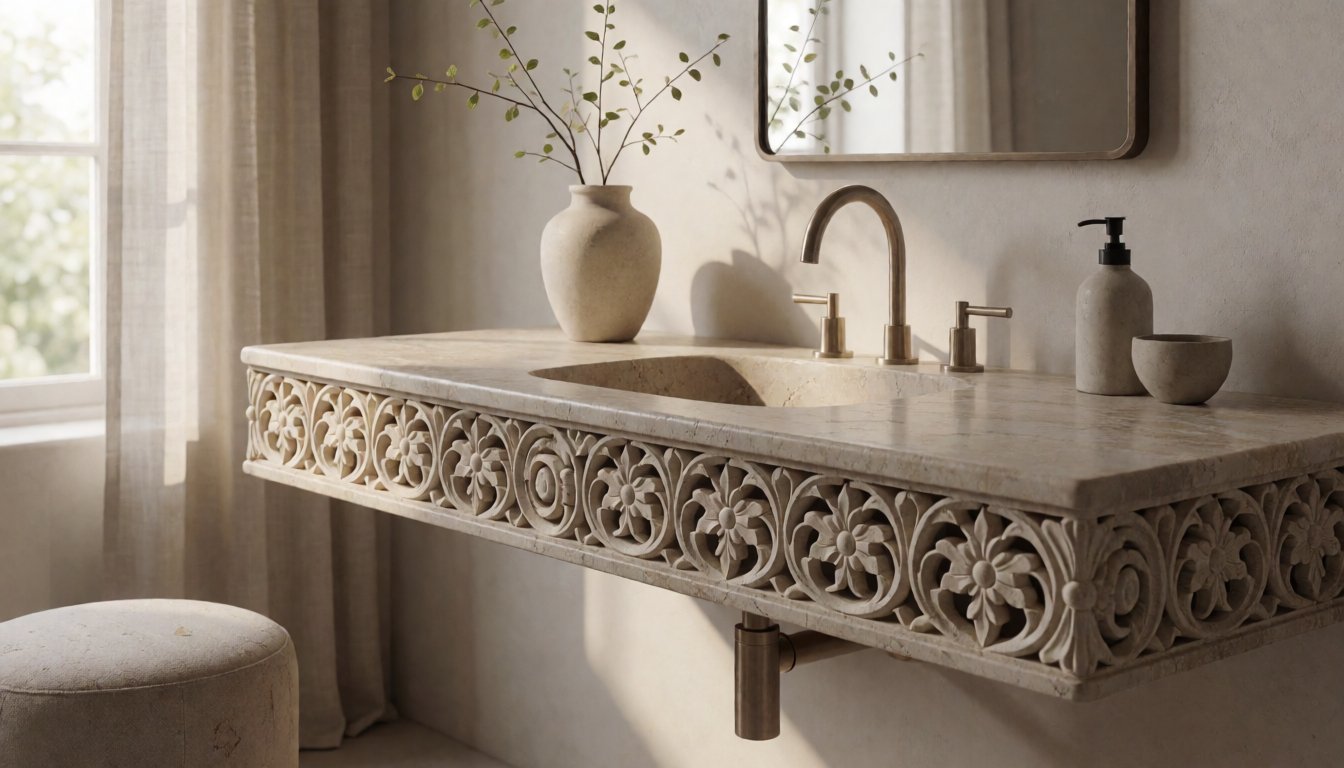
Understanding stone product pricing requires looking beyond the sticker price on an e-commerce site. As a B2B buyer or importer evaluating suppliers in late 2025 for your business, you know that raw material volatility is not just a number; it’s a structural cost driver. The global supply chain for natural stone has tightened due to logistics constraints and energy costs affecting quarry operations. This guide breaks down the actual components of stone wholesale price 2026 trends so you can negotiate better terms with manufacturers like Gladystone or build accurate margins into your own brand. We are moving away from vague “factory direct” claims and toward a transparent view of what drives the final cost per unit for sinks, bathtubs, dining tables, vanities, fireplaces, and decorative items.
Raw Material Indices: The Foundation of Stone Product Pricing
The single largest variable in your budget is the raw stone itself. In 2026, quarry operators are facing higher energy costs and stricter environmental regulations that directly impact extraction fees. For marble furniture cost calculations specifically, you must account for vein rarity. Common Italian Carrara or Chinese white marble might see stability, but exotic stones like Calacatta Gold or Emperador Dark often fluctuate by 15–20% based on slab availability at the source.
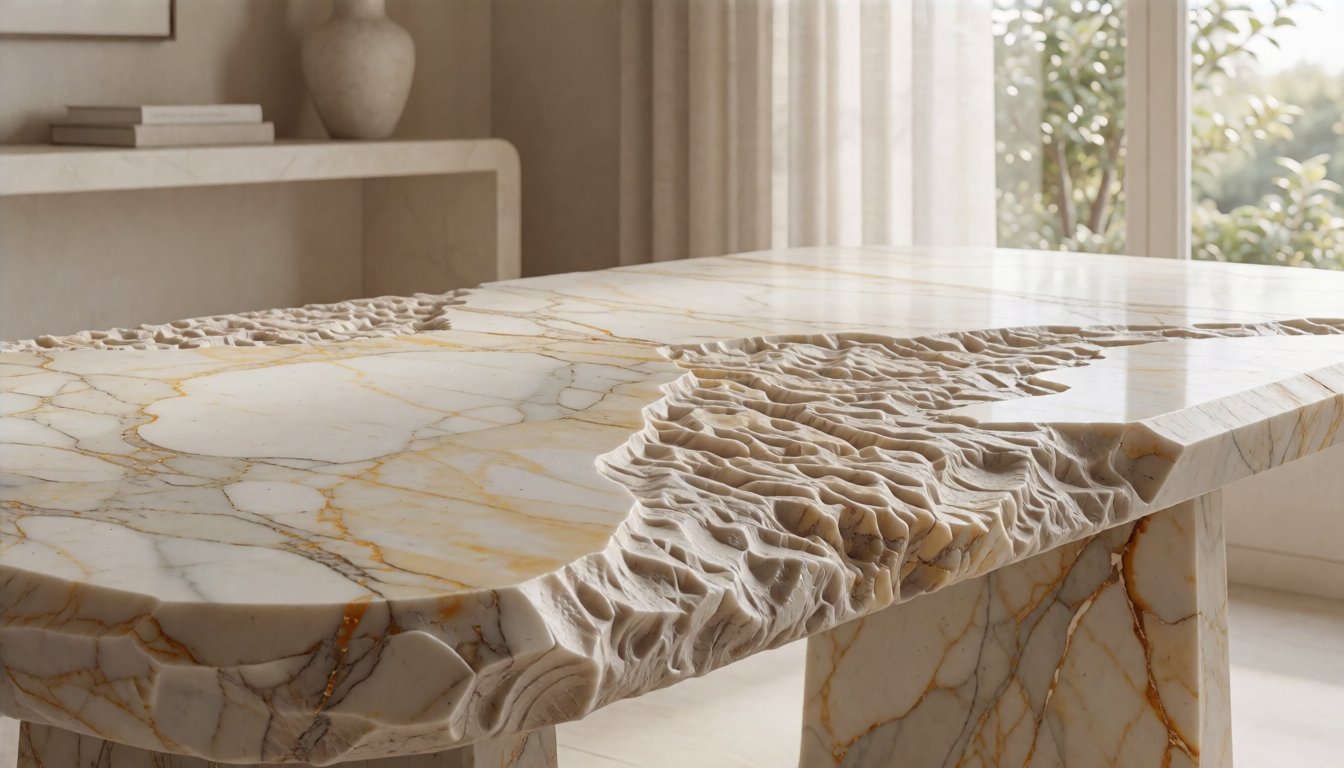
When requesting a quote, ask if the price includes quarry fees and cutting losses. Roughly 30 to 40 percent of raw stone is wasted during extraction due to natural fissures or veins that do not meet aesthetic standards. A reputable supplier like Gladystone builds this waste factor into their base cost before they ever cut your specific order size (MOQ). If a vendor quotes you on “slab price” only, verify how much square footage of usable material is actually included in the final item pricing versus what gets discarded as kiln trim or background filler.
Fabrication Costs: Labor and Energy Additions
Once stone leaves the quarry, it enters the fabrication stage where labor costs become a significant portion of your unit economics. In China, skilled craftsmanship for complex carving remains relatively affordable compared to Western markets, but this advantage is narrowing due to rising local wages and social security contributions that have increased by roughly 8–12 percent over recent years.
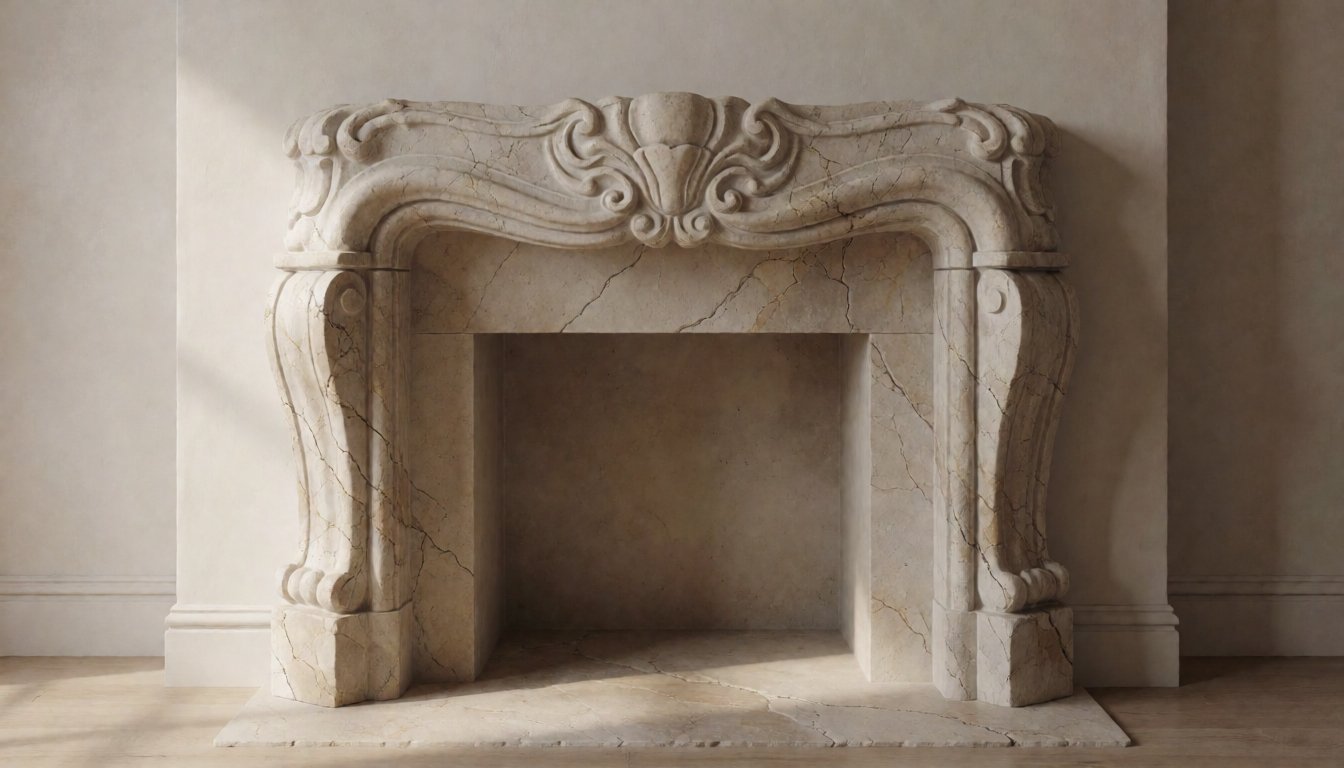
For items like custom vanities or fireplaces with intricate detailing, ask the supplier how many man-hours are estimated per piece. A standard rectangular sink takes about 4 hours of CNC cutting and polishing, while a freestanding bathtub with hand-carved feet can take upwards of 60–80 labor hours including assembly. Energy costs for kilns used in heat-setting stone edges or curing resin fills have also risen roughly 5 percent year-over-year. These overheads are often hidden in the “processing fee” line item unless you request a detailed breakdown. Always confirm if shipping containers include enough empty space to prevent slab breakage during transit; tight packing adds insurance costs that affect your landed price.
Logistics and Freight: The Hidden Multiplier
Freight rates remain high, but container utilization strategies can save thousands of dollars per shipment. When calculating total cost for stone wholesale in 2026, you must factor in the weight and volume ratio of natural stone versus synthetic alternatives like quartz or engineered granite. Stone is heavy; a full 40ft High Cube (HC) container holds roughly 35–38 cubic meters but can only carry about 18 to 22 metric tons before hitting vessel limits.
For example, shipping two large freestanding bathtubs and five dining tables per shipment will cost significantly more than ten smaller side tables of the same material type because density dictates sea freight pricing tiers. Ocean rates typically range between $4,500 and $8,000 USD per container depending on fuel surcharges (Bunker Adjustment Factors) and port congestion in your destination country (US West Coast vs. EU ports). Air freight for urgent samples or high-value decor items can cost 12 to 16 times the sea freight rate but drastically shortens lead time from 45 days down to 7–10 days, which is crucial for seasonal collections.
Payment Terms and Currency Hedging
Currency fluctuation between USD/CNY (US Dollar/Chinese Yuan) creates a tangible risk in your profit margins. The US dollar has been strengthening against many global currencies recently, but sudden shifts can alter final invoiced amounts by 3–5 percent before goods even leave the factory floor. Smart importers use forward contracts or lock-in rates to mitigate this risk when placing orders over $10,000 USD.
Payment terms are another critical negotiation point in stone product pricing structures. While some factories demand 100% upfront via T/T (Telegraphic Transfer), reputable B2B partners often accept a structure such as 30–40% deposit and the balance against copy of Bill of Lading or before shipment release. This split reduces your working capital pressure significantly while maintaining trust. Be wary of vendors who refuse partial payment; this is often a red flag for liquidity issues within their own supply chain rather than standard industry practice.
Quality Tiers: How Specifications Drive Unit Costs
Not all “marble” looks the same, and not every supplier uses identical grading standards. The most expensive tier involves full-body polished stone with zero visible pits or fissures on both front faces (A+ grade). Mid-tier options allow for minor internal veining variations and slight polishing marks that are corrected during finishing but still look premium to a consumer eye. Economy tiers may utilize recycled slabs from previous orders, which reduces cost by roughly 15–20% but risks color inconsistency between batches.
When reviewing your first order specifications with Gladystone or similar manufacturers, define the defect tolerance clearly. For example: “Acceptable pit depth under 3mm,” or “Vein continuity required on all visible surfaces.” If you specify a high-gloss finish that requires multiple polishing passes and buffing compounds compared to a satin matte option, expect a price increase of roughly $20–$45 USD per unit depending on the item size. The cost difference between a simple undermount sink model ($80–120 wholesale) versus an integrated apron-front farmhouse style with custom legs can be as high as 3x due to material waste during carving and additional assembly labor time required for multi-part construction.
Synthetic Alternatives: Engineered Stone vs. Natural Variants
As natural stone becomes scarcer, some buyers are considering engineered quartz or sintered porcelain stoneware as cost-effective substitutes. These materials offer consistent color matching across large batches but lack the unique geological randomness that luxury customers often seek. However, they carry different structural costs. Sintered glass-ceramic tiles used for tabletops typically run 10–25% cheaper than natural marble of comparable thickness (e.g., 2cm vs 3cm).
The trade-off lies in perceived value and shipping efficiency since synthetic slabs are lighter by roughly 40 percent, reducing freight costs substantially. For interior designers who need guaranteed lead times regardless of slab availability at quarries, these engineered options provide reliability that natural stone cannot match without substantial safety stock buffers. When blending your catalog offering both types, ensure transparent labeling so end consumers understand the distinction between “natural veining” and “pattern replication.”
Strategic Sourcing Advice for Importers
To secure favorable terms in 2026, focus on building long-term relationships that allow suppliers to prioritize your container space during peak seasons. Request samples of specific batches before committing to large orders; visual inspection under different lighting conditions reveals color variance issues better than photos alone. Calculate your landed cost including customs duties (typically 15–30% for stone imports depending on HS codes), insurance premiums, and local warehousing fees in your country.
Ask potential partners if they offer consolidation services where you can combine orders from multiple factories into one container to save on freight margins. Diversify your supplier base across regions like Italy, Turkey, China, and India to hedge against regional political instability or export bans that might affect specific stone types like Turkish Travertine or Indian Black Onyx.
FAQ
How often do raw material prices for natural stone fluctuate in 2026?
Fluctuations typically occur quarterly based on global energy costs, exchange rates between USD/CNY/EUR/GBP, and supply constraints at major quarries like those in Italy or China. Sudden spikes can happen due to geopolitical tensions affecting shipping routes; however, established contracts usually fix prices for the duration of a production run (30–60 days).
What is the typical lead time for custom stone furniture orders from Chinese manufacturers?
Standard lead times range between 45 and 75 business days depending on item complexity. Simple sinks or side tables may ship in 21 to 28 days if stock slabs are used, while fully customized bathtubs with carved details require 60+ days due to carving time (3–5 weeks), polishing cycles, quality checks, and container loading logistics.
Can I negotiate payment terms for smaller MOQ orders?
Yes, but it requires leverage or a strong relationship history. For small batch orders under $2,000 USD, factories often demand 100% upfront to offset risks related to material waste and production scheduling errors. Larger contracts ($50,000+) can negotiate deposits as low as 30–40%. Some suppliers offer credit lines after six months of consistent on-time payments.
Are there certification requirements for exporting stone products to the US/EU?
Exported natural stone must comply with CE marking (Europe) or UL listings if used in fireplaces/heating applications, plus ISO 9001 quality management certifications from the manufacturer. Environmental compliance such as REACH regulations applies strictly to any resins or sealants applied during finishing processes; always request test reports for VOC emissions before shipping finished goods into regulated markets like California (Prop 65).
Quick Comparison
| Feature | Natural Marble/Granite | Engineered Quartz/Sintered Stone | Recycled Slab Repurposing |
|---|---|---|---|
| Typical Wholesale Cost | $80 – $250 USD per unit (varies by stone type) | $45 – $130 USD per unit | $60 – $180 USD per unit |
| Lead Time Stability | Variable; subject to quarry delays and slab availability | Consistent; factory-controlled production schedules | Moderate; depends on prior order cancellations |
| Freight Weight Impact | High density (~2.7 g/cm³) requiring more container space capacity | Lower density (~2.3–2.4 g/cm³) saving ~15% freight costs | Variable based on core material mix |
| Customization Flexibility | Limited by natural veining; difficult to replicate exact matches easily | High flexibility in color matching and pattern blending via mixing batches | Low customization unless specific design flaws are intentionally embraced |