Building a stone decor retail brand requires more than just finding pretty rocks; it demands operational precision and supply chain control. As an importer looking to source from China, your primary goal is securing high-quality natural stone furniture—sinks, bathtubs, dining tables, fireplaces—that carries your logo without breaking the bank on Minimum Order Quantities (MOQ). At Gladystone, we specialize in helping brands transition from generic sourcing to a true private label operation. This playbook breaks down exactly what you need to check before placing an order and how to manage costs for your specific business model.
Defining Your Product Specifications Before Sourcing
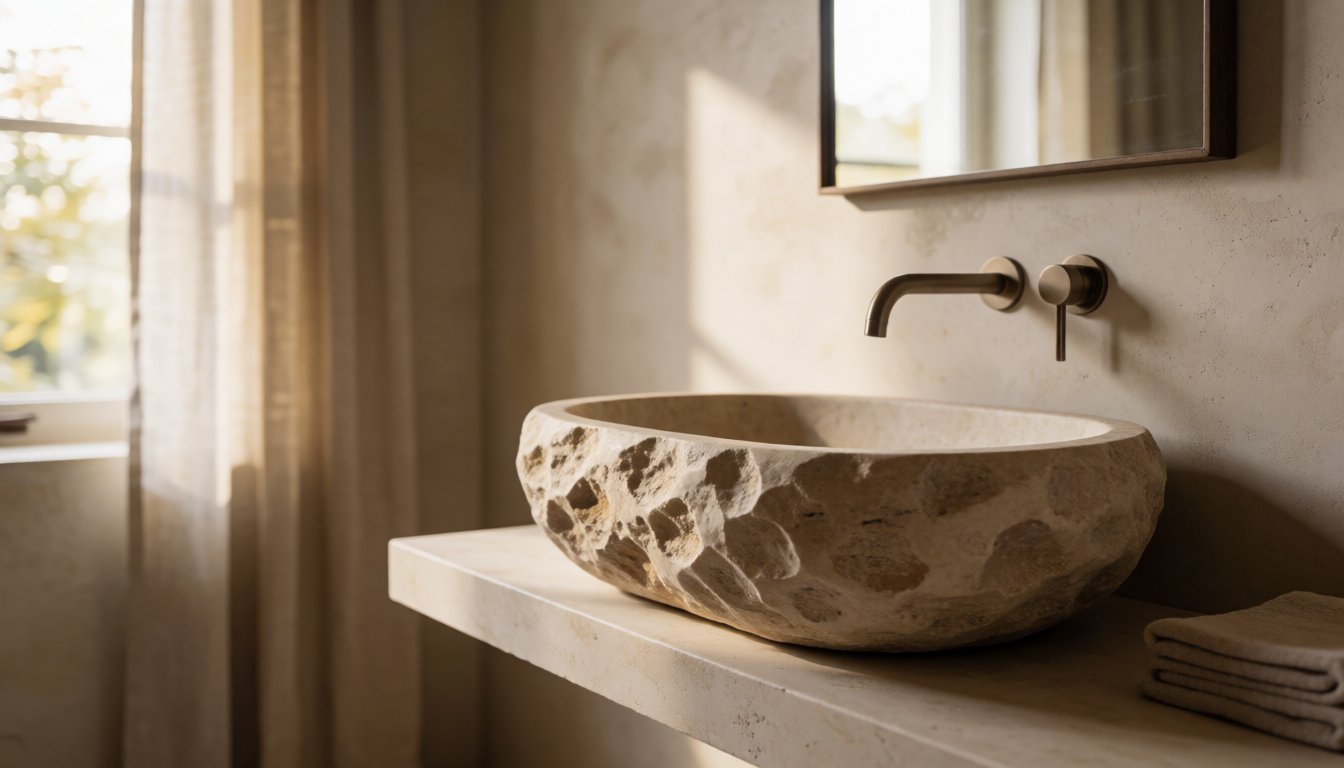
The biggest mistake new retailers make is sending vague photos or Pinterest boards without technical data. When negotiating with a factory, clarity prevents costly mold changes later. For example, do not just ask for a “round sink.” You must specify the material thickness (typically 20mm to 40mm), the basin depth in centimeters, and whether you want an undermount or drop-in installation style.
For bathtubs, dimensions dictate shipping feasibility. A standard soaking tub usually measures roughly 168cm x 95cm with a weight between 30kg and 45kg depending on stone density. If your logistics partner cannot handle items over 2 meters in length without special permits, you must order smaller formats or split the slab into pre-cut sections at the factory. Always provide CAD drawings if possible; this ensures the cutouts for faucets and drains match industry standards like CUPC certification requirements common in North America.
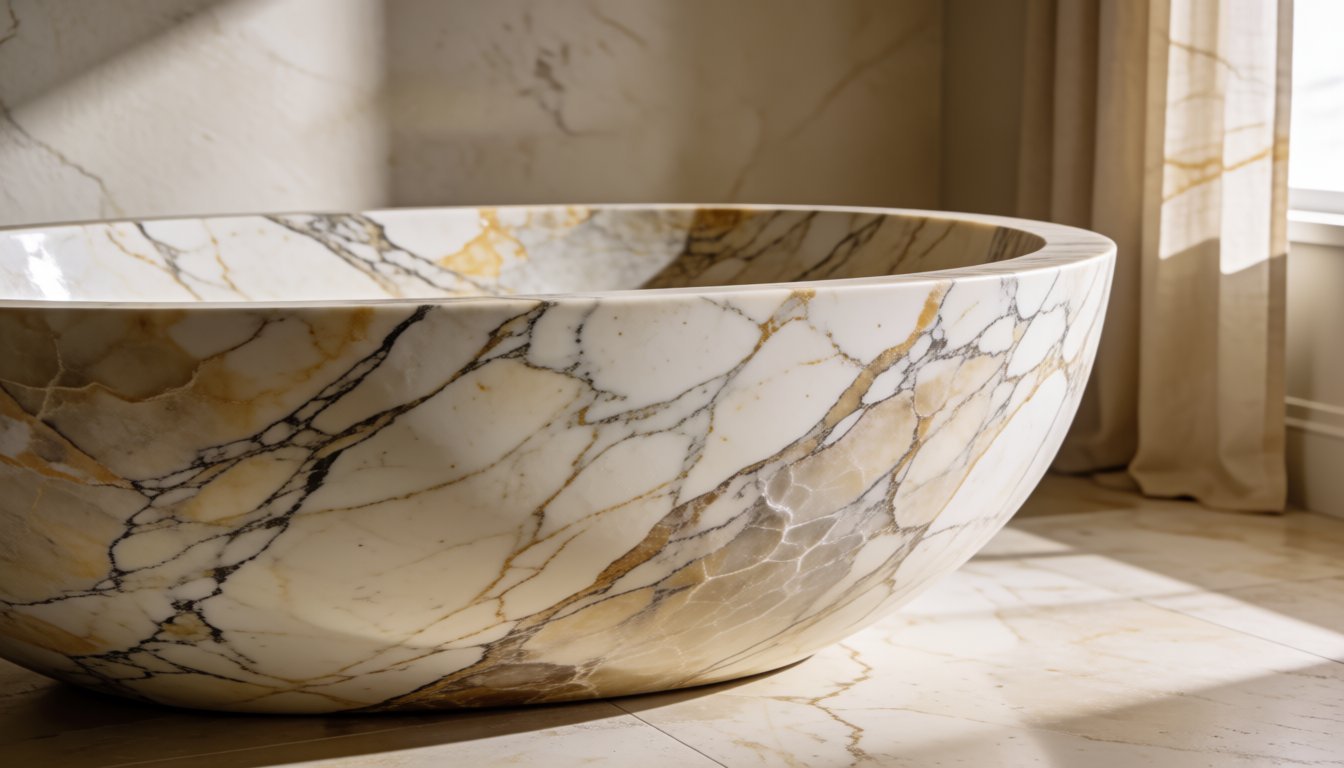
When discussing marble decor private label options, remember that natural stone varies. A 30mm thick Calacatta slab will cost significantly more than a 20mm Carrara piece due to material scarcity. Ask the supplier for their specific inventory availability before committing to custom colors or veining patterns. We at Gladystone maintain stock of common veins like Statuario and Nefeli, but rare Italian imports require longer lead times ranging from 45 to 60 days compared to local Chinese quarries which can ship in roughly 21–30 days.
Navigating MOQs and Pricing Structures for Dropshippers vs. Wholesalers
Understanding pricing tiers is critical because a dropshipper model differs vastly from bulk wholesale purchasing. If you are testing the market with low inventory, standard factories will reject small orders. However, many modern B2B suppliers now offer tiered structures where unit costs remain competitive even at lower volumes if you agree to pay premium freight or consolidate containers.
For private label stone decor projects involving white-label branding (your logo on packaging), expect an upfront setup fee for printing molds and silk-screening boxes before mass production begins. This cost is typically amortized over the first 500 units. If your order quantity drops below this break-even point, you might be charged a higher per-unit price to cover these fixed costs.
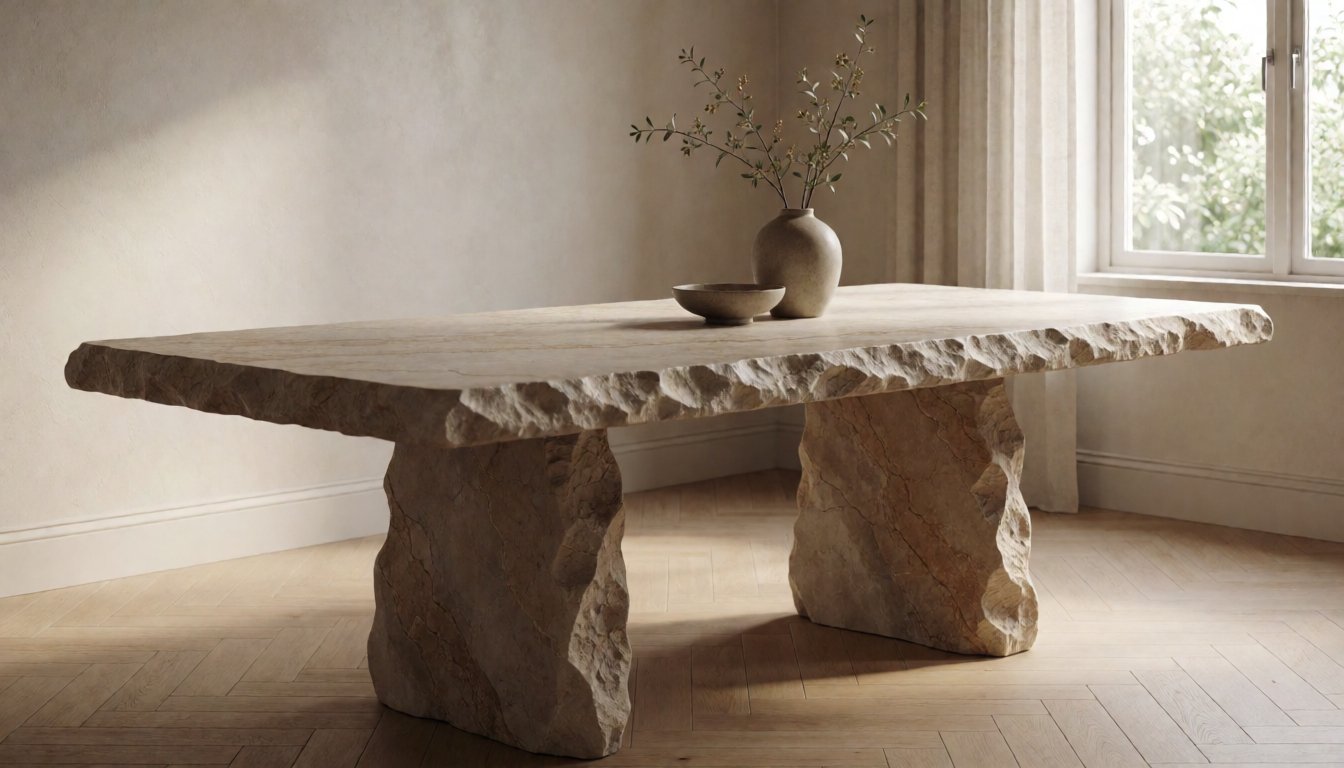
Roughly speaking, a basic soapstone sink with no complex carving might range from $280 to $450 USD depending on finish quality and shipping origin. A luxury marble dining table (180cm length) can start around $650 but easily reaches $950 if it involves custom inlays or gold leaf accents. Do not compare these prices directly with local US retailers; those figures include significant labor costs, insurance, and retailer markups that a Chinese factory does not need to cover.
When calculating total landed cost, factor in the Incoterm you choose (FOB vs CIF). If shipping FOB (Free on Board), Gladystone handles production only until goods leave their port. You then pay for ocean freight, customs clearance, and inland trucking separately. This offers flexibility but requires financial discipline. For smaller brands starting out with fewer than 10 pieces of stone decor per SKU, we often recommend CIF pricing to simplify logistics, though this increases your cost per unit slightly by roughly $40–$80 USD depending on container volume utilization.
Quality Control: What an Importer Must Inspect Personally
You cannot rely solely on the supplier’s photos when dealing with natural stone. Veining patterns can look good in a catalog but develop dark spots or cracks during transport if not cured properly. Before mass production, request samples of every material type you intend to use. Test these samples for water absorption rates and thermal shock resistance (pouring boiling water on sinks), as this is the leading cause of return claims.
Specific attention must be paid to polishing techniques. High-gloss finishes are prone to showing scratches easily, while honed or leather-textured surfaces hide imperfections better but take longer to polish per piece. Ask your factory how many days their polishing process takes; a rushed job often results in dull spots that cannot be fixed without re-polishing the entire unit.
For bathtubs and vanities with integrated drains, verify the rubber gasket quality. Poor drainage seals lead to leaks within six months of installation—a common complaint among end customers. At Gladystone, we use multi-layer silicone sealing for all plumbing connections. Insist on a pre-shipment inspection report that includes photos of the underside of each unit before it is crated. If you see any chip marks or uneven edges in these reports, demand immediate correction from your production line supervisor; do not accept “minor” defects as acceptable without discounting the price significantly.
Packaging and Logistics: Protecting Your Brand Reputation
The last thing a customer wants to find when unboxing expensive stone furniture is broken glass or damaged wood caused by poor packing materials. Stone decor items are heavy (a large vanity can weigh over 100kg) and fragile regarding impact damage during truck transport in the US. Standard corrugated cardboard often fails for these weights unless reinforced with edge protectors made of high-density foam or honeycomb paper.
Specify your packaging requirements clearly:
* Corner guards: Essential to prevent chipping on sharp edges during stacking.
* Anti-rust strips: Must be placed on metal legs and hardware before boxing.
* Custom branding: Your logo should appear on the outer carton, not just inside the box. This reinforces your brand identity immediately upon receipt.
For a container load of roughly 20 stone decor items (mixing sinks and tables), you will need approximately 35 cubic meters of volume to fit standard palletizing efficiently without wasting floor space. If you are dropshipping single units, use our “small box” service where we consolidate multiple orders from different clients into one shipment before releasing them for final delivery in the US or EU. This reduces your per-unit shipping cost by roughly 30% compared to sending individual parcels via courier services like DHL or FedEx which charge exorbitant rates for oversized cargo.
Building a Sustainable Long-Term Partnership with Your Manufacturer
Sourcing private label stone decor is not a one-time transaction; it is about building trust and reliability over time. Start by ordering small batches of existing designs to validate your sales channels before investing in custom molds or exclusive colorways. Once you establish consistent order volumes (e.g., 10–20 units per month), negotiate better payment terms such as partial upfront deposits rather than full prepayment for the entire container.
Ask your supplier about their raw material sourcing ethics and quarry locations. Knowing whether your stone comes from a sustainable Italian mine or a regulated Chinese quarry helps you market responsibly to eco-conscious interior designers in Europe who strictly require Environmental Impact Assessments (EIA) documentation. Provide them with clear feedback on customer complaints; if 20% of buyers report scratch issues, work together immediately to adjust the polishing protocol rather than simply returning goods and