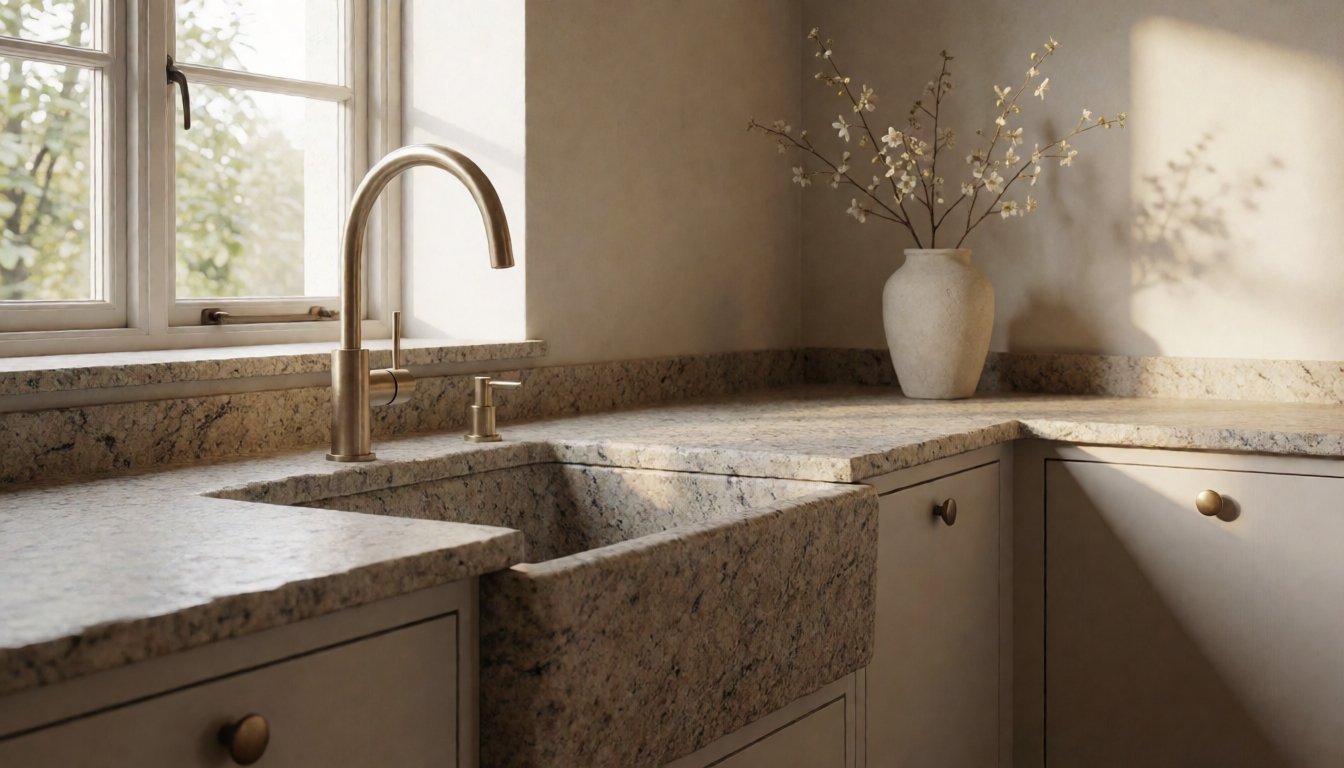
Bringing natural stone furniture into the United States requires more than just finding good designs; it demands strict adherence to trade regulations that change frequently. As a buyer looking to stock your warehouse with sinks, bathtubs, or dining tables made of granite and marble from China, you must calculate costs accurately before placing an order. Failing to understand import stone from China protocols can lead to unexpected fees at customs or even seizure of goods. This guide breaks down the specific duties and compliance steps needed for a smooth 2026 import run when dealing with suppliers like Gladystone.
Calculating Your Duty Liability Under HTS Code 6814
The most immediate cost factor after shipping is the Section 301 tariff on stone products from China. These are not standard taxes; they were implemented under trade agreements targeting specific Chinese manufacturing sectors, including natural and artificial stone countertops and sinks.
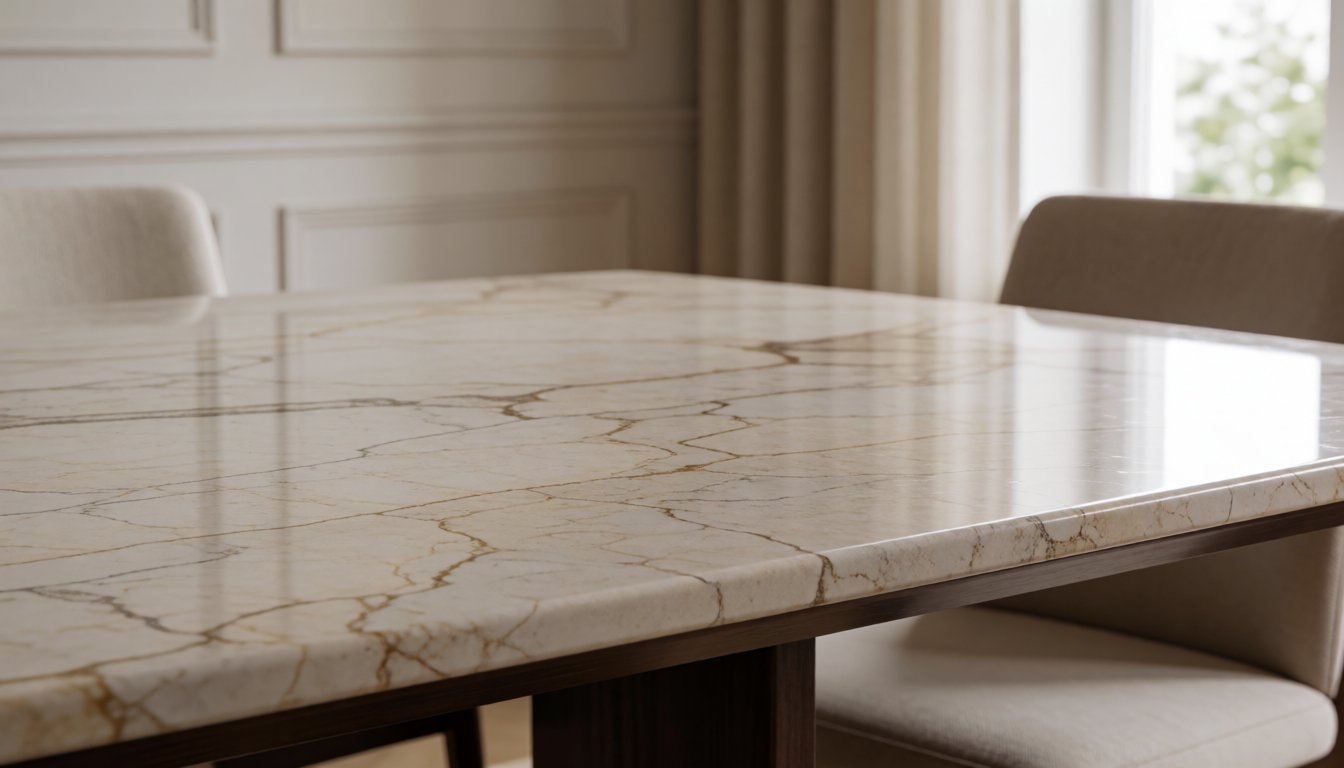
When your shipment arrives at a US port like Los Angeles or New York Harbor, Customs and Border Protection (CBP) will classify the goods using Harmonized Tariff Schedule codes. Most finished granite and marble furniture falls under HTS 6814. You must expect to pay roughly between 25% and 30% of the total value of the goods upon entry for many stone categories, though exact rates fluctuate based on specific material composition (natural vs. artificial) and origin certificates.

To manage this cost effectively:
* Track your invoice value: Ensure every item listed in your commercial invoice matches the physical contents exactly. Discrepancies here can trigger audits that delay release by weeks while CBP investigates potential under-invoicing to avoid duties.
* Verify material origin: Some products may be “artificial stone” (engineered quartz or marble) rather than pure natural slab, which sometimes carries different tariff rates depending on the specific sub-heading used in 2026 regulations. Always ask Gladystone for a detailed Bill of Materials if they mix recycled aggregates with real stone dust.
* Budget extra: When quoting your retail price to US customers or wholesalers, build this duty into your landed cost calculations immediately so you do not lose margin at clearance time.
Navigating the Stone Import Compliance Requirements 2026
Beyond tariffs, there are regulatory hurdles that every importer must clear before goods leave Chinese soil and enter American borders. The process involves multiple steps to ensure safety and environmental standards are met.
Certificates of Origin
You will likely need a Certificate of Origin issued by your supplier in China. This document proves the product was manufactured in China, which is necessary for CBP to apply the correct Section 301 tariff rates. Without this specific paperwork stamped by Chinese trade authorities or an authorized chamber of commerce, customs brokers may be forced to classify goods as “general origin,” potentially raising duties significantly or causing delays while they seek clarification from foreign governments.
EPA and Lead Restrictions
For items like bathtubs (often 90cm x 150cm) or vanities containing stone composites with resin binders, the Environmental Protection Agency has strict rules regarding lead content in coatings and glazes. Under current regulations, residential surfaces must generally not exceed a limit of roughly 4 micrograms per square inch for leachable lead. While pure natural granite is usually exempt because it contains no applied glaze over large surface areas, engineered stone products used for sinks or vanity tops often require testing reports if they contain significant resin components that mimic glazed finishes. Always request test results from your factory supplier before production starts to avoid costly rework later.
Lacey Act and Wood Components
If you are importing dining tables with natural wood legs paired with a Gladystone stone top, the Lacey Act applies. Even though this blog focuses on stone import compliance, mixed-material furniture is common in B2B orders. The act requires disclosure of all species used; if any timber components were sourced illegally or without CITES permits (relevant for exotic woods like teak often paired with marble), your entire shipment can be detained and destroyed at the port.
Logistics, Lead Times, and Port Delays
The physical movement of heavy stone goods introduces unique risks that affect both cost and schedule. Stone slabs used for tables or vanity tops are dense; a standard 240cm x 180cm dining table top often weighs over 60kg excluding the legs. Bathtubs constructed from engineered marble can weigh upwards of 250kg depending on thickness (usually 3-4 cm).
Shipping Method Impact
- Air Freight: Generally not viable for heavy stone furniture due to prohibitive costs and weight limits. Air freight is rarely used for bulk orders exceeding roughly $1,000 USD per shipment unless the value justifies it via speed alone.
- Ocean Freight (LCL vs. FCL): Most B2B buyers prefer Full Container Load (FCL) shipments to protect fragile stone surfaces from stacking damage common in Less than Container Load (LCL) containers where goods are stacked around other items. A standard 40ft container can hold roughly 35-40 large dining tables or approximately 18 heavy vanities, depending on packaging and palletization methods used by the factory team at Gladystone.
- Lead Times: Expect production time of roughly 25 to 35 days for custom orders in stone sinks or tabletops after design approval adds up to a total lead time (production + shipping) of about 60 to 80 days from order placement to delivery at your US warehouse door.
Insurance and Damage Claims
Stone is brittle under lateral pressure during transit if not properly packed with wood crates, air cushions, or heavy-duty foam inserts. If items break upon arrival due to improper packing by the supplier’s logistics partner, you need a robust insurance policy covering “All Risks.” Always verify that your freight forwarder includes coverage for maritime accidents and port handling incidents in their quote.
Strategic Questions Before You Order
To ensure a successful import stone from China experience with suppliers like Gladystone, prepare these questions before sending purchase orders:
1. Does the factory provide third-party inspection photos of packed units to verify crate integrity?
2. Are all wood components in mixed-material furniture sourced legally and documented for Lacey Act compliance?
3. Can they issue a pro-forma invoice with specific HS codes clearly marked as “Natural Granite” or “Engineered Marble”?
Proactive communication on these points prevents costly surprises at the US border where CBP agents will scrutinize your documentation against commercial invoices, packing lists, and bills of lading before releasing cargo for final delivery.