Freestanding Stone Bathtubs for Hotels: What Designers Actually Specify
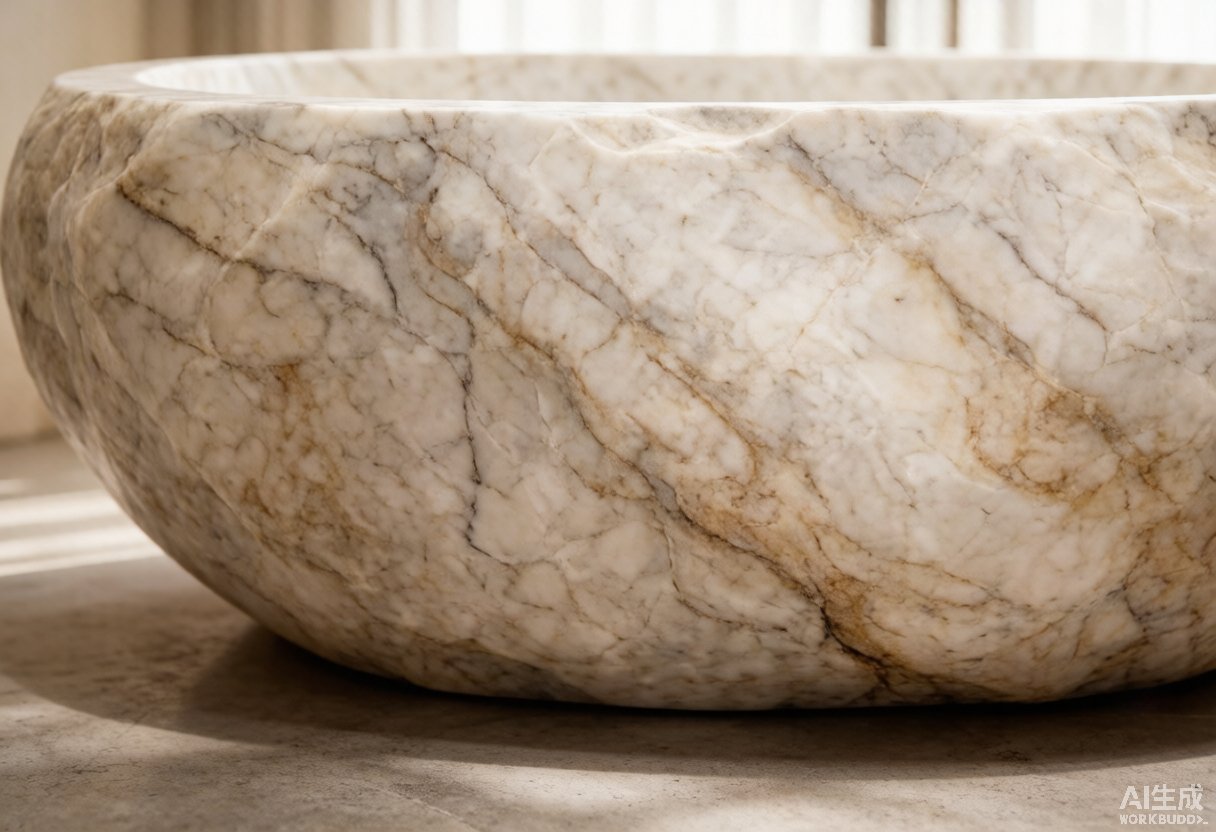
When an interior designer selects fixtures for a luxury hotel project in New York or London, they are making high-stakes decisions that affect construction timelines and guest satisfaction. The trend toward freestanding stone bathtubs has shifted from boutique resorts to large-scale hospitality chains. For suppliers like Gladystone, understanding the specific technical requirements behind these projects is essential. Most designers do not just want “a nice looking tub.” They need a freestanding stone bathtub hotel project that meets strict structural standards, water drainage codes, and aesthetic consistency across multiple rooms. This article breaks down exactly what procurement managers and architects look for when specifying natural stone fixtures in the hospitality sector.
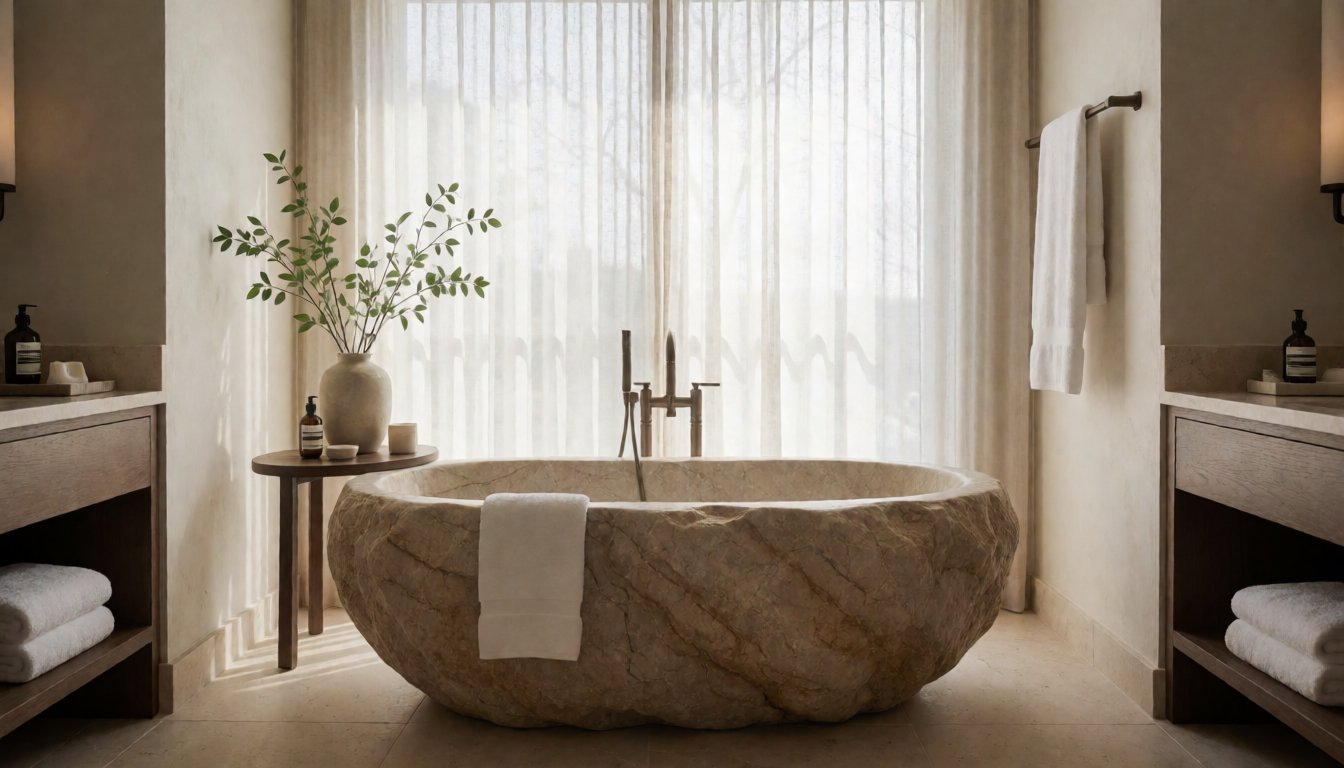
Structural Integrity and Weight Management
The first hurdle is often physical logistics rather than aesthetics. A typical freestanding bathtub made from marble or quartzite weighs between 180 kg to 350 kg, depending on thickness and finish. Transporting these units up narrow freight elevators in older hotel buildings requires careful planning. Designers typically specify a maximum floor load limit for the delivery zone before installation begins.
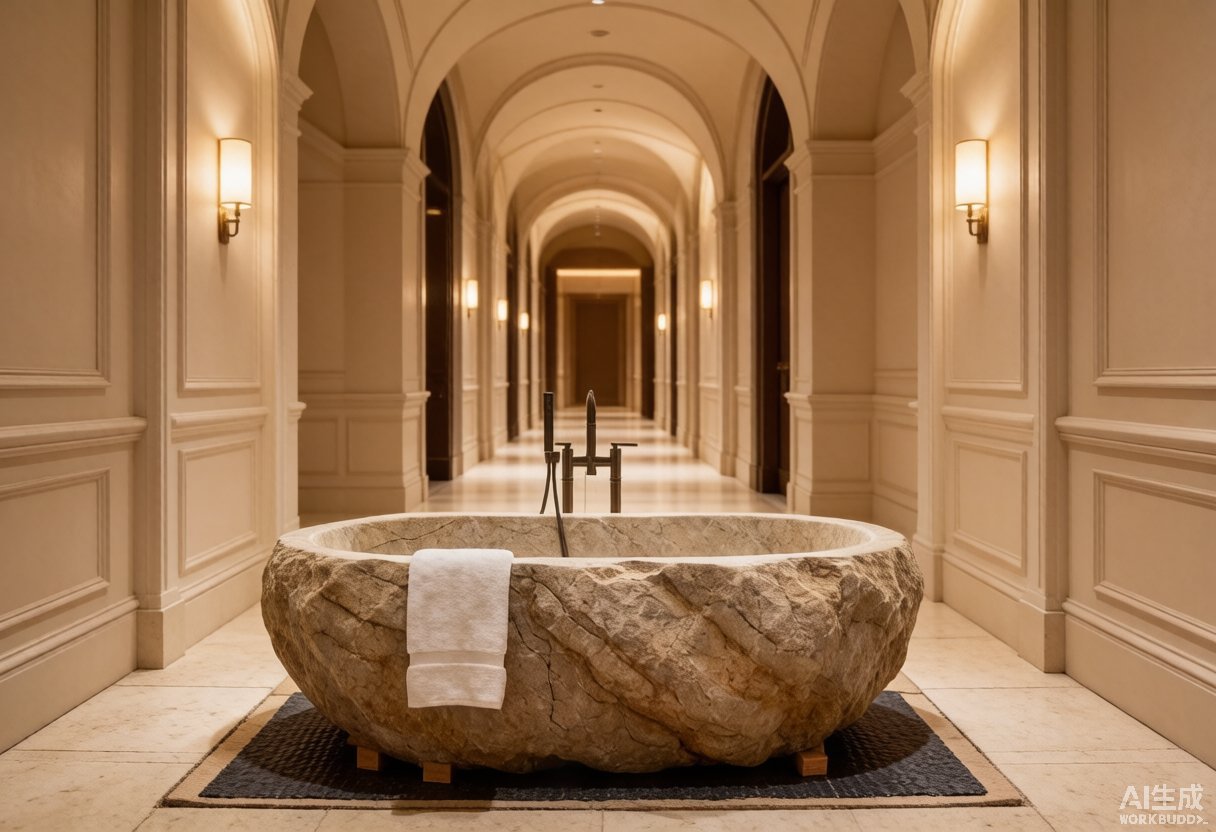
When sourcing a marble tub specification, you must verify the material density. While Carrara marble is popular for its veining, it has lower tensile strength compared to engineered quartz or granite. For hotels with high guest turnover and heavy furniture placement nearby, designers often lean toward harder stones like Calacatta Gold or Statuario Imperiale that resist scratching from dropped toiletries or cleaning equipment.
Lead times also impact structural planning. Custom-cut stone units usually require 45 to 60 days for fabrication after the deposit is received. During this window, general contractors prepare rough-ins and install waterproofing membranes in wet rooms. If you cannot guarantee a delivery date within this 6-to-8-week window, your bid may be disqualified regardless of price.
Technical Drainage and Installation Requirements
A common point of failure for imported stone tubs is the drainage system. In many US and EU markets, plumbing codes mandate that overflow vents must have an anti-siphon trap to prevent sewer gases from entering guest bathrooms. Many Chinese manufacturers ship units with a simple hole drilled into the bottom slab or a basic PVC pipe attached directly to the floor standpipe. This does not meet international code requirements for luxury hotels.
Designers specify tubs equipped with an integrated overflow channel that connects seamlessly to the main stack without visible piping. The drain assembly should include a pop-up stopper mechanism compatible with standard 1-1/4 inch or 2-inch waste pipes. Expect to see a requirement for a “wet test” before shipment, where water is held in the tub for at least one hour to ensure no leaks occur through seams between stone panels.
The rim thickness also matters significantly. A thickened lip (typically 3 cm) makes installation easier by allowing space for grouting and waterproofing sealant without exposing sharp edges of the underlying structure. Thin rims often crack during handling or require complex epoxy bonding that compromises long-term durability in a commercial setting.
Cost Drivers: Thickness, Veining, and Finish Quality
Pricing varies wildly based on three main factors: slab thickness, veining consistency, and surface finish. A standard freestanding stone bathtub hotel unit made from 2 cm thick marble might cost roughly $1,800 to $2,500 USD FOB Guangzhou for a single piece in white or light gray varieties with subtle veins. However, switching to an exotic vein pattern like “Blue Dream” or increasing thickness to 3 cm can push the price toward $4,000 per unit or higher.
Designers often request samples of varying finishes before approving bulk orders. A honed finish feels warmer underfoot and hides minor scratches better than a polished surface, which is preferred for high-traffic areas like spa suites within hotels. However, some guests prefer the slip resistance provided by a leather finish (rough polish). Clarify exactly which texture your factory can replicate on natural stone without introducing excessive porosity that leads to water staining over time.
MOQs typically range from 10 pieces minimum for standard colors up to 25+ units if requesting specific exotic veins or custom sizes like oval shapes measuring 170 x 90 cm versus rectangular models at 180 x 100 cm. Bulk orders exceeding 30 units often qualify for a discount of 8% to 12%, but only after the factory has secured raw stone inventory matching your color codes.
Certification, Testing, and Supply Chain Transparency
Before signing an agreement with any supplier, request proof of compliance testing relevant to international markets. While China’s domestic standards differ from those in California or Europe, reputable factories will provide test reports for lead content (ASTM F963) and heavy metals if your clients operate under strict environmental regulations like LEED certification requirements.
Water absorption rates are another critical metric. Natural stone must be sealed properly to prevent water penetration that leads to mold growth behind walls in guest rooms. Ask the manufacturer how they apply their sealant layer—typically a nano-crystal coating applied via high-pressure spraying followed by curing for 24 hours. Properly treated surfaces should show less than 0.1% absorption after immersion testing, whereas untreated stone can absorb up to 3-5%.
Transparency regarding raw material sourcing is becoming increasingly important as hotels aim for sustainability goals. If a factory sources marble directly from quarries in Italy or Turkey rather than relying on secondary stockpiles of unknown origin, they often command premium pricing but offer greater consistency. This reduces the risk of receiving mixed batches where one unit has heavy gray veining and another looks stark white due to natural geological variations.