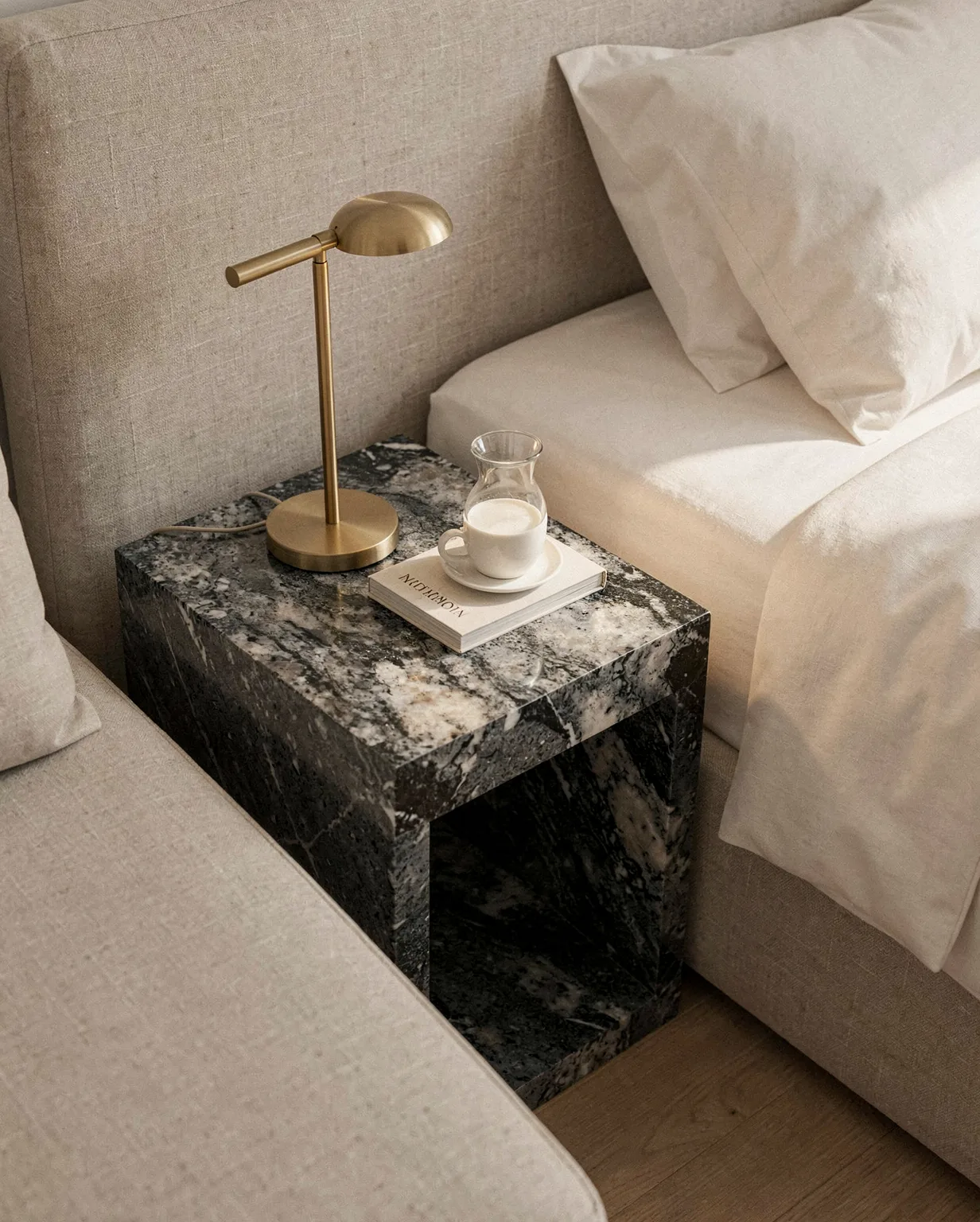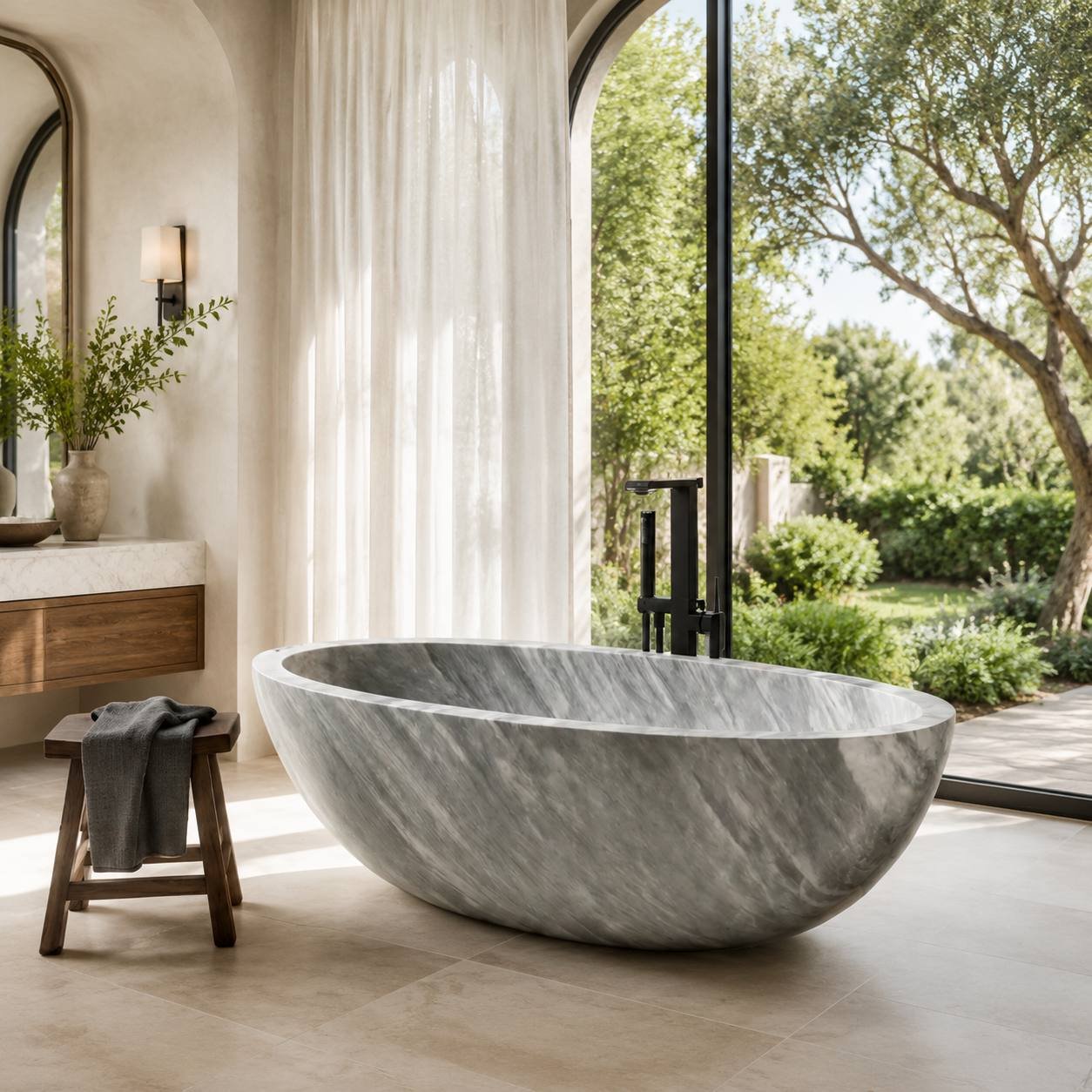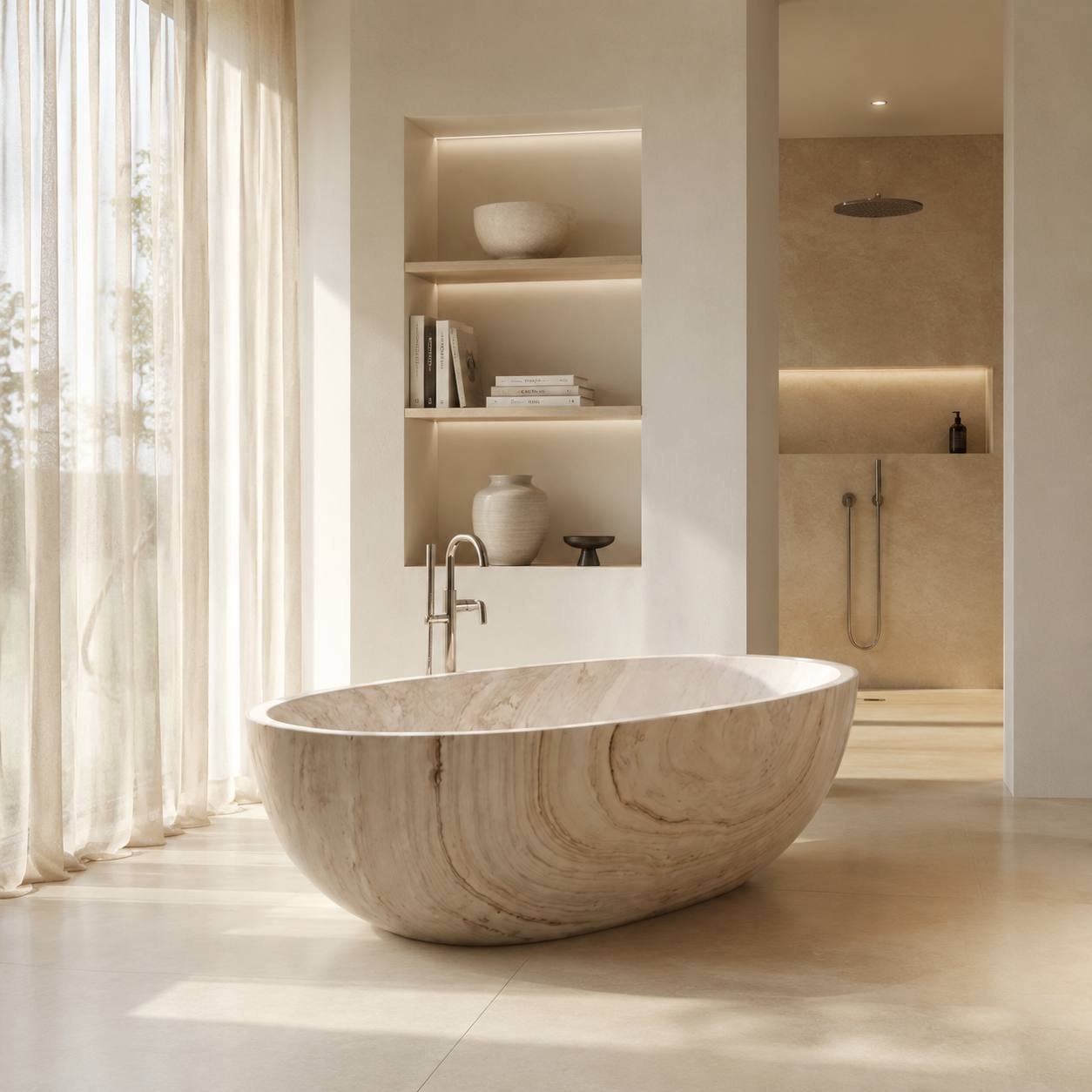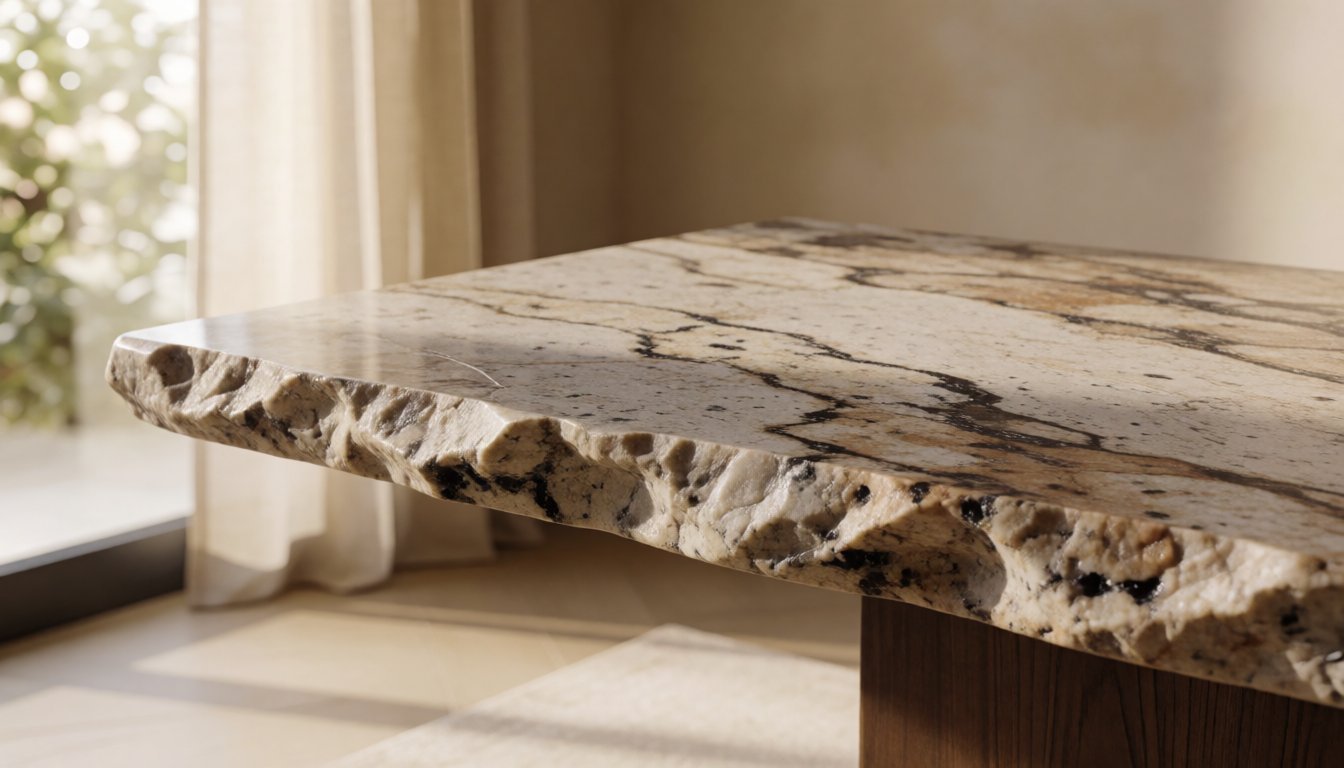
When sourcing natural stone furniture like sinks, bathtubs, or dining tables from China, your first decision often comes down to material science: marble vs granite furniture applications. This choice dictates not just the aesthetic of your final product but also its durability, shipping costs, and profit margins. As a buyer looking at catalogs for white-label brands or dropshipping partners, you need more than pretty pictures; you need hard data on Mohs hardness ratings, water absorption rates, and realistic production lead times. Understanding these variables allows you to curate collections that match specific market demands in the US and EU without taking unnecessary risks with breakage claims or customer complaints.
Hardness Ratings and Stone Longevity
The most critical technical differentiator is stone hardness table data based on Mohs scale measurements. Granite typically scores between 6.0 and 7.5, while marble ranges from 3.0 to 4.0. This gap isn’t just academic; it directly impacts your warranty policies and return rates for high-traffic items like dining tables or vanity tops.
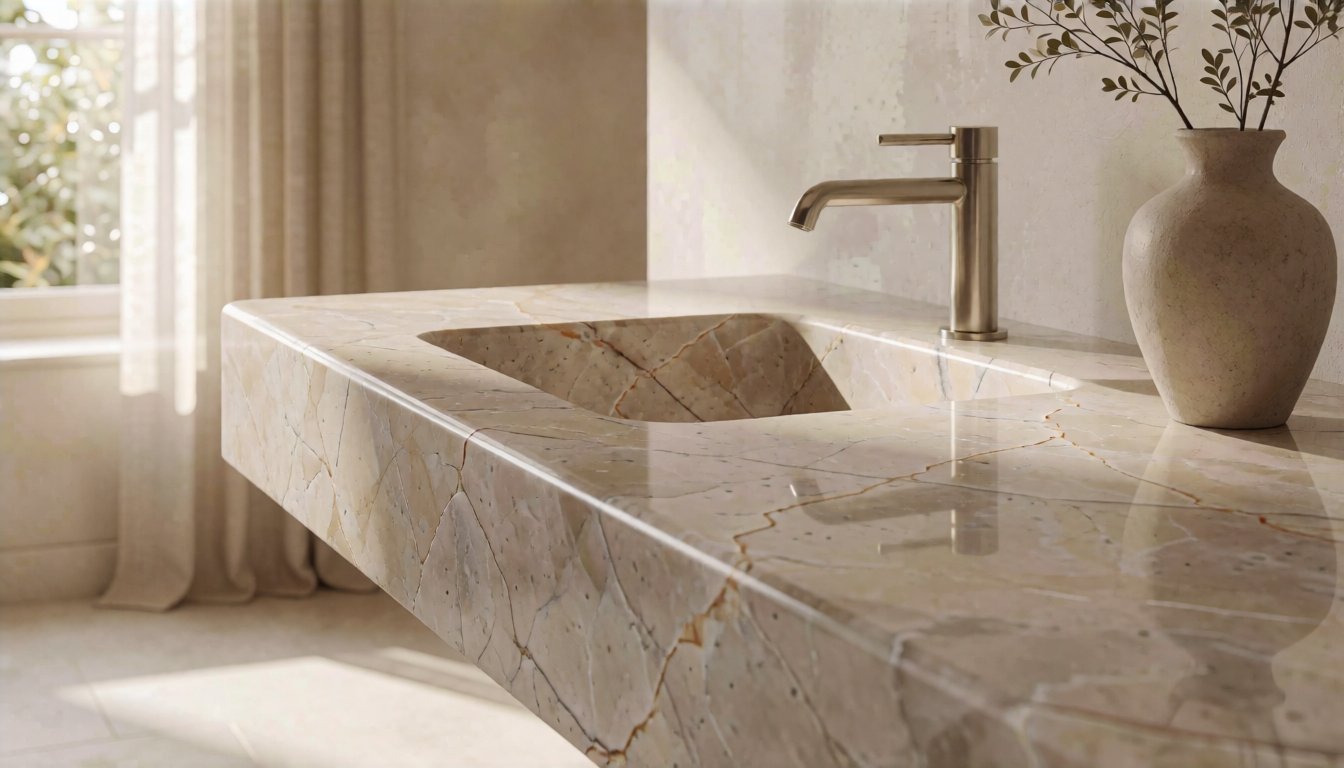
For a granite furniture wholesale order destined for commercial spaces like hotels or restaurants, the higher density provides superior resistance against scratches from cutlery and heavy pots. However, marble offers an aesthetic that is difficult to replicate with synthetic alternatives. If you are building a luxury line targeting high-end residential clients who appreciate patina development over time, marble’s lower hardness is actually a feature rather than a bug.

You must factor in the weight implications of this choice too. A standard 70x140cm granite dining slab weighs roughly 85-95 kg, whereas an equivalent marble piece might weigh slightly less due to its crystalline structure but requires careful handling during logistics. When calculating your landed cost per unit (LCPU), remember that heavier items require more robust packaging and higher freight charges, which can eat into margins if you aren’t accounting for the material density correctly in your sourcing contracts with factories like Gladystone.
Porosity and Maintenance Requirements
Porosity is perhaps the most significant operational constraint when selling stone sinks or vanities to end consumers. Granite has a water absorption rate of roughly 0.1% to 0.4%, making it highly resistant to staining from wine, coffee, or oils used in kitchen environments. Marble, conversely, can absorb liquids up to 0.5% within minutes if not sealed properly, leading to etching marks when acidic substances like lemon juice are left on the surface.
When drafting product descriptions for your Shopify store or wholesale catalog, you must be transparent about these maintenance needs. A buyer in Europe might prefer marble fireplaces and decorative pieces where aesthetics trump utility, but a US-based contractor installing granite bathtubs will expect zero staining issues within two years of installation. If you source from China without enforcing strict sealing protocols during production, the risk of defective returns spikes dramatically once the products hit humid climates or areas with hard water.
Ask your supplier for specific data on their sealing processes before placing a bulk order. Does the factory apply multiple coats of impregnator? Is there an additional 3-5 days added to the lead time for this step in marble production compared to granite? These details affect your timeline and quality control checks upon arrival at your warehouse or port.
Production Lead Times and MOQs for Bulk Orders
Sourcing efficiency relies heavily on understanding factory capacity constraints, particularly when comparing stone hardness table requirements against available stock. For large slab inventory items like countertops or fireplace surrounds, lead times typically range from 15 to 25 days once the deposit is cleared and molds are confirmed. Granite slabs often move faster because their uniform grain allows for quicker cutting and polishing cycles without significant risk of structural failure during processing.
Marble production can introduce variability due to veining patterns; some quarries supply large, continuous blocks ideal for long dining tables, while others provide smaller chunks requiring creative piecing. This affects your Minimum Order Quantity (MOQ). A standard granite vanity order might start at 20 pieces with a mixed lot of colors and sizes available immediately. Marble orders often require higher MOQs or longer lead times if you demand specific vein orientations or larger dimensions to minimize waste during cutting.
For dropshippers who need just-in-time inventory, these variables are critical. If your supplier cannot guarantee that a specific marble batch will be ready in 20 days due to quarry delays, your cash flow could suffer from delayed shipments of high-margin decorative items like side tables or decor accents. Always request proof photos of the raw stone blocks before committing to a production run for custom furniture lines.
Cost Structures and Wholesale Profit Margins
When analyzing price lists, do not assume that higher prices always equal better quality; sometimes they reflect rarity rather than superior manufacturing standards. Granite is generally priced between $40 and $80 per square foot depending on the color rarity (e.g., Blue Pearl vs. standard Black Galaxy). Marble commands a premium due to its exclusivity, often ranging from $60 to $150+ per square foot for Italian or Carrara varieties.
Your profit margin calculation must include hidden costs associated with each stone type. Because marble is softer and more porous, damage rates during transit can be higher if packaging isn’t reinforced specifically for that material’s fragility. If you are building a catalog of fireplaces and vanities, ensure the factory includes anti-shock foam layers in the crate design free of charge; this small adjustment prevents cracked slabs from ruining an entire pallet shipment.
For white-label brands looking to differentiate themselves, offering both granite durability and marble luxury under one roof can be a powerful selling point. However, you must price your bundles correctly to account for the fact that shipping costs per kilogram will differ significantly between these two materials based on their density. By leveraging Gladystone’s direct factory relationships, you can negotiate competitive base prices while maintaining healthy margins even after accounting for freight and insurance premiums required by US or EU import regulations.