When you order natural stone furniture from China for your US or EU Shopify store, wholesaling business, or white-label brand, the margin between profit and loss often hinges on one factor: surface quality. As an importer, you are not just buying a slab; you are accepting liability for every scratch, crack, and uneven texture that reaches your customer’s doorstep. A single rejected unit can spike shipping costs if returned to port, or worse, damage your brand reputation through negative reviews about “defective” marble tables or granite sinks. Understanding exactly which flaws warrant an automatic reject is the first step in securing a reliable supply chain with manufacturers like Gladystone.
Structural Integrity: The Absolute Red Line for Cracks and Voids
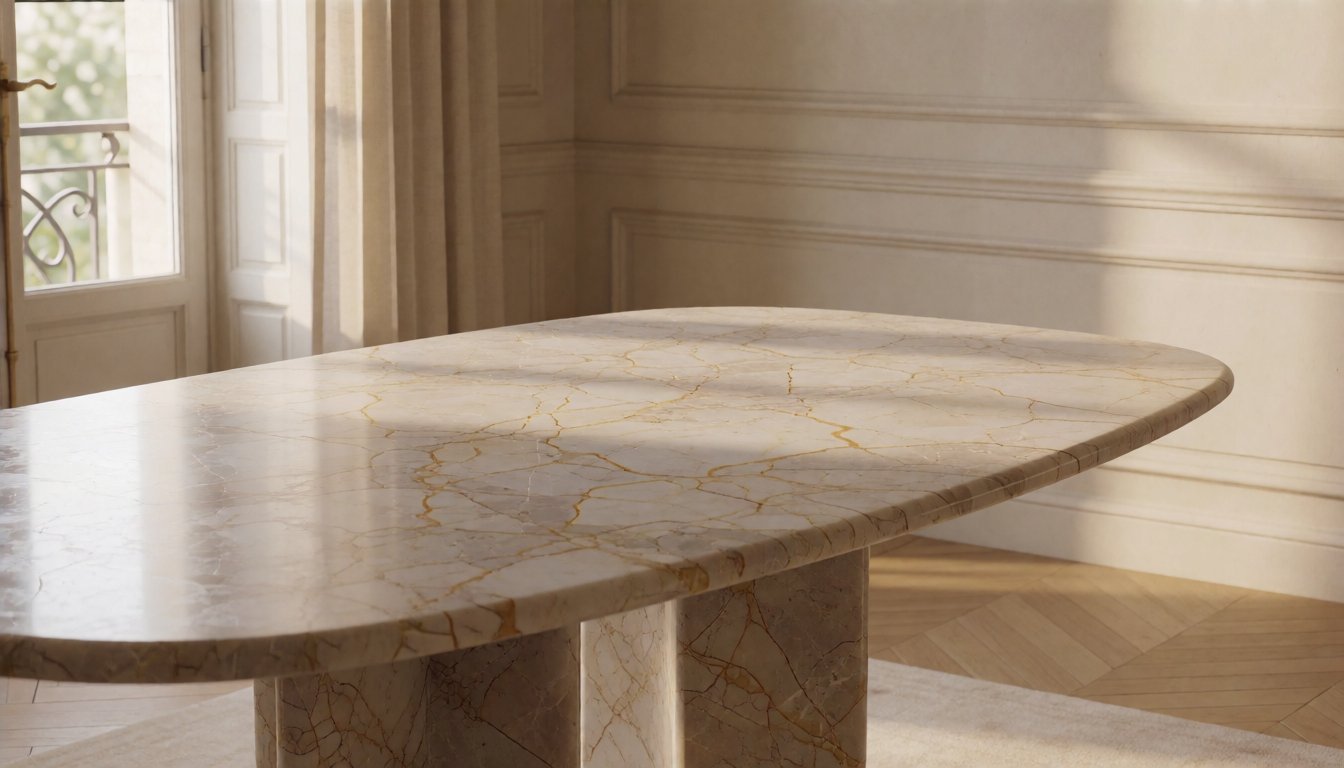
The most critical inspection point occurs when you assess structural integrity, specifically regarding cracks that compromise the stone’s safety or longevity. A marble crack vein might look artistic to an untrained eye, but its classification depends entirely on depth and width relative to gravity loads. For a standard dining table top measuring 120cm x 80cm with a thickness of 3cm, any hairline fracture deeper than 2mm is grounds for immediate rejection if it runs parallel or directly underneath the center load point where legs attach. These fractures can widen under weight, leading to catastrophic failure weeks after delivery.

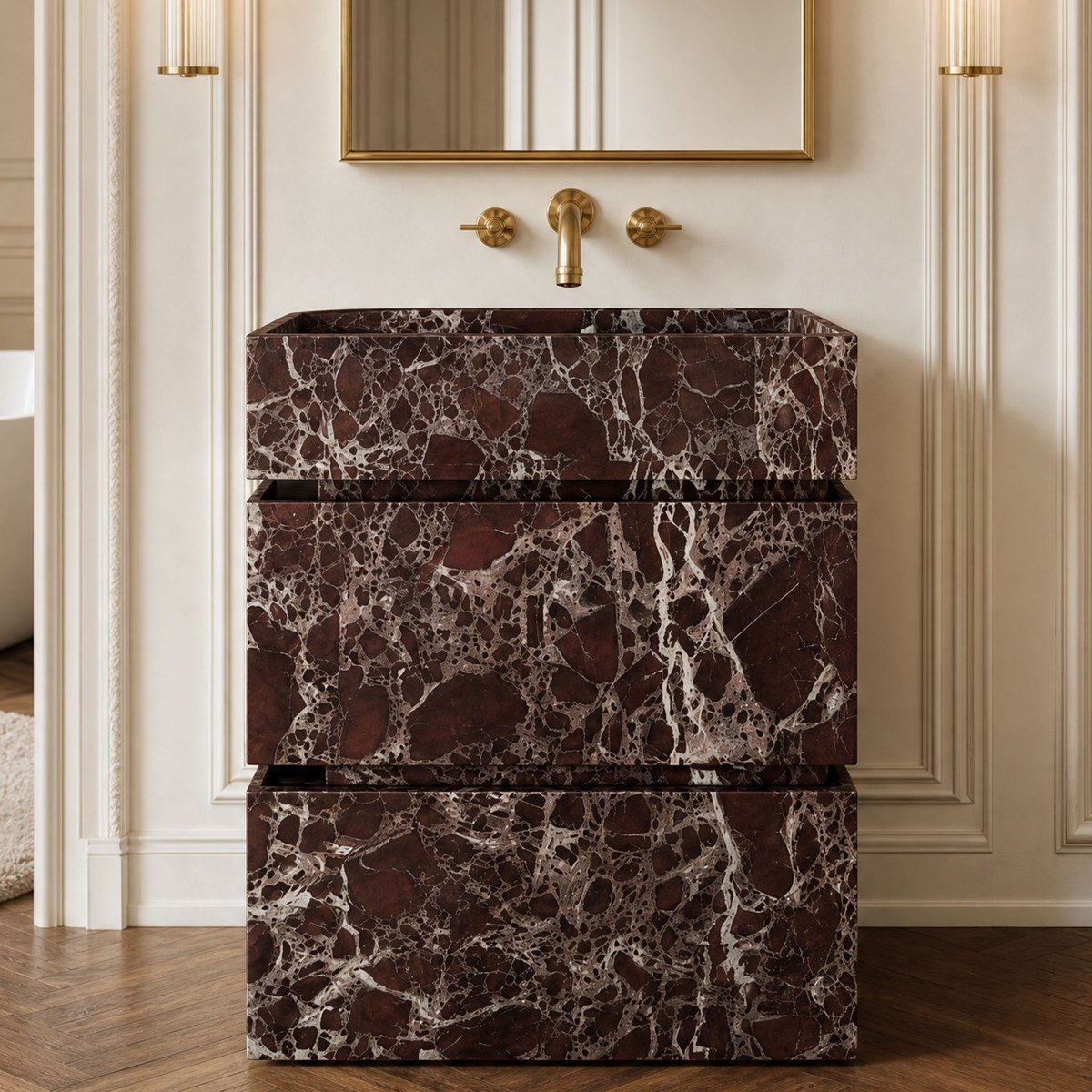
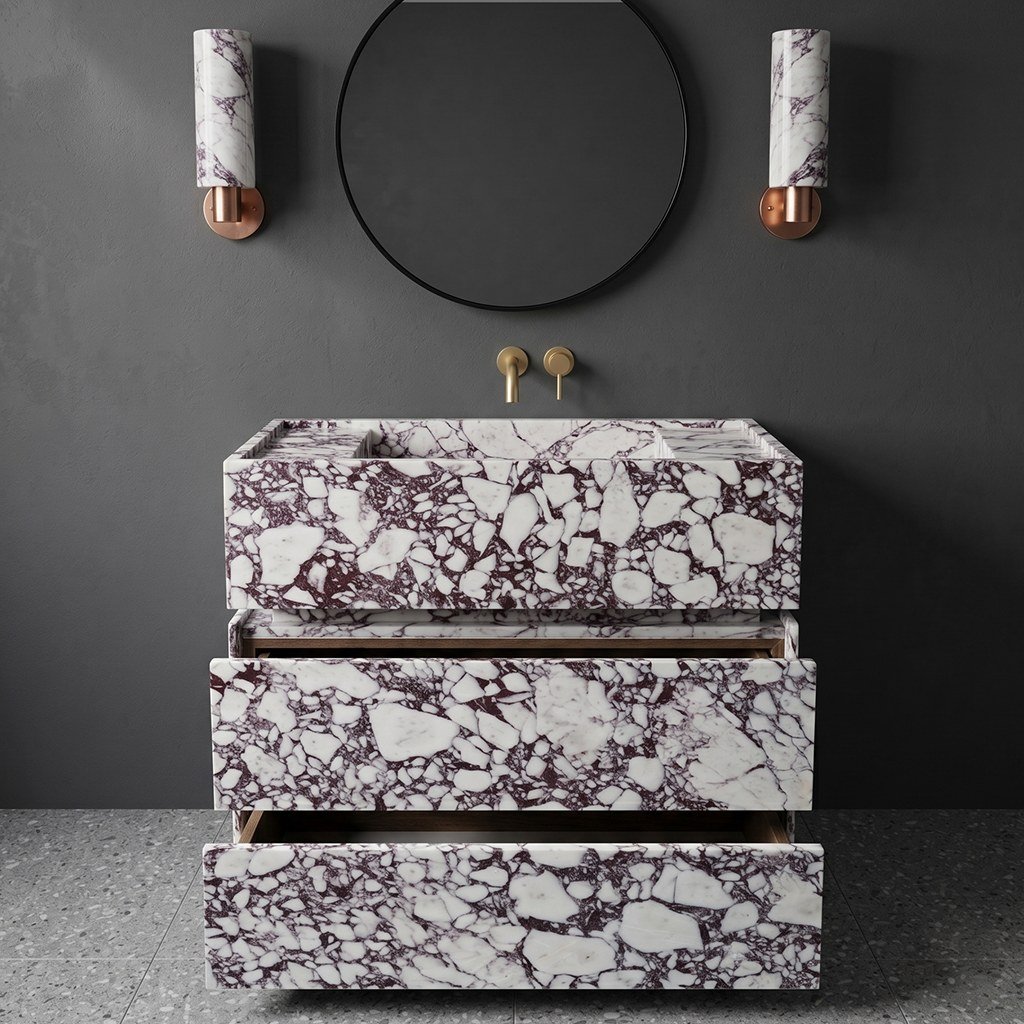
When inspecting stone sinks and vanities, which typically weigh between 40kg and 85kg depending on density and size (e.g., a rectangular sink at 120cm x 60cm), the rules tighten further. A crack located within 3 inches of the drain hole or faucet mount is unacceptable because water pressure will force the split open, causing leaks and mold growth inside your cabinetry. Similarly, for bathtubs made from thicker stone (usually 5-8cm thick to hold a massive volume like a soaking tub at 170cm x 90cm), any visible crack along the rim or corner must be rejected immediately. These areas experience high stress during installation and filling with water. If you see even a microscopic gap that runs vertically through the stone body, do not negotiate; flag this as total rejection to avoid returning heavy freight worth thousands of dollars.

Aesthetic Consistency: When Veins Cross Quality Thresholds
While natural variation is expected in quarried material like onyx or granite, certain vein patterns cross the line from “character” into “defect.” You must define your aesthetic standards clearly with the factory before production begins to prevent disputes later. For example, a stone pit defect often appears as small cavities left by water droplets evaporating during polishing, but these become problematic when they cluster in high-visibility areas like tabletops or vanity fronts intended for close-up viewing.
Consider a white Carrara marble dining table where the client expects subtle grey veining. If the factory produces slabs with thick, dark veins running horizontally across 50% of the surface area without your prior approval on a mockup, you are justified in rejecting that batch under your contract specifications. The issue isn’t just the color; it is density and contrast. A vein wider than 3cm or darker than the base stone creates an uneven visual weight that makes installation difficult for your installers trying to align patterns perfectly.
Conversely, a marble crack vein used intentionally as a design feature (like in waterfall edges) must be verified against specific dimensions before acceptance. If you agreed on a pattern with jagged lines up to 5cm wide separated by at least 10cm of clear stone, but the received goods show veins merging into large dark blotches covering over 30% of the surface, that unit fails quality control standards for luxury retail. Importers must ensure their factory understands that “natural” does not mean “uncontrolled.” Large, irregular inclusions can hide micro-fractures or structural weaknesses invisible to casual inspection but fatal under thermal shock from a dishwasher or hot pot placement.
Surface Texture: Managing Pits and Polishing Irregularities
Surface finish is where many B2B buyers stumble because they confuse natural texture with manufacturing negligence. A stone pit defect refers specifically to small, pinhole-like depressions on the polished surface caused by impurities in the stone or uneven polishing pressure. For a high-gloss vanity top meant for residential bathrooms exposed to humidity and cleaning products, these pits are unacceptable if their diameter exceeds 3mm or if they appear within a cluster of ten per square meter. They catch dirt easily and look terrible when lit by under-cabinet lighting, creating dark shadows that ruin the perceived value of your product.
However, some rough-hewn textures allow for more variation. If you specify a leathered finish for outdoor fireplaces or dining tables exposed to weather, minor pits may be within tolerance as long as they do not deepen into hollows requiring fillers. Yet, even in textured finishes, the depth remains critical. A pit that is 1cm deep compromises the sealant application and invites staining from oil or wine spills common on restaurant furniture orders. When reviewing photos of finished goods before shipment, look for consistency across all four corners of a slab measuring roughly 240cm x 80cm (common for large vanities). If one quadrant is heavily pitted while another is smooth, the factory failed to calibrate their polishing machinery correctly. Reject any batch where this inconsistency suggests poor process control rather than natural stone variation.
Practical Verification: What to Check Before Shipment
To minimize rejection rates and costly returns, establish a pre-shipment verification protocol with your supplier. Request high-resolution photos zoomed in on suspected areas of stone defects reject criteria before the container closes. Ask specifically about the depth of any reported cracks or pits using calipers if possible, though most factories will provide millimeter estimates based on X-ray scans for large slabs intended for sinks and tubs.
For orders involving heavy items like stone bathtubs (often exceeding 200kg) or massive dining tables, insist on a video walkthrough of the packing process to ensure no new cracks are introduced during handling. Clarify your policy: if you find three units with minor issues upon arrival at US West Coast ports versus one major structural failure found after installation in Ohio, how does that affect payment terms? Typically, suppliers offer partial compensation for cosmetic flaws but refuse responsibility for structural failures unless documented before shipping. Always prioritize clear communication over silent acceptance of subpar goods to build a long-term partnership with manufacturers like Gladystone who respect your quality thresholds.