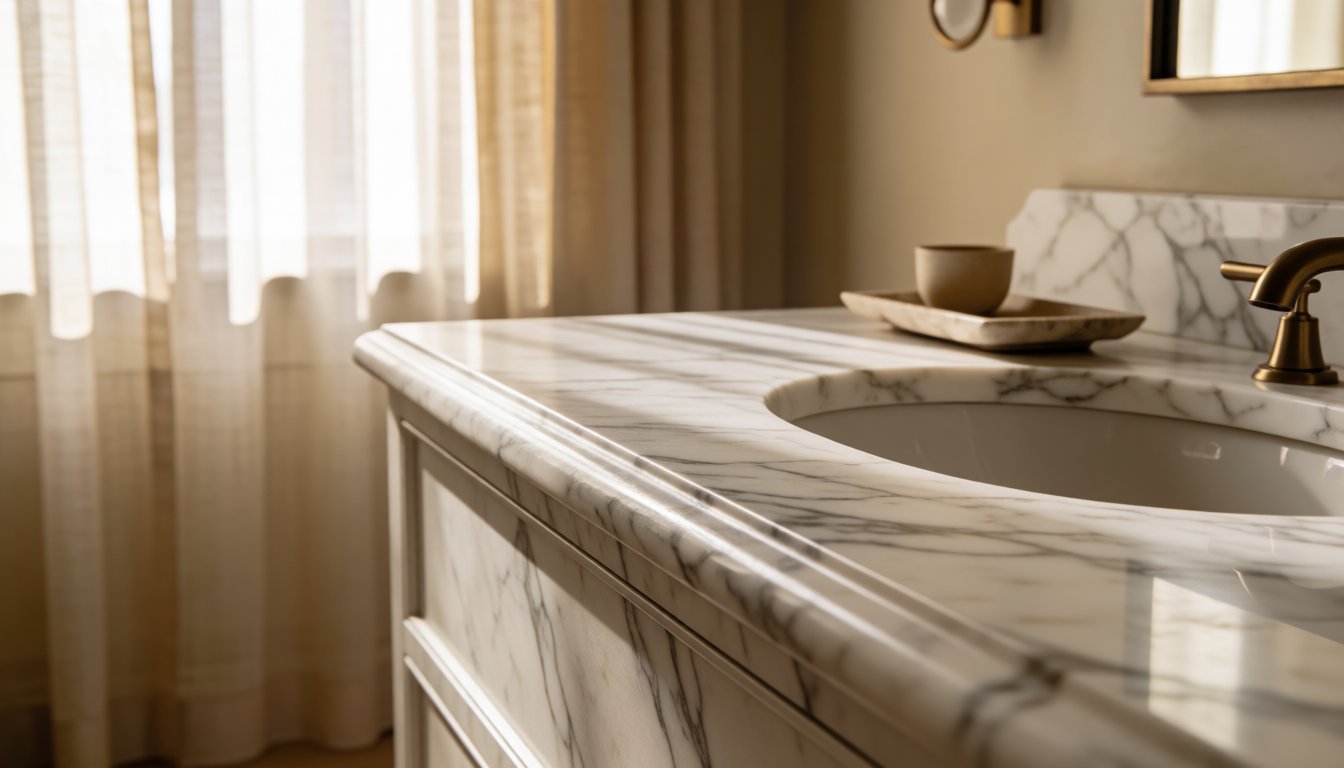
When sourcing natural stone furniture for your dropshipping store or wholesale catalog, surface defects are an inevitable reality of the industry. A client might send back a custom vanity because a small chip appeared during transport, or a retailer might need to salvage a large dining table slab where a minor pit was exposed during polishing. Your decision on how to handle these issues directly impacts your profit margins and customer satisfaction. You generally have two paths: attempting a stone repair DIY fix yourself or sending the unit back to Gladystone for a professional factory fix. Choosing the right path depends on the severity of the damage, the type of stone you are selling, and your ability to source high-quality resins locally.
Assessing the Damage Before You Act
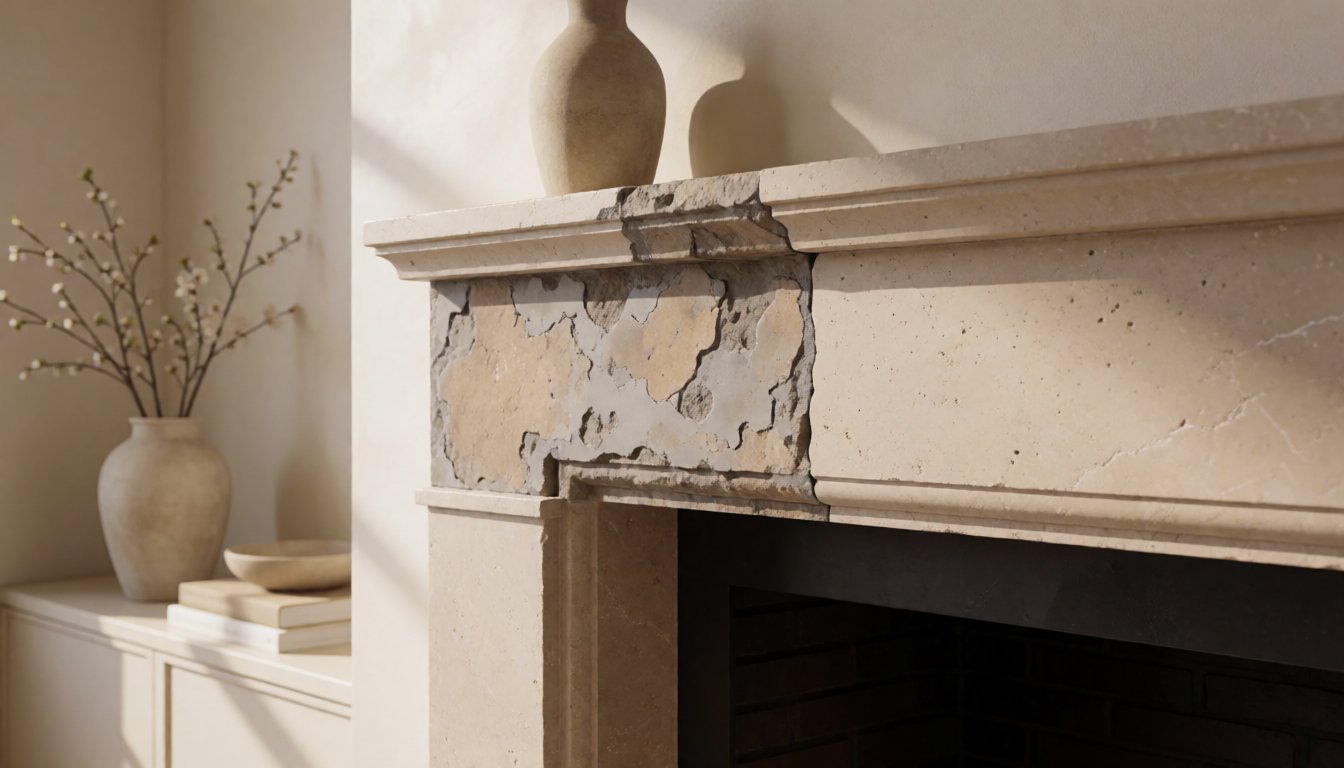
Not all defects require the same level of intervention. A tiny surface chip less than 5mm in depth on a granite countertop is often invisible once sealed correctly. Conversely, a structural crack or a deep pit on a white marble bathtub requires immediate professional attention. Before attempting any stone repair DIY method, you must evaluate the substrate integrity. If the damage penetrates more than two-thirds of the stone thickness, do not attempt a cosmetic fix; the unit needs replacement.

For natural stone sinks and bathtubs weighing between 40kg and 80kg depending on the material, minor surface imperfections are common after installation due to impact from heavy pots or falling accessories. If you spot a marble pit fix is needed on a slab destined for a European market, check if the underlying structure is compromised. A simple visual inspection with a bright light source can reveal voids beneath the surface that DIY kits might hide but fail to address structurally. Always prioritize structural soundness over cosmetic perfection when dealing with fireplaces or heavy stone dining tables where safety is paramount.
The Economics of Stone Repair DIY Kits
Sourcing a stone repair DIY kit from local suppliers in your target market offers speed and lower immediate costs, but it comes with significant variables. These kits typically contain epoxy resin, hardener, pigment paste, and polishing pads. A basic kit might cost between $15 and $40 USD depending on the brand and quality of the epoxy. However, the true cost lies in labor time and the risk of error.
If you attempt a marble pit fix without experience, there is a high probability of creating an unsightly bulge or discoloration that cannot be sanded out. Stone chips often require color matching that is extremely difficult to replicate perfectly, especially with veined materials like Calacatta or Statuario. If your customer rejects the finished product because the repair spot stands out under showroom lighting, you lose both the sales price and the shipping cost back to China. For low-margin items like side tables or decor pieces, this rejection risk can wipe out your entire profit buffer.
Furthermore, local epoxy resins may have different curing times and shrinkage rates compared to the specific resin Gladystone uses during manufacturing. Using mismatched materials can lead to yellowing over time or adhesion failure. When selling high-end furniture, your clients expect a finish that matches the factory polish. A DIY repair often leaves a visible transition line between the repaired area and the original stone, which lowers the perceived value of the piece significantly.
Why Factory Fixes Often Make Financial Sense
Sending units back to Gladystone for a professional fix might seem expensive at first glance, but it frequently proves more cost-effective in the long run when factoring in customer retention and brand reputation. Our factory has dedicated teams trained specifically in stone repair and restoration using proprietary blends that match our original production slabs. We can address issues ranging from minor surface pits to larger chips on vanities and sinks without affecting the structural integrity of the stone.
The lead time for a factory fix is roughly 10 to 14 days, including shipping back to China, the repair process, re-polishing, and quality control before reshipping. While this takes longer than a weekend DIY job, it ensures a flawless result that meets your brand’s standards. For wholesale orders involving hundreds of units, the cost difference between a rejected unit and a professionally repaired one often balances out when you consider the avoided return shipping fees.
We typically charge a service fee per unit based on the complexity of the repair and the stone type. Granite repairs are generally less expensive than marble or limestone because they are more forgiving of slight color mismatches. However, for premium stones used in luxury dining tables or custom fireplaces, we may recommend replacing the slab entirely if the damage exceeds a certain threshold, usually around 15cm in diameter. This transparency allows you to price your risk correctly from the start.
Setting Clear Protocols with Your Supplier
To minimize disputes and ensure smooth operations, establish clear protocols before your first order arrives. Define exactly what constitutes an acceptable defect versus a rejectable flaw in your Terms of Service agreement. Specify that minor stone chips under 3mm depth or small pits not affecting structural stability will be handled via our factory repair program. Reserve the option for full replacement only for cracks, large structural breaks, or deep gouges that compromise the thickness of the slab.
Ask Gladystone to provide detailed photos and videos upon receipt of any reported damage before shipping it back. This prevents misunderstandings about the initial condition of the stone versus the damage incurred during transit. Discuss the specific resin systems you are using; if you insist on a local DIY approach for minor issues, ensure your team is trained in mixing ratios and application techniques that mimic our factory finish. Remember that natural stone is porous and reactive; improper sealing or cleaning after a repair can cause staining within weeks, leading to further claims.
Building Trust Through Transparency
Your customers value honesty. If a defect occurs, communicate it immediately rather than trying to hide it with a quick fix. Explain the difference between a minor cosmetic issue that can be resolved easily and a major structural problem requiring replacement. By offering a clear path for factory repairs through Gladystone, you show your clients that you stand behind your products. This approach builds long-term trust and encourages repeat orders from interior designers and dropshippers who know they are dealing with a partner that prioritizes quality control.
Ultimately, the goal is to deliver furniture that looks as good in the customer’s home as it does in your showroom. Whether you choose a localized stone repair DIY solution for trivial issues or utilize our factory services for more complex cases, the key is managing expectations and maintaining high standards. With proper planning and clear agreements, surface defects become manageable incidents rather than deal-breakers for your business.