Importing natural stone for a B2B business requires more than just finding good designs; it demands a grasp of logistics that protects your bottom line. When sourcing from manufacturers like Gladystone in China, the decision between sending individual samples via courier or using sample consolidation can change your profit margins by 30% to 50%. Most buyers underestimate how shipping costs and lead times differ for marble slabs versus carved stone sinks. Understanding these variables before you place an order prevents unexpected fees that eat into your margin on every single unit sold in the US or EU.
The Cost Trap of Individual Stone Sample Shipping
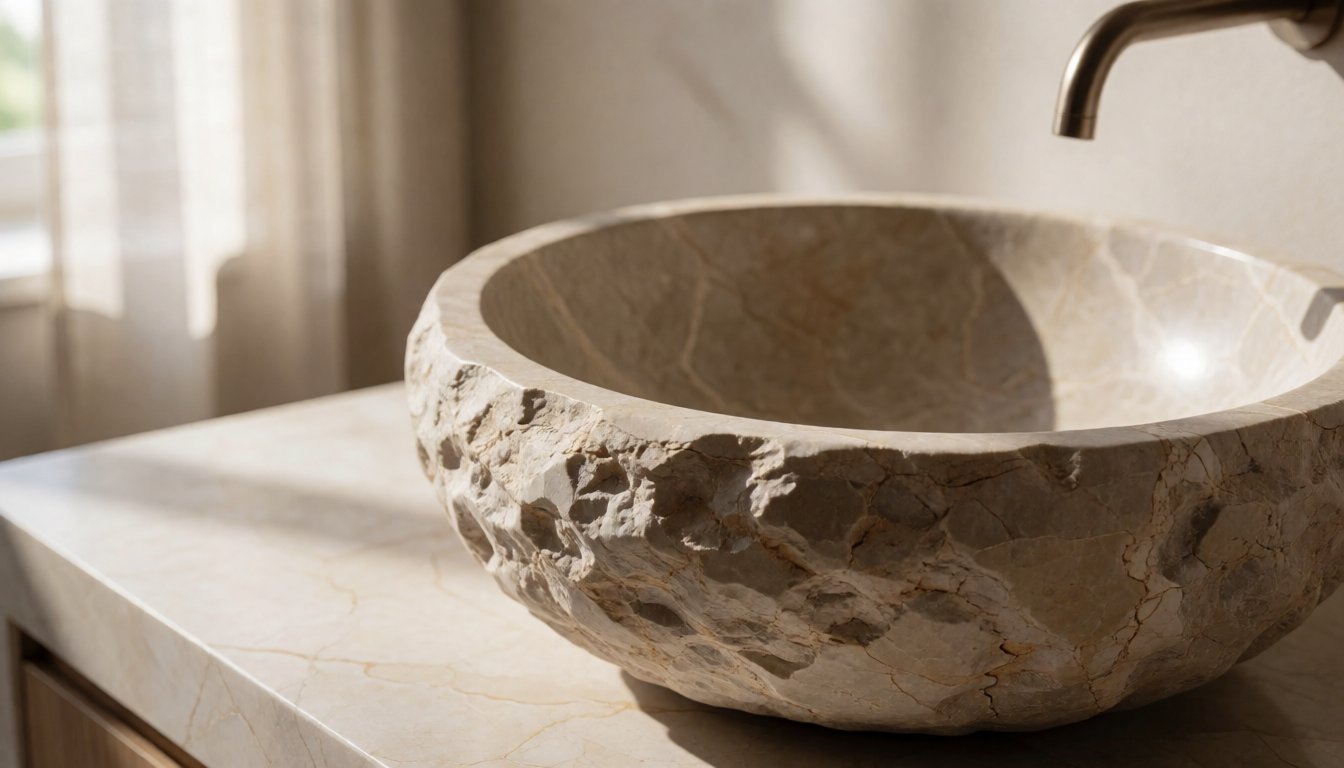
Sending a single stone sample as a standalone parcel often looks convenient but usually costs more than necessary. A standard marble basin from Gladystone might weigh roughly 15 kg and measure 60 x 45 x 25 cm. If you order just one sink to test quality, the courier charge for the air freight alone can range from $80 to $120 USD depending on your destination port. Add customs clearance fees, which often hit around $30 to $50 USD for low-value shipments, and you are paying almost double what a consolidated shipment would cost.
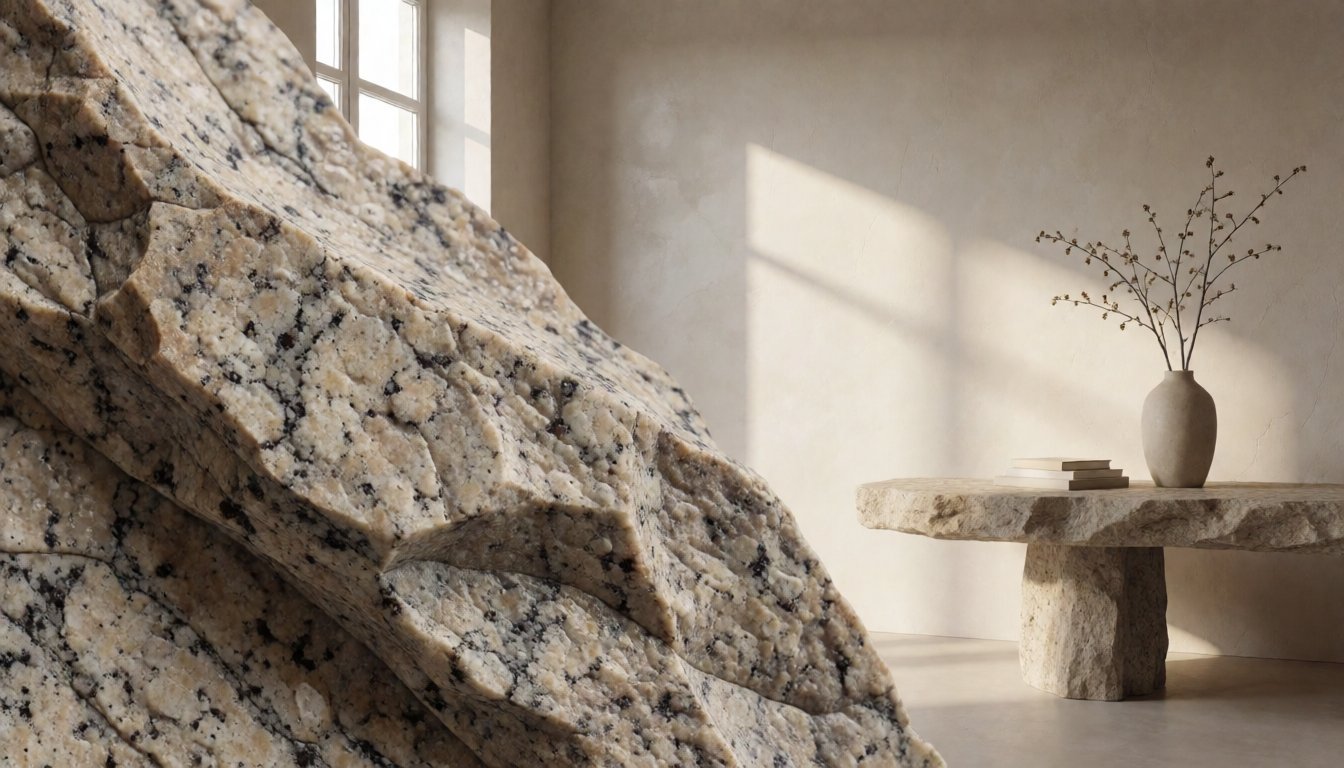
Carriers typically charge by volumetric weight rather than actual weight for stone items. A small granite slab measuring 40 x 30 cm with a thickness of 1.8 cm might weigh 8 kg physically but occupy space equivalent to 20 kg in volume. Couriers penalize this discrepancy heavily. If you send five different samples—perhaps one vanity, two sinks, and two decorative bowls—as separate packages, you are paying five times the surcharge for insurance and handling. For dropshippers testing new products, these extra costs can kill a margin that was already tight on the retail side.
Furthermore, individual shipments arrive at scattered times. You might get your first sample in New York on Tuesday and your second in Los Angeles on Friday. This disjointed arrival makes it difficult to present a cohesive showroom or complete a bulk order decision quickly. Buyers often rush their next production order because they cannot see the full range of options simultaneously, leading to rushed decisions that might not be optimal for their specific market needs.
Why Sample Consolidation Saves Money and Time
Sample consolidation is the industry standard for serious buyers importing from China. Instead of sending five separate parcels, Gladystone groups your stone samples into one master carton or crate. This method drastically reduces the cost per unit. When you combine five different stone items into a single shipment, the total freight cost might drop from $500 to roughly $180 USD. That saving is immediately available for reinvestment in inventory or marketing.
Consolidation also streamlines customs clearance. One commercial invoice and one set of shipping documents clear through port authorities instead of five separate filings. This reduces administrative headaches and the risk of delays caused by missing paperwork on a single small package. Typically, a consolidated shipment arrives within 10 to 14 days depending on the destination city in the US or EU. Individual air freight might take similar time, but the cost difference is significant enough that most wholesalers prefer consolidation even if they need samples quickly.
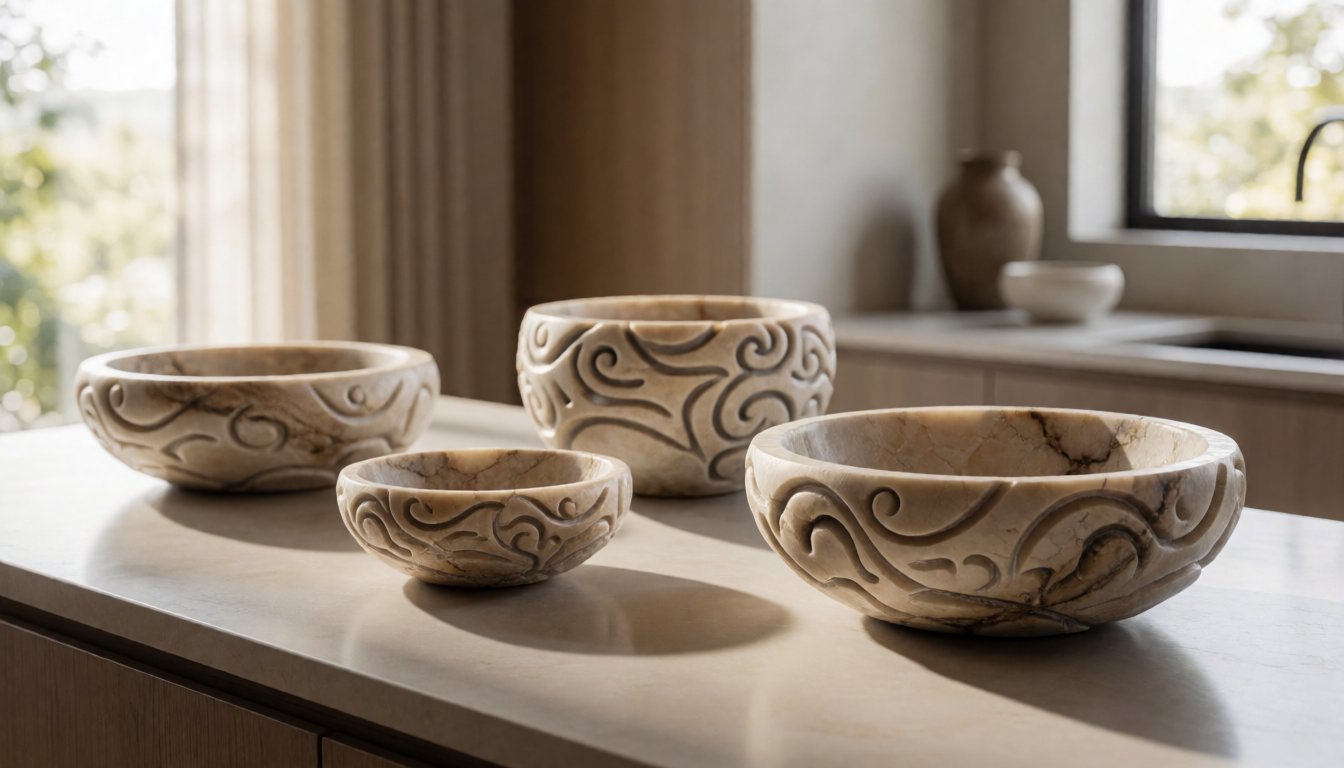
For interior designers who travel between clients, consolidated samples are easier to handle. One sturdy crate containing various stone textures—like a rough-hewn granite slab and a polished Carrara marble countertop—is simpler to transport in a car trunk or luggage than multiple fragile boxes that require separate insurance claims if damaged during transit. Consolidation allows you to test a full collection: vanities, sinks, fireplaces, and dining tables all arriving together so you can evaluate the color matching and veining patterns across your entire product line.
Managing Fragility and Insurance on Stone Samples
Stone is heavy and brittle, making proper packaging critical regardless of the shipping method. Gladystone uses reinforced corner guards and double-wall cardboard boxes for smaller items like sinks, while larger slabs or fireplaces often require wooden crates. When choosing between courier services and consolidation, ask specifically about the packaging standards. A marble sample that looks fine in a photo might crack if packed loosely in a thin box.
Insurance is another critical factor when handling stone sample logistics. Standard courier policies often have low liability limits, meaning you might not be fully compensated for a $200 granite sink if it breaks. Consolidation services usually negotiate better insurance rates because the total value of the shipment is higher but the risk per package is managed professionally. Check that the insurance covers “all risks,” including breakage during handling and moisture damage from humidity changes between China and your destination.
Do not skip the pre-shipment photos request. Ask Gladystone to send high-resolution images and a short video showing the packaging process before they seal the crate. This confirms that the stone is secured properly with foam inserts or wooden braces. If a sample arrives broken due to poor packing, the supplier should accept responsibility under the terms of your consolidation agreement rather than blaming the courier’s last-mile delivery. Always document the condition upon arrival immediately; delaying inspection for even 24 hours can complicate claims significantly.
Strategic Questions to Ask Your Supplier
Before finalizing your shipping plan, engage your supplier with specific questions that protect your investment. Start by asking about their experience with sample consolidation rates. Most factories have a standard fee structure for grouping samples, which is often cheaper than commercial couriers. Clarify if there are additional charges for customs documentation or if they handle the export paperwork directly.
Ask about lead times for consolidated shipments versus individual parcels. While individual air freight might seem faster on paper, the waiting time to book space and the processing time at the origin port can make them equal or slower. Consolidation offers a predictable schedule where Gladystone batches your samples with other clients’ orders, ensuring efficiency. Verify if they can hold samples for a few days if you need to add another item to the group later. Flexibility in batching can save hundreds of dollars if your product development timeline shifts slightly.
Finally, discuss the return policy for rejected samples. If a stone piece has a hidden flaw like internal cracking or inconsistent veining that doesn’t match your catalog standards, confirm how returns are handled. Some suppliers allow you to ship rejected samples back at their expense if the defect was on their end. Understanding these logistics details upfront ensures that your sampling process is a tool for decision-making rather than a financial drain. By focusing on consolidation and proper packaging protocols, you secure better quality control and maintain healthy margins for your growing stone furniture business.