Moving from a single sample approval to shipping a full container requires more than just scaling up production numbers. It demands a disciplined approach to stone order management that keeps quality consistent and costs predictable. At Gladystone, we work with interior designers, wholesalers, and Shopify dropshippers who need their stone furniture to arrive in perfect condition. The transition from a small-scale prototype to a mass-production run is where most projects fail if not handled correctly. This process involves verifying structural integrity, confirming surface finishes, and ensuring the logistics chain can support large volumes without delay.
The Critical Role of the Approved Sample
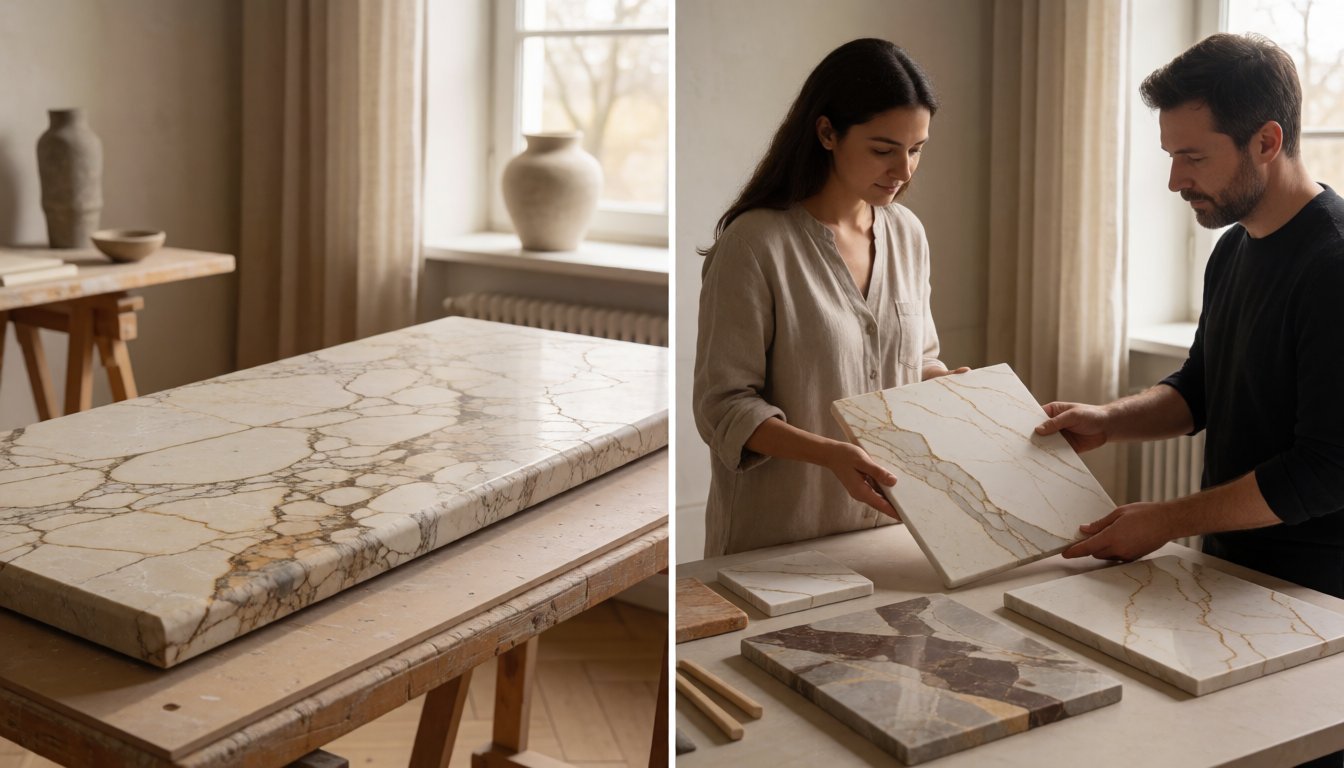
The approved sample is your only reference for color, veining, and texture. When you sign off on a stone prototype to production model, you are essentially locking in the aesthetic standard for the entire batch. However, approving a sample does not mean the final bulk order will automatically match it. Natural stone varies even within the same quarry block.
Before moving forward, ensure your supplier takes high-resolution photos of the specific slab used for your prototype. Ask to see a “book match” or a larger panel from the same vein to understand natural variation. If you are dealing with engineered quartz or granite, the factory must mix pigments precisely before pouring the molds. A common mistake is assuming the sample color will look identical in the final load due to lighting differences on screen versus reality. Always request physical samples shipped to your location for a side-by-side comparison under your store’s lighting conditions before authorizing bulk manufacturing.
Structural Testing: More Than Just Surface Finish
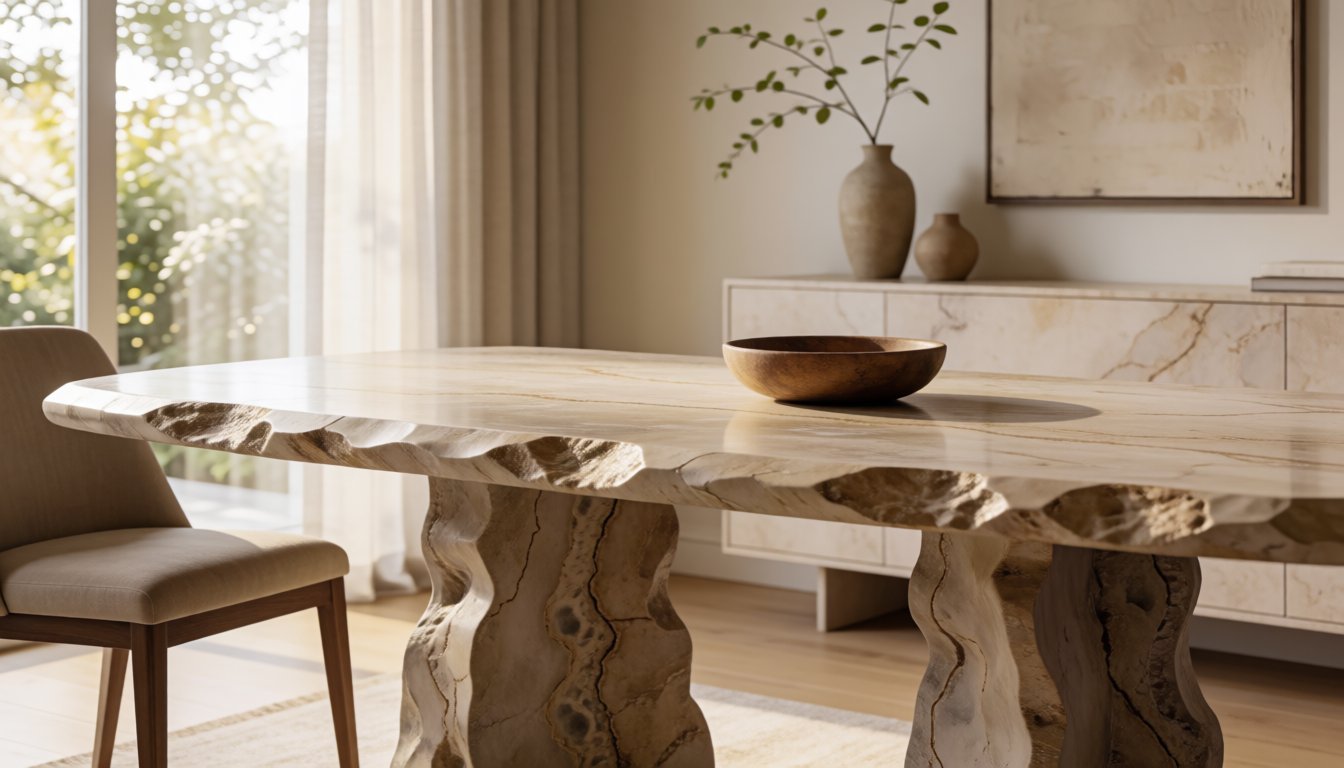
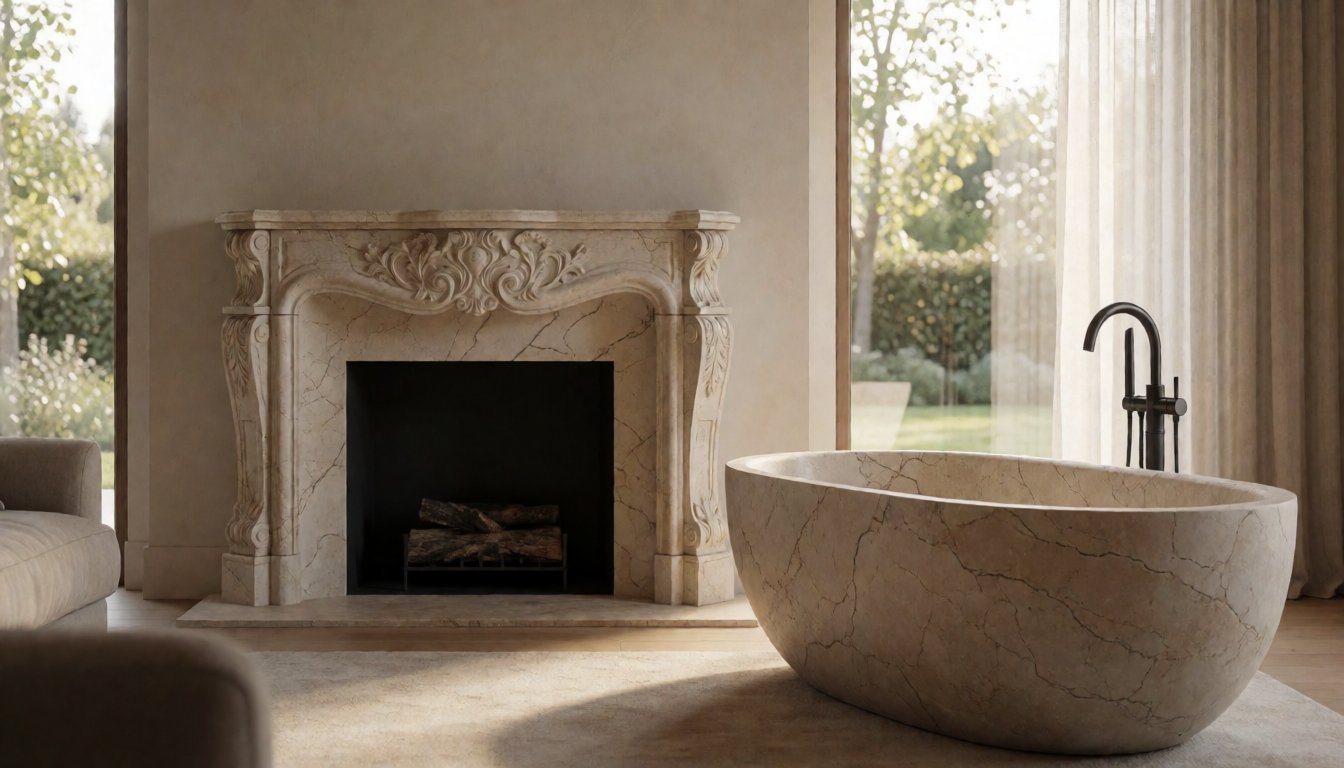
A beautiful sink or bathtub looks nothing if it cracks during shipping or weakens over time. Many buyers focus solely on the visual appeal of the stone, neglecting the internal strength. For large items like fireplaces or dining tables, the weight can exceed 100 kg (220 lbs). The manufacturing process must account for this stress.
Ask Gladystone to perform load testing on your specific design. For instance, a 90 cm (35 inch) kitchen sink made from 2.5 cm (1 inch) thick stone needs reinforcement underneath if it will hold heavy pots and pans daily. A standard bathtub shell should withstand water pressure of at least 0.4 MPa without deforming. These tests are often skipped by smaller suppliers but are essential for professional-grade products. If your design involves thin slabs or complex curves, the factory must adjust the mold thickness to prevent warping. Confirm that these structural standards are met before mass production begins.
Cost Drivers: How Pricing Changes at Scale
Understanding sample to bulk stone pricing is vital for budgeting. The unit cost drops significantly when moving from one piece to a container load, but not all costs decrease linearly. Labor costs for polishing and assembly remain relatively fixed per unit. Shipping costs fluctuate based on global freight rates and the total weight of your order.
For example, a single custom fireplace might cost $800 to manufacture. When you order 50 units in a container, the manufacturing cost per unit might drop by 20% to 30%, but the sea freight charge is calculated by volume (CBM) and total weight. A standard 40-foot container can hold roughly 15–20 large dining tables or 80–100 smaller side tables, depending on packing density. Your supplier should provide a breakdown showing how the unit price shifts as you increase the quantity from 1 to 50 pieces. Do not accept a flat rate without seeing this calculation. Hidden costs like crating materials and insurance premiums often eat into margins if not anticipated early.
Lead Times: From Mold Setup to Port Departure
Lead times are often underestimated. A new design requires mold setup, which typically takes 7–14 days for standard stone molds. If you are using an existing mold for a similar product, production starts immediately after sample approval. Once production begins, natural stone items like vanities and sinks require curing time before they can be polished and packaged.
Standard lead times from order confirmation to ex-factory date usually range from 25 to 35 days. Complex shapes or custom inlays may extend this to 40+ days. Shipping adds another 14–30 days depending on whether you use air freight for urgent samples or sea freight for bulk orders. Total delivery time from prototype approval to your warehouse door often spans 60 to 90 days. For dropshippers, this timeline must align with your sales cycles. If a customer places an order in October, you cannot promise November delivery if the stone is being sourced and manufactured starting December. Always build a buffer of 7–10 days into your estimates to account for customs delays or port congestion.
Quality Control: Inspecting Before Shipment
Inspection protocols must be strict before goods leave the factory. A common issue in the industry is damage occurring during loading onto container ships. Stone is heavy and brittle; improper handling can cause chips, cracks, or scratches. Gladystone should inspect every major item individually using a checklist that covers edge integrity, surface polish consistency, and hole alignment for faucets.
For large orders, we recommend a third-party inspection service or a rigorous video walk-through of the warehouse floor before packing. Photos of packed goods should show how items are cushioned with foam inserts or wooden crates. Ask to see images of the palletizing process. If you are shipping to the US or EU, ensure all packaging meets international shipping standards for weight distribution. A poorly secured load can shift during transit, causing items to collide and break. The final inspection report should be part of your contract terms to avoid disputes upon arrival.
Logistics Planning: Container Loading and Customs
Moving from a single order to a full container requires precise logistics planning. You must know the exact dimensions and weight of every item to maximize space utilization. Overpacking can crush delicate items, while underpacking wastes money on freight. For example, a 20-foot container might hold 40 standard bathtubs if packed efficiently with protective layers between units.
Customs documentation must be accurate. HS Codes for stone sinks and tables vary by material type (natural vs. engineered) and function. Inaccurate declarations lead to fines or seizures at customs. Work with your supplier’s export team to ensure all certificates of origin, commercial invoices, and packing lists match the actual goods perfectly. For dropshippers, consider using a bonded warehouse strategy if local inventory laws allow, though this adds complexity. Clear communication with freight forwarders about “breakbulk” versus full container load (FCL) options is essential. Small orders should be consolidated to save on shipping fees, while large brands should negotiate exclusive space in containers to maintain brand consistency.
FAQ
How long does it take to turn a prototype into a bulk production run?
The timeline depends on whether the design requires new molds or uses existing ones. Creating new molds for unique shapes typically adds 7–14 days before production starts. Once approved, mass production for stone sinks and vanities usually takes 20–30 days. Adding curing time and packaging brings the total factory lead time to roughly 35–45 days. Sea freight then adds another 25–40 days depending on destination ports. Total time from prototype approval to your warehouse is often 60–90 days.
What is the typical MOQ for stone furniture when transitioning from sample to bulk?
Minimum order quantities (MOQ) vary by product type and material. For standard granite or quartz sinks, the MOQ is usually around 50 pieces per color/size variation to justify mold usage and shipping costs. Custom dining tables or fireplaces often have an MOQ of 10–20 units due to their size and lower volume potential. We recommend starting with a pilot order of 30–50 units to test quality before committing to a full container load of 80+ units.
How much does the unit price drop when moving from sample to bulk orders?
Pricing typically decreases by 20% to 35% when scaling from a single sample order to a container load. This reduction comes from spreading fixed costs like mold amortization and labor across more units. However, shipping costs per unit decrease even faster in FCL (Full Container Load) scenarios compared to LCL (Less than Container Load). Always request a detailed cost breakdown showing the difference between a 10-unit order and a 50-unit order to verify these savings before signing contracts.
Quick Comparison
| Feature | Sample/Prototype Run | Pilot Order (30-50 units) | Full Container Load (80+ units) |
|---|---|---|---|
| Lead Time | 20–25 days production + shipping | 30–40 days production + shipping | 25–35 days production + shipping |
| Unit Cost Reduction | Baseline (Highest) | ~10-15% discount vs. baseline | ~25-35% discount vs. baseline |
| MOQ Requirement | 1 unit | 30–50 units per style/color | 80–100 units total per container |
| Shipping Method | Air freight or Express | Consolidated LCL or Partial FCL | Full Container Load (FCL) |