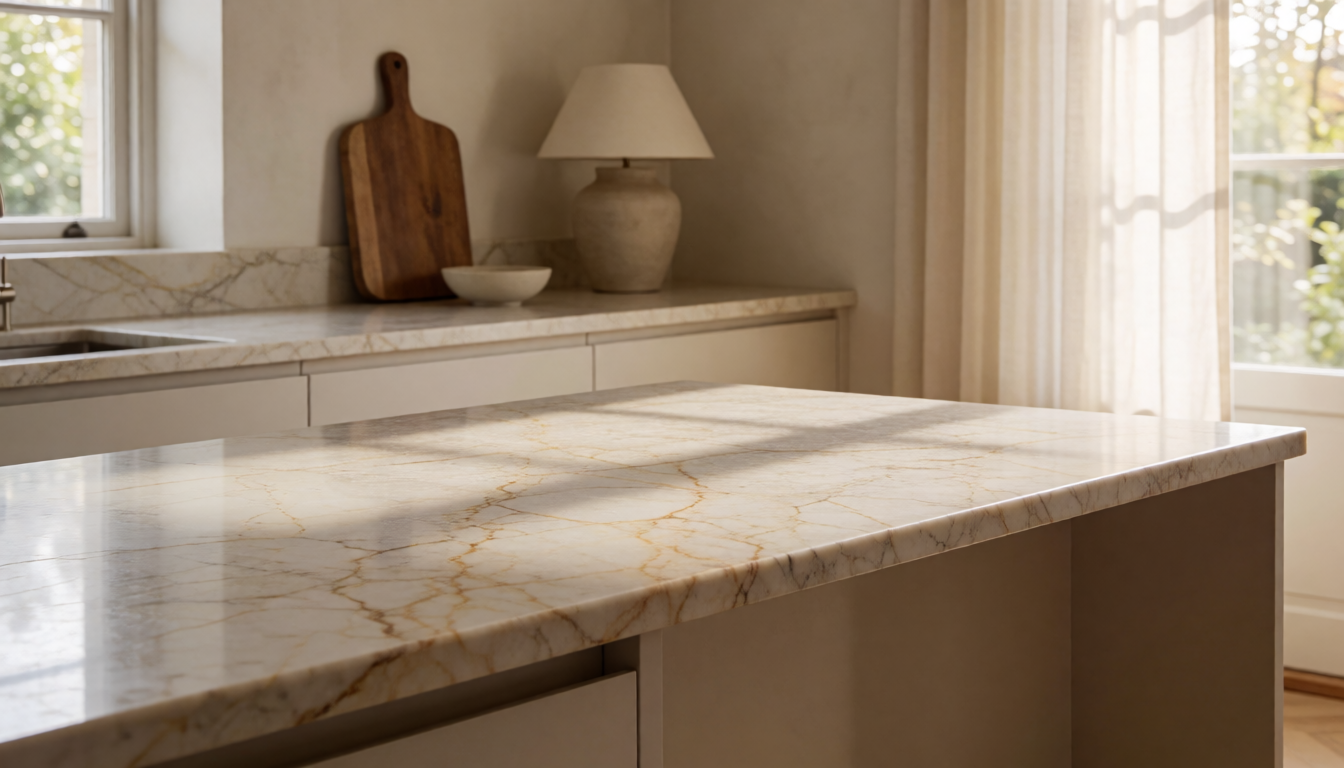
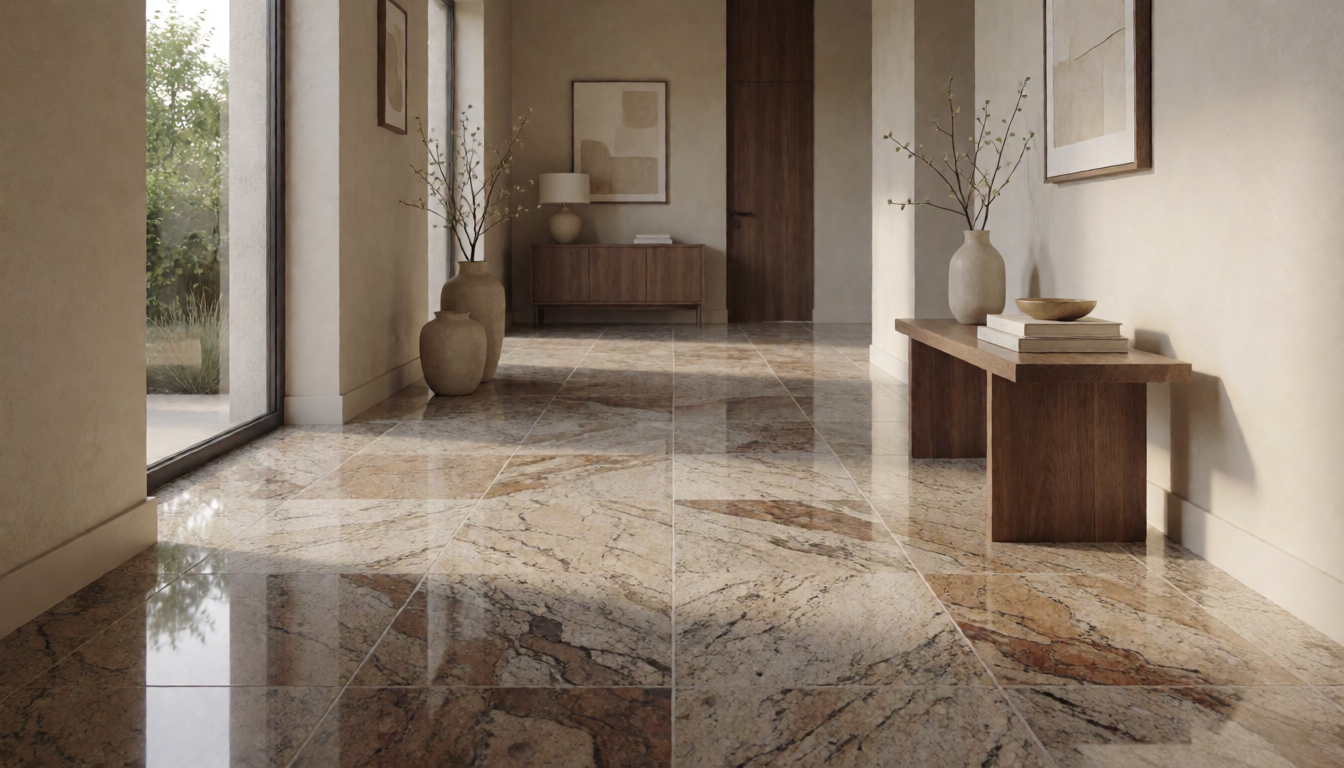
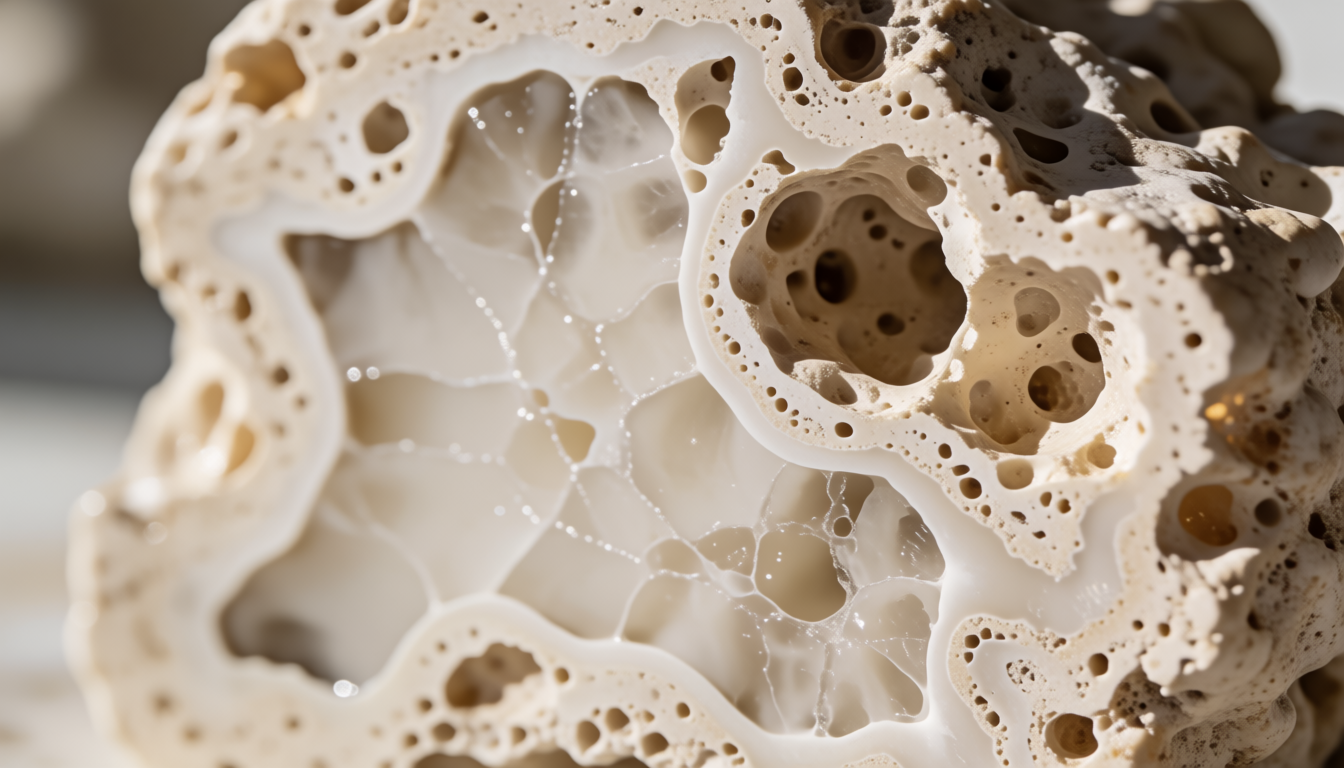
Sealing natural stone in 2026 requires matching the sealant type to the specific stone (calcareous vs. siliceous), its porosity level, and the installation’s use conditions. A properly sealed marble or granite surface resists stains for 12–36 months depending on traffic, compared to unsealed stone which can absorb staining liquids in under 4 hours.

What Does Sealing Natural Stone Actually Do?
Stone sealers work by penetrating the stone’s pores and creating a hydrophobic barrier that slows liquid absorption. They do not make stone “stain-proof”—they buy time. On unsealed marble, a splash of red wine can stain in 3–4 hours. On properly sealed marble, that same splash can sit for 24–48 hours before penetration begins, giving users time to wipe it away.
In 2026, the stone care industry has shifted toward fluoropolymer-based sealers that last 50–100% longer than the solvent-based sealers that dominated 2010–2020. Fluoropolymer sealers also emit 80% fewer VOCs (volatile organic compounds), aligning with 2026 indoor air quality standards in commercial and residential buildings.
Why Did Stone Sealing Practices Change for 2026?
- New VOC regulations in the EU and California: As of January 2026, solvent-based sealers exceeding 100 g/L VOC are restricted in commercial applications. This has accelerated adoption of water-based fluoropolymer sealers.
- Extended maintenance cycles: Building owners and hotel operators have driven demand for “extended-life” sealers that reduce the frequency of maintenance shutdowns. A 2026 fluoropolymer sealer application lasts 24–36 months on flooring vs. 12–18 months for legacy products.
- Calcareous vs. siliceous differentiation: 2026 maintenance guides now consistently distinguish between calcareous stones (marble, travertine, limestone—acid-sensitive) and siliceous stones (granite, quartzite, slate—acid-resistant). Using the wrong sealer type can permanently damage acid-sensitive stones.
Sealer Selection by Stone Type: 2026 Guide
| Stone Type | Sealer Type | Application Method | Reapplication Interval |
|---|---|---|---|
| Marble (honned) | Fluoropolymer (water-based) | Spray + microfiber buff | 18–24 months |
| Marble (polished) | Impregnating sealer (fluoropolymer) | Foam applicator pad | 24–36 months |
| Granite (all finishes) | Silane-siloxane (penetrating) | Pump sprayer | 36–60 months |
| Travertine (filled) | Fluoropolymer + enhancer (color-boosting) | Brush into filled voids | 12–18 months (high traffic) |
| Quartzite | Impregnating (solvent-based, low VOC) | Lambswool applicator | 36–48 months |
How to Seal Natural Stone: The 2026 Step-by-Step
- Perform the water-drop test first: Place 3–4 drops of water on the stone. If they darken the stone within 10 minutes, the current sealer has failed and the stone needs resealing. If the drops sit for 30+ minutes without darkening, the sealer is still active.
- Clean the surface with pH-neutral stone cleaner: Never use acidic cleaners before sealing—they can etch the stone and create microscopic roughness that causes uneven sealer absorption. Rinse thoroughly and let the stone dry for 4–6 hours.
- Apply sealer in overlapping passes: Use the method specified in the table above. The goal is even coverage without pooling. Let the sealer dwell for 5–10 minutes (check manufacturer instructions—2026 fluoropolymer products typically specify 7 minutes).
- Buff off excess with clean microfiber: Any sealer left on the surface will cure into a haze that requires diamond polishing to remove. Use 2–3 clean microfiber cloths per 100 sq ft to ensure complete removal.
Frequently Asked Questions
Can I use the same sealer for marble and granite?
No. Marble is calcareous and reacts with acidic substances; it needs a sealer that also provides mild etch resistance. Granite is siliceous and chemically inert; a basic silane-siloxane sealer is sufficient. Using a granite sealer on marble leaves the stone vulnerable to etching.
How do I remove a stain from sealed stone?
Use the poultice method. Mix a stain-removing powder (available from stone supply houses) with a small amount of the appropriate solvent (hydrogen peroxide for organic stains, acetone for oil-based stains) to form a paste. Apply over the stain, cover with plastic wrap, and let sit for 24–48 hours. The poultice draws the stain out of the stone as it dries.
Does honed marble need sealing more often than polished?
Yes. Honed finishes have more open pores than polished finishes, so they absorb liquids faster. For kitchen countertops in daily use, reseal honed marble every 12–18 months vs. 24–36 months for polished marble.
Are “permanent” sealers real?
No. Any product marketed as “permanent” is either misleading or uses a different definition of “permanent” (some manufacturers define it as 5–7 years). In 2026, the industry standard expectation is 18–36 months for residential applications and 12–18 months for commercial/high-traffic applications.
Glady Stone: Stone Care Products for Long-Term Performance
Glady Stone supplies fluoropolymer-based sealers and pH-neutral stone cleaners specifically formulated for the marble, travertine, and granite products in our collection. Our care kits include water-drop test strips and application guides for facility maintenance teams.
Contact Glady Stone’s technical support team for stone maintenance specifications tailored to your project’s traffic level, stone type, and indoor air quality requirements.