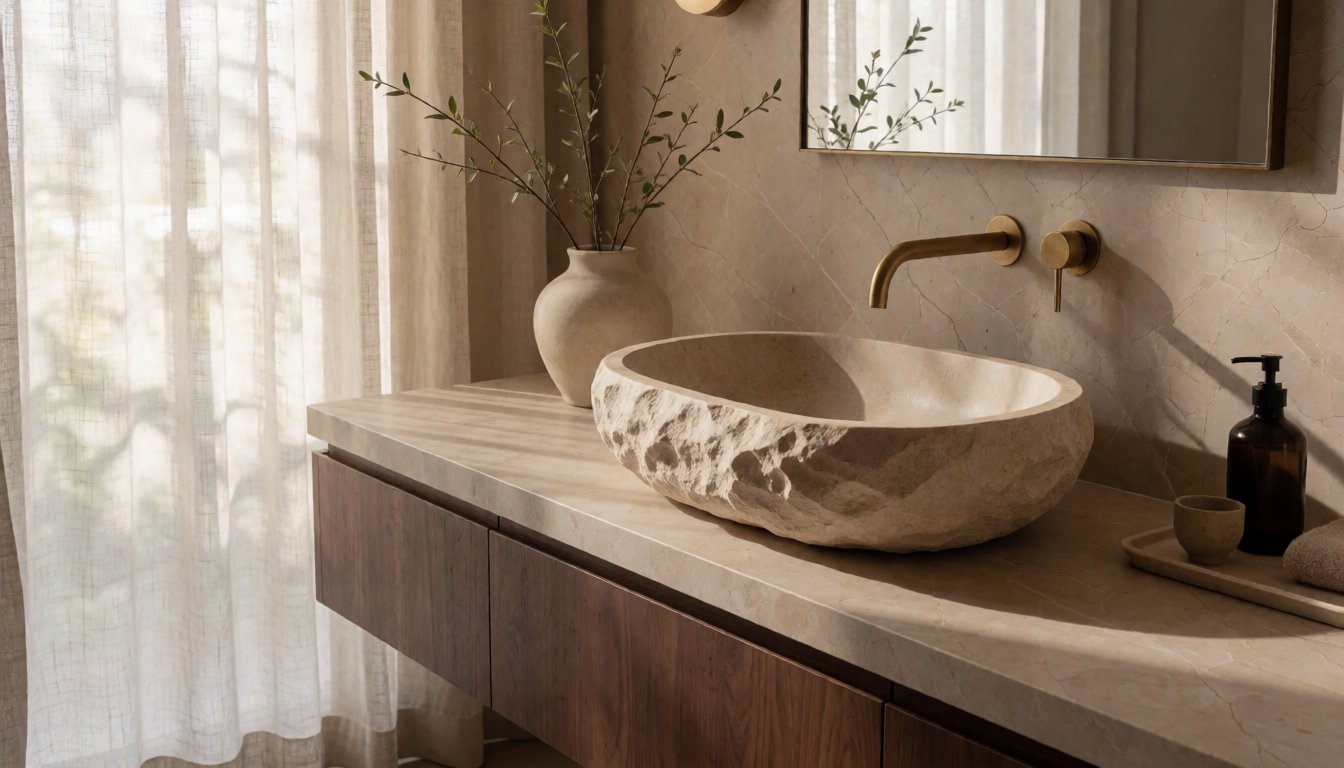
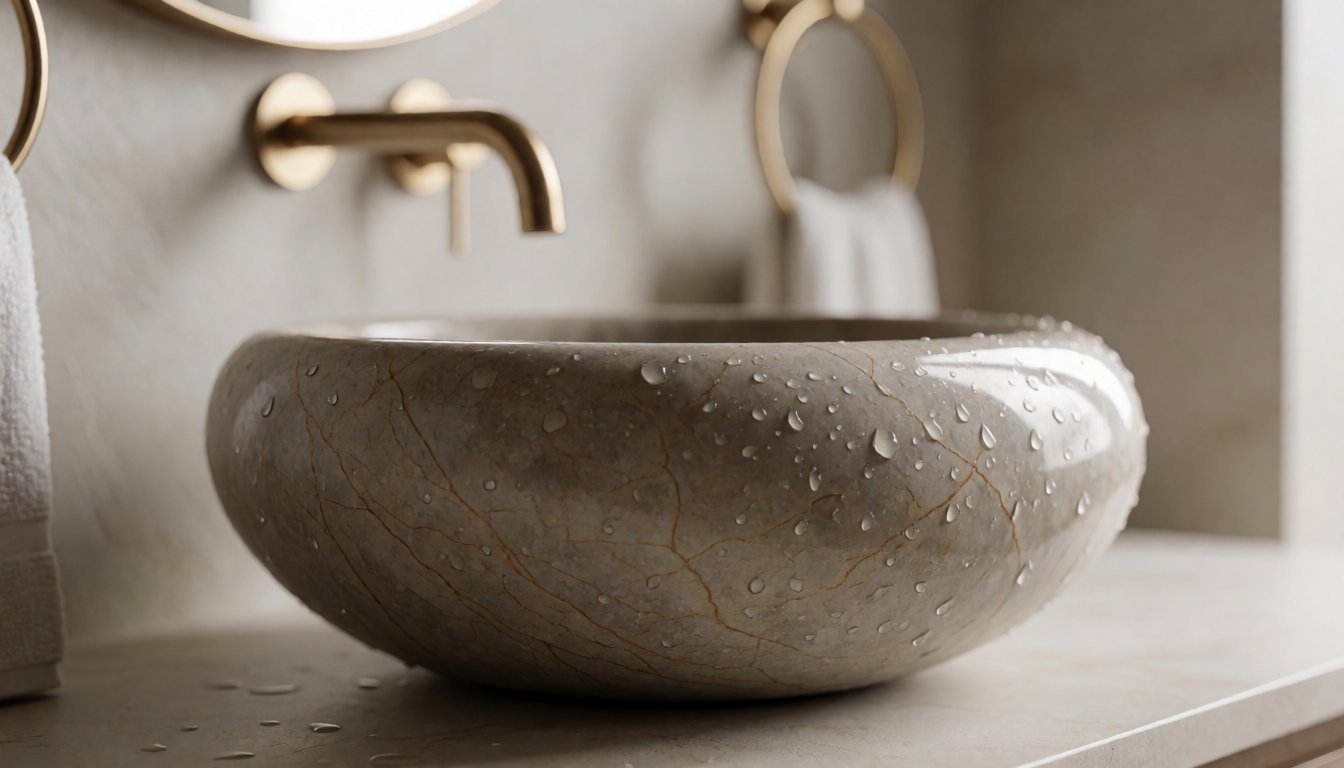
Shopify dropshipping lets you sell natural stone basins and vanities in 2026 without holding inventory: you list the product, forward orders to a factory, and keep the margin between retail and wholesale. This playbook covers supplier vetting, realistic 10-25% net margins, SKU selection, and returns control for B2B stone sellers.
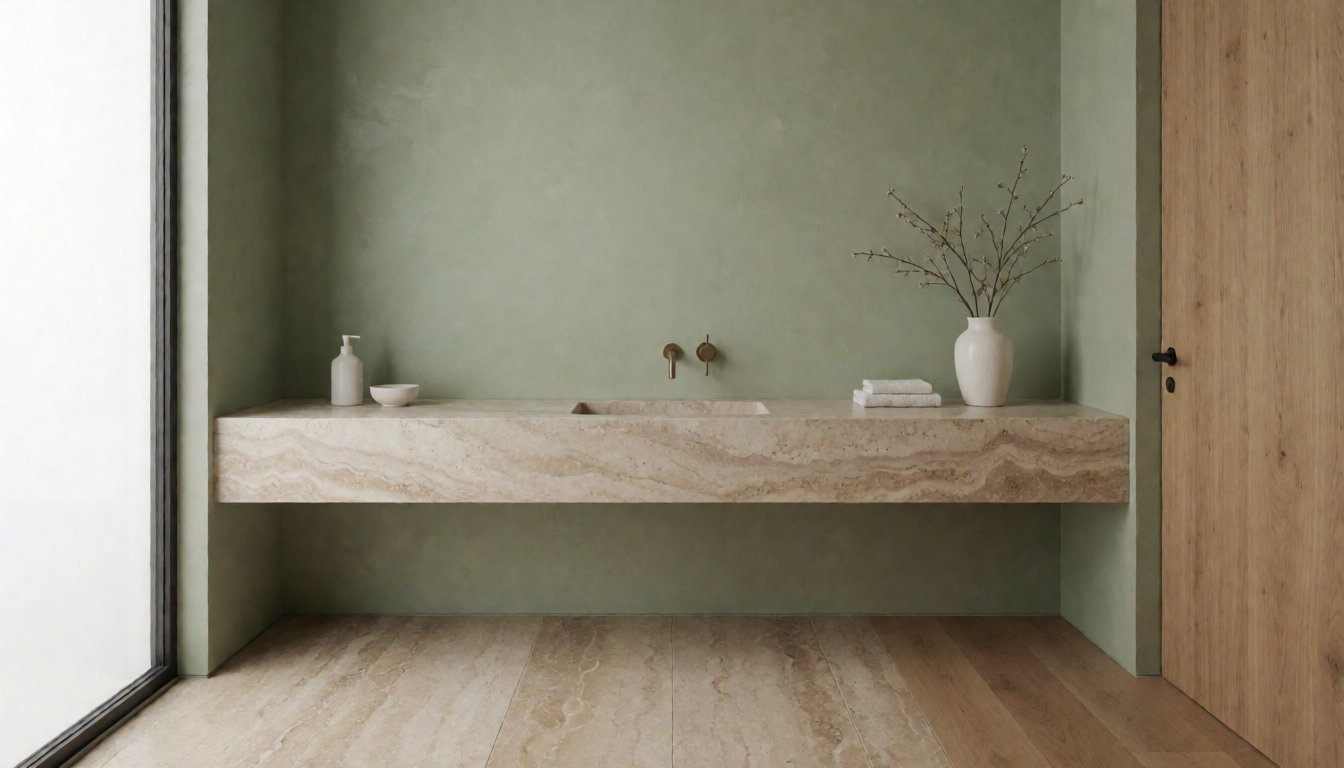
- Pick a niche, not a product. Build a stone-basin brand around a clear buyer (luxury bath, spa, boutique hotel) so content and SEO compound.
- Vet 3-5 factories. Order samples, time arrival (target 5-10 days express to US), and inspect quality in person before listing.
- Confirm they hold stock or run made-to-order with short lead time. Stone is heavy and fragile; fulfillment speed decides your refund rate.
- Model the unit economics. A SKU must sustain a 2.5x-3x markup over landed cost after ad, fee, and return drag.
- Rewrite every listing. Never use supplier copy; write original titles, bullets, and 150-200 word descriptions with 5+ images.
- Install reviews + email + upsell apps and a clear Shipping and Refund policy before you spend on ads.
Natural stone basins are an unusual but high-fit dropshipping category in 2026. They are perceived as premium, which supports a healthy retail price, yet the fulfillment risk is real: stone is heavy, breakable, and expensive to ship. The sellers who win are not the ones who find the cheapest slab—they are the ones who treat dropshipping like a brand business with disciplined supplier management and honest unit economics. This guide is written for Shopify sellers and aggregators who want to add stone basins and vanities to a catalog without warehousing, and who need the sourcing and margin math before they list a single SKU.
What Is Shopify Dropshipping for Stone Basins?
You run a Shopify storefront, import product listings from a stone factory (often via a private app or manual CSV), and when a customer orders you forward it to the factory at the wholesale price. The factory packs and ships direct to your customer, usually in plain or lightly branded packaging. Your margin is the gap between the retail price you charged and the wholesale price you paid—minus Shopify fees, payment processing, ad spend, and returns. You never touch the stock. For a category where a single marble basin can retail for $199-$899, that structure is attractive, but only when the underlying numbers work.
| Aspect | Shopify Dropshipping | Traditional Stocked Ecommerce |
|---|---|---|
| Upfront cost | $39/mo Shopify + $0 inventory | Thousands in bulk stone + warehousing |
| Inventory risk | None—pay after a sale | High—unsold stock is sunk cost |
| Shipping time | 7-20 days (supplier-dependent) | 1-5 days (you control) |
| Net margin | 10-25% typical | 30-50% typical |
| Control over product | Low—supplier quality varies | High—you inspect stock |
| Best for | Testing demand, lean startups | Established private-label brands |
Realistic 2026 Margins: The Five Cost Lines
Open-marketplace dropshipping nets roughly 10-15% according to Shopify’s own published data, while branded stores with higher AOV and vetted domestic or regional suppliers can reach 20-25%. The headline 60-70% gross margin you see on paper is eaten by five cost lines that scale with every order. Understanding them is the difference between a store that survives and one that silently loses money on every sale.
| Cost line | Typical range (per order) | Notes |
|---|---|---|
| Supplier product + shipping | $11-$14 landed | A $8 list price often costs $11-$14 to the customer’s door (express + fulfillment agent). |
| Platform fees | 1-3% of revenue | Shopify Basic plan + transaction fees. |
| Payment processing | 2.9% + $0.30 | +1-1.5% for international cards; fixed fee hurts low-AOV orders. |
| Advertising (CAC) | $8-$30 per order | The single biggest drag; often 33-63% of revenue on a $24 AOV. |
| Returns & chargebacks | 5-15% of orders | You rarely recover supplier cost; chargebacks add $15-$25. |
Stone basins sit at the favorable end of this table for two reasons. First, AOV is high ($129-$899), so the $0.30 fixed processing fee is a rounding error. Second, a premium product supports a 2.5x-3x markup, which gives you room to pay for quality photography and still keep a 15-25% net margin. The worked example in our 2026 stone dropshipping margin model shows the exact math for a $129 basin.
Why Stone Basins Fit Dropshipping in 2026
Three shifts make stone basins a credible 2026 niche. First, delivery expectations have risen—customers now treat 3-7 day delivery as the baseline, which pushes sellers toward factories with regional stock or express lines rather than 20-30 day AliExpress shipping. Second, ad costs have climbed (Meta CPMs roughly $14-$22 for ecommerce audiences in 2026), compressing the viable margin window and rewarding high-AOV categories. Third, competition is ruthless, so product lifecycle management matters: test fast, kill losers, rotate winners. Stone basins, with their weight and fragility, are not saturated by generalist dropshippers, which is an opening for a focused operator.
The most defensible version of this model is the one most beginners skip: order samples. Stores lose their first 50 customers to refunds when the real product looks nothing like the supplier photo. A $15-$40 sample order of your top 5 SKUs can save you thousands in chargebacks, and it gives you real photography instead of supplier stock images that scream ‘dropshipper’ to savvy shoppers. Qualitative fit is not optional—ASTM C503 governs the grade of marble slab you should expect, and a serious factory will show test data on density and absorption rather than vague ‘premium marble’ claims.
SKU Selection Scorecard
Not every basin is dropship-friendly. Score each candidate on margin, damage risk, fulfillment speed, and perceived value. A SKU that fails two of four should not be listed. Our top 10 natural stone basins to dropship in 2026 ranks specific shapes by these factors; the scorecard below is the filter to apply before you import any listing.
| Factor | Pass threshold | Why it matters |
|---|---|---|
| Margin | Retail ≥ 2.5x landed cost | Survives ad + return drag at 15-25% net. |
| Damage risk | Low (foam-crated, <12kg) | Returns hit twice: refund + lost supplier cost. |
| Fulfillment | Sample 5-10 days; reorder <15 days | Delivery speed drives refund and complaint rate. |
| Perceived value | Retail $129+ | Fixed fees and CAC are a smaller % of revenue. |
Supplier Vettting Checklist
- Request material test data (TDS). Density, water absorption, and flexural strength per ASTM C97 / ASTM C880.
- Order samples of your top 5 SKUs. Time arrival; inspect for calibration (±1mm) and finish consistency.
- Ask about stock vs made-to-order. For dropshipping you need either held stock or a reliable 10-15 day production window.
- Confirm packaging. Foam-crated, corner-protected, with photos of actual packing on request.
- Clarify who files the damage claim. Insured shipments should resolve via photos within days, not weeks.
- Negotiate Net-30 or deposit terms. Many factories take 30% deposit; for dropshipping you want pay-on-order or very low commitment.
Sample & QC Workflow
A disciplined sample loop is what separates a brand from a generic store. Receive the sample, photograph it against a neutral background, measure it, and compare to the factory’s stated specs. If calibration is off (a ‘20mm’ slab that is actually 18.5mm, a known cost-cutting tactic), reject the supplier. Lock one control sample per SKU so future batches can be compared to it, not to memory.
| Step | Action | Pass criteria |
|---|---|---|
| 1. Receive | Log sample, photo on arrival | No transit damage |
| 2. Measure | Calipers on thickness/width | Within ±1mm of spec |
| 3. Inspect | Finish, veining, edge | Matches control sample |
| 4. Weigh & pack test | Simulate ship | No movement in crate |
| 5. Approve | Sign-off + photo archive | Batch benchmark set |
Returns Control: The Margin Multiplier
Returns are the silent killer in stone dropshipping because you refund the sale but rarely recover the supplier’s product and shipping. On a 10% return rate, blended return cost can add $3.50-$4.00 per successful order. Cut returns and your net margin jumps faster than any ad optimization. The levers are honest shipping windows (never promise 3-5 days if the factory ships in 12), accurate photography, and a clear damage-claim flow with pre-shipment photos from the factory.
| Lever | Effect on returns |
|---|---|
| Realistic delivery estimates | Fewer ‘where is my order’ refunds |
| Original, accurate photos | Fewer ‘not as described’ disputes |
| Factory pre-ship photos | Faster, fairer damage claims |
| Tight packaging spec | Lower breakage rate |
Channel Strategy: Shopify + Beyond
Shopify is the test bed, but profitable operators expand. Many successful sellers use dropshipping for the first 100-500 orders on a new SKU, then switch to bulk inventory and faster shipping once demand is proven. TikTok Shop and Amazon absorb different buyer intent; stone basins perform best where the buyer can see the weight and finish in video. Whichever channel, keep the brand identity consistent so SEO and email equity compound.
| Channel | Strength | Watch-out |
|---|---|---|
| Shopify | Full brand control, SEO moat | You own acquisition cost |
| TikTok Shop | Visual, high impulse | Short product lifecycles |
| Amazon | Inherited traffic | Fees + review rules |
Whether you start with one basin or ten, the discipline is identical: vet the factory, model the margin, control returns, and build a brand. Done right, natural stone basins are one of the few dropshipping categories where premium positioning and real unit economics align in 2026.
Summary
Dropshipping natural stone basins in 2026 works only when the unit economics are modeled honestly: a SKU must sustain a 2.5x to 3x markup over its fully landed cost, including supplier shipping, platform fees, payment processing, advertising, and a realistic 5-15% return rate, before it earns a defensible 10-25% net margin. Stone’s high retail price and perceived premium value make that math possible, but only for sellers who vet factories, order samples, and control packaging rather than chasing the cheapest slab and hoping the photos convert.
Frequently Asked Questions
What is Shopify dropshipping for natural stone basins?
It is a retail model where you run a Shopify store, list stone basins and vanities from a factory, and forward paid orders to that factory at wholesale price; the factory ships direct to your customer. You keep the margin between retail and wholesale without holding inventory.
What net margin can I expect dropshipping stone in 2026?
Open-marketplace dropshipping nets about 10-15% per Shopify’s published data; branded stores with higher AOV and vetted suppliers reach 20-25%. Stone basins fit the higher end because of premium retail pricing and low fixed-fee drag.
How do I choose which stone basins to dropship?
Score each SKU on margin (retail at least 2.5x landed cost), damage risk (low weight, foam-crated), fulfillment speed (sample 5-10 days, reorder under 15 days), and perceived value (retail $129+). Reject any SKU that fails two of four.
Why should I order samples before listing?
Samples let you photograph the real product, verify calibration within +/-1mm, and confirm finish consistency. Stores that skip samples lose early customers to refunds when the item differs from supplier photos, and a $15-40 sample order can prevent thousands in chargebacks.
How do I reduce returns on fragile stone products?
Set honest delivery windows, use original accurate photography, require factory pre-shipment photos for damage claims, and specify tight foam-crated packaging. Returns hit twice (refund plus unrecoverable supplier cost), so cutting them lifts net margin faster than ad tweaks.
Should I hold inventory or stay pure dropship?
Start dropship to test demand with zero inventory risk, then move proven SKUs to bulk stock for faster 1-5 day shipping once you have 100-500 confirmed orders. Hybrid models capture both low risk and higher margin.
Related Articles
- Top 10 Natural Stone Basins & Vanities to Dropship on Shopify in 2026
- How to Price Natural Stone Dropshipping Products in 2026: A Margin Model for Shopify Sellers
Get a Quote or Start a Sample
Ready to source natural stone basins, vanities, or white-label stone for your store or brand? Share your spec with GladyStone’s B2B team to get a custom quote and sample program built around your MOQ, lead time, and packaging needs. Explore the full GladyStone catalog for OEM-ODM and wholesale programs.