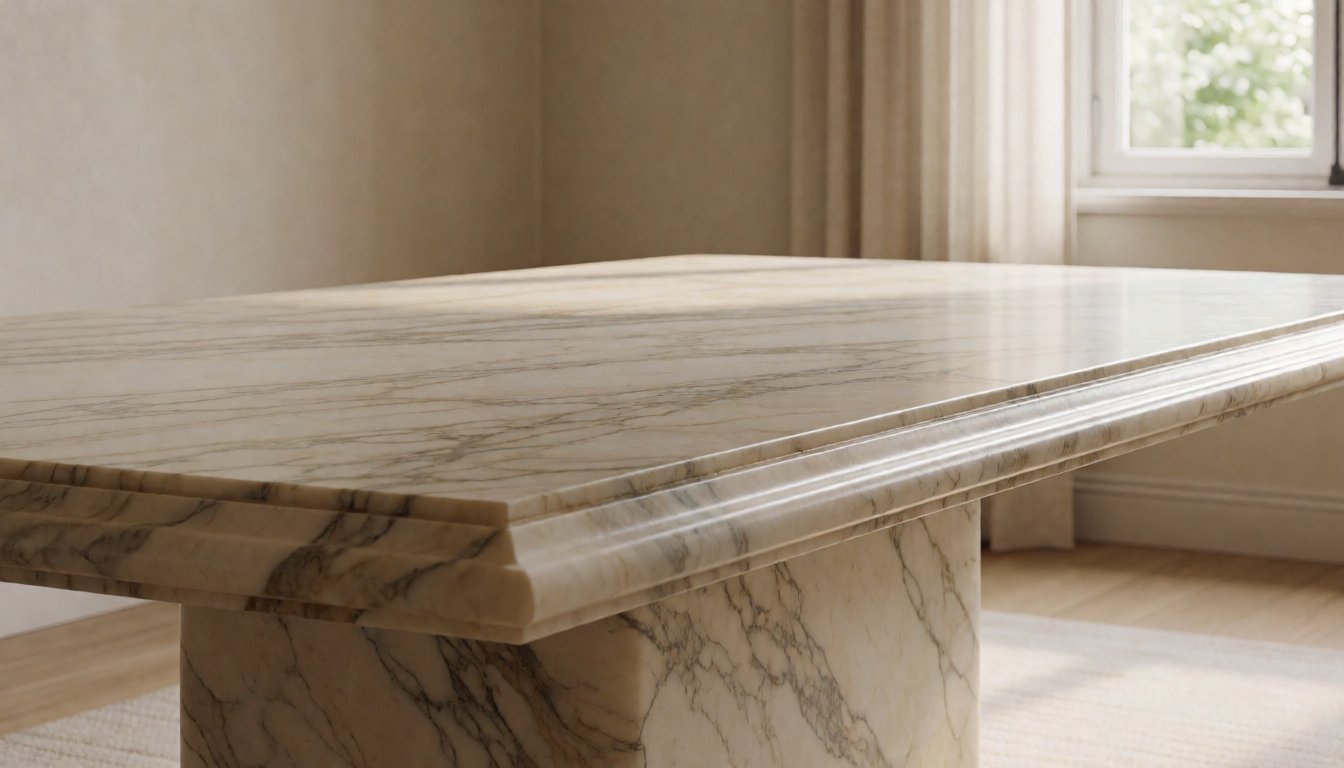
When you order custom stone furniture for your Shopify store or white-label brand, the term “PPS” often appears in emails from factories like Gladystone. It stands for Pre-Production Sample. This is not just another test piece; it is the final green light before your bulk order goes into production. For US and EU importers, skipping this step or misunderstanding its purpose can lead to costly mistakes. A stone PPS confirms that the raw material, craftsmanship, and finishing details match your approved design exactly. It bridges the gap between a digital rendering and the heavy, permanent product sitting in a customer’s kitchen or bathroom.
Why the Pre-Production Sample Matters for Stone Furniture
Natural stone is not plastic or ceramic. You cannot simply adjust settings on a machine to fix a flaw after firing or polishing. A slab of marble or quartzite comes with its own unique grain, veining, and potential imperfections. When you request a stone PPS, the factory cuts actual material from the selected slabs to create your sink, tub, vanity, or table.
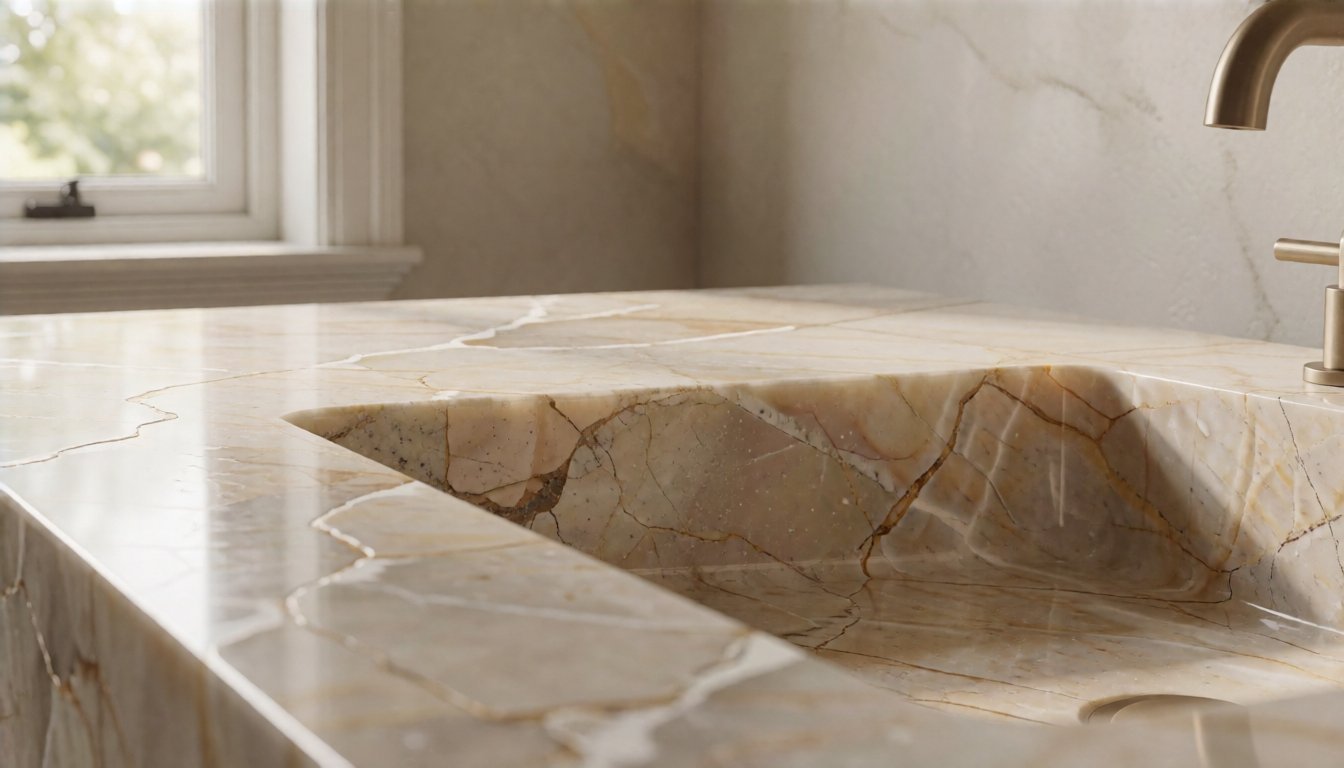
This sample allows you to inspect critical elements that digital photos often hide:
* Veining Consistency: Does the pattern in the sink match the slab texture you approved?
* Edge Profiles: Is the bevel smooth and symmetrical on a 120cm dining table?
* Drainage and Fit: For sinks, does the drain hole align perfectly with the faucet mounting points?
* Finish Quality: Is the honed surface truly flat without dust pits?
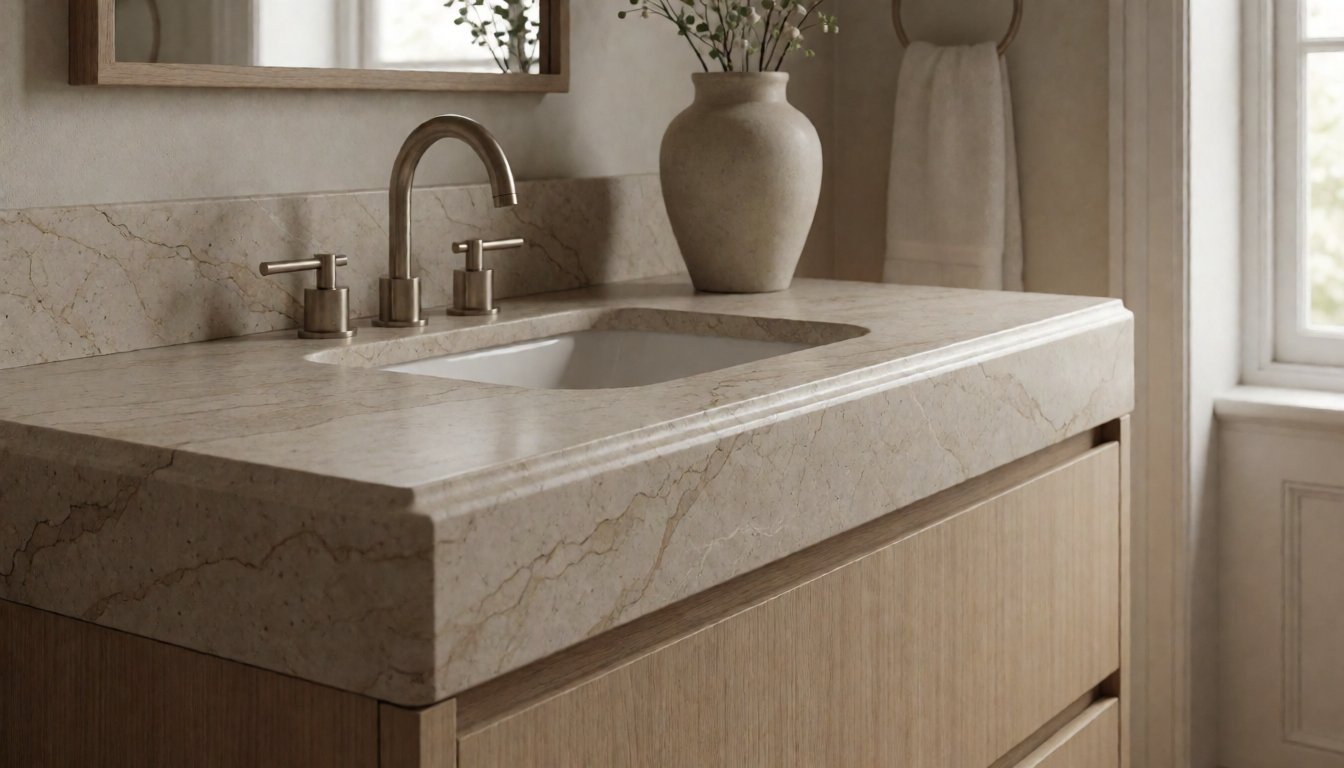
If you approve a digital mock-up but skip the physical sample, you risk receiving a bulk order where the veining looks wrong or the edge finish is uneven. In natural stone manufacturing, the PPS is your last chance to catch these issues before committing thousands of dollars in raw material.
Understanding Lead Times and Logistics for Samples
One of the biggest concerns for dropshippers and wholesalers is time. How long does it take to get a pre production sample stone item? At Gladystone, the timeline typically depends on two factors: material availability and workshop scheduling.
For standard items like a small side table or a simple bathroom sink, we usually have slabs in stock. In these cases, cutting and polishing a PPS takes roughly 5 to 7 days of production time plus shipping.
* Stock Slabs: If you select a common color like Calacatta Gold or Carrara White, the sample often ships within 10–14 days total from order placement.
* Special Orders: If you need a rare slab with specific green or gold veining, we may need to reserve that material first. This can extend the PPS timeline to 20–30 days.
Weight is another logistical factor. A standard bathroom vanity top might weigh 60–80 kg. Shipping this internationally requires careful packing and freight forwarding. We typically consolidate samples with bulk orders if possible, but standalone samples are sent via air freight or dedicated sea cargo lines for speed. Always clarify the shipping method when placing a PPS order to ensure you receive the sample before your production schedule tightens up.
Red Flags When Approving a Marble Sample Approval
When the package arrives, do not just glance at the photos in the box. Inspect the physical piece thoroughly. A marble sample approval is only valid if every detail matches your specifications. Here are specific checks to perform:
- Check for Hidden Cracks: Natural stone can have internal tension cracks that aren’t visible on the slab surface but appear after polishing. Run your hand over the entire surface. If you feel a bump or a slight dip, reject it immediately.
- Verify Edge Consistency: Compare the left and right edges of a countertop or table. They should be identical in profile depth and angle. A mismatched edge indicates poor CNC programming or manual cutting errors.
- Inspect the Backside: Look at the rear of the sink or tub. The texture should be clean, not rough or pitted. Poor handling during cutting leaves marks that cannot be removed later.
- Drain and Overflow Alignment: For sinks, measure the distance from the back wall to the drain hole against your CAD drawing. Even a 2mm error can prevent the faucet from fitting correctly in your customers’ kitchens.
If you find any defects during this inspection, contact Gladystone immediately. Do not sign off on a defective sample just to keep the production line moving. Rejecting a bad PPS now saves you from rejecting an entire container of finished goods later.
Cost Implications and MOQs for Samples
You might wonder if paying for a stone PPS is worth the expense. For B2B buyers, it is a necessary investment in risk management. The cost of a sample includes raw material waste, labor for cutting and polishing, and shipping. At Gladystone, we typically charge roughly 50% to 70% of the final bulk unit price for samples, depending on complexity.
For example, a complex undermount sink with intricate carving might cost $300–$500 for a sample, while a simple rectangular tub might cost less. This fee is often non-refundable unless you have a specific agreement, but it covers the factory’s material loss.
* MOQ Considerations: Some factories require you to buy a full container even if you only want one color. We offer flexible MOQs for samples so you can test different colors without locking yourself into a massive shipment.
* Bulk Discount Logic: If you approve the sample and place a bulk order (e.g., 50+ pieces), we may credit the sample cost against your invoice or waive the shipping fee on future orders.
Always ask about these policies before ordering. Transparency here prevents disputes later. Remember, the goal is to get a perfect product, not just the cheapest one. A low-cost sample might indicate cut corners in quality control that will reflect poorly on your brand reputation once it hits the US or EU market.